
Storing fruits and vegetables correctly plays a major role in keeping your produce fresh and safe to eat. Most people don’t realize that how and where you store produce can speed up spoilage—or prevent it. One key reason for this is a plant hormone called ethylene gas. Certain fruits, like apples, bananas, and tomatoes, produce ethylene as they ripen. This gas triggers a ripening response in nearby produce, which can be good or bad depending on what’s stored nearby. Some vegetables, like leafy greens and carrots, are extremely sensitive to ethylene. When exposed to it, they break down quickly, losing texture, flavor, and nutritional value.
Moisture is another factor—some veggies give off humidity, which can encourage mold and rot when trapped in closed containers. Meanwhile, strong-smelling produce like onions can affect the taste and freshness of nearby fruits. Cross-contamination can also occur when storing fruits and vegetables too close, especially when one starts to rot. Science shows that even storage temperature affects how quickly produce deteriorates. Understanding the chemical and biological interactions between different types of produce is essential. Let’s dive into 19 common fruits and veggies that are better off being stored apart.
1. Apples and Leafy Greens
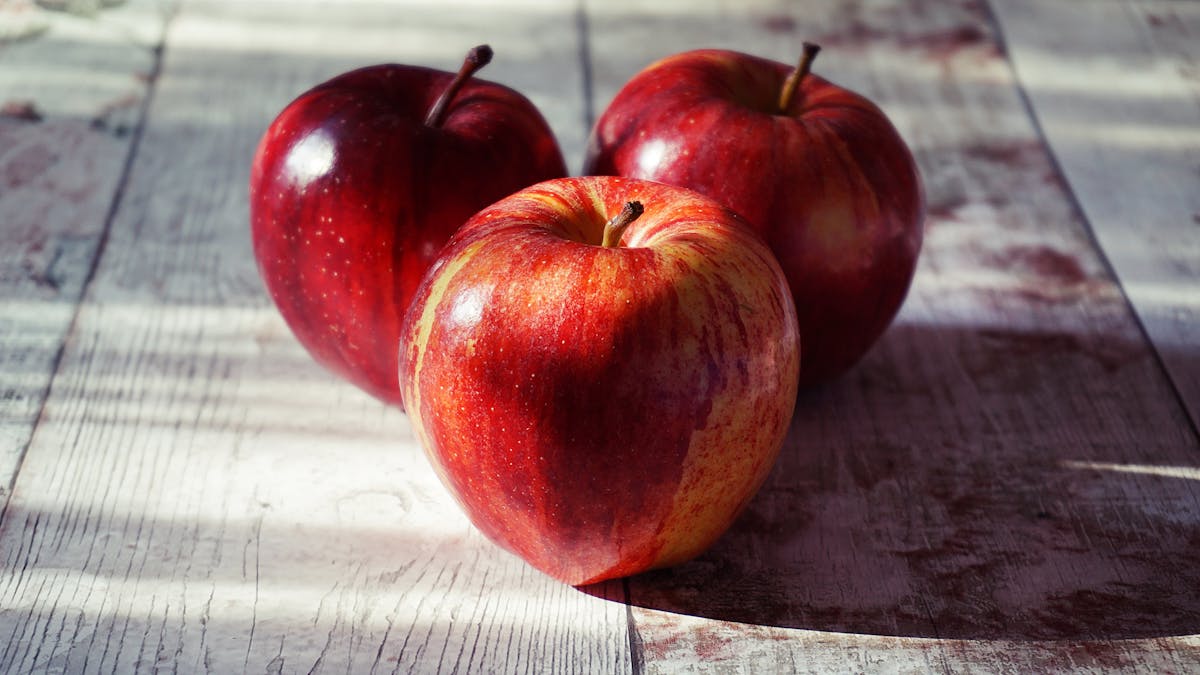
Apples might seem innocent on the kitchen counter, but they’re ethylene gas powerhouses. Ethylene is a natural plant hormone that speeds up ripening—and unfortunately, rotting too. Leafy greens like spinach, lettuce, and arugula are extremely sensitive to it. When stored near apples, those crisp greens wilt fast and lose both flavor and texture. What was once a fresh salad mix can turn soggy and slimy in just a couple of days. It’s not just about taste—it’s about nutrition too. Wilted greens lose vitamins quickly, especially vitamin C. To avoid this, store apples away from greens, ideally in separate fridge drawers. When it comes to storing fruits and vegetables, separation can save you money and meals.