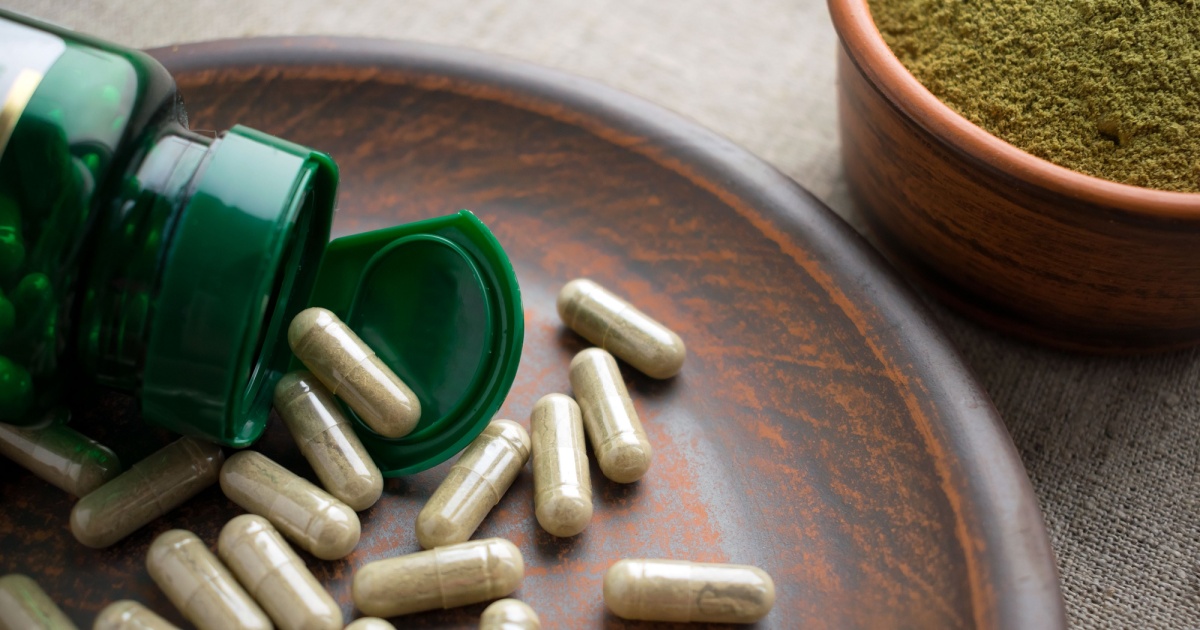

Many people reach for a bottle of herbal supplements the same way they’d reach for a glass of water. It feels like a small, harmless act. You’ve heard the names on podcasts, seen the bright labels at the pharmacy, and maybe even received a recommendation from a friend who swears by it. These are “natural” products, after all. How risky could they really be?
The answer is more complicated than most labels let on. In recent years, liver specialists across the United States have been watching a troubling pattern: otherwise healthy adults arriving at their clinics, and sometimes at emergency rooms, with serious liver damage. The common thread in many of these cases isn’t alcohol, a prescription drug, or a toxic chemical. It’s herbal and dietary supplements.
Herbal supplements are not inherently safe and don’t require review or approval by the U.S. FDA before going to market. That distinction matters enormously. When something bypasses the same premarket testing required of prescription medications, users take on risks they may not fully understand. And the problem is growing fast. One study found a 70% increase in liver transplants due to supplement-related injury when comparing data from 2010 to 2020 versus the prior period. The supplements driving the most concern aren’t exotic or obscure. They’re sitting on shelves in your local pharmacy right now.
1. Turmeric (Curcumin)
Turmeric may be the most widely recognized supplement in this discussion, and for good reason. It’s aggressively marketed as an anti-inflammatory wonder, sold in golden lattes and high-dose capsules, and enthusiastically promoted across social media. The spice itself, used in food, carries minimal risk. The supplement form is a different story.
Among herbal ingredients tied to toxic hepatitis, turmeric is the most commonly consumed in the U.S., according to a 2024 study in JAMA Network Open. Following turmeric are green tea extract, ashwagandha, Garcinia cambogia, red yeast rice, and black cohosh. Part of the problem is dosage. The World Health Organization recommends a daily turmeric dose of no greater than approximately 200 mg for a 150-pound individual. Consuming turmeric in dietary sources is unlikely to exceed these limits. However, the doses found in oral supplement tablets, capsules, or gels often exceed these recommended amounts, in some cases reaching in excess of 2,000 mg daily, according to hepatologist Dr. Joseph K. Lim at Yale New Haven Health.
Compounding the risk is the increasingly common practice of combining turmeric with piperine (the active compound in black pepper) to boost absorption. Recent concerns have arisen regarding turmeric-induced liver injury linked to formulations with enhanced bioavailability, often including piperine. Emerging data suggests a potential link between turmeric and drug-induced liver injury. Notably, turmeric supplements are increasingly combined with piperine to boost absorption, and this enhanced bioavailability is increasingly being implicated as possibly worsening that risk. Genetics also play a role. What is safe for 10,000 people may be dangerous for one, because of their genetic profile, explains Northwestern Medicine dietitian Bethany Doerfler.
If you’re taking turmeric for joint pain or inflammation, cooking with the spice is far safer than high-dose capsules. If you do take a supplement, stay well within the WHO-recommended range and have a frank conversation with your doctor first, especially if you have any underlying liver condition.
2. Green Tea Extract
Drinking green tea is one of the most studied health habits in the world, with legitimate benefits for the heart and metabolism. But green tea extract, the concentrated supplement form found in fat-burner pills and weight-loss blends, operates very differently inside the body.
Green tea extract is found in many herbal and dietary supplements. Green tea extract, and more rarely ingestion of large amounts of green tea, has been implicated in cases of clinically apparent acute liver injury, including instances of acute liver failure and either need for urgent liver transplantation or death. The culprit appears to be a catechin (a class of antioxidant plant compound) called EGCG. A systematic review identified liver enzyme increases with daily intake of at least 800 mg of EGCG in 9 of 38 intervention studies. Although traditional green tea infusion was considered harmless, a possible causal relationship for the observed liver damage was considered possible for supplements with EGCG doses cumulatively exceeding 800 mg per day.
What makes this supplement particularly unpredictable is that the injury isn’t entirely dose-dependent. Although uncommon, liver injury has been reported in some people who used green tea products, primarily in tablet or capsule form. Individuals with a specific variant of a gene that plays an important role in immune function appear to be especially susceptible. Between 5 and 15 percent of Americans have this variant, according to the National Center for Complementary and Integrative Health. This means some people can take the same product that others use without incident and end up seriously ill.
No safety concerns have been reported for green tea consumed as a beverage. That’s the practical takeaway here. Drink green tea freely. Think twice before taking it in concentrated extract form, and never take it while fasting, as research indicates this increases its absorption to potentially harmful levels.
3. Ashwagandha
Ashwagandha is the darling of the modern wellness movement. This Ayurvedic herb is promoted heavily as an adaptogen (a substance that supposedly helps the body handle stress), and its popularity has exploded in recent years thanks in large part to social media. Sales have surged, and many people take it daily without a second thought.
Ashwagandha is a popular Ayurvedic herb used as a general tonic to improve health, increase energy, and reduce stress and anxiety. Ashwagandha has not been implicated in causing serum enzyme elevations during clinical trials, but recently has been implicated in cases of clinically apparent liver injury, according to the LiverTox database, the NIH’s clinical resource on drug-induced liver injury. Typically, the liver injury presents 2 to 12 weeks after starting ashwagandha, usually with a cholestatic or mixed pattern of injury, jaundice, and pruritus (itching).
Since 2017, there have been 35 case reports of ashwagandha-associated liver injury. Most cases resolved after stopping the supplement, but not all. Rare instances of fatal liver injury or the need for an emergency liver transplant have been reported, particularly in patients with preexisting liver disease. A 2025 analysis in Frontiers in Nutrition examining ashwagandha’s safety noted that it is safer to focus on the root extract rather than non-root parts. Non-root parts of the plant, including the leaves, contain molecules predicted to have significant toxicity concerns, while the root is free of these toxic molecules.
If you choose to take ashwagandha, look for products specifying root-only extract, avoid taking it if you have any existing liver condition, and stop using it immediately if you notice fatigue, yellowing of the skin, or dark urine.
4. Garcinia Cambogia
Garcinia cambogia is a tropical fruit that became wildly popular as a weight-loss supplement. It contains hydroxycitric acid (HCA), which is believed to help suppress appetite and block an enzyme in the body used to store fat. The marketing around it has been relentless, and millions of people have taken it hoping to shed pounds naturally.
The liver risk with this supplement is particularly serious. Reports of acute liver failure and hepatitis-like symptoms have been associated with Garcinia cambogia, often in individuals who combine it with other weight-loss supplements. Severe cases can lead to the need for liver transplantation. Adding to the concern is the fact that 100% of Garcinia cambogia users in one major study were self-medicating, not following healthcare provider recommendations, meaning they were taking it without any medical oversight at all.
Weight loss was the primary motivation for 70% of Garcinia cambogia users in the same research. That’s an important flag: when people take a supplement specifically to lose weight faster, they often also take higher doses or combine multiple products, a practice that significantly increases strain on the liver. If weight loss is your goal, the risk-benefit math on this particular supplement doesn’t hold up well.
Read More: Not Just Alcohol: Surprising Diet Habits That May Raise Liver Cancer Risk
5. Red Yeast Rice
Red yeast rice occupies a unique and particularly hazardous position among herbal supplements. It is a traditional Chinese medicine made by fermenting rice with a type of mold called Monascus purpureus. It contains compounds known as monacolins, which are similar to statins and may help lower cholesterol levels. This sounds straightforward enough, but the comparison to statins is where the problem begins.
Red yeast rice deserves special attention because it is often promoted as a “natural” cholesterol aid. In reality, some products can contain monacolin K, a compound chemically identical to lovastatin, while product strength can vary dramatically. This means a person may be taking something with statin-like effects, contamination risks, and poor labeling consistency, all at once. Prescription statins are dosed precisely under medical supervision, with regular monitoring of liver enzymes. Red yeast rice supplements carry none of that oversight. Red yeast rice may cause elevated liver enzymes, liver inflammation, and, in rare cases, acute liver failure.
Red yeast rice was primarily used for heart health by 90% of users identified in research, most of them older adults with existing cardiovascular concerns. If you have a cholesterol problem serious enough to consider medication, speak to a doctor about a prescription statin that comes with defined doses, known interactions, and regular monitoring. Taking red yeast rice instead isn’t a natural alternative – it’s taking a poorly labeled medication with unknown potency.
While it’s worth understanding how poor-quality herbal supplements impact liver health, it’s also important to know how to support your liver for overall general health.
How to Choose High-Quality Supplements
Choosing high-quality supplements starts with verifying regulatory oversight and manufacturing standards. In Canada, look for an NPN (Natural Product Number), which indicates the product has been reviewed by Health Canada for safety, ingredients, and labeling accuracy. In the U.S. or international markets, prioritize products made in cGMP (Current Good Manufacturing Practice) facilities, which follow strict quality control protocols to reduce contamination and ensure consistency.
For herbal supplements in particular, contamination risks, including heavy metals, pesticides, and undeclared plant species, make third-party certification especially important. Look for seals from independent testing organizations such as USP, NSF, or ConsumerLab, which verify purity and potency.
Always compare label claims to evidence-based ingredient dosages, and be cautious of products that use “proprietary blends” without disclosing exact amounts. Transparent labeling, batch testing, and a clear manufacturer reputation are key indicators of reliability. Avoid supplements with exaggerated claims or missing sourcing information, as these are higher risk for quality issues.
What This Means for You
None of this means that every herbal supplement is dangerous or that the five on this list will harm everyone who takes them. The supplement industry has been clear that the overall risk these ingredients pose is exceedingly low for the vast majority of users. But “low risk” is not the same as “no risk,” and the stakes when liver injury does occur can be severe. Previous research has estimated that the U.S. sees 44,000 cases of liver damage linked to medications and supplements annually, including 2,700 deaths. For a category of products people assume are completely safe, that number is striking.
The most practical step you can take is to tell your doctor what you’re taking. The vast majority of at-risk botanical users took these supplements without consulting a healthcare provider. That’s a gap that’s entirely fixable. Bring your bottles to your next appointment. Ask specifically about interactions with any medications you’re currently prescribed. If you have an existing liver condition, heart disease, or diabetes, treat any herbal supplement with the same caution you’d give a prescription drug. And if you experience unexplained fatigue, loss of appetite, yellowing of the skin, or dark urine while taking any herbal supplement, stop taking it and see a doctor promptly. Signs of liver damage include fatigue, a loss of appetite, nausea, stomach pain, and dark urine. Those symptoms are your body’s signal that something has gone wrong, and catching it early makes all the difference.
Disclaimer: This information is not intended to be a substitute for professional medical advice, diagnosis or treatment and is for information only. Always seek the advice of your physician or another qualified health provider with any questions about your medical condition and/or current medication. Do not disregard professional medical advice or delay seeking advice or treatment because of something you have read here.
AI Disclaimer: This article was created with the assistance of AI tools and reviewed by a human editor.
Read More: Bruise easily? Itchy skin? 5 signs you have liver damage without even knowing it