

As people age, it is normal to experience small shifts in memory and processing speed. Forgetting where the keys are or occasionally misplacing glasses is part of everyday life. But when changes begin to interfere with independence, they may point to something more serious. Recognizing the signs of dementia early is important because intervention, planning, and support can make daily living safer and more manageable. Dementia is not a single condition but an umbrella term for several disorders that impair thinking, behavior, and memory, with Alzheimer’s disease being the most common type. Because early symptoms are often subtle, understanding how the brain normally ages and what separates disease from healthy decline is critical for timely action.
Healthy Brain Function with Age

The brain naturally changes as people grow older, but many of these changes are minor and do not prevent normal functioning. Healthy aging may involve slower word recall or needing more reminders to complete tasks, but individuals remain independent and capable of managing their routines. Neuroplasticity, the brain’s ability to form new pathways, continues well into older adulthood. This adaptability allows older adults to learn new skills, form habits, and maintain mental activity. Cognitive abilities such as wisdom, vocabulary, and problem-solving can remain stable or even improve with age. In contrast, dementia disrupts this balance, making it harder to distinguish between what is typical and what is cause for concern. That is why monitoring for early signs of dementia is so essential.
What Alzheimer’s Disease Does to the Brain
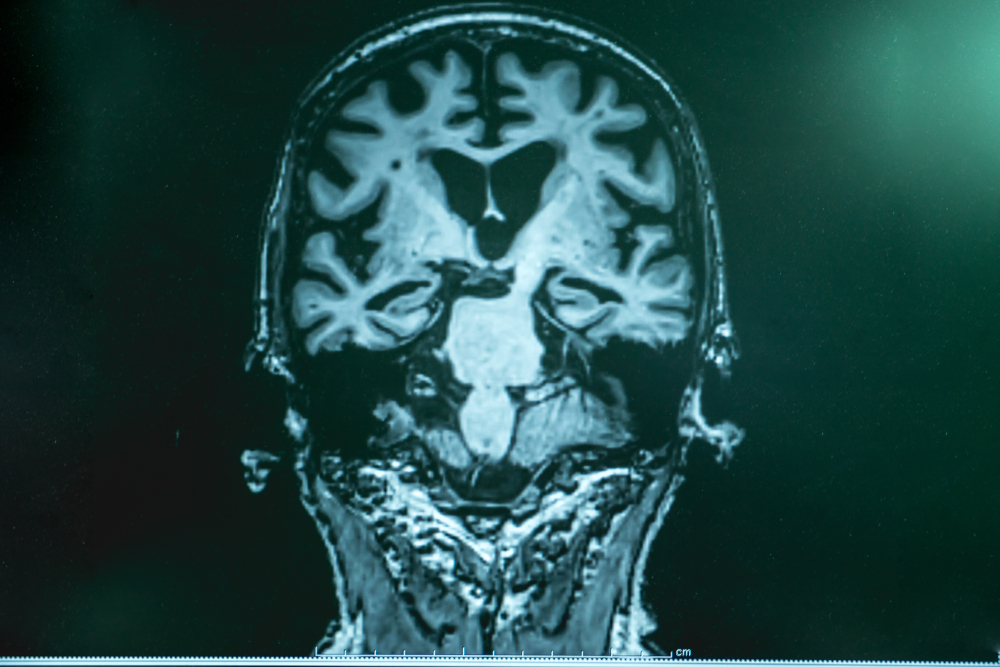
Alzheimer’s disease is the leading cause of dementia and accounts for roughly 60 to 80 percent of cases worldwide. It is marked by the buildup of abnormal proteins: beta-amyloid plaques outside neurons and tau tangles inside them. These proteins disrupt communication between brain cells, eventually causing the cells to die. Brain imaging studies show shrinking in the hippocampus and other regions essential for memory and reasoning. Early on, this results in short-term memory loss and difficulty forming new memories. As the disease progresses, it spreads to areas that control language, judgment, and behavior. Alzheimer’s also increases inflammation and reduces blood flow in the brain, worsening damage over time. While current treatments cannot reverse these changes, early recognition helps manage symptoms more effectively.
1. Difficulty Managing Everyday Tasks

One of the first warning signs of dementia is struggling with daily activities that were once second nature. Paying bills, preparing meals, or following a simple recipe may suddenly feel overwhelming. This difficulty stems from impaired executive function, the brain’s ability to plan, organize, and carry out tasks. For example, a person who once handled finances without trouble may start making repeated errors or missing payments. Family members often notice when routines like grocery shopping or medication schedules become inconsistent. Unlike occasional forgetfulness, this behavior continues and worsens over time. Spotting this early provides a chance to seek medical evaluation and begin planning for support before safety is at risk.
2. Personality and Mood Shifts

Dementia does not only affect memory – it also alters how a person feels and responds emotionally. Individuals who were once calm may develop irritability, anxiety, or suspicion without clear reason. These changes occur because dementia impacts areas of the brain responsible for regulating mood and social behavior. Loved ones may notice withdrawal from social activities, increased sensitivity to stress, or sudden bursts of anger. Depression is also common and can overlap with dementia symptoms, making diagnosis more complex. These mood changes are often dismissed as part of aging or life stressors, which delays recognition. By observing personality shifts closely, caregivers can identify one of the key early signs of dementia and encourage timely care.
3. Trouble with Language and Communication

Communication challenges are another early marker. People may pause frequently, search for common words, or substitute phrases in unusual ways. Conversations can become harder to follow, and background noise makes it even more difficult. This breakdown occurs because dementia damages the brain’s language centers, particularly in the temporal and parietal lobes. Over time, this can cause individuals to withdraw from group discussions or avoid social interactions altogether. Friends and family may notice repeated questions or incomplete thoughts. While everyone occasionally struggles to find a word, persistent language difficulties set dementia apart. Identifying this pattern early can open the door to supportive therapies that help maintain communication for longer.
4. Poor Judgment or Decision-Making

Another common behavioral change is declining judgment. People may make financial choices that put them at risk, such as giving money to strangers or falling for scams. Neglect of personal hygiene or unsafe behavior, like leaving the stove on, also becomes more frequent. These patterns arise from damage in the brain’s frontal lobe, the region responsible for decision-making and impulse control. Family members often recognize poor judgment when safety issues become noticeable. Unlike minor mistakes that everyone makes occasionally, dementia-related lapses are more frequent and severe. Recognizing this sign early is important because it can prevent accidents and help families take protective measures.
5. Disorientation in Time and Place

Confusion about dates, seasons, or familiar locations is a hallmark of early dementia. A person may forget where they are, why they went somewhere, or lose track of time entirely. This symptom is linked to damage in the hippocampus, the brain’s navigation and memory hub. Getting lost while walking or driving in familiar neighborhoods is one of the strongest red flags. Loved ones might notice the person repeatedly asking the same questions about daily schedules or events. While occasional confusion is normal, persistent disorientation interferes with independence and safety. Identifying this change quickly can help families create safe environments and routines.
Managing and Reducing Risk of Alzheimer’s

Although there is no cure for Alzheimer’s disease, evidence suggests that lifestyle choices can reduce risk and slow progression. Regular physical exercise improves blood flow to the brain and reduces inflammation. Diets such as the Mediterranean or MIND diet emphasize vegetables, whole grains, fish, and healthy fats, which are linked to lower cognitive decline. Mental stimulation, through reading, puzzles, or learning new skills, helps preserve neural connections. Staying socially active has also been shown to protect against cognitive loss by reducing isolation and depression. Managing conditions like diabetes, high blood pressure, and sleep apnea lowers additional risks. These approaches cannot eliminate Alzheimer’s but can delay its onset and improve quality of life.
Recognizing Early Signs of Dementia Matters

The signs of dementia often begin quietly, showing up in subtle changes to behavior, mood, or decision-making. Understanding the difference between normal aging and concerning symptoms is crucial for early diagnosis. Alzheimer’s and other dementias gradually alter brain function, but lifestyle changes, medical care, and support networks can slow their impact. Recognizing early warning signs allows families to seek help sooner, make plans, and ensure safety. Protecting brain health is about staying informed, maintaining healthy habits, and acting when changes first appear. By paying attention to these early signs, we can better support loved ones and improve outcomes for those living with dementia.
Read More: 4 Things Women Need to Know About Hormones and Dementia Risk
Disclaimer: This article was created with AI assistance and edited by a human for accuracy and clarity.