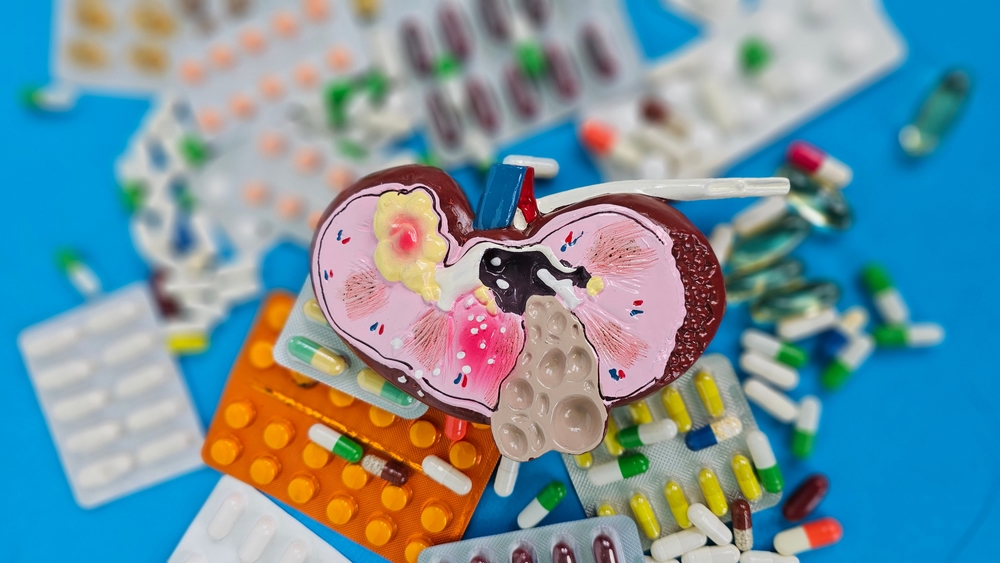

Your kidneys work constantly to filter waste, balance fluids, and regulate essential body functions. Because they handle so many substances, they are especially vulnerable to stress from medications. Some commonly used prescriptions, when taken in high doses or over long periods, can negatively affect kidney function. These risks do not mean the drugs should never be used, but they highlight the importance of monitoring. Understanding which medications that can harm your kidneys exist, along with how diet and lifestyle play a role, can help protect these vital organs.
What Are Kidneys and Their Function in the Body
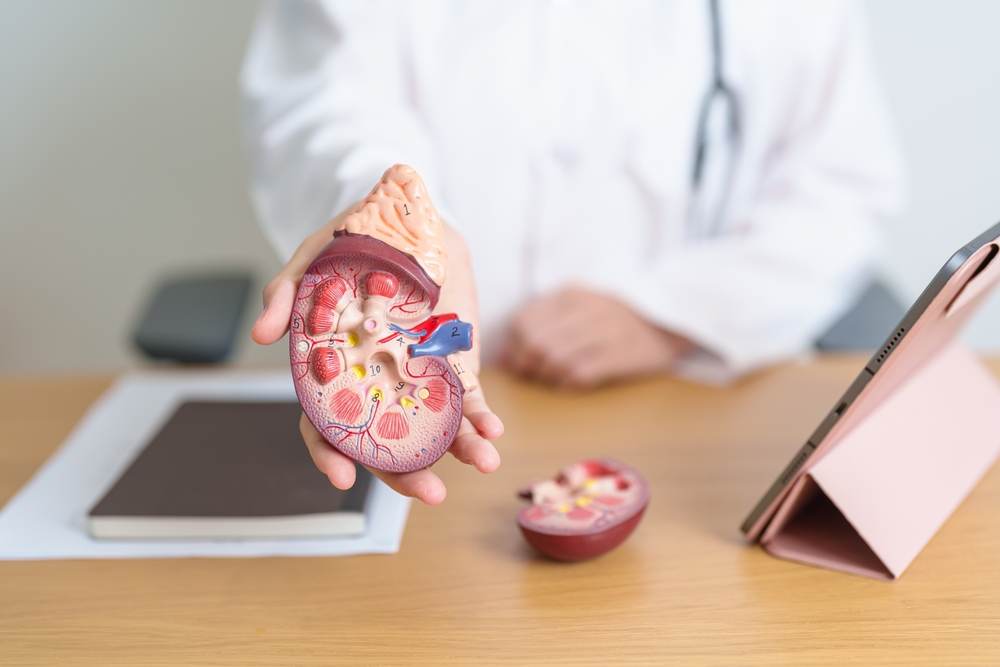
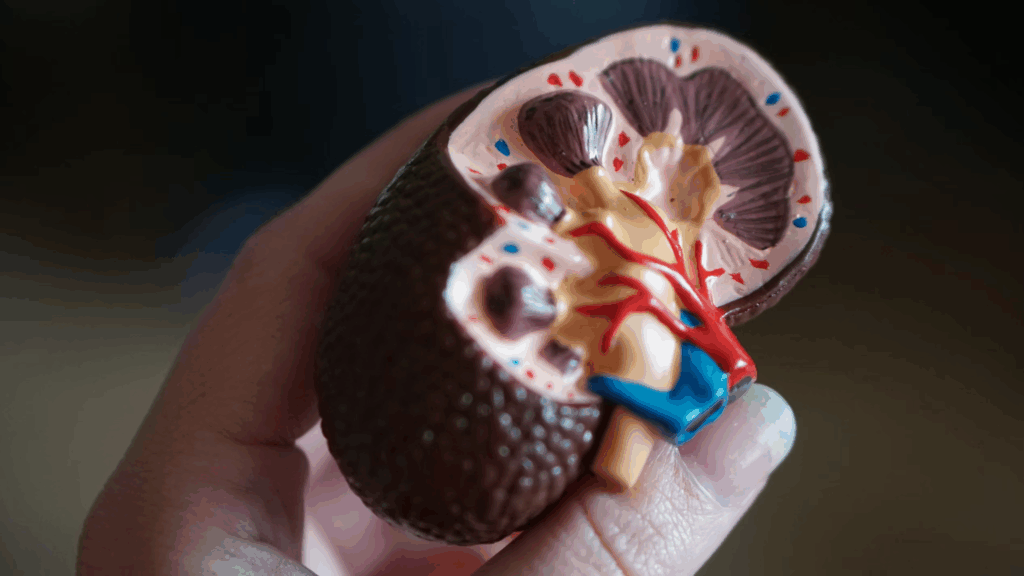
The kidneys are two bean-shaped organs located near the spine just below the ribcage. Their main job is to filter waste products and extra fluid from the blood, which then leave the body through urine. They also regulate blood pressure, balance electrolytes like sodium and potassium, and help maintain red blood cell production by releasing hormones. Because the kidneys are constantly filtering, they are directly exposed to many substances, including medications. When too much stress is placed on them, kidney tissue can become damaged over time. Protecting kidney health is critical for maintaining overall balance in the body.
How Foods and Drinks Affect Kidney Health

What you eat and drink has a direct effect on kidney function. Diets high in salt can increase blood pressure, which forces the kidneys to work harder. Sugary drinks, such as soda, may raise the risk of kidney stones and long-term decline. Too much animal protein, particularly red meat, creates waste byproducts that place additional strain on the kidneys. On the other hand, water is one of the best tools for kidney health because it helps flush toxins and prevents stone formation. Diets rich in fruits, vegetables, and whole grains support better kidney function by reducing inflammation and providing protective nutrients.
1. Nonsteroidal Anti-Inflammatory Drugs (NSAIDs)
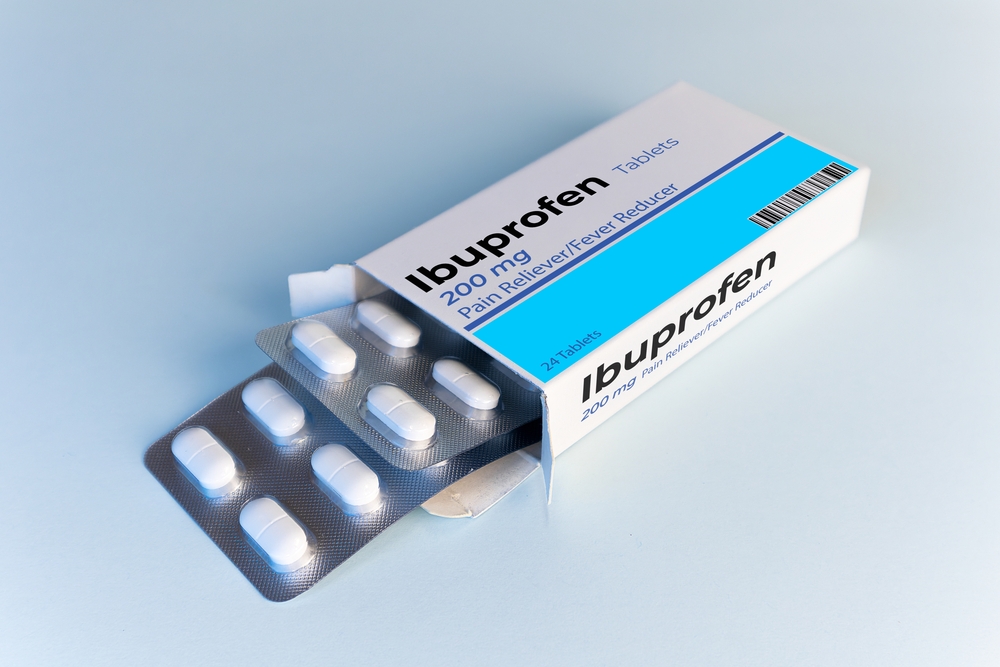
Medications like ibuprofen, naproxen, and diclofenac are widely used for pain and inflammation. However, frequent or long-term use can reduce blood flow to the kidneys. This decreases their ability to filter waste effectively. People with existing kidney problems, high blood pressure, or heart disease are at greater risk. Occasional use is usually safe, but heavy reliance on NSAIDs can lead to lasting kidney damage. Using the lowest effective dose for the shortest time is generally recommended.
2. Proton Pump Inhibitors (PPIs)

Drugs such as omeprazole, esomeprazole, and lansoprazole are prescribed to treat acid reflux and ulcers. Long-term use has been linked to an increased risk of chronic kidney disease. Research suggests PPIs can trigger inflammation in the kidneys, known as interstitial nephritis. This condition can cause permanent scarring if left untreated. Patients who require extended treatment may need regular kidney function monitoring. Switching to other acid-reducing strategies may be safer for some individuals.
3. Certain Antibiotics
Antibiotics like aminoglycosides (gentamicin, tobramycin) and vancomycin are effective against serious infections but can be toxic to the kidneys. These drugs accumulate in kidney tissue, leading to cell damage if used repeatedly or in high doses. The risk is higher for hospitalized patients or those with pre-existing kidney issues. Doctors often adjust doses based on kidney function tests to minimize harm. While sometimes necessary, these antibiotics should be used carefully under close medical supervision.
4. Chemotherapy Drugs
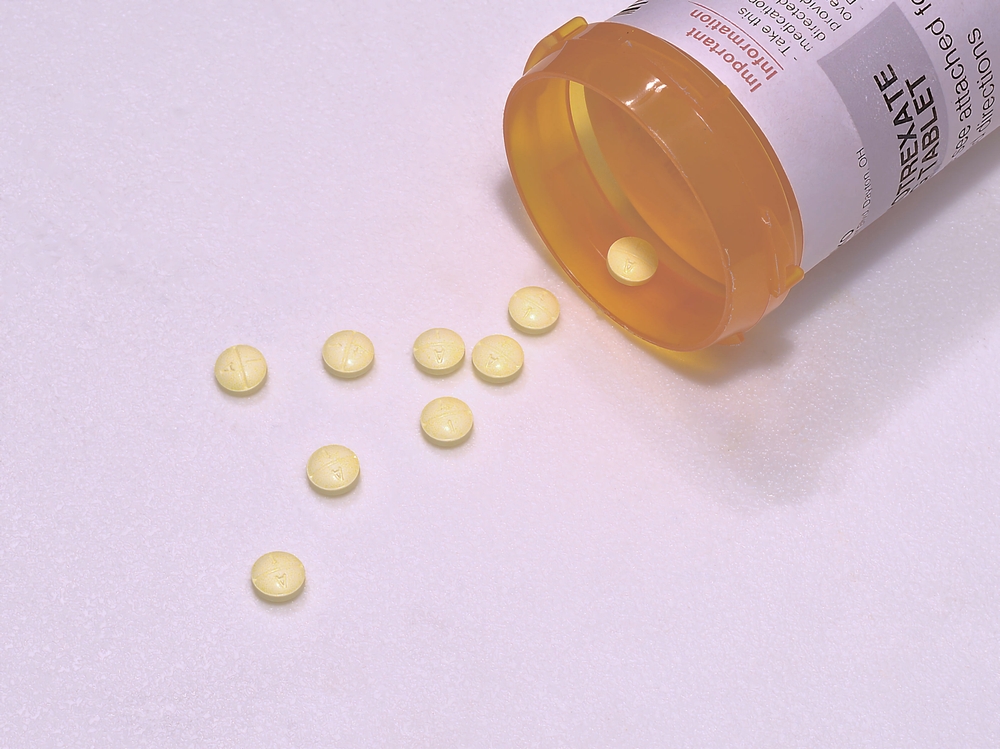
Some chemotherapy medications, such as cisplatin and methotrexate, can damage kidney cells. These drugs are powerful because they target rapidly dividing cancer cells, but the kidneys often struggle to clear them. Dehydration and other treatments can worsen the risk. Oncologists closely monitor kidney function during chemotherapy and may adjust doses to reduce toxicity. Hydration and protective medications are often used alongside these drugs to lower the chance of injury.
5. Lithium
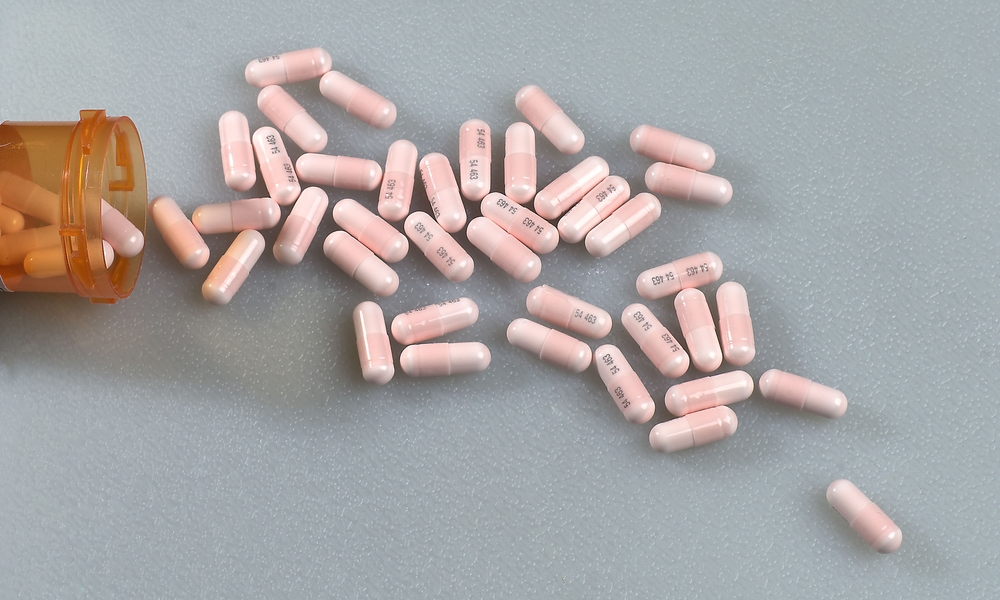
Lithium is a long-standing treatment for bipolar disorder and other mood conditions. While effective, it requires careful monitoring because it can interfere with kidney function. Over time, lithium may reduce the kidneys’ ability to concentrate urine, leading to increased thirst and frequent urination. In some cases, prolonged use can cause chronic kidney damage. Regular blood tests help maintain safe levels and reduce risks. Patients should never stop lithium suddenly but should follow a doctor’s guidance closely.
6. Diuretics
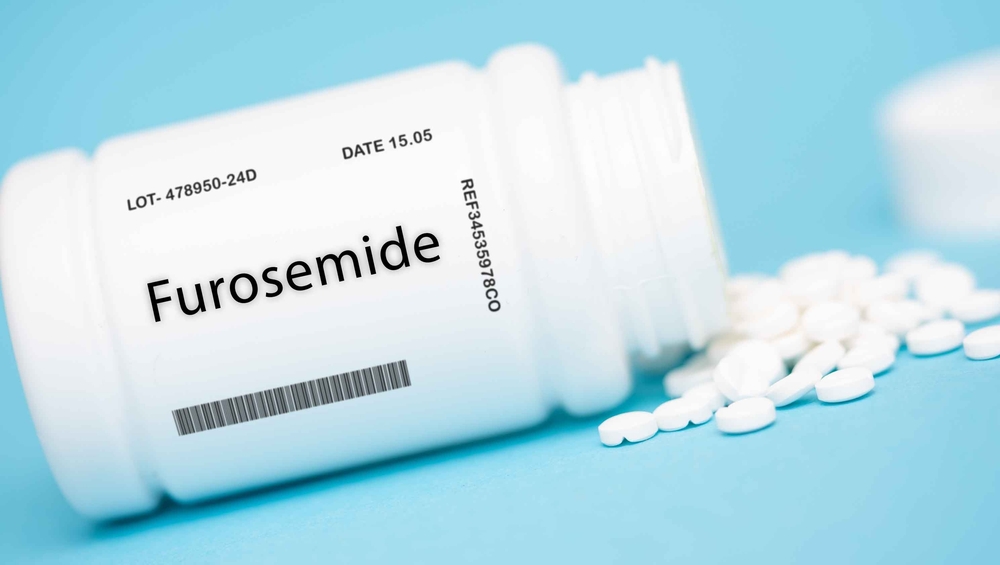
Commonly called “water pills,” diuretics like furosemide and hydrochlorothiazide are used to manage high blood pressure and fluid retention. They work by increasing urine output, which reduces strain on the heart and blood vessels. However, overuse can cause dehydration and electrolyte imbalances, placing stress on the kidneys. People taking diuretics need careful monitoring to ensure the kidneys remain stable. Balance is key, as these drugs are valuable but must be managed properly.
How to Improve Kidney Health
Supporting kidney health often comes down to daily habits. Staying hydrated with water helps prevent waste from building up in the system. Reducing sodium intake lowers blood pressure and decreases strain on the kidneys. Including more plant-based meals provides nutrients that protect against inflammation and stress. Regular exercise improves circulation, which benefits kidney function as well. Avoiding smoking and limiting alcohol also reduce risks of long-term damage.
Signs of Kidney Damage to Watch For

Early signs of kidney damage can be subtle but should never be ignored. Swelling in the ankles, feet, or hands may signal fluid buildup. Changes in urination, such as foamy urine, or reduced output, are warning signs. Persistent fatigue, nausea, or difficulty concentrating can indicate toxins building up in the blood. High blood pressure that becomes difficult to manage is another red flag. Anyone noticing these symptoms should consult a healthcare provider promptly for evaluation.
Protecting Vital Filters for Life

The kidneys are among the body’s most important filters, but they can be sensitive to certain drugs. Knowing which medications that can harm your kidneys is the first step in protecting them. Regular medical supervision, healthy food and drink choices, and attention to early warning signs all reduce risks. Many treatments are necessary and beneficial, but careful use prevents lasting harm. Protecting kidney health means working with both medical guidance and everyday habits to keep these organs functioning well for life.
Read More: 6 Key Factors That Can Influence the Progression of Kidney Disease
Disclaimer: This article was created with AI assistance and edited by a human for accuracy and clarity.