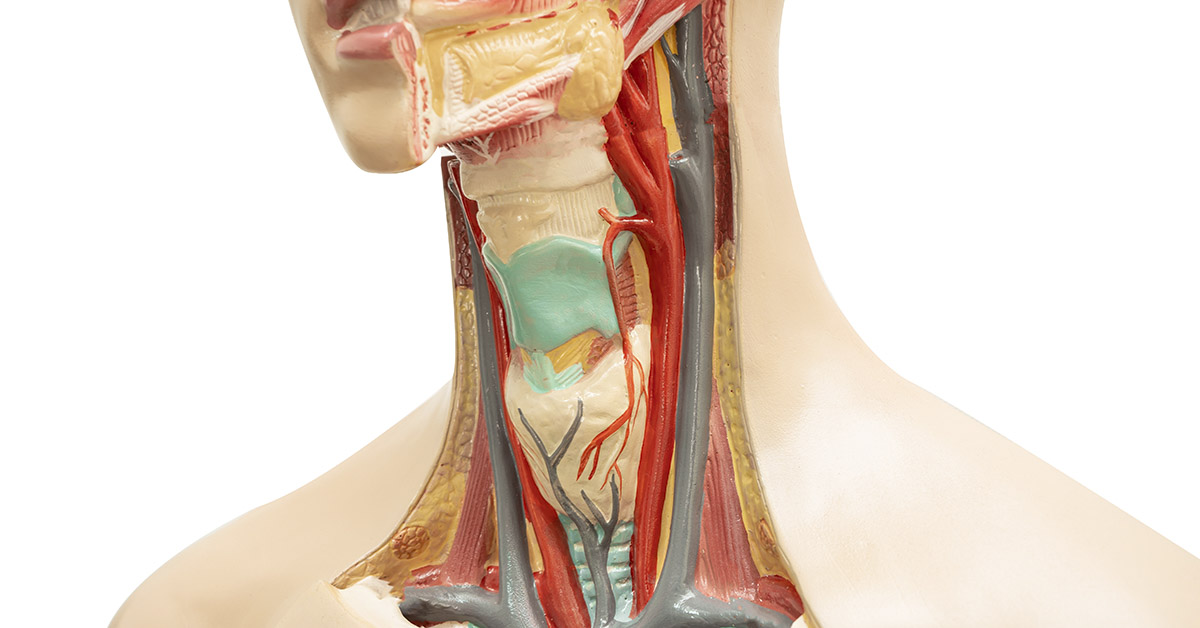

Many people assume that it is only really tobacco smokers who are at risk of developing head and neck cancers. However, there is growing concern among oncologists due to the rise of head and neck cancer in non-smokers. In fact, according to a consultant in head and neck surgical oncology, Dr Prashant Pawar, “More and more patients with no smoking history are now presenting with these cancers. This trend indicates that evolving factors beyond conventional causes are at play.” So, besides smoking, what are the risk factors for head and neck cancer? Let’s find out in the article below, as we explore the various causes of head and neck cancer.
HPV Infection

Among the most significant risk factors for head and neck cancer is the human papillomavirus (HPV), especially HPV-16. It has been specifically linked to cancers of the tonsils and the base of the tongue, called oropharyngeal cancer. This type of cancer can occur in healthy and young non-smokers and thankfully respond better to treatments than cancers caused by tobacco use. According to the CDC, HPV is believed to cause around 60% to 70% of all oropharyngeal cancers in the United States. Therefore, early vaccination in teens is vital for reducing future potential cases.
Air Pollution

Your risk of developing head and neck cancers also significantly increases if you live in areas with a lot of air pollution. The cells that line your respiratory tract can become inflamed and adamged due to airborne pollutants, such as nitrogen dioxide and particulate matter (PM2.5 and PM10). One study from 2023 published in Environmental Health Perspectives found a link between long term exposure to PM2.5 and a higher risk of developing nasopharyngeal carcinoma. This means that people who live in urban environments are vulnerable even if they have never smoked.
Occupational Exposure

Working in certain environments can also increase your risk of developing certain cancers. For example, people exposed to chemicals such as asbestos, formaldehyde, wood dust, and nickel compounds in their workplace have been shown to have a much higher risk of developing cancer. This includes cancers of the throat, nasal cavity, and larynx. Many of these substances are commonly used in manufacturing industries, as well as in carpentry, construction, and metalworking. Formaldehyde, for example, is a Group 1 carcinogen and should be avoided wherever possible, according to the National Cancer Institute.
Poor Oral Hygiene
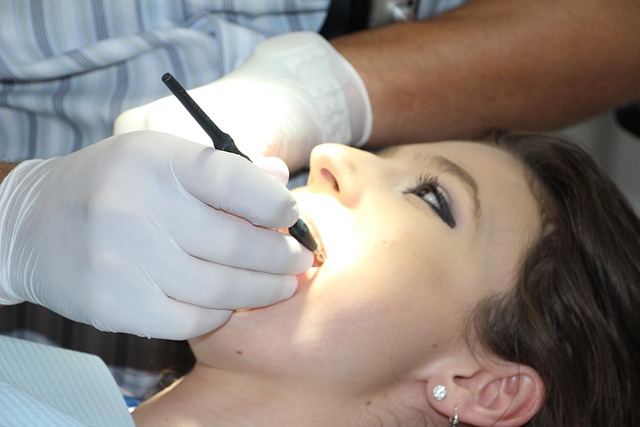
When you have poor oral hygiene, bacteria have the opportunity to trigger infections and chronic inflammation. This constant irritation can cause cellular changes that create the perfect environment for cancer to develop. Gum disease is known to be a significant risk factor for cancer development. Bacteria can cause an inflammatory response that leads to tissue damage. This inflammation can weaken your immune defenses, which makes it easier for harmful cells to multiply. However, simply brushing and flossing your teeth daily can significantly lower your risk.
Gastroesophageal Reflux Disease
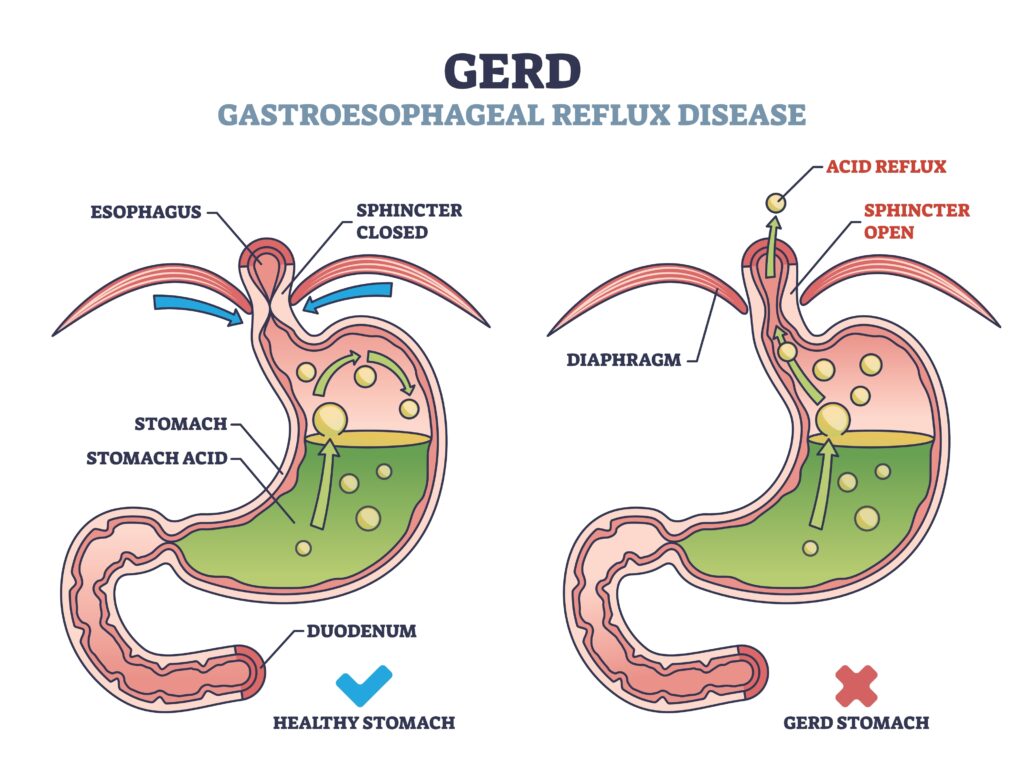
People experience chronic acid reflux, a condition in which stomach acid continuously backs up into their esophagus and throat. The problem is that over time, this acid can lead to inflammation and cellular changes that increase their risk of developing pharyngeal and laryngeal cancers. One case-control study of older individuals in the United States aged 66 years and older found that GERD was linked to a greater risk of developing malignancy of the hypopharynx, larynx, oropharynx, nasopharynx, and paranasal sinuses. Furthermore, according to studies, the evidence suggests that GERD patients also have a higher risk of lung diseases.
Viral Infections

HPV is not the only viral infection to be concerned about, as the Epstein-Barr virus (EBV) has been linked to nasopharyngeal carcinoma. The virus is able to remain dormant in the body for years, until it eventually starts contributing to malignant changes in the cells. Additionally, having a weakened immune system also increases your cancer risk, especially head and neck cancers. This can be due to HIV, chronic illness, or immunosuppressive therapy. For those in high-risk categories, it is important to go for regular screenings.
Delayed Diagnosis
Due to the fact that most people associate smoking with head and neck cancer, non-smokers tend to dismiss early symptoms of these types of cancer. This leads to a diagnosis when the cancer is already at its later stages, making treatments less effective. Therefore, doctors state that any subtle symptoms should not be dismissed, especially if they last for more than two weeks. The sooner these cancers are caught, the better the outcome and chances of recovery.
Genetics

While not as common as the other causes of head and neck cancer, certain inherited mutations can make some individuals more predisposed. If you have a close relative (first-degree) who developed throat, laryngeal, or oral cancer, there is more chance that the same can occur to you. This is particularly true if they developed it at a young age. Although you cannot change your genes, you can control your environment and lifestyle. Being aware of the other risk factors for head and neck cancer can help protect you from being affected.
Read More: https://theheartysoul.com/cancer-cells-self-destruct-pyroptosis-deep-sea-sugar/