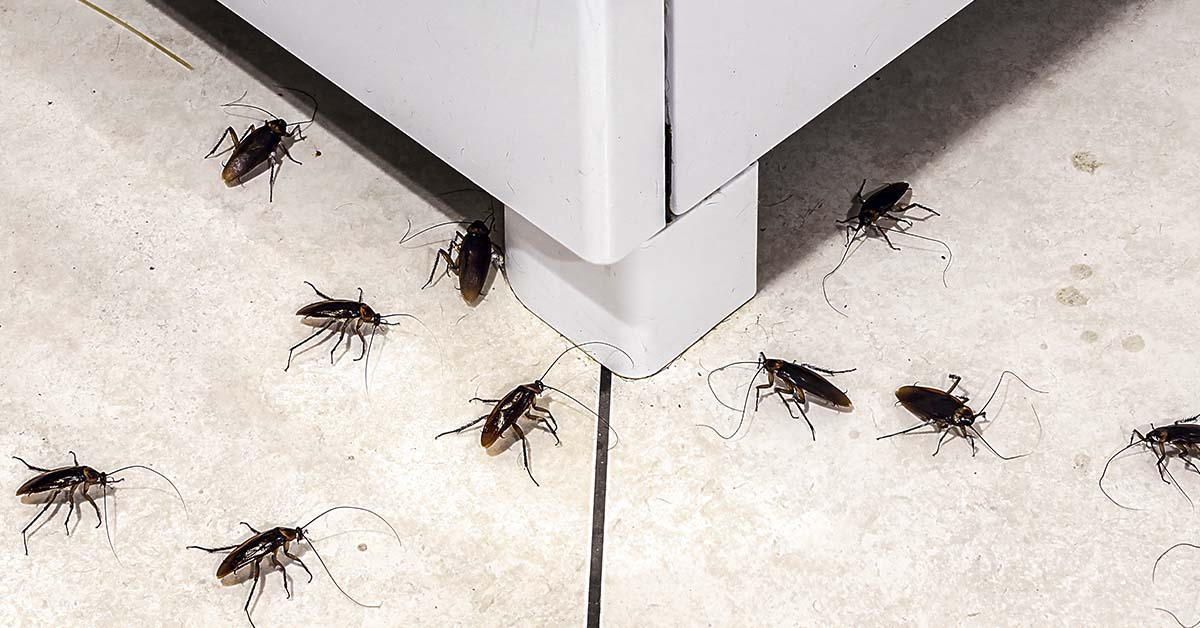

Rats and cockroaches have an important role in many of our cities and ecosystems. That being said, we usually aren’t very welcoming of them in our homes – and with good reason. They can carry disease, chew through walls, wires, and other home furnishings, and can generally create an unclean environment for living in. For this reason, if you find you have rats or roaches in your house, you will probably be looking for ways to get rid of them as quick as you can. There are plenty of conventional pest control options, however, many of us prefer natural pest control as a way to protect the health of our families. One natural pest control method that has recently gained some traction online is the cement and rice for rats and roaches method – but does it actually work? This is the truth.
Cement and Rice For Rats and Cockroaches in Your Home
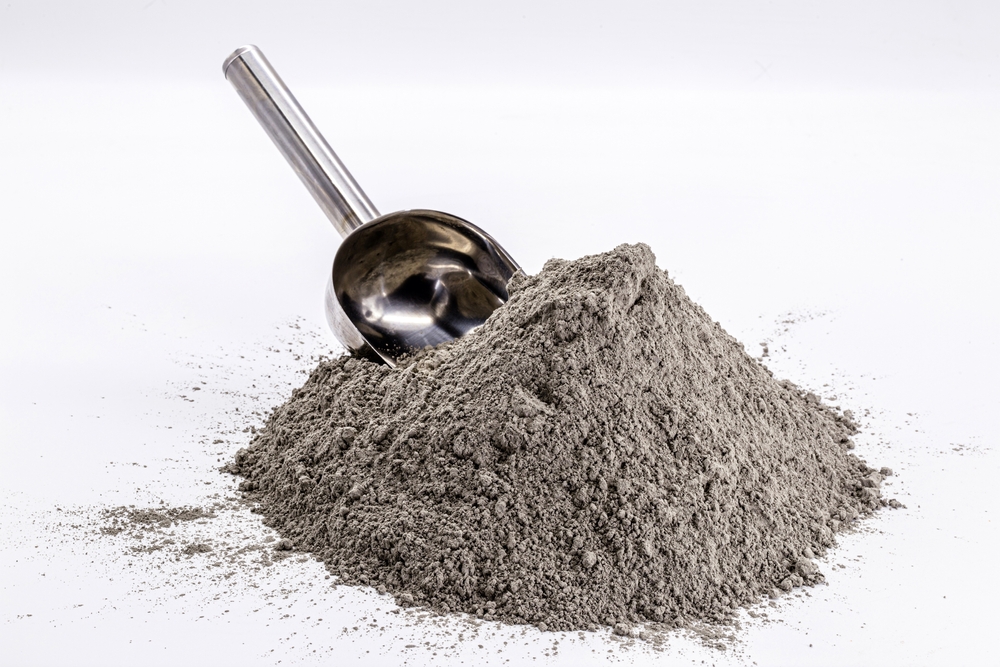
Take a quick look online and you’re likely to find a few sources that suggest something called the cement and rice method for getting rid of rats and cockroaches. This method involves mixing cement, usually Portland cement, with rice or other food attractants and putting in places where the rats and cockroaches are likely to come across it. The cement should be in powder form. The idea is that the rodents and roaches will consume it, from which point the cement powder will harden upon contact with water in their stomachs, causing fatal blockages to the creature.
Why People Try This
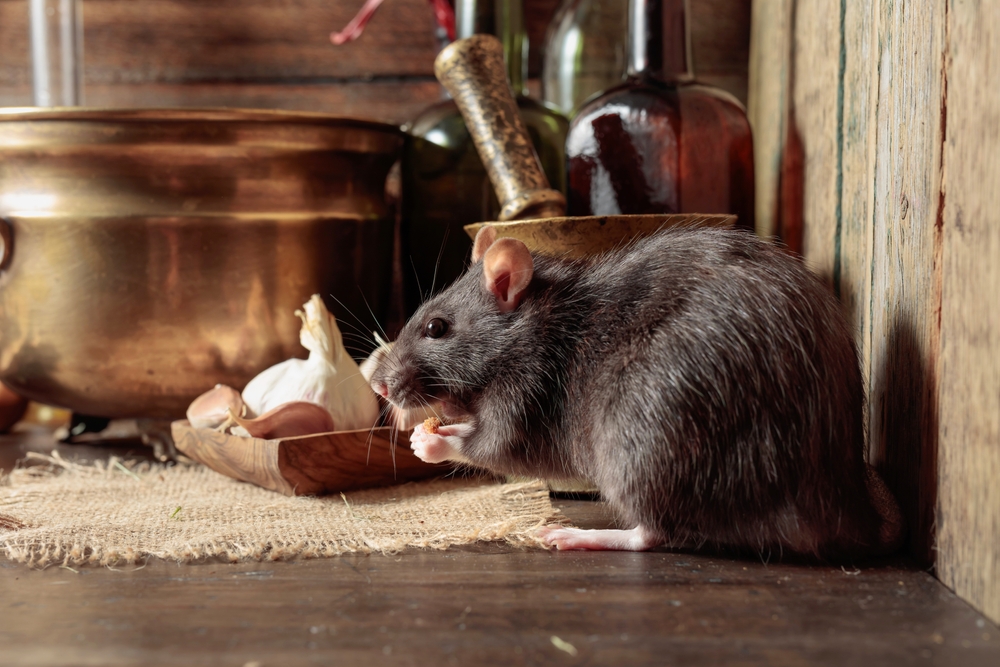
The assumption with this method is that the rodents and cockroaches will, in fact, consume the mixture without much hesitancy. The mixture then hardens in their stomachs and blocks up their digestive system. They will be unable to pass the cement and the internal blockages will eventually be fatal.
Read More: Amazing DIY Hack To Help Keep Spiders Out Of The House
The Scientific Reality
There are a couple of things that this theory tends to get wrong. The most prominent of these is the assumption that the creatures will eat the mixture. Rodents and cockroaches, however, are known to be cautious eaters. This is particularly when it comes to unfamiliar substances, such as cement. Already from the start, it is actually fairly unlikely that the pests will consume the mixture at all, consistently, or in sufficient quantities to actually cause the intended fatal blockages. Simply put, there is a significant lack of actual evidence to support the efficacy of this method.
An Inhumane Choice
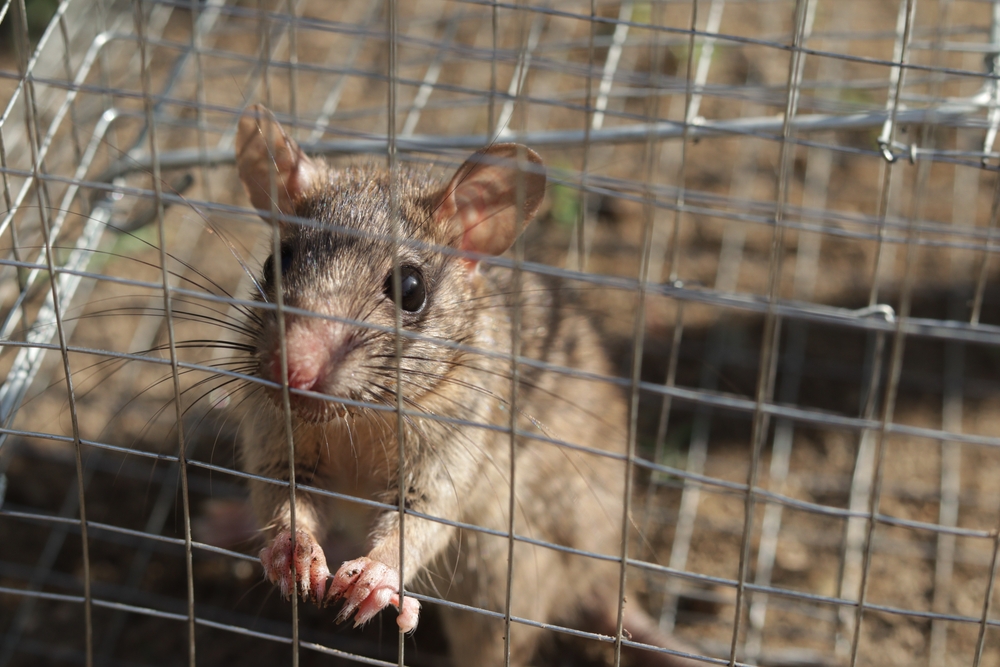
Apart from being inefficient, you can’t ignore the fact that it is incredibly inhumane. Advocating for the suffering from intestinal blockage as a means of pest control means that you are advocating for a slow, painful death for the animals. For the cockroaches, the ingestion of dry cement would actually have little to no effect at all. They would have to consume large amounts of it, which the insects usually avoid.
Better Alternatives
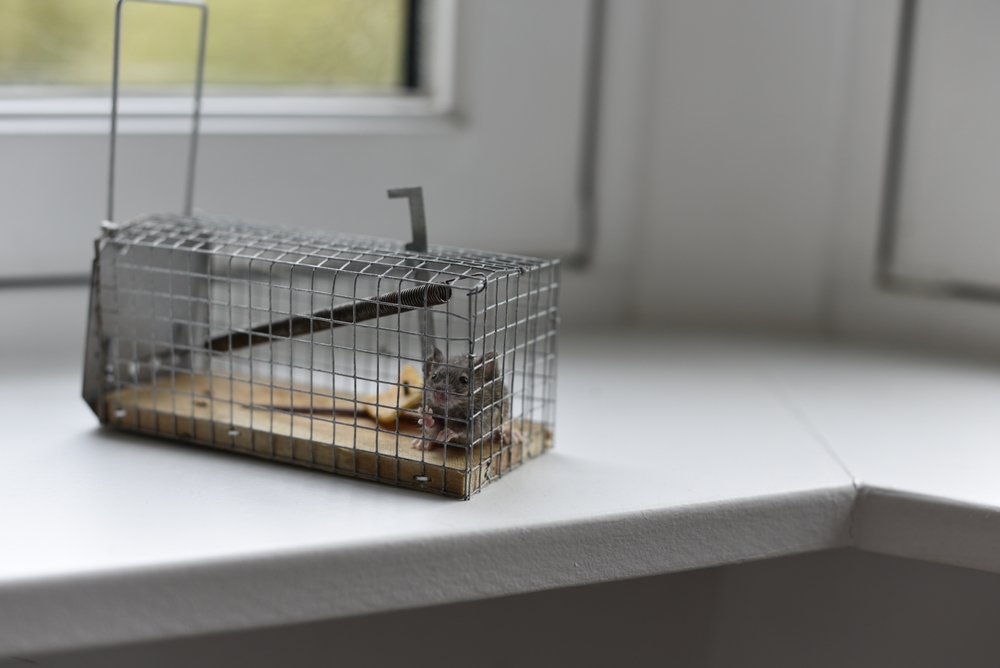
Thankfully, there are other alternatives for natural pest control that don’t involve unnecessary suffering for the animal. The methods used will depend on whether you are having a rodent problem, or an insect problem.
Read More: Dragonflies Can Devour Hundreds of Mosquitoes Daily — Here’s How to Attract Them to Your Yard
For Rats & Mice

For rats and mice, there are a few methods you can choose from depending on how you feel. Some of them do involve killing the animal, however, they are quick and humane. Others involve trapping them, but then you will be in charge of releasing them into the wild and hoping that they don’t find their way back. These methods include:
- Snap traps (quick and humane if used correctly)
- Electric traps
- Bait stations with approved rodenticides
- Sealing entry points and proper sanitation
For Cockroaches

For cockroaches, many of us tend to have a little less sympathy than for mice or rats. The following methods can be effective in getting rid of a cockroach infestation:
- Gel baits
- Insect growth regulators (IGRs)
- Boric acid or diatomaceous earth (used safely)
- Professional pest control if infestation is large
Read More: What Are Assassin Bugs, and What Do You Do If You’re Bitten By One?
Caution

No matter what method you use, you must exercise caution, especially if you have pets or children in the home. On top of this, depending on where your infestation is, you must be careful that you don’t pose a risk to other animal, insect, and plant life. Improperly made homemade poisons also may violate local laws or regulations, emphasizing the importance of using approved and humane pest control methods.
The Bottom Line
Ultimately, it’s important to rely on safe and effective pest control measures, as well as to consider the well-being of the animals involved, when looking for ways to clear your homes of rodents and unwanted insects. There are numerous alternative approaches for managing pests, and emphasizing prevention through proper sanitation and structural upkeep can limit infestations altogether. The cement rice method doesn’t hit any of these targets: It is neither safe, nor effective, nor humane. While the theory of it may appear logical on the surface, the scientific evidence and humane considerations dispute its effectiveness and ethicality. It is crucial to steer clear of such unreliable and inhumane methods and instead opt for safer and proper pest control measures.
Read More: 20+ Mosquito-Repelling Plants to Keep Your Yard Pest-Free