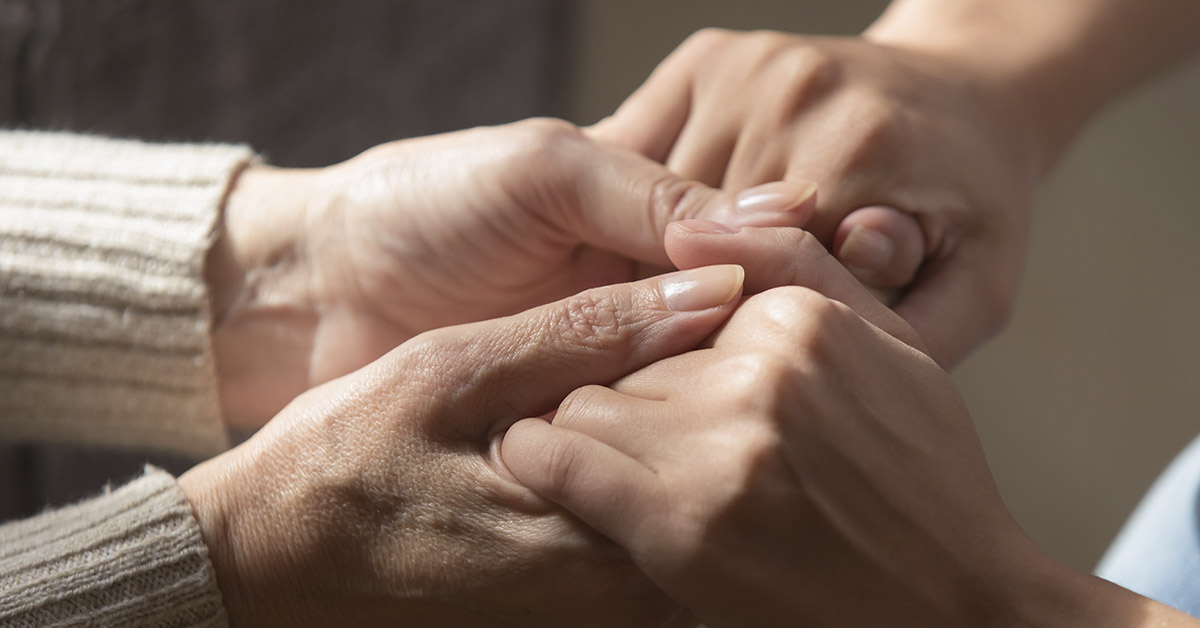

Body language can offer a lot of information during social interactions, but it is far from an exact science. Experts can explain the meaning behind certain behaviors and hand gestures, but context matters. For instance, they say that if you’re standing and talking to someone, look at their feet. If both feet are pointed toward you, they are engaged in the conversation. If one is pointed away, they’re don’t want to talk to you. Or they are more comfortable standing that way. Or they need the restroom. So you should look for other indicators they don’t want to chat, such as one-word answers and poor eye contact. People use nonverbal communication all the time without realizing it, and sometimes you can use it to determine if they are trustworthy or not.
The meaning of open hand gestures

When people show their open palms, others instinctively interpret this as a sign of honesty, receptivity, or transparency. They may also interpret the person as non-threatening. Anthropology research has documented this instinct in ancient people trying to avoid danger. To put it simply, if a hand is open, it’s not carrying a weapon, and therefore the person should be safe to approach. Therefore it’s a sign of vulnerability. Meanwhile, a closed palm can indicate deception, since it can be concealing a weapon or something else they don’t want seen.
Conveying honesty by accident

People don’t often intend to convey subliminal meanings through their body; they usually rely on communicating through their words, and sometimes deliberate hand gestures and facial expressions. However, body language can be used unconsciously and consciously. For example, people may not realize they are holding up their hands when saying, “Welcome!” or when they are defending themselves with “I didn’t do it”. Even a friendly wave signals approachability. And people trying to befriend animals show their hands to indicate they mean no harm.
Conveying honesty on purpose
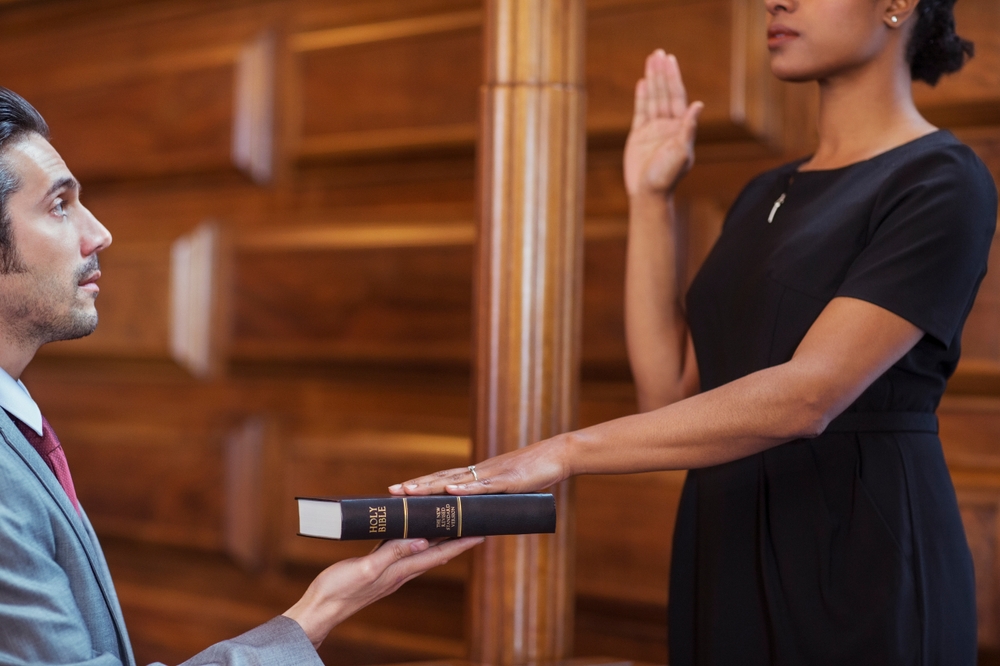
The open palm is also used intentionally. For example, people in court hold up their hands while swearing to tell the truth. Politicians and salesmen may employ open-hand gestures to seem more convincing, humble, and honest. And police officers tell detainees to “put their hands up” during an arrest. Like with our ancestors, the cops are ensuring they are not carrying any weapons. In this instance, the hand gesture is used practically, but it still follows the same evolutionary theory of body language.
Types of open hand gestures

There are many ways people can indicate openness and honesty with their hands. This can look like:
- Showing both palms (as if you’re giving something)
- Palms facing upward at a 45-degree angle while talking
- An open hand placed over the heart
- Hands up with the palms facing others
- Beckoning with a palm facing up
- Open arms as if embracing
- “Open triangle” where the fingertips touch but the palms are open
- Sitting with palms resting open on the lap
Types of closed hand gestures

Similarly, hidden hands can come in many forms to show “closed-off-ness” or potentially deceit. Look out for:
- Hiding their hands behind their back
- Keeping hands in pockets
- Crossing arms with their palms concealed
- Clenched fists
- Holding hands under the tables
- Carrying items to keep the hands covered.
Context matters

As mentioned before, body language is not an exact science; it’s more like guidelines than actual rules. Nonverbal behaviors can change depending on the person, culture, and context. For instance, people with neurodivergence may not follow typical social behaviors, explains Healthline. For instance, they may struggle to maintain eye contact, which others may interpret as rude. In the same vein, people with covered hands may not be behaving dishonestly. Rather, they might have their hands in their pockets because they are cold. If they are neurodivergent, they may hide their hands to mask stimming. Crossed arms is a common stance for people who feel defensive or disapproving. Clenched fists could be a way to control nervous fidgeting. Or they may be trying to cover sweaty palms, scars, or broken nails.
Cultural context matters
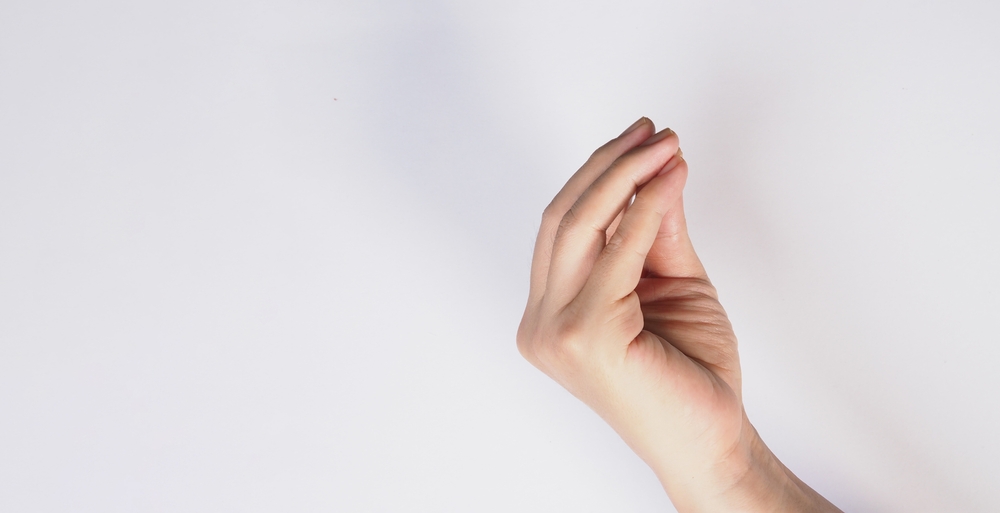
Hand gestures are an important aspect of any language, and they can come with different meanings depending on the culture. For instance, the pinched fingers gesture in Italian means “what do you want?” In India, it can be a way to ask if somebody is hungry. In Israel, it means “just wait a minute”. Similarly, an open hand may seem like a sign of honesty in Western countries. It can also be used to indicate “stop” or “hold on”. But in Greece, it’s an extremely offensive and dismissive gesture. Meanwhile, research from 2018 shows the palm-up shrug is pretty universal, although its origins are unknown. This further emphasizes how body language can be misleading, and there are always external factors to consider.
More signs of dishonesty
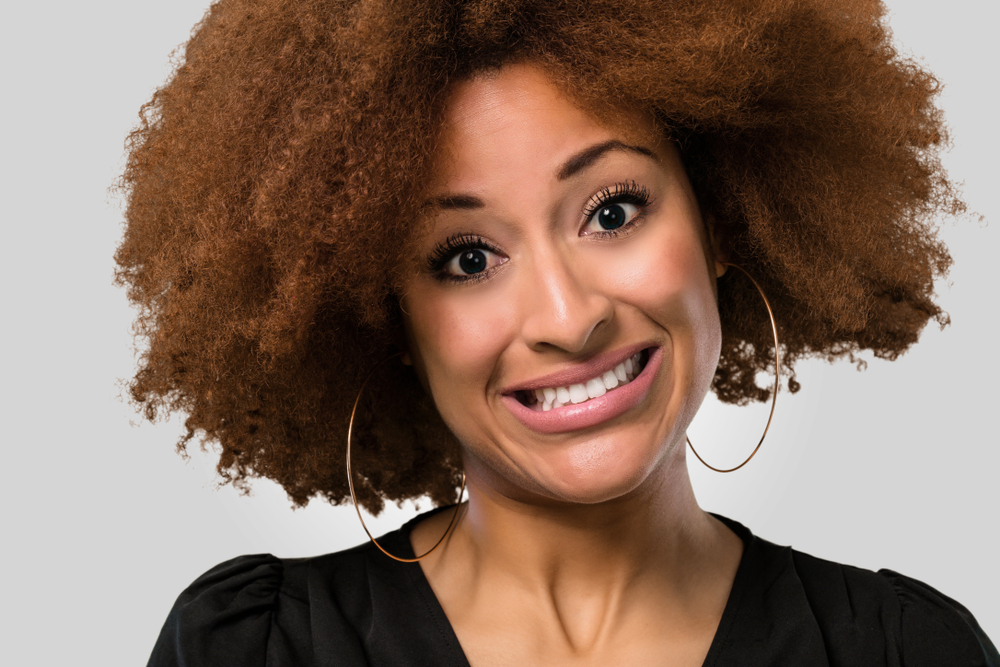
Aside from open or closed hands, there are other behaviors that indicate deceitfulness. Look out for indicators such as self-soothing habits like cracking knuckles or wringing hands. They can be signaling nervousness and/or deceit. Other examples include:
- Insincere smiles
- Rapid blinking
- Fidgeting
- Shallow or rapid breathing
- Frequently breaking eye contact
- Lip biting
- Hunched or closed posture
- Covering the mouth or face
- Stiff posture
- Blushing or sweating
- Gestures (like nodding or shrugging) that contradict spoken words
Give the benefit of the doubt
Just keep in mind that you can be on guard for body language that suggests deception, but don’t jump to conclusions without considering all the facts and possible reasons. In fact, a 2020 study called for courts to disregard “behavior signals when appraising credibility” because they found no strong association between these behaviors and actual deception. This is especially important since almost all signs of dishonesty overlap with signs of nervousness or anxiety. You can still use body language to protect yourself, but remember to give others the benefit of the doubt.
Read More: 11 Things Your Tongue is Telling You About Your Health