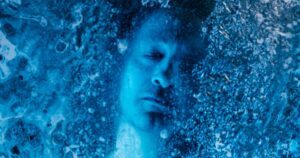
Denmark Grants Citizens Copyright Over Their Face, Voice, and Body to Fight AI
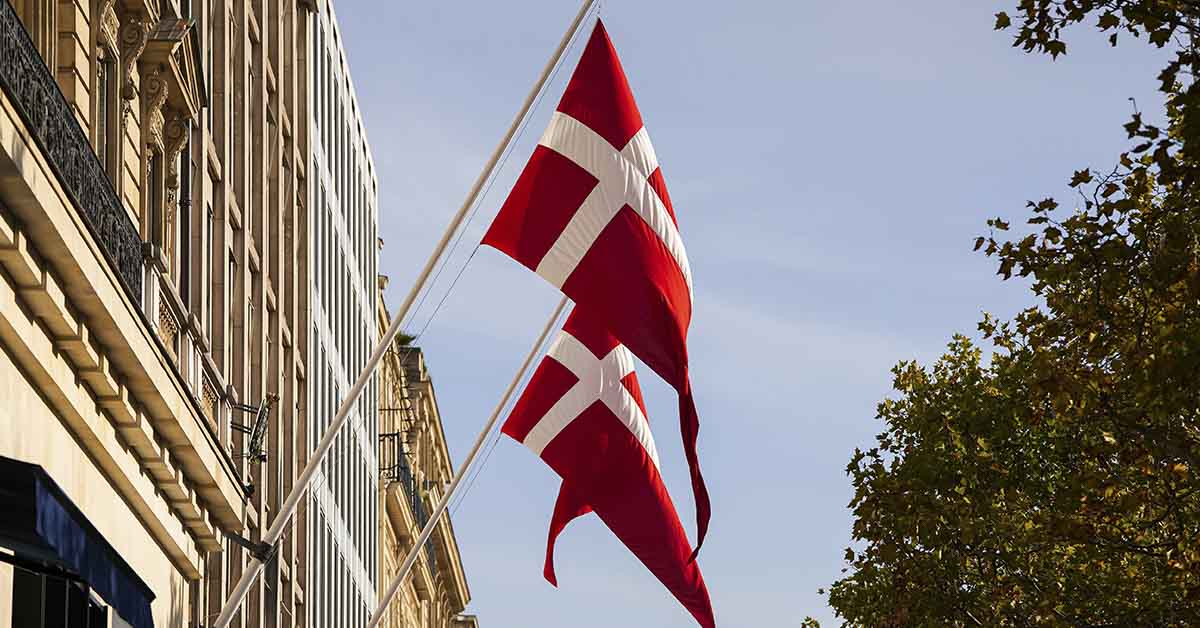
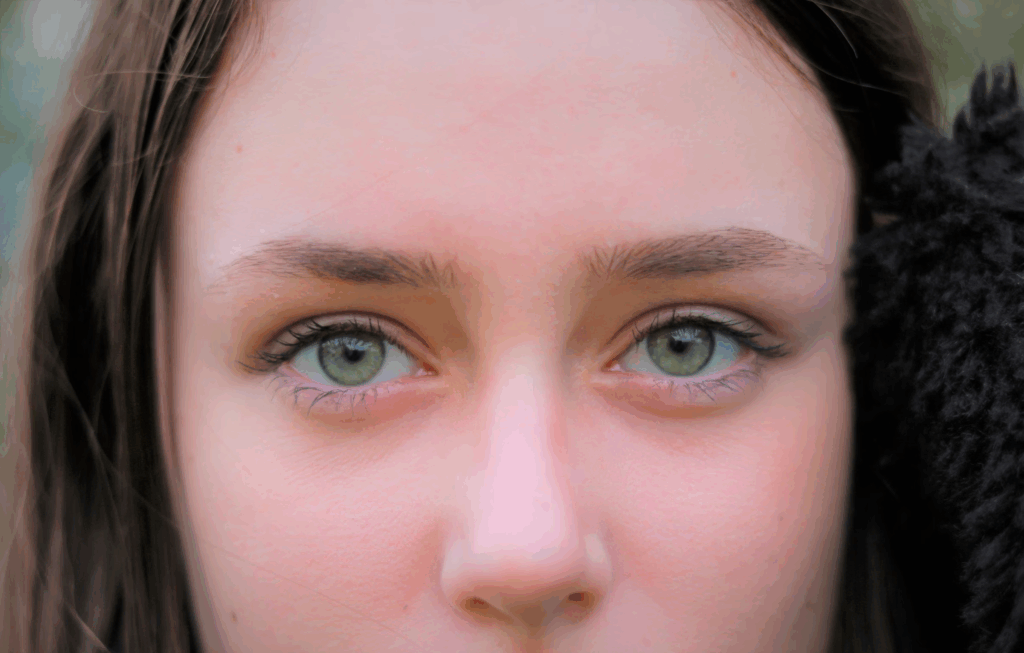
Denmark is moving forward with a bold idea that could reshape how people control their online identities. The government has introduced a proposal that would give citizens copyright-style rights over their face, voice, and body. If approved, this means that any unauthorized use of a person’s likeness could be challenged legally. The move is designed to target the growing risks of deepfakes and artificial intelligence technology. These tools are now capable of producing highly realistic copies of individuals without their consent. Danish lawmakers argue that people should have the same control over their appearance and voice as artists do over their creative works. The proposal is one of the first of its kind in Europe and could set a new global standard.
Why Denmark Feels This Law Is Necessary
The rise of deepfake technology has created serious concerns in many parts of the world. These computer-generated images and videos can place someone into a false situation with shocking accuracy. Some deepfakes are harmless jokes, but others can be used to mislead voters, humiliate individuals, or commit fraud. Denmark’s leaders believe that trust in what we see and hear online is at risk. If people cannot believe their own eyes, confidence in journalism, politics, and personal interactions suffers. By giving citizens copyright over their likeness, the country hopes to strengthen personal rights and defend democratic values. Officials also stress that the law is not just about technology but about restoring trust between people.
Credit: Unsplash
The Power to Demand Removal
Under the proposed law, every Danish citizen would gain the ability to demand the removal of deepfakes created without consent. If a person discovers a fake video of themselves circulating online, they would have the legal right to ask platforms to take it down quickly. If a company refuses, the individual could escalate the matter to regulators or even take legal action. In addition to takedowns, financial compensation could be sought in cases where the damage is severe. This creates a stronger safety net for victims who might otherwise feel powerless. Satire and parody would remain protected, ensuring that free speech and comedy are not stifled. Lawmakers believe this balance keeps the focus on harmful uses of deepfakes rather than legitimate expression.
Broad Political Support for the Plan
One unique aspect of this proposal is the widespread political agreement behind it. Reports suggest that nine out of ten members of Denmark’s parliament already support the framework. The government’s Culture Ministry has been leading the effort, with the expectation of submitting the final bill later this year. Public consultation is part of the process, allowing citizens and organizations to weigh in before the law is finalized. If everything goes according to plan, the law could come into effect by the end of 2025 or early 2026. Denmark’s leadership within the European Union also makes this move especially significant. If successful, it may encourage other European countries to adopt similar measures. This would give the proposal an impact far beyond Denmark’s borders.
Protecting Against Election Manipulation
One of the biggest fears around deepfakes is their potential influence on elections. A realistic fake video of a candidate could spread online and reach millions before it can be debunked. Even if corrected later, the damage to trust may already be done. Denmark is keenly aware of this risk and views the law as a form of democratic defense. By giving people ownership of their likeness, the law makes it harder to weaponize identities for political gain. This is especially important in an era where disinformation campaigns are common. Protecting elections means protecting the foundation of democracy itself. Lawmakers argue that safeguarding digital identity is now as vital as safeguarding voting booths.
Credit: Unsplash
The Role of Big Tech Platforms
Technology platforms are at the center of the debate since they are the main distributors of online content. Under Denmark’s proposal, platforms would be responsible for removing unauthorized deepfakes when requested. Failure to comply could result in heavy fines or regulatory action. This raises questions about how companies like social media giants will manage the workload. Many already use automated tools to detect manipulated content, but enforcement can be uneven. Denmark’s law would put more responsibility on platforms to prioritize user rights over convenience. Critics warn that smaller platforms may struggle with compliance, but supporters believe accountability is overdue. For Denmark, protecting individuals outweighs the burden placed on technology firms.
Comparing to Existing Laws
Other countries already have some protections against digital impersonation, but Denmark’s proposal is unique. In the United States, for example, some states have passed laws banning deepfakes in specific contexts such as pornography or elections. However, these laws often lack broad enforcement powers or clear definitions. Denmark’s approach ties likeness directly to copyright, making it a personal right that can be defended in court. This creates stronger protections than simple privacy rules or defamation laws. Legal experts note that the proposal gives clear ownership rather than vague protections. If adopted, it could become a model for international legislation. The European Union has been watching closely as it considers broader rules on artificial intelligence.
Addressing Concerns and Criticism
Not everyone is convinced that Denmark’s plan is perfect. Some critics argue that enforcing these rights globally will be nearly impossible. The internet does not stop at national borders, so deepfakes created outside Denmark may still circulate freely. Others worry about conflicts with freedom of speech or artistic expression. While parody and satire are protected, drawing the line between harm and humor is not always simple. Enforcement will require careful oversight and constant adjustment as technology evolves. There are also concerns about how courts will handle claims, especially if multiple cases flood the system. Despite these challenges, supporters believe the benefits outweigh the difficulties.
Credit: YouTube/Firstpost
A New Way of Thinking About Identity
The proposal also represents a deeper shift in how society views personal identity. Traditionally, copyright has protected music, writing, art, and film, but not a person’s physical features. Denmark’s plan treats a person’s image and voice as works of art in their own right. This gives individuals the same legal protections that creators enjoy for their intellectual property. For many, this feels like common sense in a digital world where personal identity can be copied at will. It signals that governments are starting to value personal data and likeness with the same seriousness as other creative works. This cultural change could spread to other countries and reshape online interaction. Identity is no longer just personal, it is now legally protected property.
The Road Ahead
For now, Denmark’s copyright proposal remains in the consultation and legislative stages. Lawmakers will need to refine the bill and address concerns from citizens, tech companies, and legal experts. If passed, it will take time to implement and test the enforcement mechanisms. Success will depend on cooperation between government agencies, technology platforms, and individuals reporting violations. The proposal is ambitious, but it may prove necessary in a time when digital manipulation is growing rapidly. If Denmark succeeds, it will mark a turning point in how societies adapt to artificial intelligence. The law could set a global example for protecting personal identity in the 21st century. Many will be watching closely to see if this bold plan becomes a reality.
Disclaimer: This article was created with AI assistance and edited by a human for accuracy and clarity.