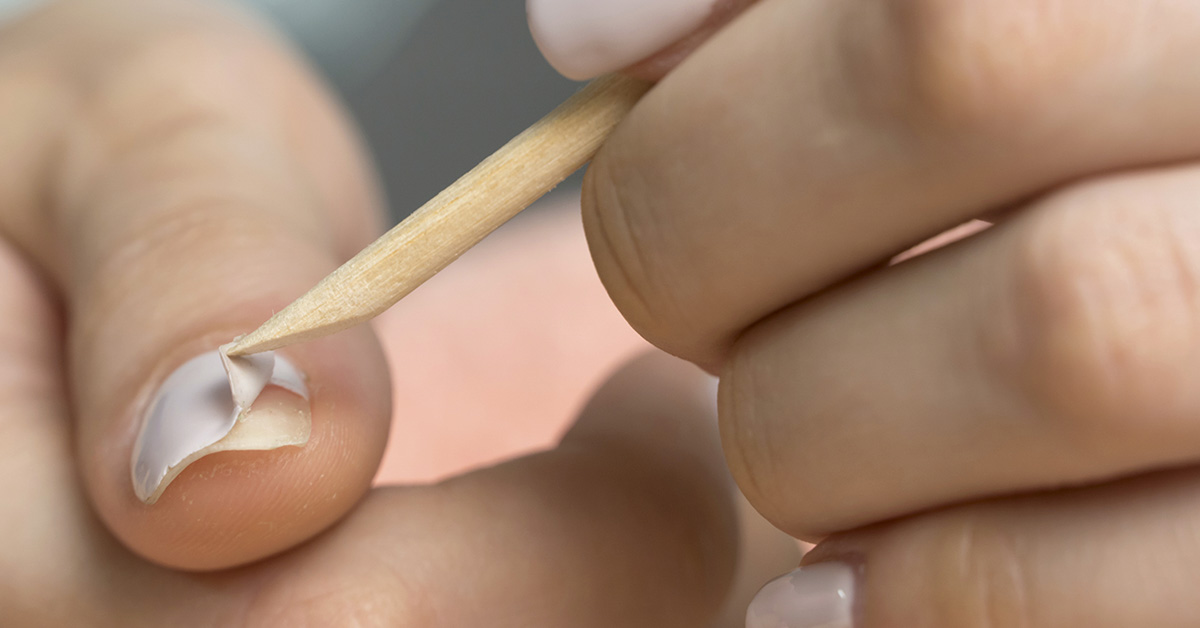

Starting September 1, 2025, the European Union (EU) has implemented a ban on an ingredient commonly found in gel nail polish. Get ready, because it’s a bit of a mouthful: trimethylbenzoyl diphenylphosphine oxide. If you’re having trouble wrapping your brain around the word, you can also just call it TPO. This move, driven by health concerns, contrasts sharply with the current stance in the United States, where TPO remains unregulated. Here’s a breakdown of the reasons behind the EU ban and why the US is taking a different approach.
What Is TPO and Why Is It Used in Gel Nail Polish?
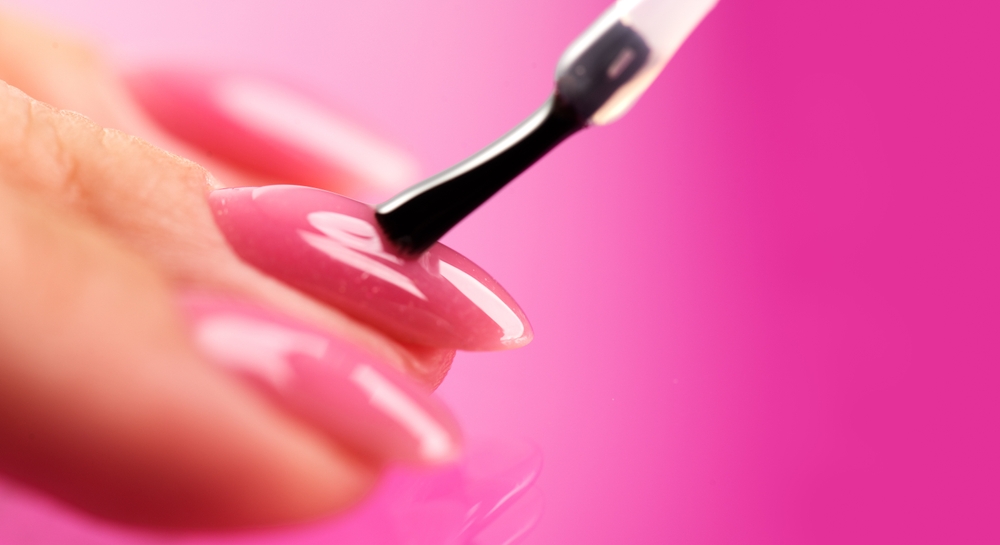
TPO is a photoinitiator ingredient that gives gel nail polishes their signature super glossy sheen. It is also responsible for gel polish’s ability to dry so quickly when cured under UV or LED light. Since the 2000s, gel nail polish has gained widespread popularity for its durable, chip-resistant, high-shine finish that can last for several weeks. This far outlasts traditional nail polish, which can often chip before you even leave the salon.
While not all gel polishes contain TPO, many professional-grade formulas rely on it for the features that people get gel nails for. Again, this is durability, shine, and quick-drying. TPO is also used outside of cosmetics, for example, in dental fillings, underscoring its widespread application.
Why Did the EU Ban TPO?
The EU’s decision to ban TPO entirely from cosmetics stems from a precautionary approach to safety. Several studies – mostly involving animal subjects – have linked TPO to serious health concerns. These include fertility issues and adverse effects on reproductive health. The EU classifies TPO as “carcinogenic, mutagenic, or toxic to reproduction”.
Dr. Hannah Kopleman, a dermatologist, highlights that despite a lack of large-scale human studies proving harm, the EU chose to act out of an abundance of caution. This aligns with the EU’s history of banning certain chemicals considered risky, even when such substances remain legal in the US.
“The European Union is banning it out of caution, since even though we don’t yet have large-scale human studies proving harm, the potential risks were enough to warrant stricter regulation,” said Dr. Kopleman, a dermatologist at DermOnDemand.
Prior to the ban, the EU allowed TPO in professional nail products at a maximum concentration of 5%, but as of September 1, the sale, marketing, and use of TPO-containing cosmetics are prohibited completely. Nail salons were advised of this change in May 2024, in order to give them time to use up current stock and replace it with new, non-TPO-containing products. Any product leftover as of September 1st was to be discarded immediately.
Why Is the US Not Following the EU’s Lead?

In contrast, TPO is currently unregulated in the United States. The US has not implemented similar restrictions for a few primary reasons. These include:
- The main evidence against TPO comes from animal studies, and there is limited definitive human research showing significant harm.
- Regulatory agencies tend to require stronger proof of risk before banning ingredients used in everyday cosmetics.
- The market for gel nail products is large, with over 100 million US women using nail products and many manufacturers offering TPO-containing options.
All of that said, concerned consumers in the US do have options. Several gel brands offer TPO-free alternatives. These include OPI-s Intelli-Gel system, Manicurist, Apres Nail, Nail Creation, and Aimeili. If you are concerned about TPO, call around to nail salons and find out what products they offer.
Read: 15 Foods To Eat More of For Healthy Hair and Nails
Additional Health Considerations for Gel Nail Users
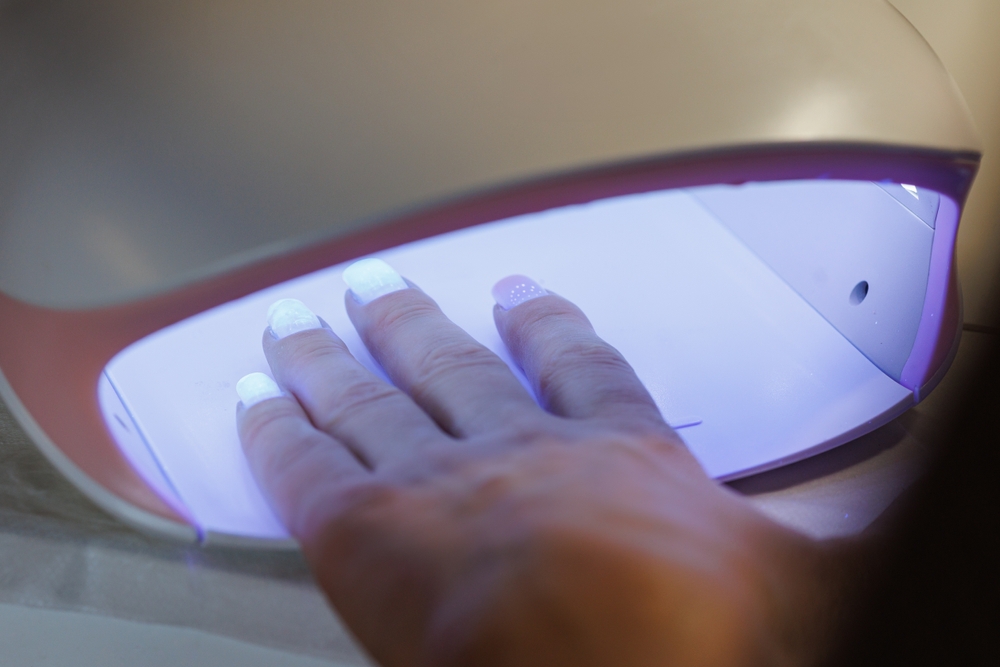
Unfortunately, TPO exposure isn’t the only risk associated with gel manicures. There are other health risks, as well. These include:
- UV light exposure: The curing process for gel nails involves UV or LED light, which may increase the risk of skin cancer.
- Nail damage: Thinning or weakening of the nail plate is possible before gel application.
- Bacterial infection: Allowing gel nails to “grow out” without proper care can create gaps where Pseudomonas bacteria (known as “greenies”) may cause infections that discolor nails and potentially lead to serious health issues in immunocompromised individuals.
The Bottom Line
The EU’s ban on TPO in cosmetic nail products reflects a precautionary regulatory philosophy prioritizing public safety amid emerging scientific concerns. Meanwhile, the US maintains a more measured approach, awaiting stronger human-focused evidence before regulation. Consumers in both regions are encouraged to be informed and cautious when selecting nail products and to seek TPO-free options if they are concerned about potential health risks.
Read More: The Hidden Health Risks of Gel Manicures