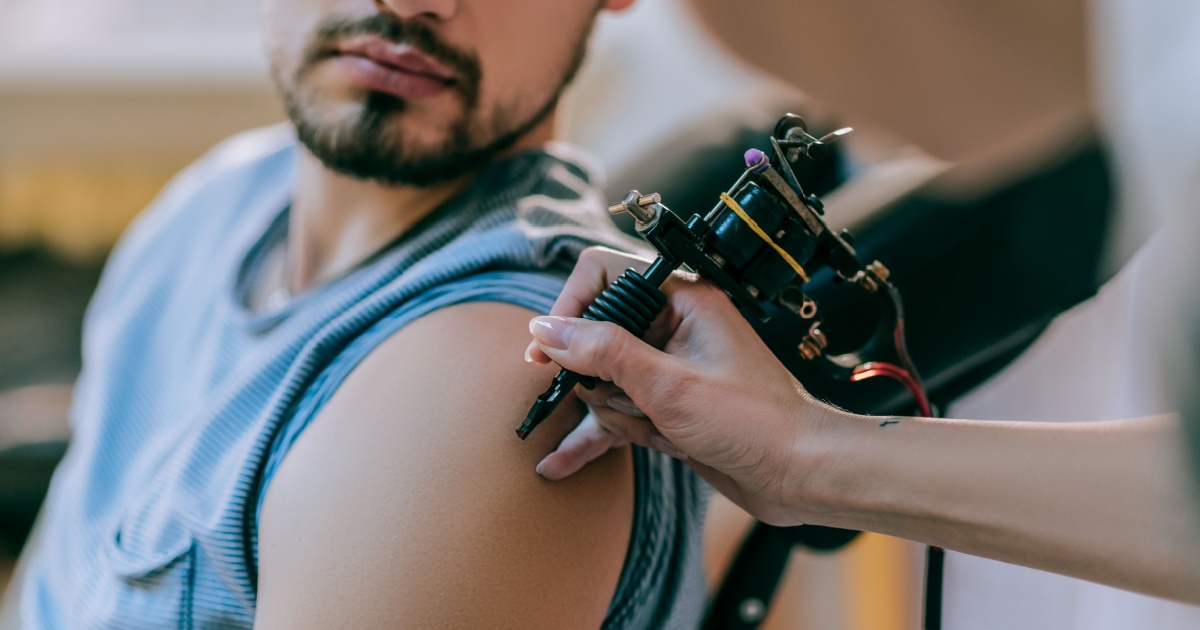

Humans have been getting tattoos since at least 3000 B.C. However, inks and techniques have changed considerably over the centuries. While the typical environment where you get tattooed is likely far more sterile and professional than in the past, there are potentially certain health risks that you may experience. For example, it is not unheard of to have an allergic reaction to a pigment or to experience an infection. Recent studies have also indicated a possible link between tattoos and cancer risk.
The Study on the Link Between Tattoos and Cancer Risk
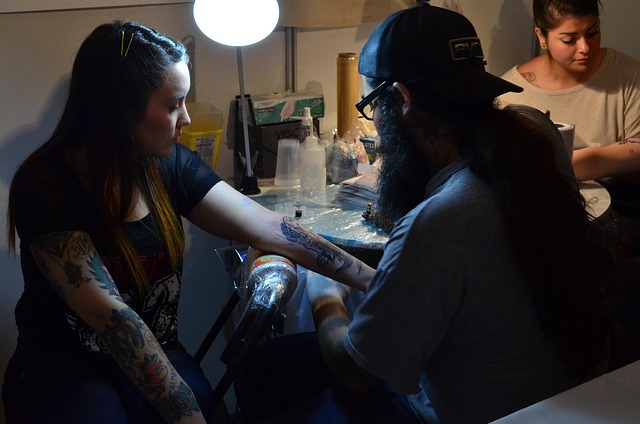
The recent studies have suggested that people who get tattoos are at a higher risk of developing various cancers, such as leukemia, lymphoma, and skin cancers. The research is still in its early stages, so there are still many unknown factors, such as what causes this link. According to an epidemiologist at the International Agency for Research on Cancer, Rachel McCarty, “We’re not going to know the answer to that for years.” However, since around 1 out of every 3 Americans has tattoos, people should be made aware of the potential risks involved.
While it may seem like we should have plenty of evidence, considering how long we have been decorating ourselves with ink, the techniques and inks themselves have changed over the years. For example, traditional stick and poke tattoos took considerably longer to make than modern machines. Therefore, the tattoo surface tended to be much smaller. Additionally, more ink enters the skin when using modern tattoos. Traditional dyes were also completely organic, whereas today’s inks are often a mixture of compounds. This includes various emulsifiers, solvents, antifoam agents, binders, and preservatives.
Several of these compounds are known to have associated health risks and have been found in almost half of the inks used for tattooing in Europe. One of those compounds is polycyclic aromatic hydrocarbons, which also happens to be the main carcinogen in cigarette smoke. Additionally, 8% of inks made in Europe were found to contain chromium, lead, and arsenic. They were also found to contain azo pigments, which can release aromatic amines that cause cancer.
More Regulation Needed
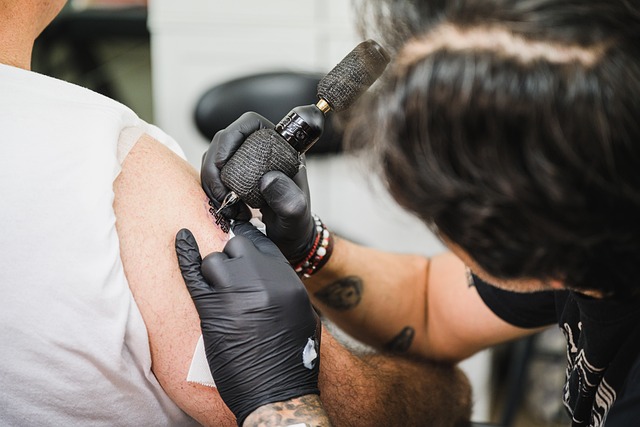
Additionally, these numbers don’t mean that American brands are safer; the European inks were just the most recently studied. It is very possible the American inks contain the same compounds; they are just subject to far less regulation. While the European Union has regulated the chemicals in permanent makeup and tattoo ink since 2022, no such regulation currently exists in the United States. In the U.S., tattoo inks are classified as cosmetics. Therefore, they have not been approved for injection by the FDA. Research into the potential link between tattoos and cancer risk began after Dr. McCarty received a call from a hematologist at the University of Utah Huntsman Cancer Institute, Dr Paul Shami.
According to the doctor, more and more of his leukemia patients seemed to have tattoos. However, he wasn’t sure if this was simply because more people were getting inked or if there was something more to it. For the study, the researchers analyzed 820 cases of cancer and found that people with tattoos could have a higher risk of developing non-Hodgkin lymphoma. Additionally, they found that people who got their tattoos before age 20 had a higher risk of developing certain rare blood cancers.
Another Danish study recently found that if your tattoo was larger than the palm of your hand, you had double the lymphoma risk of someone without tattoos. However, these studies can only indicate a link and do not reveal any potential cause, as they are observational studies. But the team does have a theory. As McCarty stated, “It’s been well documented that the inks don’t remain fully in the skin. They get transported through the lymphatic system and accumulate in regional lymph nodes. That’s really one of the key parts of our hypothesis for why tattooing could potentially cause lymphomas.”
The Bottom Line
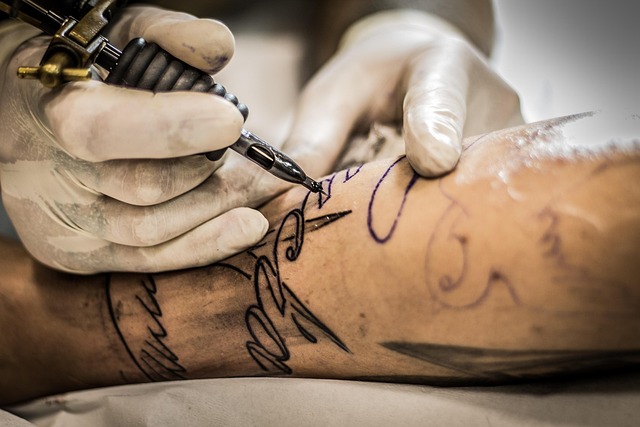
Not only may certain inks increase cancer risk, but they can also make a cancer diagnosis harder. If you don’t have any tattoos, it is typically easier to notice any changes on your skin. One study found that if the cancer starts on inked skin, the prognosis is usually worse. This is likely due to the fact that the diagnosis was delayed. If you are planning on getting a tattoo, it is important that you choose a location with a good reputation and hygiene standards. This is because infections can increase your risk of developing lymphoma. If you are on the fence, then give it some time. The researchers are now running several large studies to find out more about the potential link between tattoos and cancer risk. They hope to have reliable results from these studies in the next three or four years.
Read More: Model Says She Struggles To Get Employment With 99% Of Her Body Tattooed