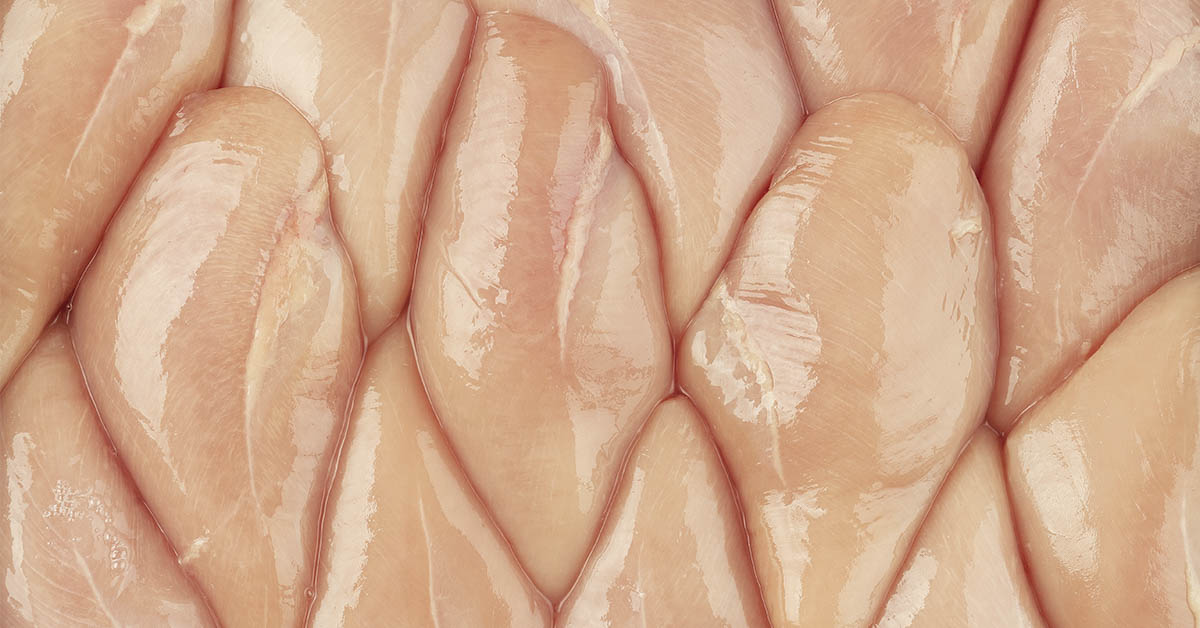

Have you ever noticed the range of options regarding the preparation of your steak offered to you at a restaurant? From rare to well done, and gradients in between, everyone seems to have their preferred level of rareness. Even seafood restaurants will have a choice between cooked seafood dishes and raw sushi. However, when it comes to chicken, you are presented with many different dishes, but no choice in how thoroughly cooked it is. In fact, they tend to cook it as much as possible without affecting the texture or taste. Yet the reason you don’t find rare chicken on the menu is quite straightforward: no business wants to risk being liable for food poisoning. So, why can some food be eaten raw or rare, and others must be properly cooked? Let’s explore that question in greater depth below.
Why You Shouldn’t Ever Eat Rare Chicken
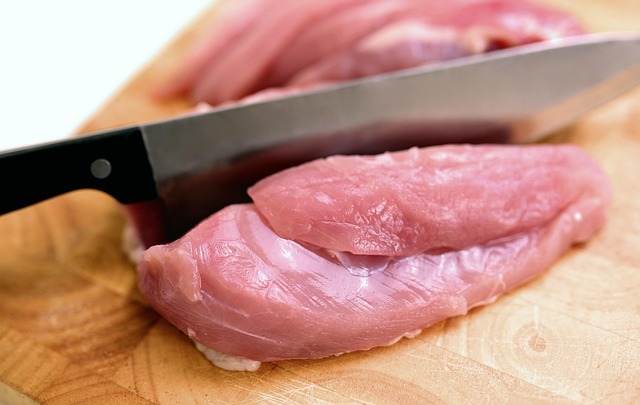
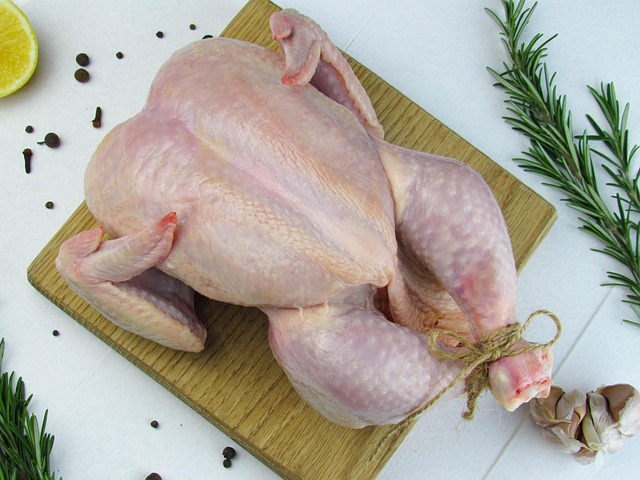
According to the CDC, chicken provides ample nutritional value when properly prepared, yet eating raw or rare chicken can be contaminated by germs such as Clostridium perfingens, Campylobacter, or Salmonella. Additionally, you can also fall sick from consuming other drinks or foods that have been contaminated by raw chicken or the juices that come from them. However, since steaks are single cuts of the animal’s muscle, they can be consumed raw.
This is because any bacteria present when the meat is handled or slaughtered are typically only found on the meat’s surface. When this meat is seared at very high temperatures, the bacteria are burned off, leaving the rare meat inside safe to consume. While you can also prepare chicken in single pieces, the structure of chicken meat is far more porous compared to a piece of steak. This allows the bacteria to penetrate far deeper into the tissue. Therefore, your chicken should always be cooked all the way through if you wish to avoid falling ill.
One of the Most Common Types of Food Poisoning
According to ClevelandClinic, over a million Americans get Salmonella poisoning annually, with 26,500 of those requiring hospitalization. Additionally, around 420 of those individuals die due to Salmonella food poisoning. The symptoms typically emerge anywhere between a few hours and a few days after exposure to the bacteria. The symptoms include a fever, stomach pains and cramps, diarrhea, nausea, vomiting, and headaches.
It is not only chicken that carries the bacteria, but it can also be picked up when consuming eggs, seafood, unpasteurized milk, and contaminated fruits and vegetables. You can also be exposed when dealing with potentially contaminated animals, such as certain amphibians, reptiles, birds, farm animals, and domestic pets. However, while any uncooked food can be potentially contaminated with the bacteria, most people pick it up from eating undercooked chicken or eggs. It is impossible to detect just from smelling it, as Salmonella doesn’t have an odour.
Foods that Can be Eaten Raw
Popular raw meat dishes include steak tartare and beef carpaccio. However, it is best to make sure that it is eaten at a restaurant that only uses high-quality meat and is prepared by an experienced chef. There are many foods that can safely be eaten raw. Lentils are another great source of protein and can be eaten raw if left to soak overnight. Wild rice can likewise be consumed raw if soaked for three days. Fermented foods such as sauerkraut and kimchi are also fine to consume raw, as are raw nuts and seeds. People who follow a raw food diet typically eat raw fruits and vegetables, nut milks, seaweeds, dried fruits, coconut milk, and raw nut butters.
Then there are the popular raw seafood dishes available, such as suchi, sashimi, poke, ceviche, and soused herring, to name a few. However, eating raw seafood also has its potential risks, including getting infected with liver flukes, tapeworms, and roundworms. According to Healthline, raw fish may also potentially contain higher levels of pollutants. Farmed fish, such as salmon, can also accumulate persistent organic pollutants (PoPs). You can minimize these risks by only eating raw fish that has been frozen for a week at -20 degrees Celsius. Only source your fish from reputable suppliers and make sure it smells okay before preparing it.
Read More: Man is Eating Raw Chicken Daily to ‘See What Happens’
The Bottom Line
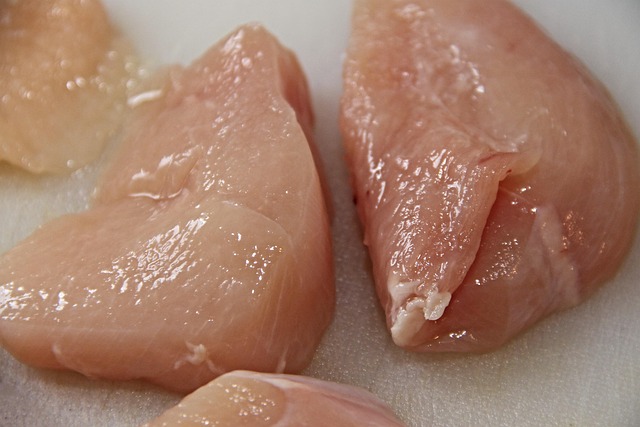
There are many types of foods that you can consume raw without any fear of poisoning or contamination. This includes properly cleaned and prepared fruits, vegetables, certain seafoods, and meats. However, rare and raw chicken should not be considered one of those foods, as they carry the risk of being exposed to and contaminated by a range of bacteria and parasites. Even when consuming foods that are regarded as safe to eat raw, they must be properly stored and handled; otherwise, they may be contaminated or go off. Always make sure that you only eat rare or raw dishes at establishments with a high level of hygiene.
Read More: Scans Reveal Parasite-Infested Body of Woman Who Ate Large Amounts of Raw Pork for 10 Years