

Back in the late 1800s, medicine didn’t have all the answers. People died from infections that today we might cure with pills. And then there was Niels Ryberg Finsen, a doctor from Denmark, who thought sunlight itself could heal. He wasn’t wrong either. Known as the doctor who healed with sunlight, he proved light could be medicine. His ideas ended up changing treatments forever., and we still use his work today in ways he he probably never imagined.
Early Life of Niels Ryberg Finsen
Niels Ryberg Finsen was born on December 15, 1860, in the Faroe Islands. His dad was the governor there, which sounds fancy, but young Niels was often sickly and weak. He suffered from Niemann-Pick disease, which left him tired most of his life.
Still, he wanted to learn. Later on, he studied medicine at the University of Copenhagen. At first, it didn’t go well. Teachers thought he lacked talent. But somewhere in the struggle, he found his niche. He studyed how the body worked and how outside forces like light might change it. That’s when he started getting curious about sunlight, and not just as something that made the day brighter.
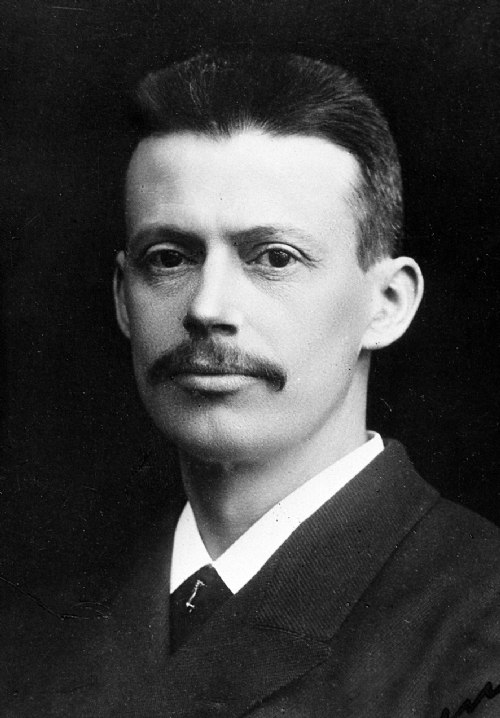
A Doctor Who Looked at the Sky
Tuberculosis was a killer back then, and it wasn’t just in the lungs. People got lupus vulgaris, a form of skin tuberculosis, which scarred and ruined lives. There were almost no good treatments. Finsen, sick as he was, looked outside the usual box. He believed sunlight could help.
After tests and a lot of tinkering, he found that blue light, the short rays at the edge of the spectrum, killed bacteria and even encouraged the skin to heal. So he built lamps, with lenses to filter heat, so only the healing light hit the skin. Patients with ugly skin lesions started to get better and word spread fast.
By 1896, he opened the Finsen Medical Light Institute in Copenhagen. People came from far away, desperate for hope. Thousands found it in his treatments, and the world finally started to take him seriously.
Winning the Nobel Prize
His work gained attention beyond Denmark. In 1903, Niels Ryberg Finsen won the Nobel Prize in Physiology or Medicine. He was the first Scandinavian to do so. It was recognition not only of his invention but of the fact that light therapy was now part of modern medicine.
But the prize didn’t change his health. He was very sick, wheelchair-bound, and he passed away only a year later in 1904. He was just 43. Even so, Dr. Niels Ryberg Finsen left behind more than most people do in twice that time.
Looking Back at Light Therapy
Of course, Finsen wasn’t the first person to think sunlight mattered. Cultures long before him already knew. Egyptians bathed in sunlight as therapy. Ancient Greeks, including Hippocrates, suggested sunshine as medicine. Even Ayurveda in India put light into balance with body and soul.
But what Finsen did was turn belief into science. He showed that light was not just “nice” but that it could be controlled, directed, and used in a medical way. That was the real shift.
Benefits of Light Therapy
What does light therapy really do? Here are some of the proven benefits discovered by Niels Ryberg Finsen:
Healing Skin
Finsen’s first big win was treating lupus vulgaris. Now, doctors use UV light for things like psoriasis, eczema, and acne. Controlled doses stop inflammation and calm down the immune system in the skin.
Lifting Mood
Winter blues is real. Seasonal affective disorder (SAD) makes people tired and sad. Lamps that mimic daylight trick the brain into better balance, raising serotonin and regulating melatonin. People sleep better and feel more alive.
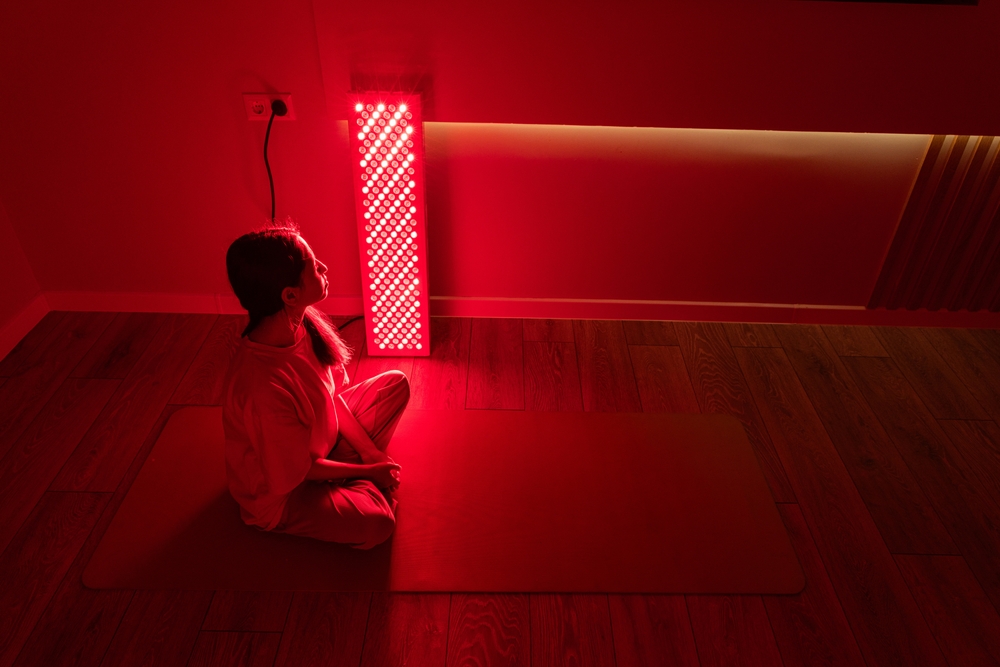
Keeping the Body Clock
Our bodies run on circadian rhythms, and light sets the schedule. Without enough morning light, the clock drifts. That’s why light therapy helps shift workers, travelers, and people who just can’t sleep well.
New Experiments
Scientists now explore if light might help brain diseases like Alzheimer’s. The research is early, but it suggests light does more inside the body than we ever thought.
Modern Light Therapy
Nowadays, light therapy looks a lot more advanced than the glass lamps in Copenhagen that Niels Ryberg Finsen used. Machines can now target exact wavelengths and control intensity with precision.
Dermatology
Skin doctors use narrowband UVB for psoriasis and vitiligo. It’s safe and helps calm symptoms without strong drugs.
Seasonal Affective Disorder
People buy SAD lamps for home use. Sitting in front of one for 20 to 30 minutes daily can change mood and energy during dark months.
Red and Infrared Light
This type has exploded in popularity. Athletes use it to heal muscles. Clinics use it for anti-aging treatments. These deeper rays help repair cells and reduce inflammation.
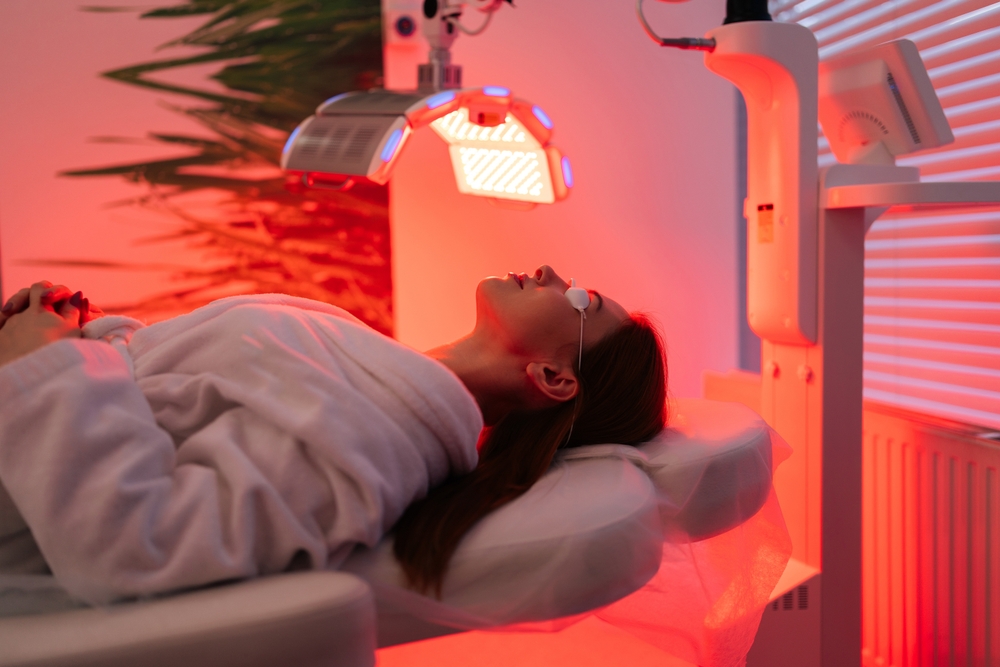
Blue Light
Dentists use it to harden fillings. Surgeons use it to sterilize equipment and reduce infections. It’s a reminder that light in medicine isn’t limited to one color.
The Limits
Of course, light therapy isn’t magic. Too much UV light damages skin and raises cancer risk. That’s why treatments need proper supervision. Plus, not every patient responds the same way. Some need a mix of medication and light.
At-home lamps can also disappoint if people misuse them. Sitting too long or not using the right strength won’t help. That’s why guidance matters, even now.
A Doctor Who Suffered Himself
There’s something almost poetic in how Niels Ryberg Finsen, always sick and tired, dedicated himself to easing suffering. He knew what weakness felt like. That empathy came through in his work and his patients noticed it.
People described him as quiet, reserved, and serious, but also deeply committed. Even while trapped in a wheelchair, he never stopped working. His personal pain gave him drive, and maybe that’s why he changed lives the way he did.
Today, every phototherapy lamp or mood light connects back to his work. Modern treatments for skin, mood, and recovery owe a piece of their existence to Finsen’s vision. He brought sunlight down into a tool, and medicine never forgot it.
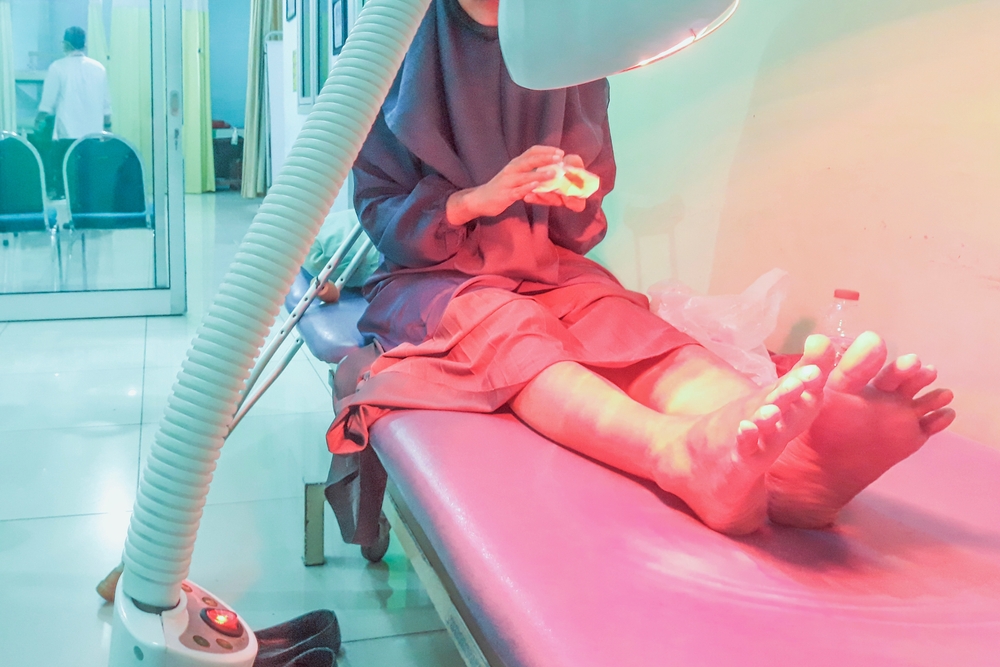
Dr. Niels Ryberg Finsen is remembered as the man who healed with light. Millions benefit from his discoveries, sometimes without even knowing his name.
Final Thoughts
The life of Niels Ryberg Finsen shows how science, courage, and empathy can create something lasting. He turned an old idea into a modern treatment, winning a Nobel Prize and leaving behind a legacy.
Every time a person sits under a light box in winter, or a patient heals from phototherapy in a clinic, they’re living proof of what he started. His story is a reminder that sometimes the simplest forces of nature, like sunlight, can hold extraordinary power when guided by human curiosity.
Read More: Stephen Hawking Left a Heartwarming Message for Anyone Dealing With Depression