

When most people picture depression, they think of sadness, fatigue, or losing interest in hobbies. While these are well-known, depression often appears in less obvious ways. Many individuals continue working, socializing, and smiling while privately struggling with symptoms that remain unnoticed. The signs of depression can be subtle, showing up in behaviors, physical health, and even daily routines. Recognizing these hidden indicators is important for offering support and encouraging treatment. Here are twelve signs of depression that often go overlooked but can be just as serious as the better-known symptoms.
1. Persistent Physical Aches

Unexplained back pain, headaches, or stomach issues can be linked to depression. Research shows that the brain chemicals affecting mood also influence pain perception. This means physical discomfort may be heightened without a clear medical cause. Patients often visit doctors for chronic pain without realizing it might have psychological roots. Unlike injuries, these aches do not resolve with typical treatments. They may worsen during stressful periods. If persistent, these physical symptoms may be an early sign of depression.
2. Changes in Eating Habits

Depression can push eating patterns to extremes. Some people lose appetite completely, skipping meals without noticing. Others turn to comfort foods, overeating in search of temporary relief. These changes are tied to shifts in brain chemistry, particularly serotonin and dopamine. Rapid weight gain or loss is often overlooked as stress-related, but it may point to deeper struggles. Loved ones sometimes notice first, commenting on skipped dinners or increased snacking. When eating habits swing noticeably, depression could be the underlying factor.
3. Irritability and Anger

Depression is not always quiet sadness. For many, it surfaces as irritability, frustration, or even bursts of anger. This response is often tied to low tolerance for stress and a sense of being overwhelmed. Small inconveniences may trigger strong reactions. Family and friends may mistake this as impatience or poor temperament. In reality, irritability can mask deep emotional exhaustion. Recognizing anger as a potential symptom helps break the stereotype that depression always looks like withdrawal.
4. Difficulty Making Decisions

People with depression often struggle with concentration and focus. This extends to making everyday choices, even small ones like picking a meal or choosing clothes. The brain processes involved in decision-making are slowed by changes in neurotransmitters. This can create a sense of mental fog and indecisiveness. While others may view it as procrastination, it is actually a cognitive symptom of depression. Over time, the inability to make decisions can reduce confidence and reinforce feelings of helplessness.
5. Increased Reliance on Substances
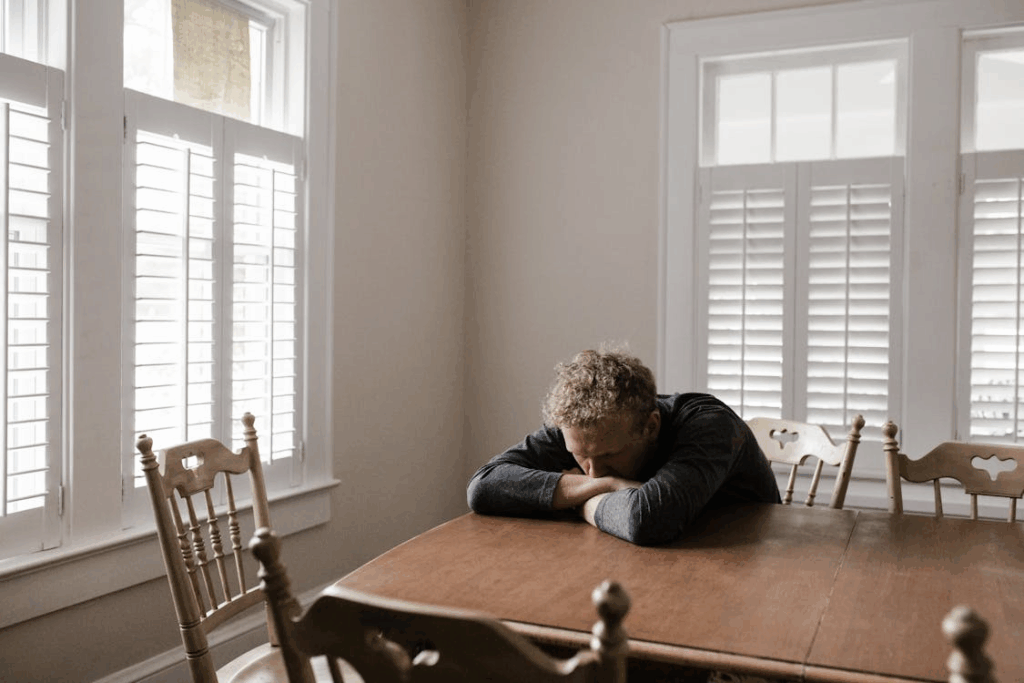
Alcohol, nicotine, or recreational drugs are sometimes used to cope with depression. These substances may dull emotional pain temporarily but create long-term risks. Studies show higher rates of substance misuse among people with untreated depression. The cycle of relief followed by guilt or worsening symptoms can deepen the condition. Loved ones may dismiss it as casual drinking or stress relief, but frequent reliance should raise concern. Substance use can signal that someone is struggling with hidden depression.
6. Oversleeping or Irregular Sleep

While insomnia is common in depression, the opposite can also occur. Oversleeping, known as hypersomnia, affects a significant portion of those with depression. People may stay in bed for 10 to 12 hours yet still feel exhausted. Disrupted circadian rhythms and imbalances in melatonin and serotonin play a role. Irregular sleep schedules can make symptoms worse, leading to lower energy and motivation. Noticing someone consistently sleeping through the day may point to an underlying depressive disorder.
7. Perfectionism and Overachievement

Some people mask depression with relentless productivity or perfectionism. They may overwork, chase accomplishments, or maintain a flawless appearance while privately feeling inadequate. This behavior, sometimes called “smiling depression,” is driven by fear of being exposed as struggling. Perfectionism offers a temporary sense of control but leaves individuals drained. Others may praise their dedication, missing the hidden distress behind it. Perfectionism can be both a coping mechanism and a warning sign of depression.
8. Loss of Emotional Range

Depression can blunt emotions, leaving people feeling flat or disconnected. Instead of sadness, they may describe themselves as empty or numb. This is caused by reduced activity in brain regions that regulate emotion. Friends may notice the person no longer reacts strongly to good or bad news. Joy, excitement, and even grief may seem muted. This lack of emotional response often goes unnoticed because it is quieter than more dramatic symptoms. Emotional blunting is a subtle but significant sign of depression.
9. Restlessness and Agitation

Some people with depression feel an inner restlessness that prevents them from relaxing. They may pace, fidget, or struggle to sit still. This symptom is linked to changes in neurotransmitters such as dopamine. Agitation often appears alongside anxiety, making it easy to mislabel. However, persistent restlessness combined with low mood is a hallmark of certain depressive states. Recognizing agitation as a symptom can help prevent misdiagnosis and encourage proper treatment.
10. Neglecting Self-Care

Depression often reduces motivation for personal care. Skipping showers, avoiding laundry, or neglecting household chores can all be signs. This is not due to laziness but to overwhelming fatigue and mental burden. Even basic hygiene can feel like an impossible task. Friends or family might notice subtle changes, like unwashed hair or wrinkled clothes. When these patterns persist, they may indicate depression rather than simple disorganization.
11. Sensitivity to Rejection

A heightened sensitivity to criticism or rejection is common in certain types of depression. This can lead to withdrawal from relationships or work environments. People may overanalyze interactions, convinced they are disliked or unwanted. This pattern feeds feelings of worthlessness and isolation. Others may interpret this as being overly dramatic or insecure. In reality, it is a psychological symptom rooted in depressive thought patterns.
12. Forgetfulness and Memory Issues

Depression can interfere with short-term memory and recall. People may forget appointments, misplace items, or lose track of conversations. This happens because brain regions involved in memory, such as the hippocampus, function less effectively during depressive episodes. Forgetfulness can worsen frustration and lower self-esteem. It may be mistaken for simple absentmindedness, but when combined with other symptoms, it points to depression. Addressing depression often improves memory function over time.
How Friends Can Offer Support

When a friend shares that they feel depressed or shows signs of depression, the most important step is listening without judgment. Research indicates that being listened to can lessen feelings of isolation and reduce shame. Friends should avoid offering quick solutions and instead validate the person’s experience by acknowledging their struggle. Encouraging professional help, such as therapy or a doctor’s visit, can be supportive without being forceful. Simple check-ins, like phone calls or invitations to low-pressure activities, show ongoing care. Friends should also recognize their limits, since they cannot replace professional treatment. Remaining consistent and patient often helps friends feel less alone as they seek help.
Supporting Family Members With Depression

Supporting a family member with depression requires balancing care with respect for their independence. Family members are often more directly involved in daily routines, so they may notice changes in sleep, eating, or self-care sooner. Research highlights that consistent routines, reduced household conflict, and encouragement of healthy behaviors can improve outcomes. Families should provide practical support, such as helping with appointments or chores, while avoiding criticism or pressure. It is important to learn about depression from reliable medical sources to better understand what the person is experiencing. Family members should also prioritize their own well-being, as caregiver strain is a documented risk. Offering steady, compassionate support while encouraging professional care is the most effective approach.
Recognizing the Unseen Signs

Depression does not always appear in obvious ways. While sadness and fatigue are important signals, other subtle behaviors can reveal underlying struggles. From unexplained pain to perfectionism or forgetfulness, the hidden signs of depression affect many areas of life. Understanding these signs can encourage earlier recognition and support. Depression is treatable with therapy, medication, and lifestyle changes, but only if it is acknowledged. By paying attention to these less visible symptoms, we can better support those who may be quietly suffering.
Read More: 17 Simple Ways to Protect Yourself from Stroke, Dementia, and Depression
Disclaimer: This article was created with AI assistance and edited by a human for accuracy and clarity.