

Some people seem to age slower than others, looking and feeling healthier than their peers. Science shows this difference often relates to biological age, which reflects how well the body’s systems are functioning. Unlike chronological age, which simply counts the years, biological age can shift depending on lifestyle. Researchers studying DNA markers, inflammation, and overall health find that habits strongly influence how old the body really is. People who appear biologically younger tend to share certain practices that help preserve energy, resilience, and long-term wellness. Understanding these habits can provide insight into how to age more gracefully and stay healthier for longer, regardless of the number on your birth certificate.
Balanced and Nutritious Eating
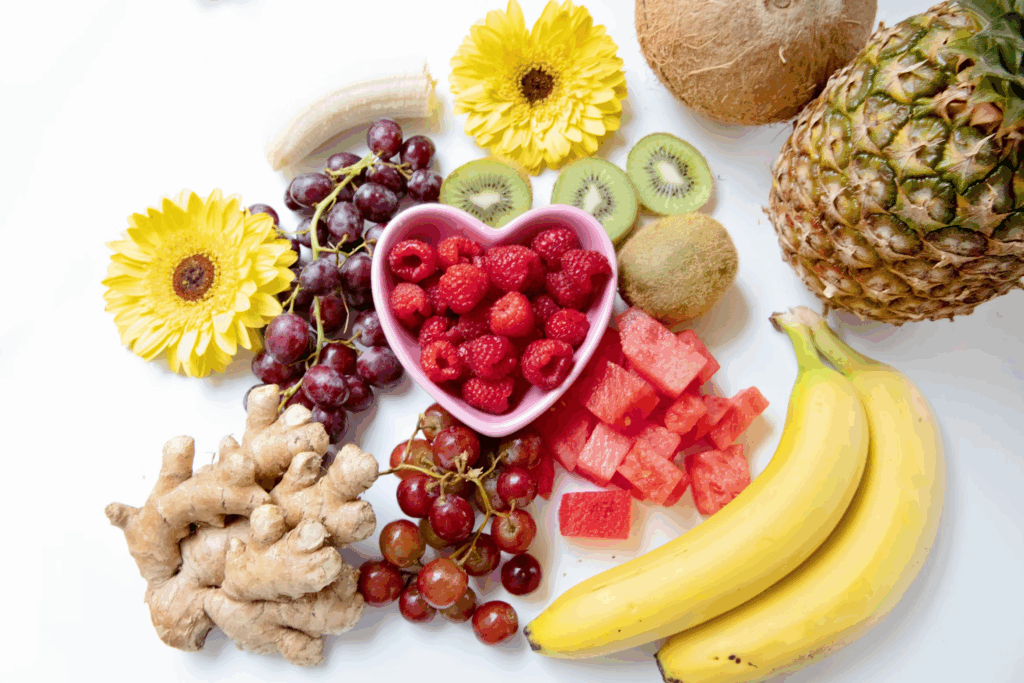
A key habit among those who appear biologically younger is a nutrient-rich diet. These individuals often eat plenty of vegetables, fruits, whole grains, and lean proteins. Such foods supply antioxidants and reduce chronic inflammation, a major driver of aging. Consuming less processed food and refined sugar lowers stress on the body’s cells and improves energy. Balanced eating also supports gut health, which is tied to immune strength and even mood. This steady nutritional foundation helps maintain skin, muscles, and organs more effectively over time.
What to Do: Aim for colorful, whole foods that provide steady energy and protect against cellular damage.
Staying Physically Active
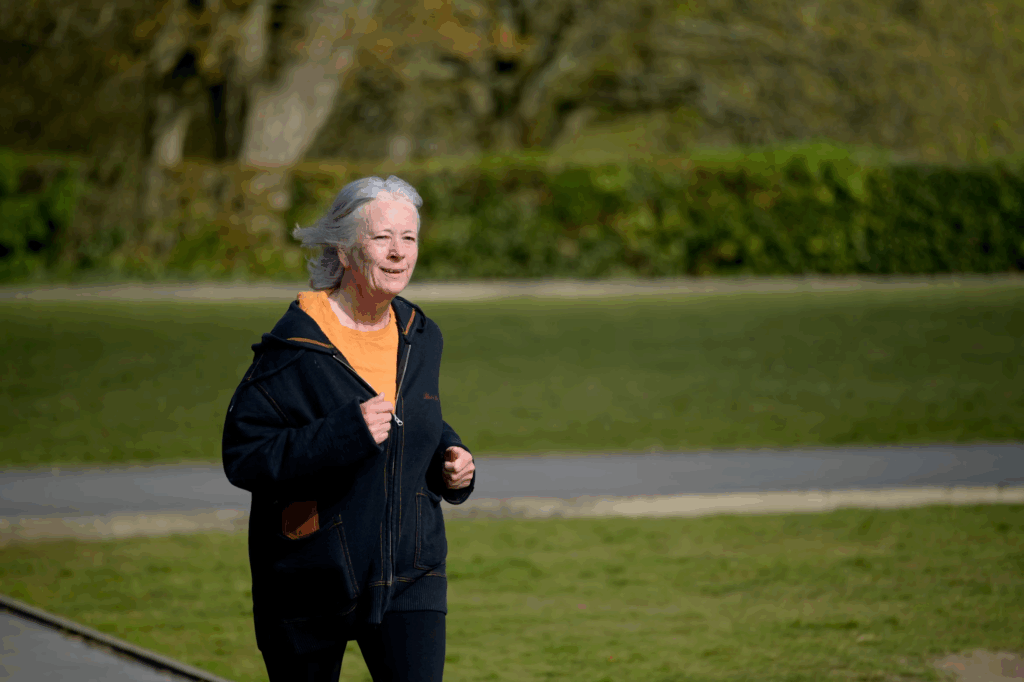
Movement is essential for slowing biological aging, and people who remain active often enjoy better cardiovascular health, stronger muscles, and improved flexibility. Exercise stimulates circulation, regulates blood sugar, and strengthens bones, all of which decline naturally with age if neglected. Regular activity also reduces inflammation, a hidden factor in many age-related diseases. Beyond physical benefits, exercise boosts mental well-being by releasing endorphins and lowering stress hormones. Even moderate activity, such as brisk walking or cycling, has been shown to reduce the risk of chronic illness.
What to Do: Find an activity you truly enjoy, making it easier to stick with consistently over time.
Consistent Restful Sleep

Another shared trait is prioritizing sleep. Quality sleep allows the body to repair tissues, balance hormones, and store new memories. When rest is neglected, inflammation rises, blood pressure increases, and metabolism becomes less efficient, all of which accelerate aging. Sleep quality is also closely linked to mood and mental health, with chronic deprivation raising the risk of depression and cognitive decline. Research shows adults who sleep seven to nine hours consistently have healthier biological aging markers than those who cut sleep short. Improving sleep hygiene is one of the simplest yet most overlooked longevity tools.
What to Do: Establish a steady bedtime routine and create a dark, cool environment that encourages deeper rest.
Managing Stress Effectively

Chronic stress speeds up cellular aging through high cortisol levels, which damage tissues and weaken immunity. Those who age gracefully often adopt strategies to counter daily stress, such as meditation, journaling, or time in nature. Studies link stress reduction to healthier heart function, sharper cognition, and better long-term resilience. Managing stress also prevents behaviors like emotional eating or poor sleep that further harm the body. Social support, mindfulness, and relaxation techniques all provide protective benefits against accelerated aging. By reducing stress hormones, the body conserves energy for repair and renewal.
What to Do: Dedicate time each day to calming practices that restore balance and quiet the nervous system.
Strong Social Connections

Healthy relationships are another cornerstone for appearing biologically younger. Supportive friendships and family ties lower the risk of depression, improve immune health, and extend life expectancy. Social bonds also encourage healthy behaviors like staying active and eating well. Studies have shown that loneliness can be as harmful to long-term health as smoking or obesity. People with close relationships often recover more quickly from illness and cope better with stress. Emotional resilience, built through strong social ties, is one of the most powerful tools for healthy aging.
What to Do: Make space for meaningful connections, whether through regular calls, community groups, or shared activities.
Lifelong Learning and Mental Stimulation

Keeping the brain sharp is just as important as maintaining the body. Research shows that engaging in mentally challenging activities slows cognitive decline and encourages brain plasticity. Learning a new language, playing an instrument, or even tackling daily puzzles stimulates the brain in meaningful ways. These habits build neural connections that act as protection against memory loss. People who regularly challenge their minds often report higher confidence and stronger problem-solving abilities with age. Curiosity and creativity are key parts of biological youthfulness.
What to Do: Dedicate time each week to something that engages your mind and keeps learning alive.
Mind-Body Practices for Longevity

Mindfulness and meditation have gained scientific support for promoting healthy aging. Studies suggest they reduce inflammation, lower blood pressure, and may even protect DNA through slower telomere shortening. Practices like yoga and tai chi combine movement with awareness, benefiting both physical strength and mental clarity. They also improve balance, reducing the risk of falls in older adults, and boost emotional resilience. Beyond science, these practices create a deeper sense of presence and well-being. Aging healthily means maintaining harmony between body and mind.
What to Do: Try adding short daily meditation or a gentle yoga routine to strengthen both your body and mindset.
How to Support a Younger Biological Age

While genetics play a role, daily habits strongly influence how the body ages. Eating whole foods, moving regularly, sleeping well, managing stress, staying socially connected, keeping the mind active, and embracing mindfulness all contribute to better biological resilience. These choices reduce inflammation, protect against chronic illness, and strengthen overall vitality. Even small changes, like adding vegetables to meals or setting aside 10 minutes for meditation, add up significantly over time. Building consistency is the true secret to healthier biological aging. These steps may not reverse time, but they absolutely improve how we experience it.
Staying Biologically Younger Through Daily Choices

Chronological age is beyond our control, but how our bodies respond to time is influenced by lifestyle. The habits shared by those who appear biologically younger reveal that nutrition, activity, rest, stress management, social ties, mental stimulation, and mindfulness all matter. Together, they reduce cellular wear, support healthy organs, and protect against age-related illness. By making intentional choices in daily life, anyone can give themselves the best chance of aging gracefully. While no habit can stop the clock, the right ones can ensure the years ahead are stronger, more vibrant, and deeply fulfilling.
Read More: The Superfood That Is As Close To The Fountain Of Youth As You Can Get
Disclaimer: This article was created with AI assistance and edited by a human for accuracy and clarity.