

The landscape of human sexuality keeps expanding as people find new ways to describe their experiences of attraction. Berrisexuality is one of the newer terms gaining visibility, a microlabel for people who felt that bisexual or pansexual didn’t quite capture what they were feeling. It offers something more specific for those who feel drawn to all genders but not in equal measure.
Someone who identifies as berrisexual experiences attraction to all genders, but with a tilt. They might feel consistently drawn to women, nonbinary people, and androgynous folks, meaning those whose appearance blends masculine and feminine traits or falls somewhere in between, while attraction to men happens less often or with less intensity. The term sits somewhere between exclusive attraction to one gender and equal attraction across all genders.
Why People Create New Labels
Before going further into berrisexuality itself, it helps to understand why terms like this exist at all. The short answer is that language shapes how we understand ourselves, and sometimes the available words don’t quite fit.
Phil Hammack, a psychology professor at UC Santa Cruz who studied identity labeling among LGBTQ+ adolescents, found that expanded vocabulary gives young people more opportunities for authentic self-expression, even when the terms can be harder to explain to others. When someone discovers a word that matches their inner experience, it tells them this isn’t just a personal quirk but something recognized and shared by others.
For the people who use them, microlabels do something that umbrella terms can’t. One Reddit user described struggling to choose between omnisexual and neptunic before finding berrisexual, which fit like a glove.
These specific labels also make it easier to find community. Online spaces organized around particular identities let people with similar experiences connect and swap stories without explaining the basics first. Someone might find those conversations more useful than general bisexual or pansexual communities. Even if they still feel connected to those larger groups. The specificity helps in dating too. Since a more precise label conveys how your attraction actually works in a way that broader terms might not.
But not everyone wants this level of detail. Some people prefer umbrella terms because they don’t want to pin down exactly how their attraction distributes. And others find the growing list of labels more exhausting than helpful. Both responses make sense, and the existence of microlabels doesn’t obligate anyone to use them.
Where Berrisexuality Came From
Berrisexuality emerged from Tumblr, which has been coining microlabels for years in a culture that’s equal parts sincere and playful. A user named genderstarbucks posted the term on November 15, 2023, complete with a flag and definition.
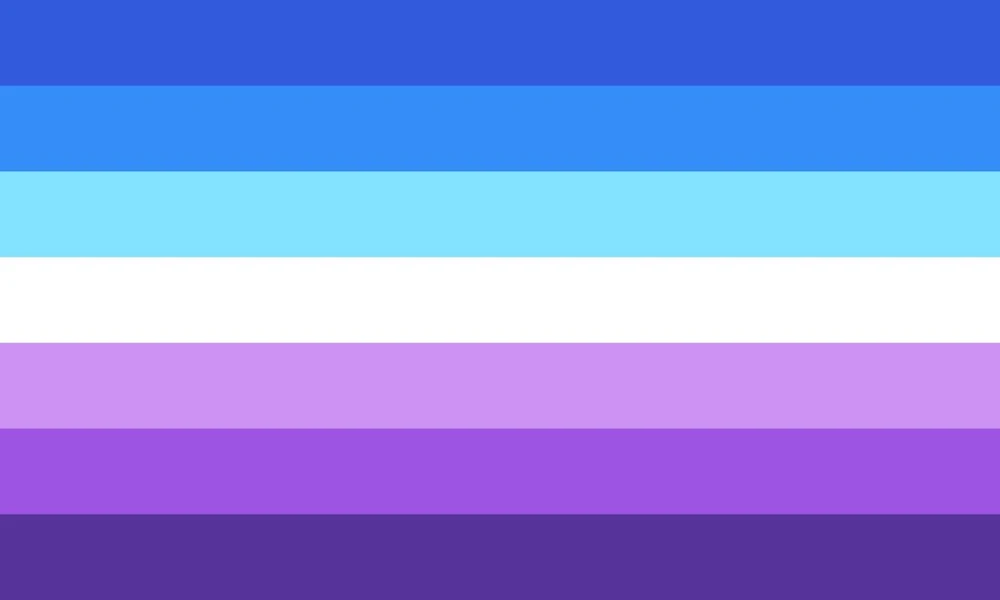
It arrived alongside a related term called almondsexual, which describes the opposite experience of feeling primary attraction to men and masculine-aligned people. People reposted the new terminology, added it to wikis, and created flag graphics to save and share. The original coiner eventually deleted their posts, but the community had already archived everything.
The label spread over Reddit and took on the mix of sincerity and humor that defines a lot of online queer spaces. People post “Berrisexual representation!” with strings of flag-colored emojis while others joke about what a berrisexual personified might look like. Fan art started showing up, then cat icons, then chainmail pride bracelets made by small creators who’d never heard the term until someone requested one. This grassroots creativity is how niche identities build momentum now, not through institutions or academic papers but through people making things for each other and posting them where others can find them.
TikTok has amplified this process by letting people share their experiences with various identities through short videos that reach audiences who might never encounter such terms otherwise. Reddit provides space for longer discussions and mutual support. Together, these platforms enable the kind of community building that has characterized LGBTQ+ movements throughout history, just at a much faster pace.
How It Compares to Other Orientations
At its core, the term acknowledges that attraction does not always distribute evenly across the gender spectrum. Someone with this orientation might find themselves consistently drawn to women and nonbinary individuals. While only occasionally experiencing attraction to men. Not because they’re actively avoiding masculine individuals but because that’s just how their attraction shows up.
The orientation shares some similarities with pansexuality and omnisexuality. Pansexual individuals experience attraction regardless of gender, often describing gender as irrelevant to their attraction. Omnisexual individuals also experience attraction to all genders but may acknowledge that gender plays some role in how that attraction feels or develops. Berrisexuality takes this a step further by specifying that masculine-aligned attraction tends to be lighter, less frequent, or secondary compared to other forms of attraction.
Some people interpret the term as a subset of omnisexuality. Since both involve attraction to all genders with some differentiation based on gender, while others view it as its own thing. Labels matter less than whether a given term helps someone understand and communicate their experience.
The Language and Its Variations
The word berrisexual doesn’t have a built-in meaning the way homosexual or bisexual do. Those terms draw from Latin and Greek roots that tell you something about what they describe. But berrisexual is a neologism, a newly invented word created specifically for this identity without any linguistic history behind it. Some community members use the alternate term laurian to describe the same orientation, though berrisexual seems to be the one that stuck.
There’s also a romantic counterpart called berriromantic, which describes the same pattern applied to romantic rather than sexual attraction. The distinction matters because sexual and romantic orientations don’t always point in the same direction. Someone might feel sexually drawn to all genders with a tilt away from men while falling in love exclusively with women, or any other combination.
This idea comes from the split attraction model. A framework that emerged from asexual communities on forums like the Asexual Visibility and Education Network around 2004-2005. People there needed language to describe experiencing romantic feelings without sexual desire, or the reverse, and the model spread from there into LGBTQIA+ spaces more widely.
Canton Winer, a sociologist at Northern Illinois University who studies asexuality, recently interviewed 77 people who use this framework and found that many consider it essential for making sense of attractions that don’t line up neatly. Having separate terms for sexual and romantic orientation means people can describe what’s actually happening rather than flattening everything into a single label.
Related Orientations
Berrisexuality belongs to a family of terms that all describe attraction to multiple genders with a particular tilt. Almondsexual, mentioned earlier, is its direct inverse. Where berrisexual describes primary attraction to women, feminine-aligned people, and nonbinary or androgynous individuals with only rare or light attraction to men. Almondsexual describes the opposite pattern, with attraction running strongest toward men and masculine-aligned people.
Other labels in this family include leafsexual, which describes attraction to all genders with reduced attraction to women specifically, and petalsexual, which describes attraction to all genders with reduced attraction to nonbinary people. Each captures its own configuration of how attraction is distributed across genders. Bisexual, pansexual, and omnisexual all describe attraction to multiple genders, but they leave the shape of that attraction unspecified. They don’t indicate whether it tilts one way or another, or whether certain genders show up rarely versus constantly. These newer terms fill that gap for people who want more precision.
The debate around whether such fine distinctions are necessary continues within LGBTQIA+ communities. Critics argue that multiplying labels fragments the community and makes it harder for outsiders to understand, while supporters say precise language helps people find others with similar experiences. Most people navigate the tension by using whatever terms actually help them.
What It Feels Like
For those who identify with the term, being berrisexual often means noticing that attraction to men feels different from attraction to women, nonbinary people, or androgynous individuals. The latter might show up more often, feel more intense, or seem more central to how they experience desire.
Some people go long stretches without experiencing attraction to men at all. Then find themselves drawn to a particular masculine person out of nowhere. Others feel a consistent but low-level attraction to men that never matches the intensity they feel toward other genders. Still others find their attraction to men highly specific, limited to certain kinds of masculine presentation or particular characteristics that most men don’t have. Labels like berrisexual describe tendencies rather than rigid rules. Two people who both use the term might experience attraction quite differently while still recognizing something meaningful in the shared language.
Online discussions are full of people who spent years feeling like they didn’t quite fit existing categories. Some wondered whether their occasional attraction to men disqualified them from a lesbian identity, but found that bisexual didn’t feel right either because the attraction showed up so rarely. Berrisexuality gave them an answer to a question they’d been sitting with for a long time. A way to say yes to all of it without pretending the pieces were equal.
The Visibility Question
Berrisexuality remains relatively unknown outside of LGBTQIA+ online spaces. Most people have never encountered the term, and even within queer communities, awareness varies. This creates real challenges for people who identify this way, since they often find themselves explaining from scratch whenever they disclose it.
That educational burden can become tiring, particularly when met with skepticism or dismissal. Some people respond to unfamiliar orientations with the assumption that they represent unnecessary subdivision or attention-seeking rather than genuine attempts at self-understanding.
Without visibility comes limited representation. People who identify as berrisexual do not see themselves reflected in the media, public figures rarely, if ever, use the term, and even LGBTQIA+ resources may not mention it. This absence can contribute to feelings of isolation or uncertainty about whether the identity is valid or recognized.
The relative newness of the term also presents opportunities. The community is still actively forming and defining itself, so people who identify with the term now have the chance to shape how it is understood and represented.
Read More: Nebulasexual: Understanding The Identity Where Desire Feels Distant Or Unfamiliar
Finding Your Fit
If you’re wondering whether berrisexuality describes your experience, the process of exploration looks much like any other identity questioning. You might start by reflecting on past experiences of attraction and paying attention to current feelings, honestly assessing how attraction manifests across different genders for you.
There are some questions that can help guide this reflection. Do you experience attraction to all genders, or only some? When you do feel attracted to men or masculine individuals, how does that compare in frequency and intensity to your attraction to others? Does the description of this term resonate with your lived experience?
There’s no test or threshold that definitively determines whether the label fits. Sexual orientation labels are tools for self-understanding and communication, not rigid categories with strict membership criteria. If it helps you make sense of your experience and communicate it to others, that’s reason enough to use it. If upon reflection the term doesn’t quite fit, other options remain available.
Your understanding of your orientation might also shift over time, and that’s normal. Someone might identify as berrisexual for a period before deciding that a different term better captures their experience. Or they might move from a broader label to berrisexuality as they develop more nuanced self-awareness. This fluidity doesn’t invalidate any particular identification along the way.
Why Language Like This Matters
Berrisexuality represents one thread in the ever-expanding tapestry of human sexuality. It offers language for a specific experience of attraction that many people share. But that older terminology did not precisely capture. Whether or not the term achieves widespread recognition, it has already served its core purpose by helping people understand themselves and find community with others who share their experience.
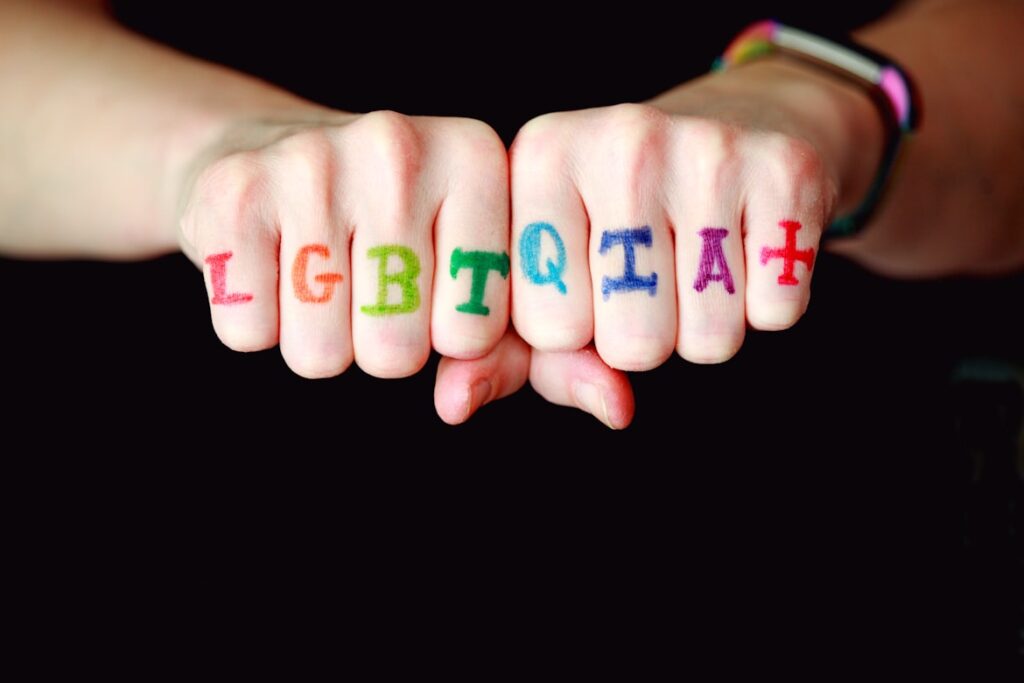
The emergence of terms like this reflects cultural shifts toward recognizing the diversity of human sexuality as society continues to develop more nuanced understandings of gender and attraction. The language available for self-description will likely continue to expand. This expansion serves the fundamental human need to be seen, understood, and connected with others.
For those who find resonance in the term. It offers a home within the LGBTQIA+ community and a way to articulate something that might otherwise remain difficult to express. That capacity to name and share experience remains one of the most powerful tools we have for building understanding and connection.
Read More: What Is Almondsexuality? A Guide to This Rare Sexual Identity