

Growing older usually comes with one clear message from doctors. Keep “bad” cholesterol low to protect the heart. Yet new research from a famed longevity region in Italy suggests that, for some of the very oldest adults, the story looks more complicated. In a cluster of villages in central Sardinia, a Blue Zone famous for its many centenarians, researchers followed people who were already in their 90s. They found that nonagenarians with moderately high LDL cholesterol often lived longer than their peers with lower levels.
This result does not overturn decades of work linking high LDL cholesterol to heart disease in middle age. It does, however, raise important questions about high cholesterol and longevity once people reach very advanced ages. The goal of this article is to unpack what the Sardinian study really found, how it fits with other research, and what it might mean for older adults talking to their doctors. It explores why high cholesterol may behave differently in the “oldest old,” without ignoring the strong evidence that high LDL cholesterol increases cardiovascular risk earlier in life.
A Blue Zone In Italy Where High LDL Linked To Longer Life

The new findings come from Sardinia, an Italian island that hosts one of the original “Blue Zones,” areas where people frequently reach 100 years. In the mountainous interior, many residents spend their lives walking steep hills, eating simple local foods, and maintaining strong social ties. Researchers first identified this zone after noticing that Sardinian men reached 100 at unusually high rates compared with other regions. In this environment, Giovanni Mario Pes and colleagues at the University of Sassari have studied longevity for decades.
Their latest work, led by Alessandra Errigo and co-authors, focused on 168 people aged 90 or older living in the Sardinian longevity hot spot. None of them were taking cholesterol-lowering drugs when the study began in 2018. The team measured each person’s full lipid profile, then followed them until the end of 2024 to assess survival. In the Nutrients paper, Errigo and colleagues explain that “survival time was significantly longer in participants with LDL cholesterol above 130 mg/dL” compared with those below that threshold, and they also write that “moderate hypercholesterolemia does not preclude the oldest adult from attaining advanced ages.”
What The Sardinian Study Actually Found About High Cholesterol

The Sardinian research did not look at younger seniors in their 60s or 70s. All participants were already nonagenarians at enrollment. The median total cholesterol hovered just above 200 mg/dL for both men and women, which many guidelines would consider elevated. Yet within that group, the level of LDL cholesterol still made a difference. Participants were split into categories based on LDL cholesterol. Those with LDL cholesterol of at least 130 mg/dL showed the longest survival. Those with lower LDL cholesterol died sooner on average.
Survival analysis using Kaplan-Meier curves and Cox regression models confirmed this pattern even after adjustment for age, sex, smoking history, body mass index, comorbidities, and self-rated health. The adjusted hazard ratio for mortality in the mild hypercholesterolemia group (LDL-C ≥130 mg/dL) was about 0.60, meaning roughly 40% lower risk than peers with lower LDL. In the authors’ words, “our results challenge the common view that longevity is invariably associated with low cholesterol levels,” and they argue that, in this very old group, the so-called “cholesterol paradox” appears genuine and not just an artefact of serious hidden illness.
Understanding The “Cholesterol Paradox” In The Oldest Old

The idea that higher LDL or total cholesterol might sometimes be associated with better survival in very old adults is not completely new. A 2016 systematic review by Uffe Ravnskov and colleagues examined 19 cohort studies including adults older than 60. In many of those studies, people with higher LDL cholesterol did not die sooner and occasionally lived longer. The Sardinian work strengthens this line of evidence by focusing on a carefully defined, long-lived population and by excluding nonagenarians taking statins.
The authors write that in their cohort “the cholesterol paradox was unlikely to be a reflection of reverse causality,” because cholesterol levels were not lower in participants with the most serious illnesses, and they also note that, even after excluding people with diabetes and poor self-rated health, the survival benefit of moderate hypercholesterolemia persisted. At the same time, the paradox does not erase cholesterol’s role in cardiovascular disease; the Sardinian paper recognizes that “cardiovascular disease, the leading cause of mortality in high-resource countries, is often attributed to several risk factors,” including high blood cholesterol. The key message is more subtle. In some very old adults, especially those with protective lifestyles and genetics, higher LDL cholesterol may no longer carry the same overall survival penalty.
Possible Reasons High LDL Looks Less Harmful In Sardinian Nonagenarians

Why would seniors in one Italian region see longer life with higher LDL cholesterol? Errigo and colleagues discuss several hypotheses. One possibility involves long-term exposure to infections such as malaria, which historically affected Sardinia. At a speculative level, they suggest that genes raising cholesterol might have been selected because they helped fight infection, and they write that “specific genetic factors were selected that increased the cholesterol set point,” potentially supporting better resistance to disease. Another explanation involves the biology of late life. In older adults, very low cholesterol sometimes reflects frailty, malnutrition, chronic inflammation, or serious illnesses such as cancer and liver disease.
A separate large analysis of the ASPREE trial, led by Zhen Zhou and colleagues, found U-shaped relationships between LDL cholesterol and mortality in more than 12,000 healthy older adults. The authors reported that “higher LDL-c levels were associated with an increased risk of CVD mortality,” but lower LDL cholesterol was linked to higher non-cardiovascular deaths. In the Sardinian study, cholesterol levels did not drop in participants with multiple diseases, which weakens the idea that illness alone explains the paradox, and the authors therefore argue that cholesterol itself might play protective roles in extreme old age, for example, by supporting energy needs, membrane repair, and immune function, while emphasizing that this hypothesis still requires careful testing.
How These Findings Fit With Mainstream Cholesterol Guidelines
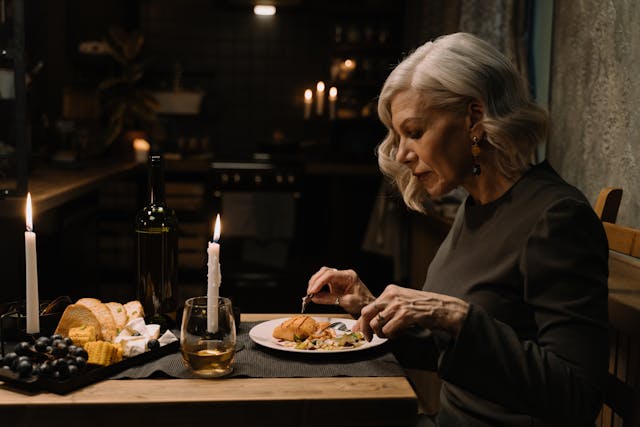
It is important to separate what happens in exceptional nonagenarians from the experience of most adults. Major health organizations still stress that high LDL cholesterol remains a key risk factor for heart disease and stroke during midlife and early older age, and the U.S. Centers for Disease Control and Prevention notes that “key risk factors for heart disease include high blood pressure, high cholesterol, and smoking.” From a cardiovascular point of view, LDL cholesterol drives plaque formation in arteries, and a clinical summary from the University of Chicago Medicine explains that “LDL is often called ‘bad’ cholesterol” because high levels can cause plaque to build up in arteries and trigger heart problems.
Large trials funded by agencies such as the National Institutes of Health, including the long-running Framingham Heart Study, have repeatedly shown that lowering LDL reduces cardiovascular events in middle-aged adults and high-risk seniors. The Sardinian data, therefore, do not provide a license for younger adults or typical retirees to ignore high LDL cholesterol, and instead they highlight that risk profiles can shift in very advanced age, when many individuals, most vulnerable to cholesterol-driven heart disease, may already have suffered events earlier in life, leaving a selected, more resilient group.
Frailty, Low Cholesterol, And Hidden Risk In Very Old Adults

In geriatrics, very low cholesterol can sometimes signal trouble. Several studies of older adults have linked low total or LDL cholesterol to a higher risk of death from infections, respiratory diseases, and certain cancers, and the ASPREE analysis mentioned earlier found that deaths from chronic obstructive pulmonary disease, sepsis, and liver disease were more frequent among participants with lower LDL cholesterol. The Sardinian authors echo this concern and suggest that low cholesterol in the oldest old may reflect wasting diseases or malnutrition. They note that “low cholesterol levels in older individuals could be indicative of underlying issues like wasting diseases, frailty, or malnutrition,” which carry a high mortality risk.
Research from the National Institute on Aging similarly warns that unintentional weight loss, muscle wasting, and poor appetite can raise mortality in later life, and low cholesterol sometimes accompanies these conditions. This does not mean that people should aim for extremely high cholesterol in old age; instead, it suggests that clinicians should view very low cholesterol in frail, elderly patients as a possible marker of underlying illness, especially when combined with weight loss, weakness, or repeated infections, and in that context, nutrition, strength, and overall resilience may deserve as much attention as lab numbers.
What This Means For Seniors Talking With Their Doctors

Image Credit: Pexels
For individuals, the Sardinian findings should prompt conversations, not abrupt medication changes. Many guidelines already encourage personalized decisions about statins in older adults, and expert groups analyzing evidence for primary prevention in people older than 75 often recommend shared decision-making that weighs life expectancy, comorbidities, polypharmacy, and patient preferences. The ASPREE trial’s post hoc analysis offers an important nuance, as it found that each 1 mmol/L increase in LDL cholesterol was associated with lower all-cause mortality but higher cardiovascular mortality in healthy older adults not on lipid-lowering therapy.
The authors concluded that there was a “U-shaped relationship” and called for more research before changing practice. For a robust 90-year-old with many Sardinian-style protective habits, continuing moderate hypercholesterolemia might not carry the same overall risk as it would at age 60, while for a 70-year-old smoker with diabetes and coronary artery disease, high LDL cholesterol still represents a clear danger, and in every case, only the treating clinician can interpret these research findings in light of the person’s full medical history, medication list, and goals of care.
Lifestyle Lessons From Sardinia Go Beyond Cholesterol Numbers

If cholesterol is not the only key to longevity in Sardinia, what else matters? Decades of work on Blue Zones suggest that lifestyle plays a central role, and Dan Buettner and colleagues, whose early investigations identified the Sardinian zone, found that residents often eat mostly plant-based food, move naturally throughout the day, and maintain close family ties. A recent review of Sardinian diets reported that traditional meals rely heavily on whole grains, legumes, and fermented goat or sheep milk products, and that review noted that Sardinian diets “rich in whole grains, legumes, and fermented goat or sheep milk products” linked to increased longevity and lower mortality.
Harvard Health also highlights common Blue Zone habits, such as primarily plant-based diets and daily physical activity that arises from normal life, not extreme workouts. In the Sardinian cholesterol study, people with moderate hypercholesterolemia often consumed more cereals and some saturated fats, but they also lived within a lifestyle that delayed chronic disease. This combination hints that cholesterol numbers interact with the broader context of diet, movement, social support, and genetics, and the message for most readers is clear, because reproducing Sardinian longevity will probably depend more on everyday habits than on chasing a single cholesterol target.
Bottom Line: High Cholesterol, Longevity, And Personal Risk

The Sardinian research led by Errigo, Pes, and colleagues shows a striking result. In one Italian Blue Zone, many nonagenarians with moderately high LDL cholesterol outlived peers with lower levels. The authors write that “older subjects with higher cholesterol levels tend to survive longer.” They also caution that researchers still need more data. Doctors will need clear evidence before changing treatment advice for hypercholesterolemic people at very advanced age. This work adds nuance to long-held beliefs about cholesterol and longevity in the oldest old. Other evidence still carries great weight. Large studies from groups such as the CDC and NIH show similar findings.
The AHA also links high LDL cholesterol to higher cardiovascular risk for most adults. That risk seems strongest in middle age and early older age. The Sardinian data instead highlight how age, lifestyle, health, and genetics can shift risk in complex ways. Very low cholesterol in frail older adults may sometimes signal serious underlying illness. Moderately high levels may appear less harmful in exceptionally robust groups who also enjoy protective habits. Seniors and families should treat these findings as a prompt for careful discussion with clinicians. They should not stop or start cholesterol-lowering therapy because of one regional study or bold headlines. Decisions about statins and lipid targets work best in an unhurried conversation with a trusted clinician. Almost everyone can still borrow the wider Sardinian template for long life. Eat simple, nutrient-dense food, move often through daily routines, nurture close relationships, and shape cholesterol goals around personal risk.
Read More: 10 of The Best Ways to Help Combat High Cholesterol and High Blood Pressure