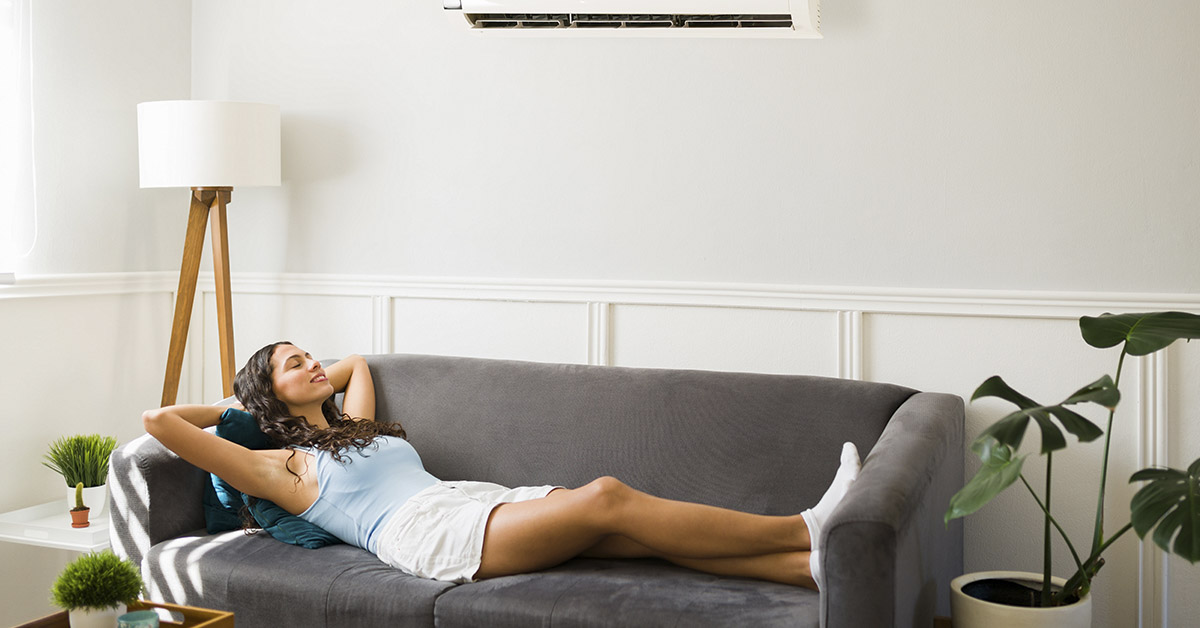

Some people feel genuinely happier at home than anywhere else, and psychological research now offers clear explanations for why. The preference for staying in goes beyond introversion or shyness. It involves how individual brains process social interaction, how much mental energy different environments demand, and what kinds of rest actually restore a person’s capacity to function well. A 2024 national survey found that 56% of Americans consider alone time essential for their mental health, and the science explains what they already sense about themselves.
The Social Battery Concept
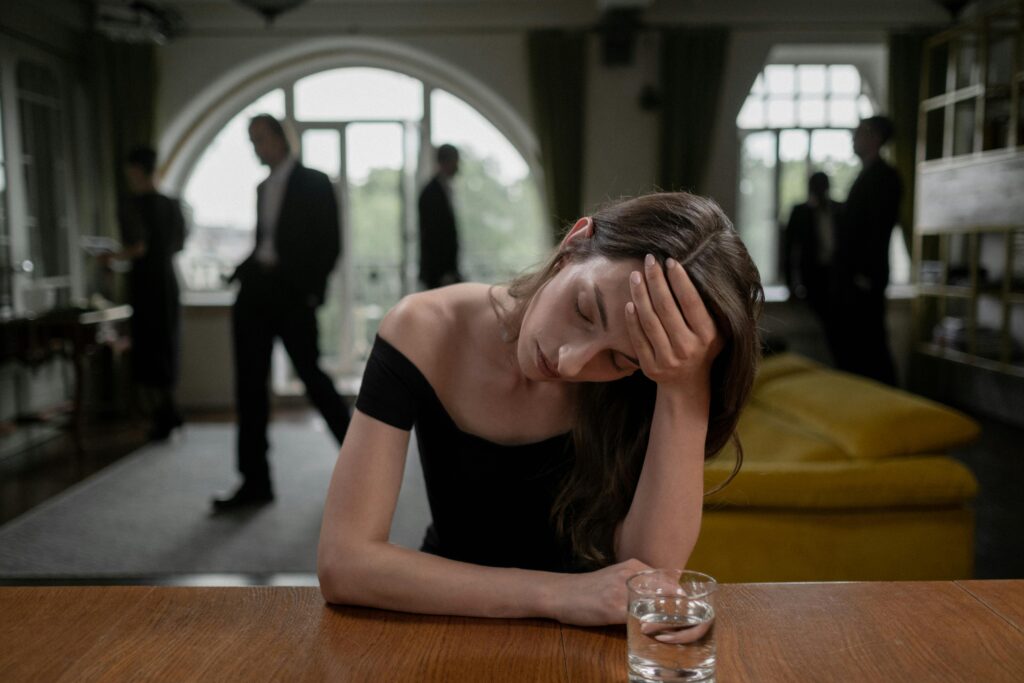
Psychologists use the term “social battery” to describe a person’s capacity for social interaction. People with a full social battery have energy for conversations and gatherings, while those running low feel the need to recharge, as Dr. Brad Brenner of the Therapy Group of DC explains. The metaphor works because social engagement genuinely draws on finite mental resources. Your psychological reserves deplete during social situations and need rest to recover, the same way a phone drains with use and needs time plugged in. Different people start with different battery sizes, and different activities drain them at different rates.
Physical Exhaustion and Social Exhaustion Are Different
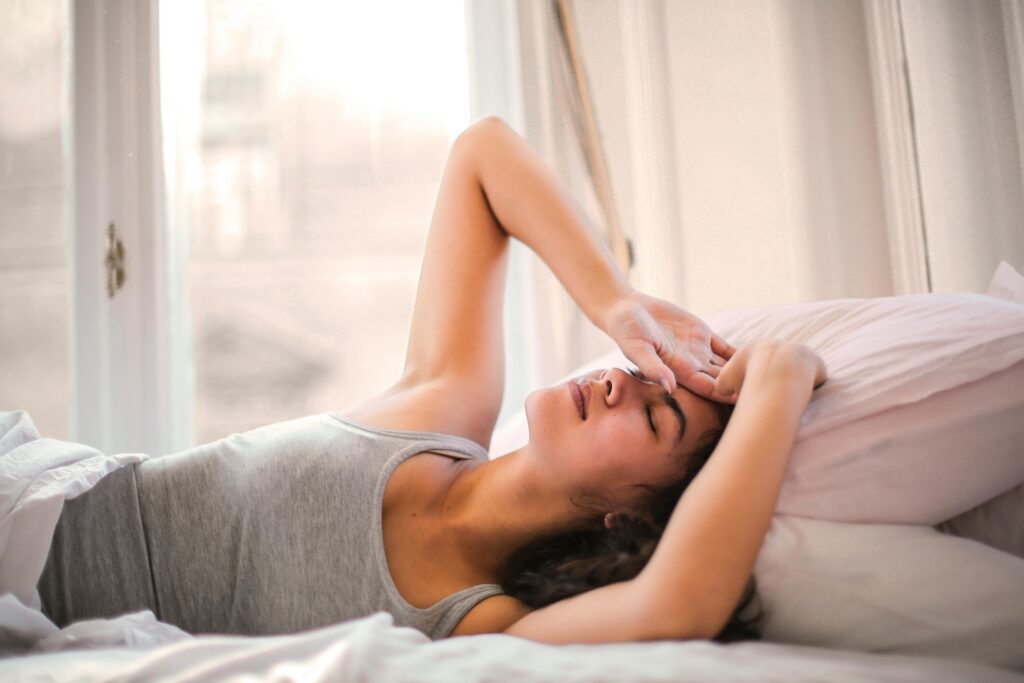
The psychology of staying home becomes clearer once you understand the difference between physical and social tiredness. Physical exhaustion hits your body after exertion, and sleep fixes it. Social exhaustion works differently. You feel mentally drained, irritable, or overwhelmed by continued interaction, even when you haven’t done anything physically demanding. Sleep alone won’t fix it, which is why some people wake up tired after a full night’s rest following a busy social weekend. What restores social exhaustion is time alone or in low-stimulation settings.
Why Social Situations Drain Energy
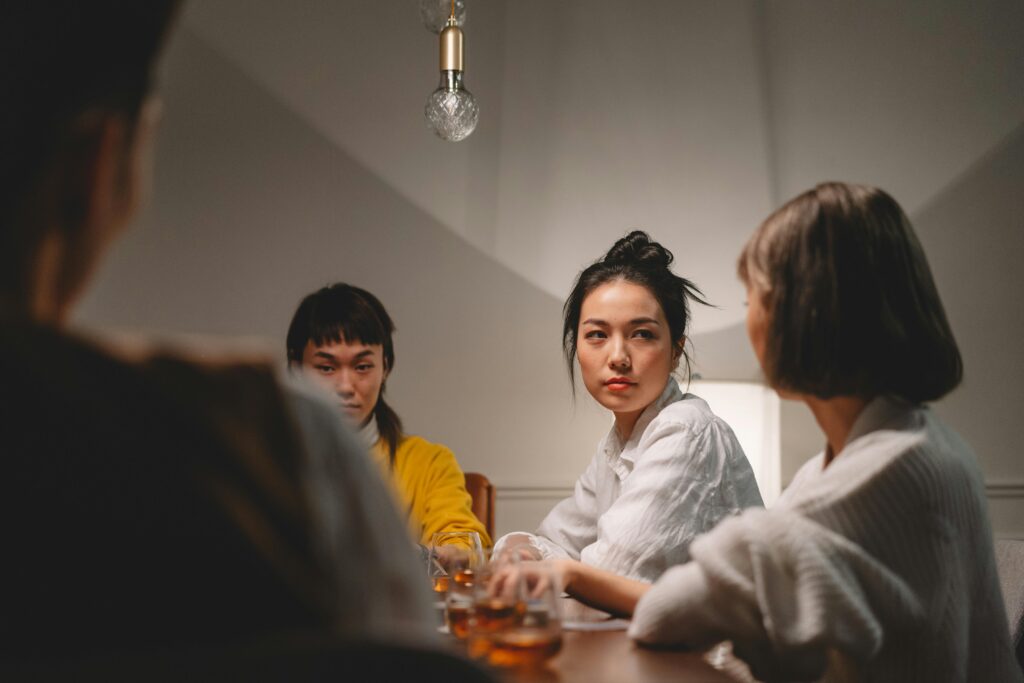
Social interaction requires continuous mental work that most people don’t consciously notice. When you talk with someone, your brain processes their words while reading their facial expressions, formulating your response, and tracking whether you’re coming across the way you intend. If multiple people are involved, the load multiplies because you’re splitting attention and monitoring several dynamics at once. Mental health professionals note this juggling act can be especially taxing for people with social anxiety or limited social experience. The effort is invisible, but it’s real.
How Introverts Process Stimulation Differently
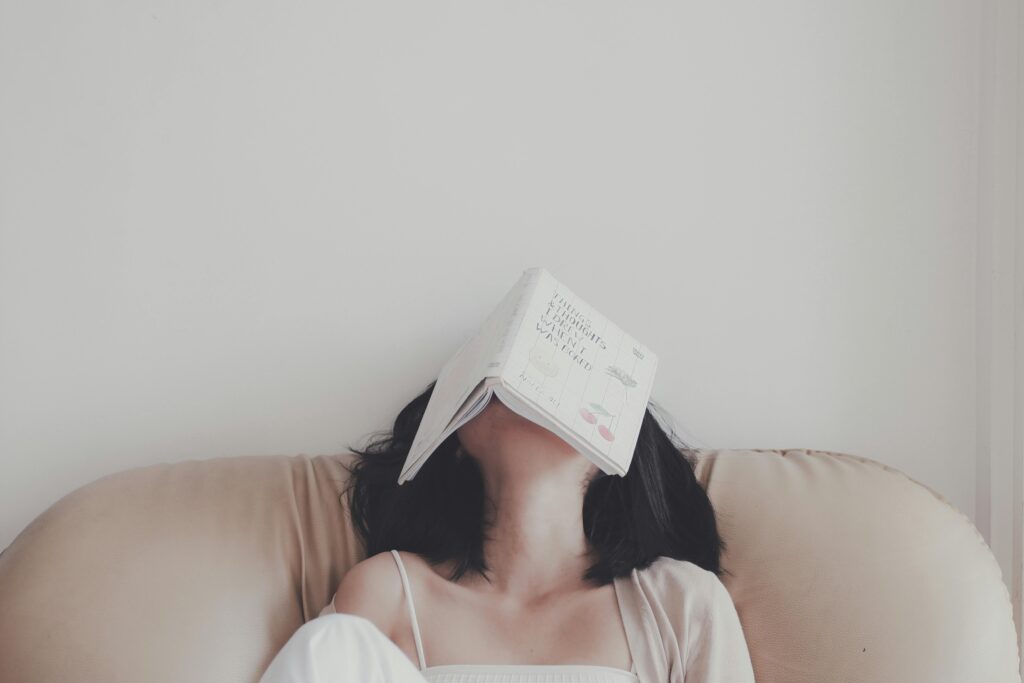
Introverts experience faster social battery drain because they process external stimulation more intensely than extroverts do. The same party or team meeting costs them more mental energy because their brains treat inputs like tone, body language, and background noise as things worth examining closely.
This deep processing means the cognitive work accumulates quickly, and prolonged social situations can feel overwhelming even when nothing stressful is actually happening. The preference for staying home often comes from understanding, consciously or not, that home provides the low-stimulation environment their nervous system needs to recover.
Signs Your Social Battery Is Running Low
Recognizing when you need to recharge helps you manage your energy before you burn out completely. Emotional signs of social exhaustion include irritability and increased sensitivity to things that wouldn’t normally bother you. You might notice a strong desire for solitude or feel relief when social plans get canceled.
Physical symptoms can include fatigue, tension headaches, and difficulty concentrating on conversations. Behavioral changes often appear, too. You might offer shorter responses, avoid eye contact, seek out quieter spaces at gatherings, or check your phone frequently as a temporary escape. These signals tell you it’s time to head home, and learning to read them early prevents the kind of total depletion that takes days to recover from.
Personality Traits and Home Preference
A large study surveyed over 101,000 people across 55 countries and examined how personality affects the desire to stay home. Researchers from Cambridge, Harvard, and Columbia found that extroverts are least likely to stay at home because they’re naturally drawn to social situations and find staying in more difficult. The team found that people who scored higher in neuroticism or openness decided to stay at home more readily, and these findings were published in American Psychologist in 2020.
Neurotic individuals often find social situations feel more uncertain or demanding, while open-minded people may value the space for reflection and personal pursuits that home provides. Personality genuinely shapes where you feel most comfortable, and that comfort isn’t something you can simply override through willpower.
Chosen Solitude vs. Forced Isolation
The reason behind your alone time matters more than the alone time itself. Solitude you choose feels different from solitude you’re stuck with, and the psychological effects differ accordingly. When you spend time alone to recharge or pursue activities you enjoy, that’s what researchers call self-determined solitude. When isolation happens because of social exclusion or because you lack the confidence to interact, the experience changes entirely.
A 2024 review by Nguyen and Rodriguez in Social and Personality Psychology Compass found that choice gives you control over the experience. If you’re staying home because you genuinely want to, you’re more likely to benefit from it. If you’re avoiding going out because of anxiety or fear, the alone time may not help, and you may even feel lonelier than if you’d gone out.
What Makes Alone Time Actually Restorative
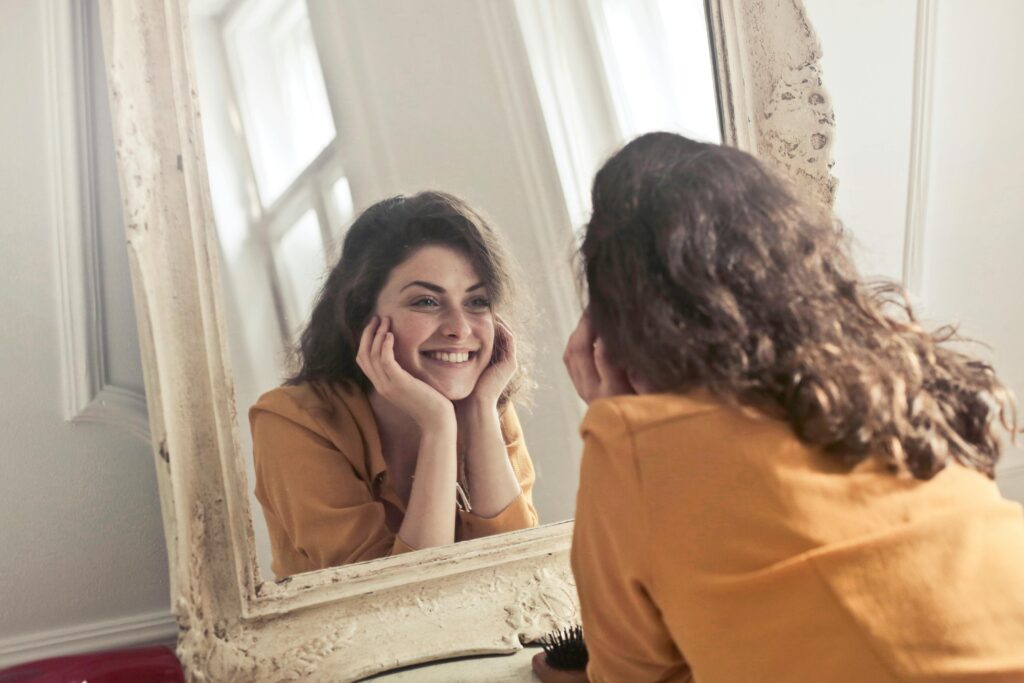
Not all alone time works the same way. Dr. Netta Weinstein, a psychologist at the University of Reading who studies solitude, has found that the positive effects of time alone are far less likely to materialize when most of that time is spent staring at screens, especially passively scrolling social media. Social media is, by definition, social.
You cannot be truly alone when you’re on it. The benefits of staying home come from genuine disconnection, from turning your attention inward rather than outward. True solitude involves slowing down, reflecting, and doing what you actually want without trying to please anyone else. That kind of rest restores your capacity for engagement in a way that scrolling never will.
Why Screens Don’t Count as Rest
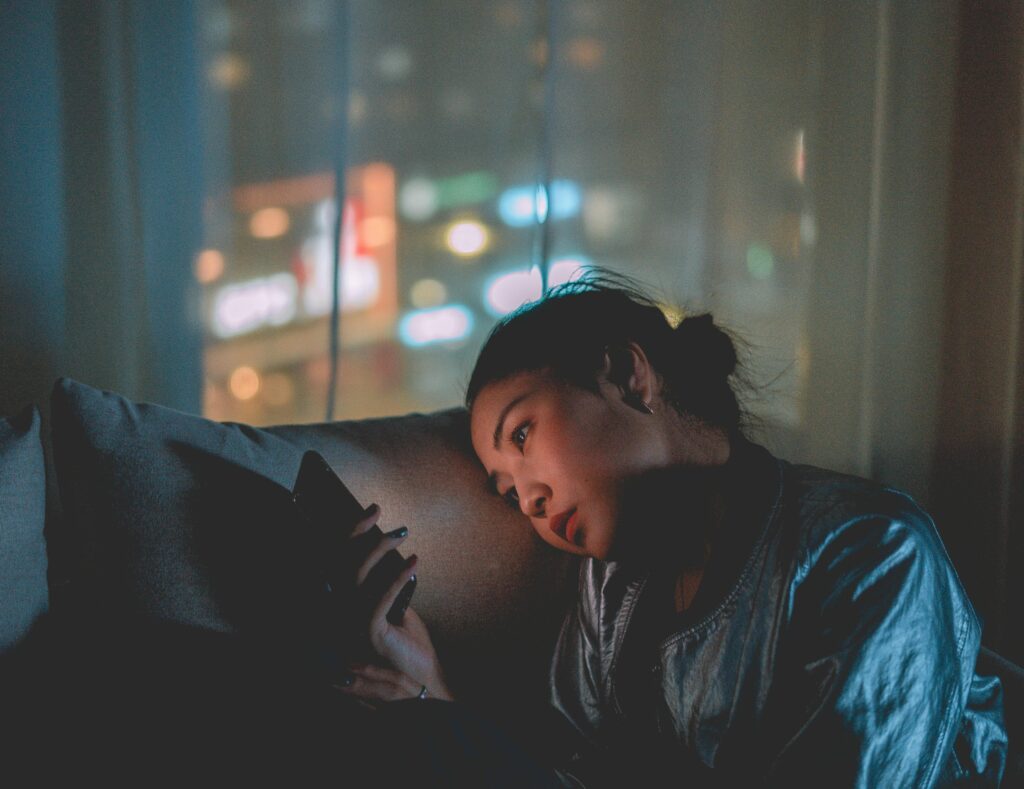
Young adults increasingly forgo face-to-face social interaction in favor of virtual connections, and many experience distress as a result. Dr. Weinstein notes the collective anxiety about this trend is well placed. Screen time during alone time doesn’t provide the nourishing rest that people are actually longing for. You’re still processing social information, still managing impressions, still engaged with others even when physically alone.
Research on attention and focus confirms that constant engagement with digital platforms demands sustained cognitive effort, leading to rapid energy depletion and potential mood instability. If you want home time to restore yourself, the phone needs to go to another room. The solitude only counts when you’re actually present in it.
Calming Down Through Solitude
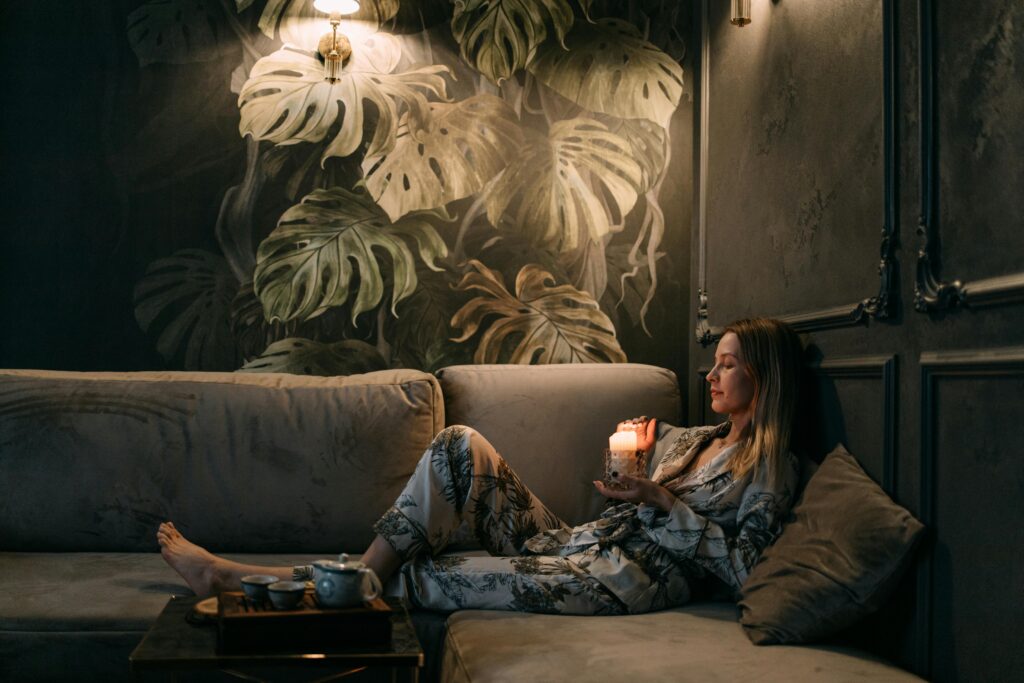
Time alone serves specific psychological functions beyond simple rest. People experiencing intense emotions like anxiety often prefer solitude because it offers space to calm down. One laboratory study found that spending just 10 minutes in solitude increases feelings of relaxation and peace, and research published in Social and Personality Psychology Compass suggests solitude allows you to work through intense feelings in a way that social interaction cannot. You don’t need hours of alone time to benefit. Short periods of genuine solitude can help regulate your emotional state and prepare you for future engagement, which explains why a quick break during a party can help you last longer at it.
Why Older Adults Handle Solitude Better
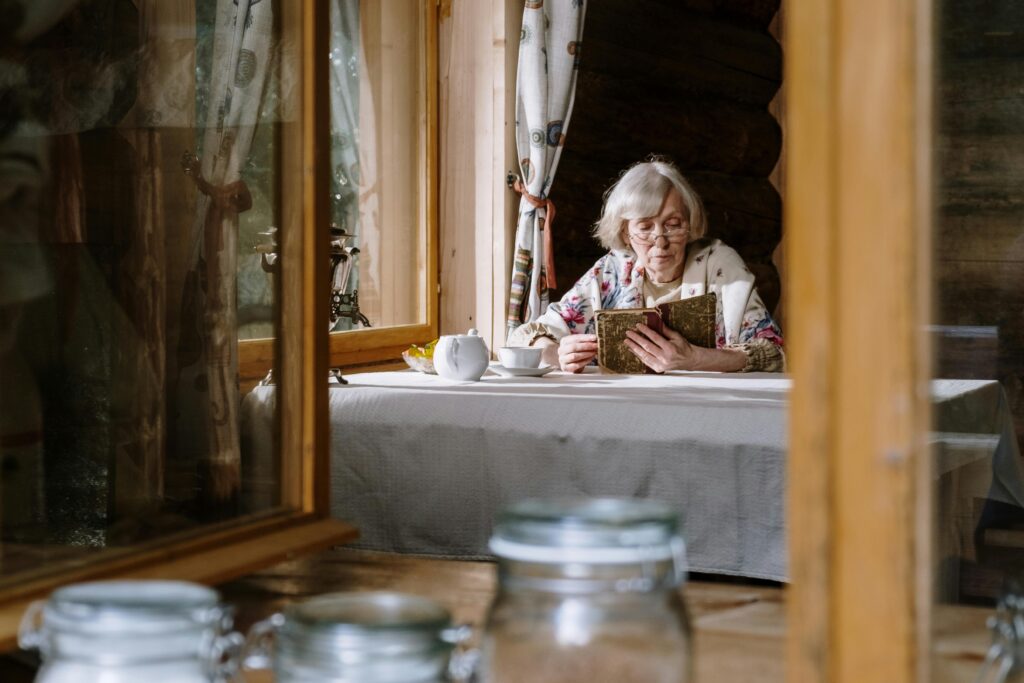
Despite common fears about elderly isolation, research shows that older adults are actually happier in solitude than the loneliness narrative suggests. Dr. Weinstein and her colleagues interviewed 60 people about their experiences with time alone and found that older adults have developed a better ability to structure their time alone and experience more positive feelings during solitary periods.
Their findings, published in the European Journal of Social Psychology in 2023, suggest older adults have gained a better ability to regulate their emotions and tend to embrace states like calmness and peace. These feelings are readily available in solitude. Overall, older participants in that study described their alone time as positive and meaningful, suggesting that the skill of being alone well can develop with age and practice.
Why Introverts Didn’t Thrive in Lockdown
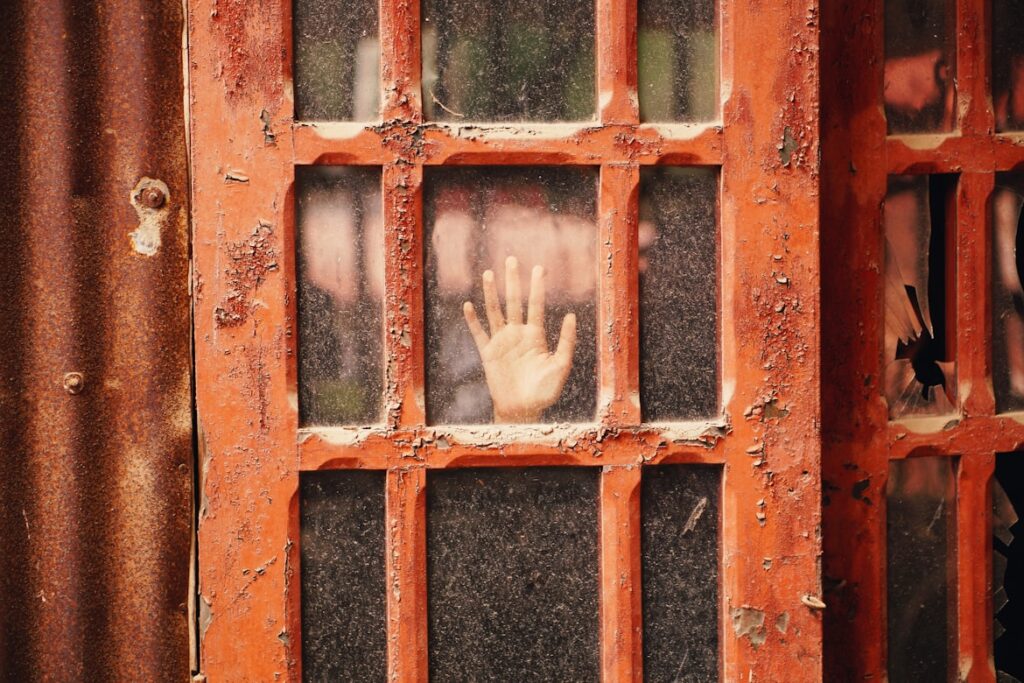
Popular belief held that introverts would flourish during the COVID lockdowns. If they prefer less stimulating environments, the thinking went, then forced time at home should suit them perfectly. Maryann Wei, a researcher at the University of Wollongong, tested this assumption and found the opposite. Her study, published in Frontiers in Psychology in 2020, showed that introverts experienced the psychological and emotional effects of social distancing and lockdown measures more severely than extroverts, not less.
Wei noted this finding aligns with previous studies showing introversion is associated with more psychological and adjustment difficulties generally. Just because introverts prefer quieter environments doesn’t mean they’re immune to the downsides of isolation. Preferring home is different from being forced to stay there, and even people who recharge through solitude still need some social connection to function well.
How to Make Home Time Count
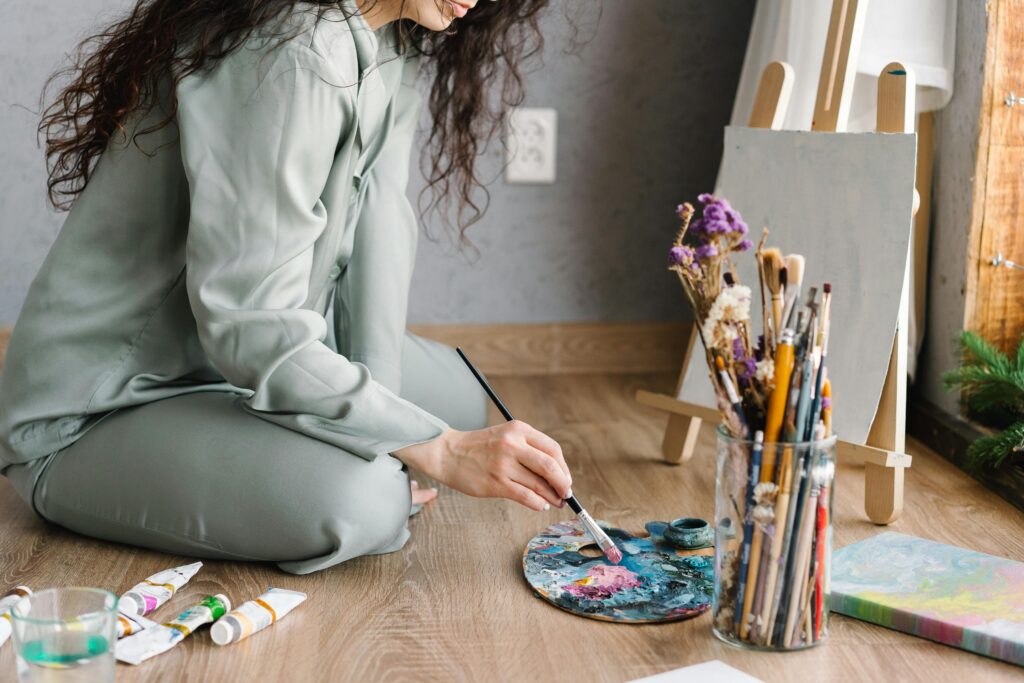
Certain qualities help people benefit from time alone. Dr. Weinstein’s qualitative research found that exposure to the benefits of solitude early in life, along with personality characteristics like introspection and optimism, was associated with enjoying solitude. Mindsets that recognize how solitude supports self-connection also play a role, as do curiosity and creativity in the moment. When difficult moments arose during alone time, self-compassion and staying present helped ease the discomfort. The takeaway is that staying home works best when you pursue activities that connect you with yourself rather than distract you from yourself.
Balancing Solitude and Social Time
Research hasn’t identified a one-size-fits-all optimal balance between solitude and social time. A 2023 study published in Scientific Reports tracked 178 adults for 21 days using daily diaries. People were lonelier and less satisfied on days when they spent more hours in solitude, but these negative effects were reduced or eliminated when daily solitude was freely chosen. The finding also depended on individual tendencies over time.
People who were generally alone more were not, on the whole, lonelier. On days when people spent more time alone, they felt less stress and greater freedom to be themselves. What matters most isn’t the number of hours you spend at home but whether you’re choosing that time freely and whether you’re using it in ways that actually restore you. Home preference isn’t a problem to solve. It’s a trait to understand and work with.
Read More: How Narcissists Express ‘Love’: 3 Psychology-Backed Patterns to Know
When Staying Home Becomes a Problem
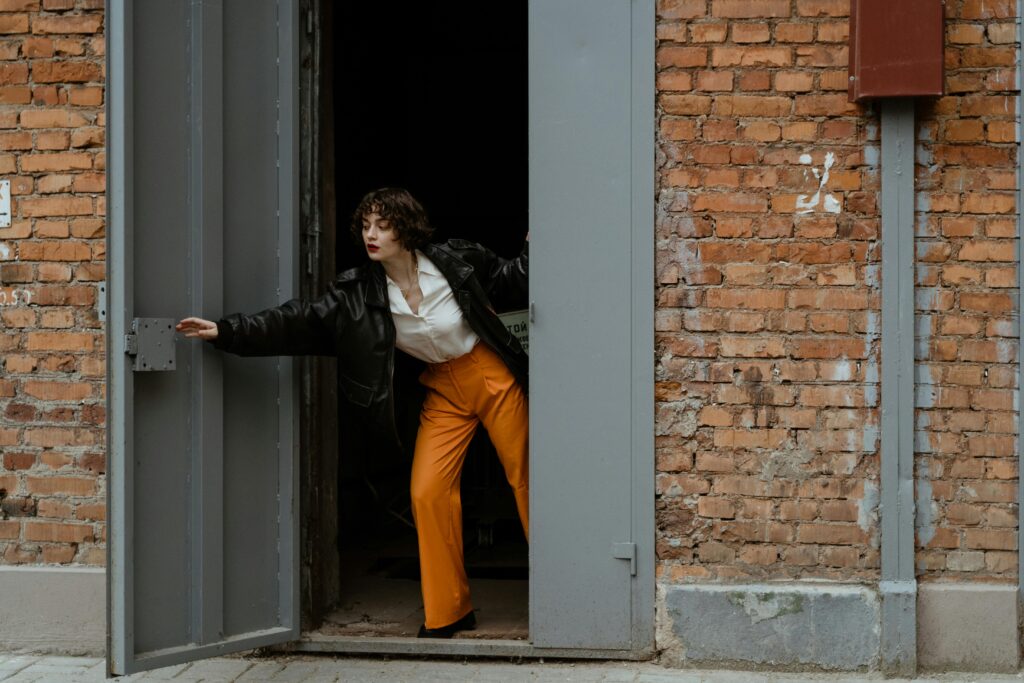
Preferring home is healthy, but complete social withdrawal is not. Dr. Weinstein notes the desire for solitude is not pathological and is not just for introverts. But prolonged social exhaustion can lead to emotional burnout, increased stress, and difficulty maintaining relationships if left unaddressed. A psychologist told one research team that isolation breeds isolation. When you spend too much time on your own, you get comfortable with it and want more, creating a cycle that can become unhealthy. If you notice that leaving the house feels increasingly difficult or anxiety-provoking rather than just unnecessary, that’s worth paying attention to and possibly discussing with a mental health professional.
The Science Supports Staying In
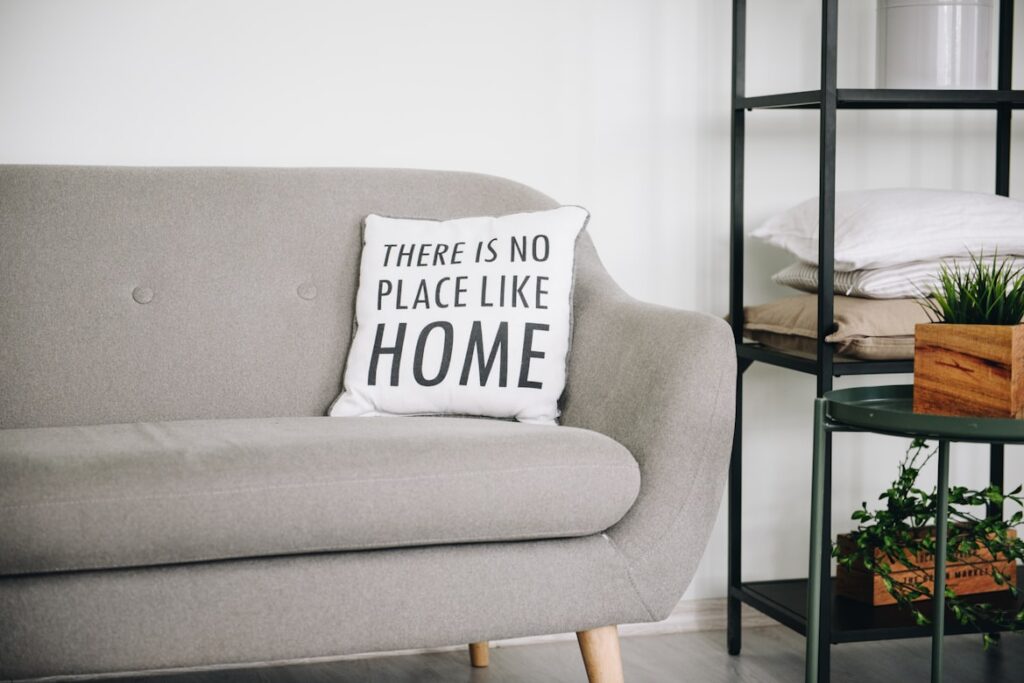
Psychology research increasingly confirms what homebodies have always known. Time alone serves real psychological functions, and preferring a quiet evening at home over a crowded bar doesn’t signal something wrong with you. Social interaction requires genuine cognitive effort, and some brains find it more taxing than others. Solitude can regulate emotions, foster creativity, and cultivate self-awareness when you pursue it with intention. The key factors are choice and quality. Choose your alone time freely, use it in ways that genuinely restore you, and put the screens down when you can. Your preference for staying home isn’t a flaw to fix. It’s a need to honor.
Disclaimer: The information provided here is for educational and informational purposes only and is not a substitute for professional psychological, psychiatric, or mental health advice, diagnosis, or treatment. Always seek the guidance of a licensed mental health professional, therapist, psychologist, or psychiatrist with any questions or concerns about your emotional well-being or mental health conditions. Never ignore professional advice or delay seeking support because of something you have read here.
Read More: Why Sex Can Trigger Emotional Attachment, According to Psychology