
Archaeologists found 3,000-year-old honey in King Tut’s tomb that was still safe to eat. When Howard Carter opened the sealed jars in 1922, the honey looked and smelled like it could have come off a grocery shelf. People throw out canned chickpeas because the printed date passed two weeks ago, but the chickpeas were almost certainly fine, a lot of foods that don’t actually expire end up in the trash anyway.
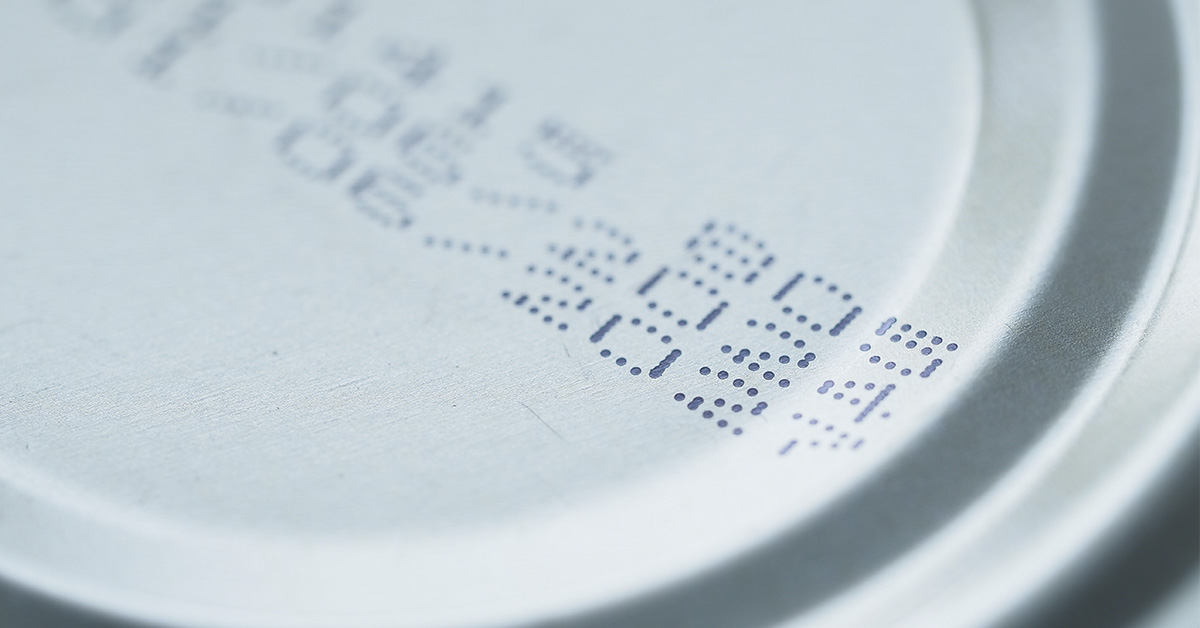
When The Harris Poll surveyed over 2,000 American adults in January 2025, researchers at Harvard and Johns Hopkins found that 88% said they toss food based on the printed date at least occasionally. This habit costs households around $1,300 a year. The waste ends up in landfills without ever having spoiled. Those dates rarely have anything to do with safety. The federal government only requires them for infant formula; everything else is voluntary. When companies do print a date, they’re guessing at quality, not warning you about danger. More than 50 different phrases are in use across the country, from “sell by” to “best if used by” to “enjoy before,” and none of them mean the same thing.
What Expiration Dates Mean
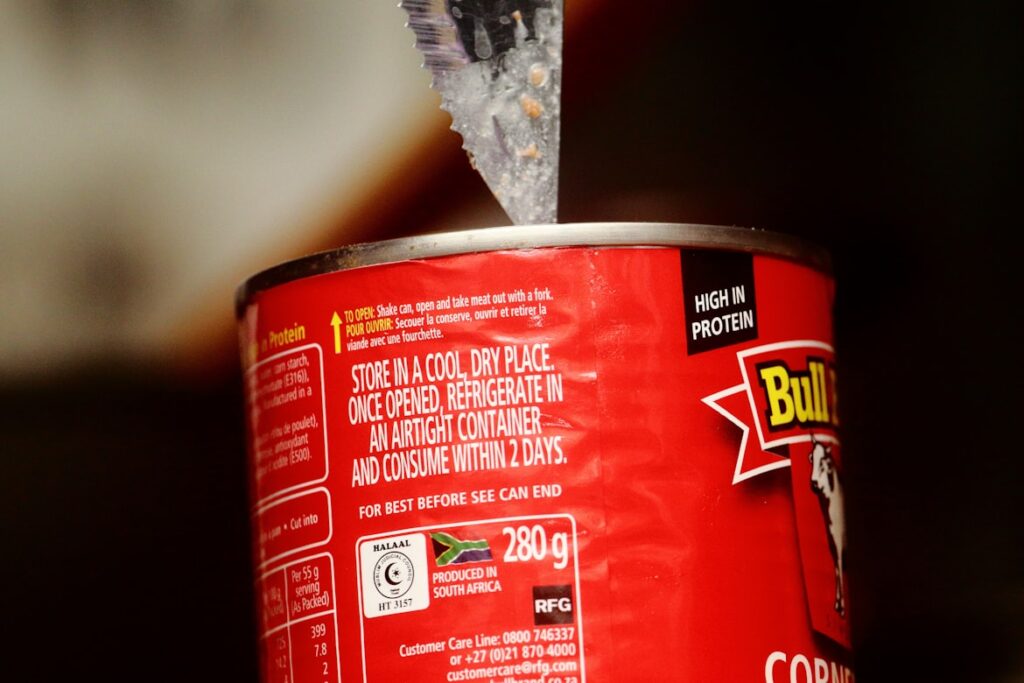
Sell-by dates are instructions for retailers about when to rotate stock. Best-by and use-by dates estimate when quality might start to decline, and even use-by, which sounds like a safety warning, usually isn’t one. Manufacturers face liability if someone gets sick from their product. But they face nothing if you throw out perfectly good food a week early, so they print earlier dates.
The USDA has recommended “Best if Used By” as a standard phrase because research shows consumers read it correctly as a quality indicator. But most companies haven’t adopted it. ReFED, a national food waste research organization, estimates that misreading labels accounts for 20% of consumer food waste. About $29 billion worth of groceries are thrown away each year.
Why Some Foods Never Spoil
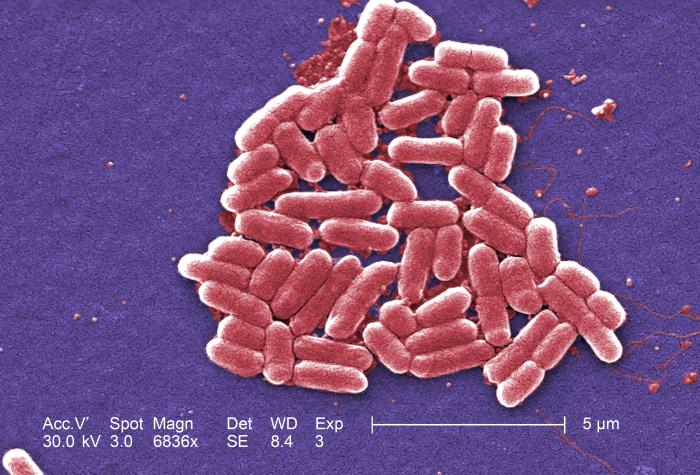
Water molecules in food can bind so tightly to sugars or salts that microorganisms can’t access them, and that availability determines whether food spoils. An Australian scientist, W.J. Scott, measured this in 1953 and called it water activity, a scale from 0 to 1 that the FDA now uses to regulate shelf-stable foods. Fresh meat sits near 0.99 on this scale, which is why bacteria thrive on it within hours. Foods that sit below 0.6 don’t expire because bacteria can’t reach the water.
Dried pasta sits around 0.50, where almost nothing survives. Most bacteria need water activity above 0.90 to grow, and molds can hang on until around 0.70, but below that, nothing grows. Sugar can preserve food by binding water, too, but it takes concentration. Jam needs to be around 60% sugar before it stops spoiling, and honey goes even further, combining around 80% sugar with low pH and trace antimicrobials. That’s why it can last for thousands of years.
Honey
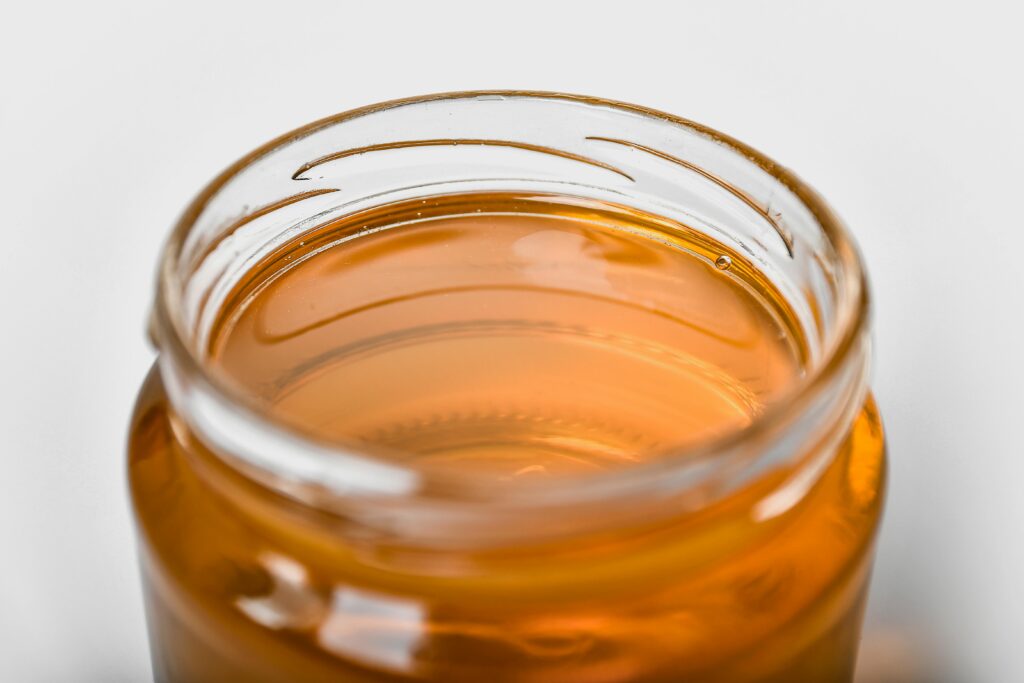
Bees collect nectar that’s about 70-80% water, then spend days fanning it with their wings until the moisture drops below 18%. That drops water activity to around 0.6 and keeps pH between 3.0 and 4.5. Bees also add glucose oxidase as they work, which creates trace hydrogen peroxide. These defenses work so well that honey can sit sealed for thousands of years, which is why ancient Egyptians used it on wounds centuries before germ theory existed. Crystallization can look like spoilage. But it is only glucose falling out of the supersaturated sugar solution, and turning the honey cloudy. Warming the jar returns it to liquid. Honey only goes bad when moisture gets back in from a wet spoon or humid storage, triggering fermentation.
White Sugar
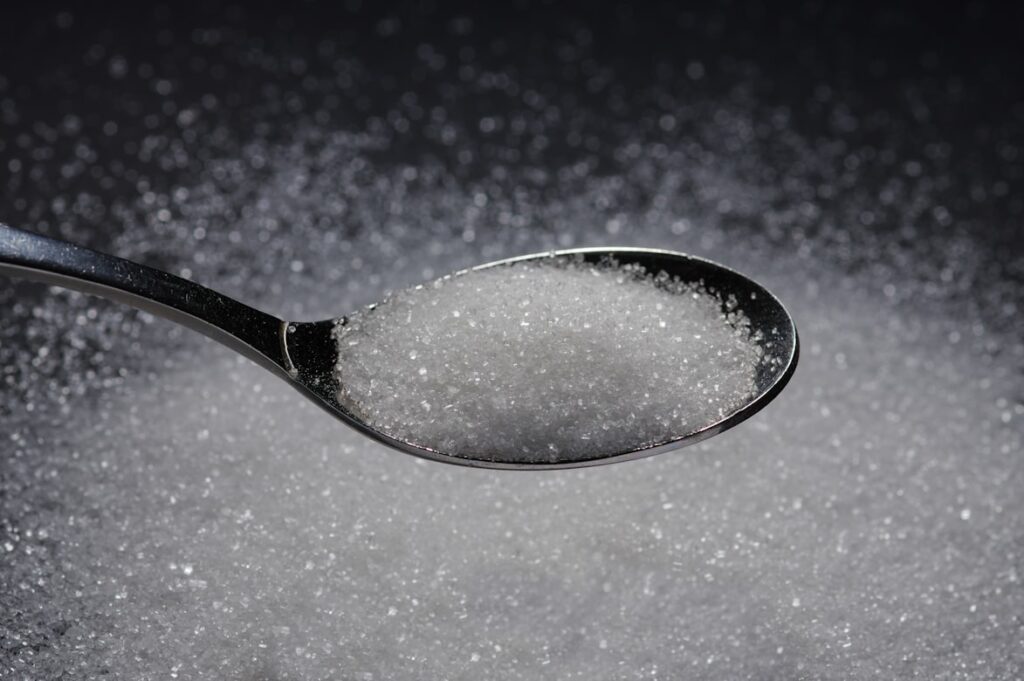
Sugar preserves food by pulling water out of anything it touches through osmosis. Water naturally moves toward higher concentrations of dissolved substances, so any bacteria on sugar get the moisture drawn out of their cells faster than they can survive. This made sugar one of the earliest preservatives, and before refrigeration, people packed fruit in it to keep it from rotting. Granulated white sugar stored in an airtight container lasts forever for the same reason.
Brown sugar behaves differently because it contains molasses, which coats the crystals and gives it that soft texture. When brown sugar sits exposed to air, the molasses dries out, and the crystals clump together into a solid mass. This isn’t spoilage, just moisture loss, and putting a damp paper towel or a slice of bread in the container overnight reverses it. The moisture migrates back into the molasses, and the sugar softens again.
Salt
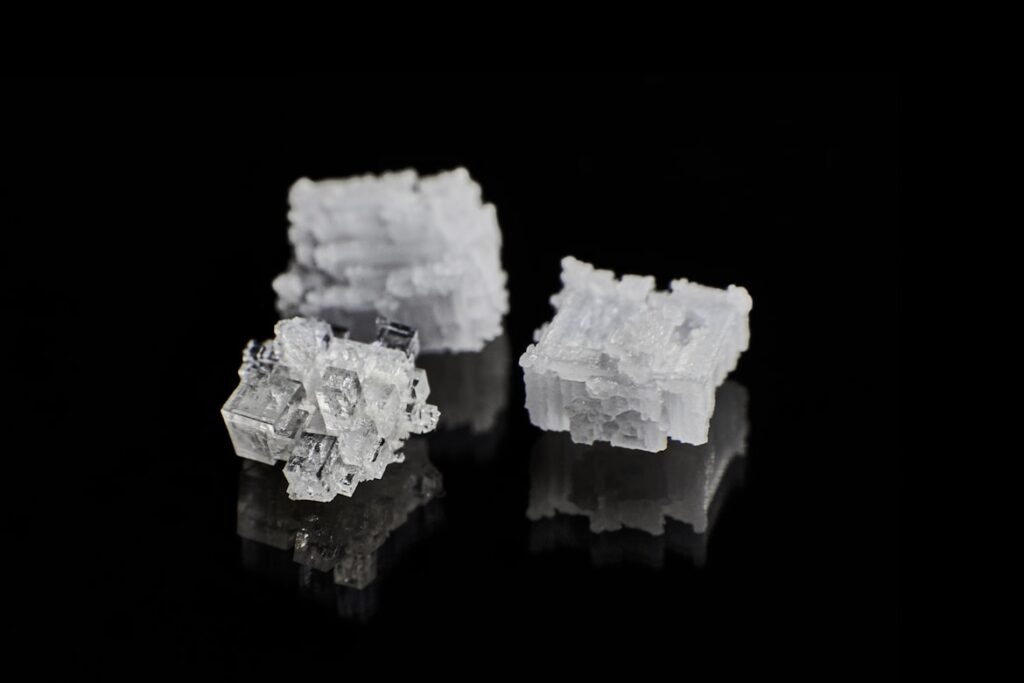
Salt doesn’t preserve food the way sugar and honey do. Everything else we eat was alive at some point, whether plant, animal, or fungus, but salt is the only food that never was. It’s a mineral, just sodium and chlorine atoms locked in a crystalline structure. Because nothing in it is alive, nothing in it can die or decay. A jar of pure salt could sit on your shelf for a century and remain exactly the same quality it was the day you bought it.
So why does the salt in your pantry have an expiration date? Because most of it isn’t pure. Manufacturers add potassium iodide to prevent iodine deficiency, but that additive degrades over time, so the date reflects the iodine losing potency rather than the salt going bad. Anti-caking agents cause similar confusion. They keep salt flowing freely but absorb moisture from humid air, and clumped salt looks unappetizing even though it’s perfectly safe. Breaking it up or drying it out restores it without any loss.
Rice
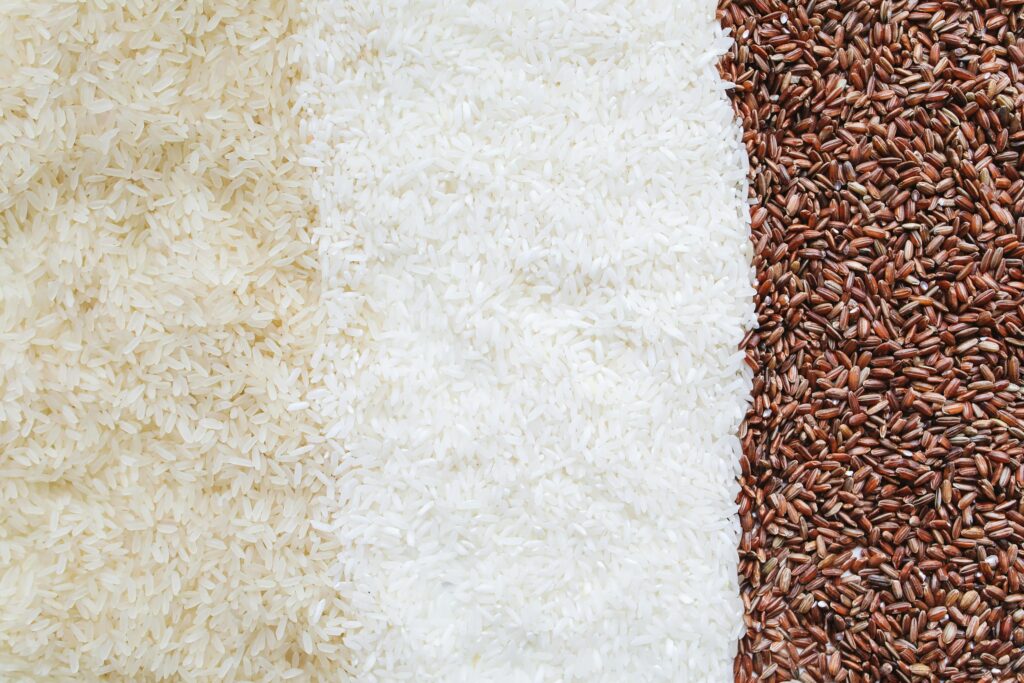
Image by: Pexels
White rice has had its outer bran layer removed during milling, and that layer is where the oils live. Those oils make whole grains nutritious, but they also go rancid. Removing them creates a food that can last for decades. Researchers at Brigham Young University tested white rice stored for up to 30 years and found that over 88% of consumer panelists would still eat the oldest samples.
The bag in your pantry probably has a date within the next year or two. But the rice itself could outlast you. Brown rice keeps its bran layer intact, which means more fiber and nutrients, but also more unstable oils. Within six months to a year, it starts to smell off and taste stale. The same goes for wild rice and red rice. You trade shelf life for nutrition when you choose brown over white.
Dried Pasta
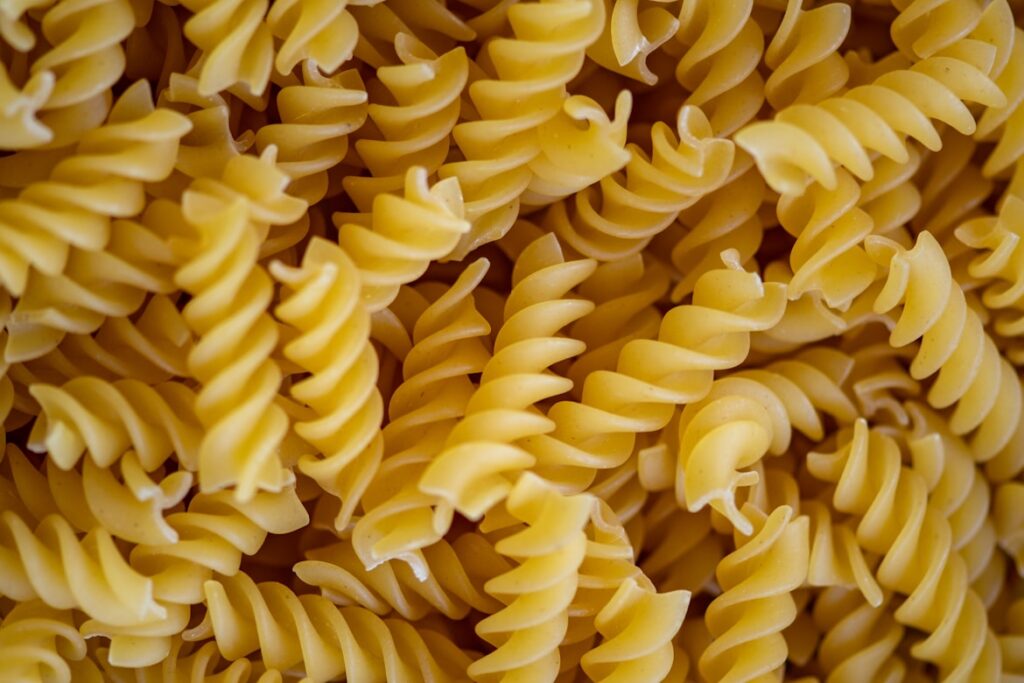
Dried pasta sits at water activity levels around 0.50 to 0.60, well below where bacteria and molds can survive. Kantha Shelke, a food scientist and principal of the research firm Corvus Blue, says there’s nothing in dried pasta that will spoil. She’s even tasted pasta found in an Egyptian pyramid and reported no loss in quality. The box might say to use it within two years, but that date reflects inventory assumptions rather than spoilage.
The only thing that can ruin dried pasta is moisture, and it absorbs humidity from the air over time. If water activity climbs back up, mold can eventually take hold, but a sealed container in a cool pantry prevents this. Pasta stored that way for 5 or 10 years will cook up the same as pasta bought last month. Cooking adds the water back, so cooked pasta needs refrigeration and should be eaten within a few days.
Cornstarch
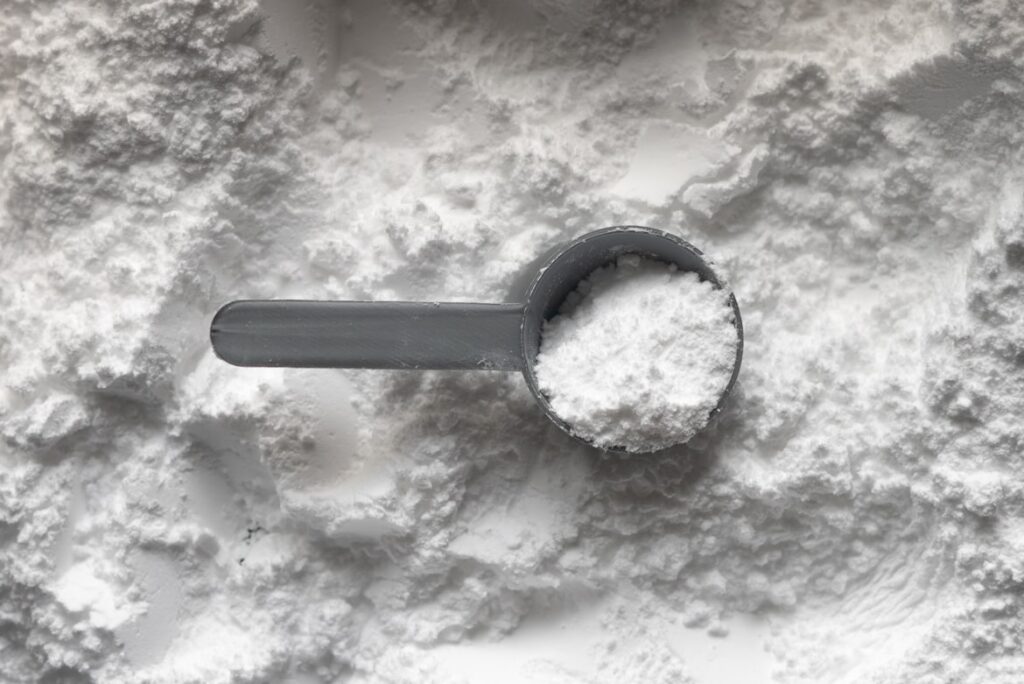
Cornstarch is pure starch extracted from corn kernels, and according to the U.S. Department of Agriculture, it contains only about 8% moisture. That’s low enough to prevent any bacterial or mold growth, which is why cornstarch doesn’t expire and never loses its thickening ability unlike baking powder, which weakens over time.
Fine powders absorb aromas from nearby foods. So, cornstarch stored next to coffee or strong spices will taste slightly off when you use it. A sealed container away from anything fragrant solves this, and dry cornstarch kept that way will outlast almost everything else in your pantry. Moisture is the only real threat. If water gets into the container, clumping and eventually mold can follow, but that takes contamination, not just time.
Pure Vanilla Extract
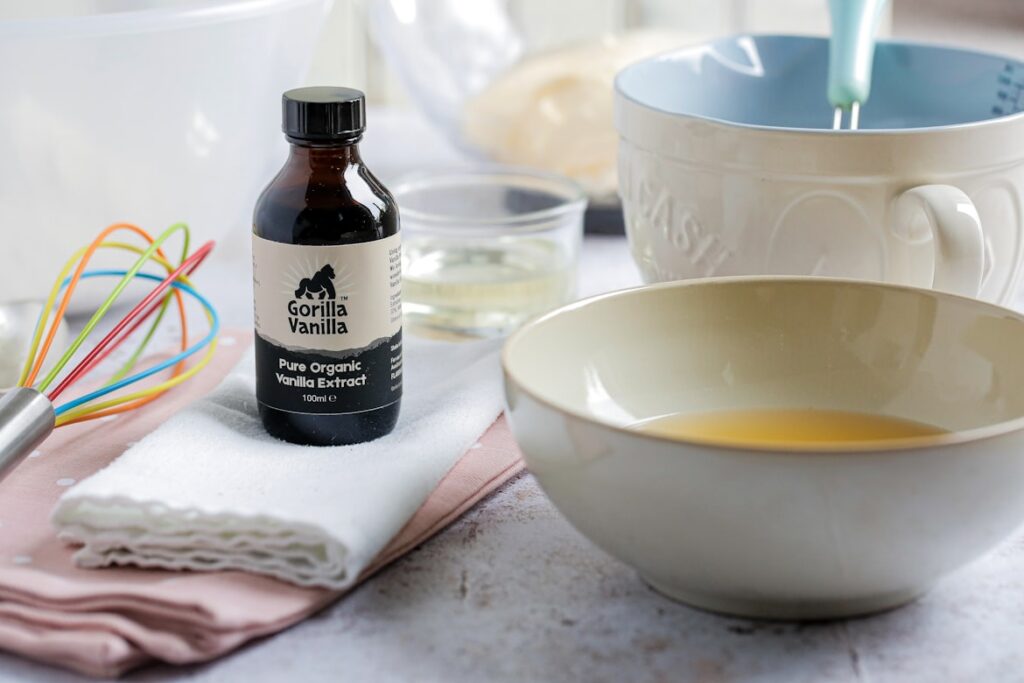
Real vanilla extract contains around 35% alcohol, which is high enough to act as its own preservative. Bacteria and mold can’t survive in that concentration, so a bottle stored somewhere cool and dark will keep forever. The flavor may even improve over time as the hundreds of compounds in real vanilla continue to interact and mellow. Much like wine aging in a bottle.
Imitation vanilla lacks that alcohol base. It’s made from synthetic vanillin, usually derived from wood pulp or petrochemicals. Without the preservative effect of alcohol, it degrades within 6 to 12 months. Losing what little complexity it had to begin with. A bottle of real vanilla extract costs 3 times as much but lasts forever, while the cheap imitation needs replacing every year.
Vinegar
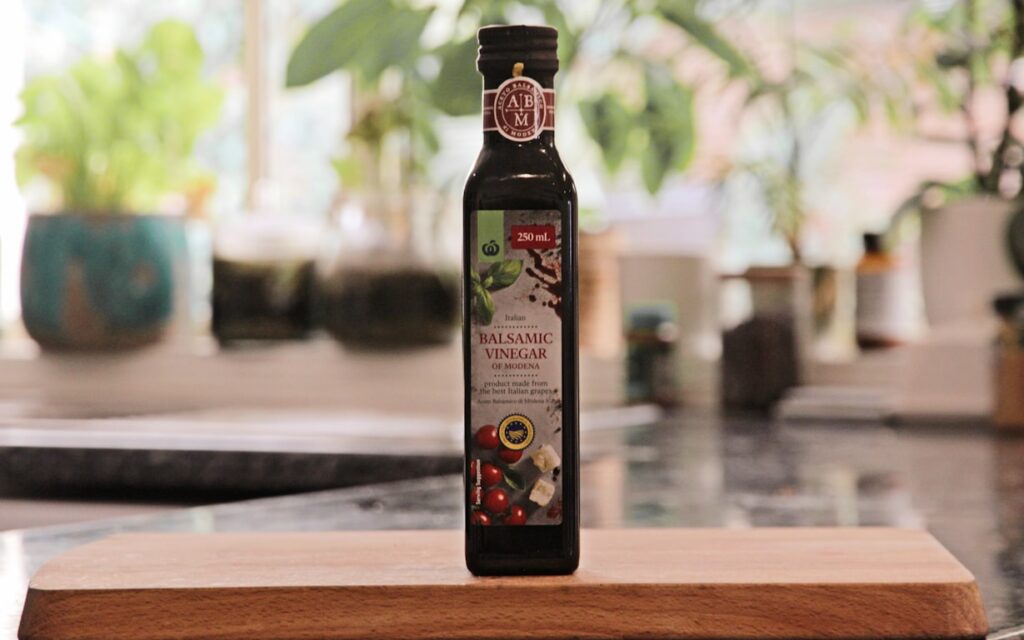
Vinegar lasts forever because fermentation has already run its course. This is the process in which bacteria break down sugars, and in vinegar, that process has gone all the way to completion. The bacteria have eaten every available sugar and converted it into acetic acid. Which is what gives vinegar its sharp, sour taste. With nothing left to feed on and an environment too acidic for anything else to grow. Spoilage can’t happen. White vinegar, apple cider vinegar, balsamic, and wine vinegars all share this stability as long as they stay sealed.
Once opened, vinegar sometimes develops a cloudy mass floating near the bottom called the mother. This is a colony of the bacteria that made the vinegar in the first place, held together by cellulose fibers they produce. It looks strange, but it’s harmless, and some people seek it out to make homemade vinegar. You can strain it out or ignore it. Store vinegar away from direct sunlight and heat to maintain flavor quality, but even neglected bottles remain safe for years.
Soy Sauce
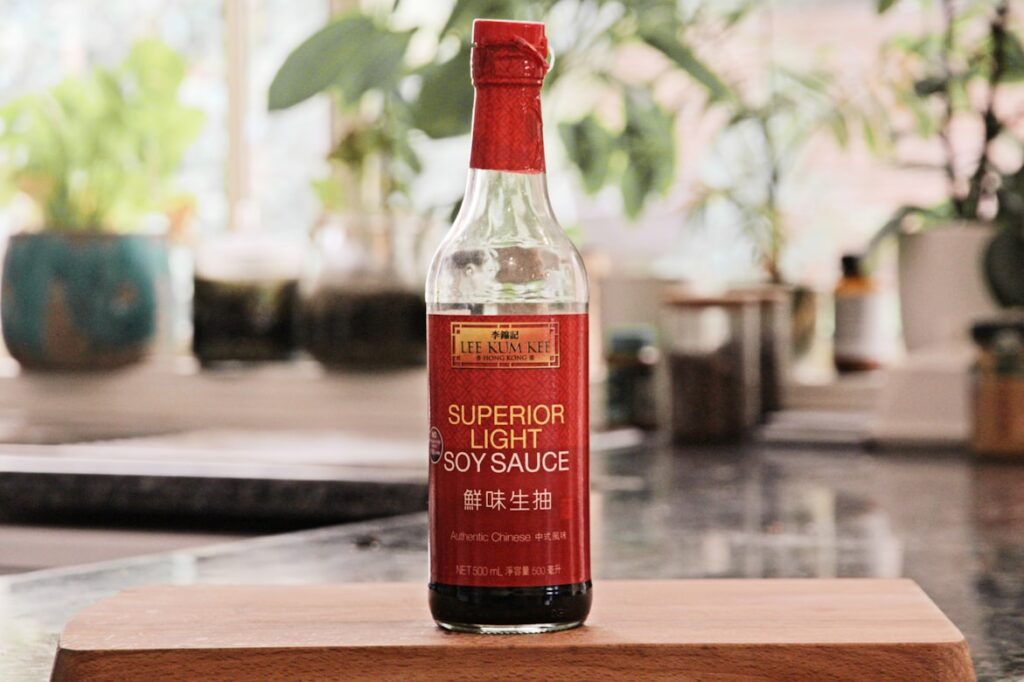
Traditional soy sauce contains 14-18% salt and goes through fermentation, so two preservation mechanisms work together. The salt binds water molecules just as sugar does, leaving microorganisms without the moisture they need to survive, and fermentation adds another layer. During brewing, which can take months or years, bacteria and molds break down soybeans and wheat into amino acids and organic acids that lower the pH enough to keep anything from growing even after you open the bottle.
An unopened bottle lasts for years at room temperature, and opened soy sauce keeps for 2 to 3 years in the refrigerator. The bottle probably says to use it within a year or two. But the sauce remains safe well beyond that as long as it still smells and tastes right. Flavor may fade as volatile compounds evaporate. But faded soy sauce is a quality issue, not a safety one. Cheaper soy sauces skip fermentation and use a chemical process to break down soybeans in days rather than months, then add salt for preservation. These last just as long but rely on salt alone.
Pure Maple Syrup
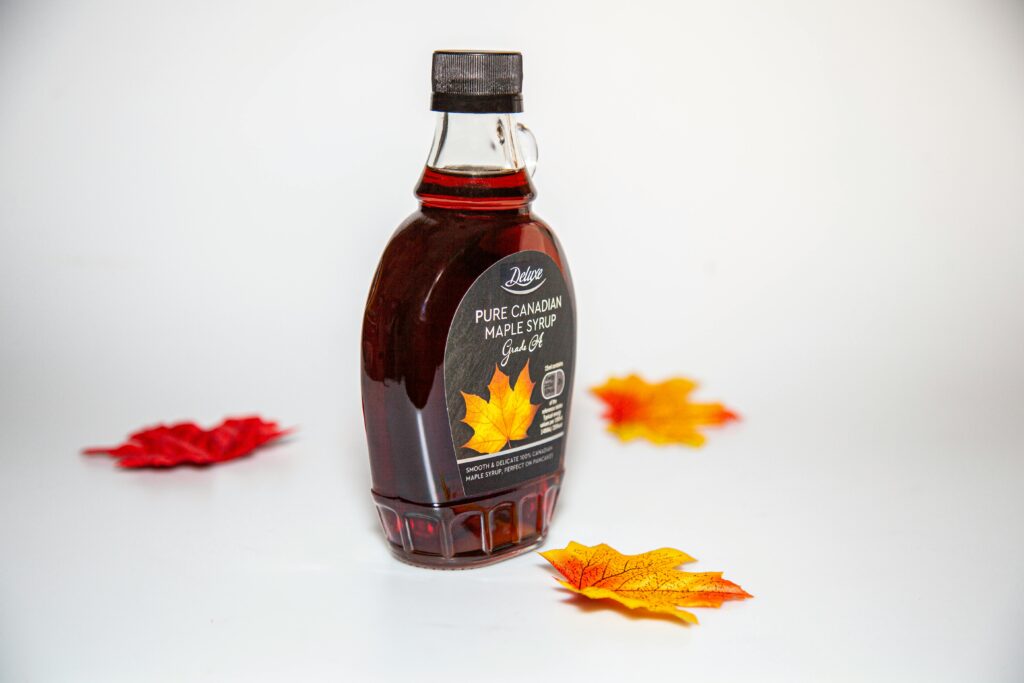
Mold can sometimes appear on the surface of maple syrup, which might look alarming, but it’s not a sign that the syrup will spoil if stored correctly. Unlike honey, maple syrup contains enough water that mold can grow if exposed to air, so proper storage is key. Once opened, keeping maple syrup refrigerated in a tightly sealed container prevents mold, meaning it can last essentially indefinitely. If any mold ever develops, it’s safest to discard the syrup, but otherwise, it doesn’t expire even if the “best by” date has long passed.
Unopened bottles stored in a cool, dark place can last for years without losing flavor or quality. Pancake syrup, which is mostly corn syrup with artificial maple flavoring, also resists spoilage due to its high sugar content, making it another sweet pantry staple that can last far longer than the label suggests.
Dried Beans and Legumes
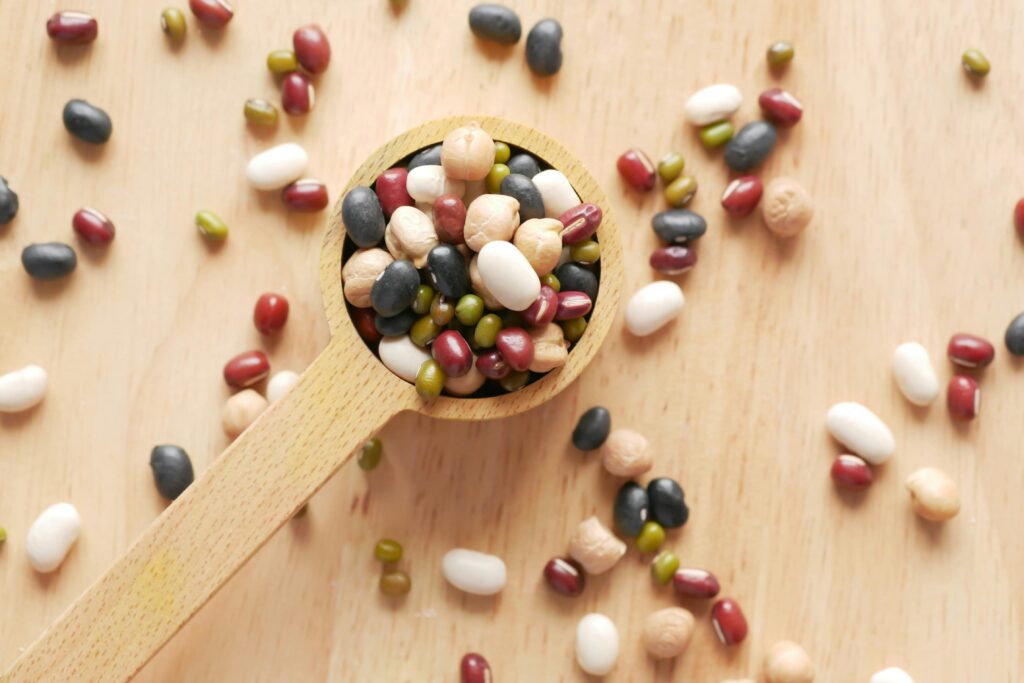
The same BYU researchers opened cans of pinto beans that had been sitting in storage for 30 years and fed them to consumer taste panels. Even after three decades, 80% of testers found them acceptable. The beans had lost some quality, but they were still edible, still nutritious, and still worth keeping. Dried beans last this long because they contain almost no moisture, and without it, bacteria have nothing to work with. The cell walls do change over time, though.
As beans age, especially in warm or humid conditions, the walls harden and become resistant to water absorption. This is why very old beans take forever to cook and sometimes never fully soften. No matter how long you simmer them. Adding baking soda to the cooking water helps break down those stubborn walls, but a 30-year-old bean will never cook like a fresh one. The nutrition is still there. You just need more patience and lower expectations about texture.
Oats
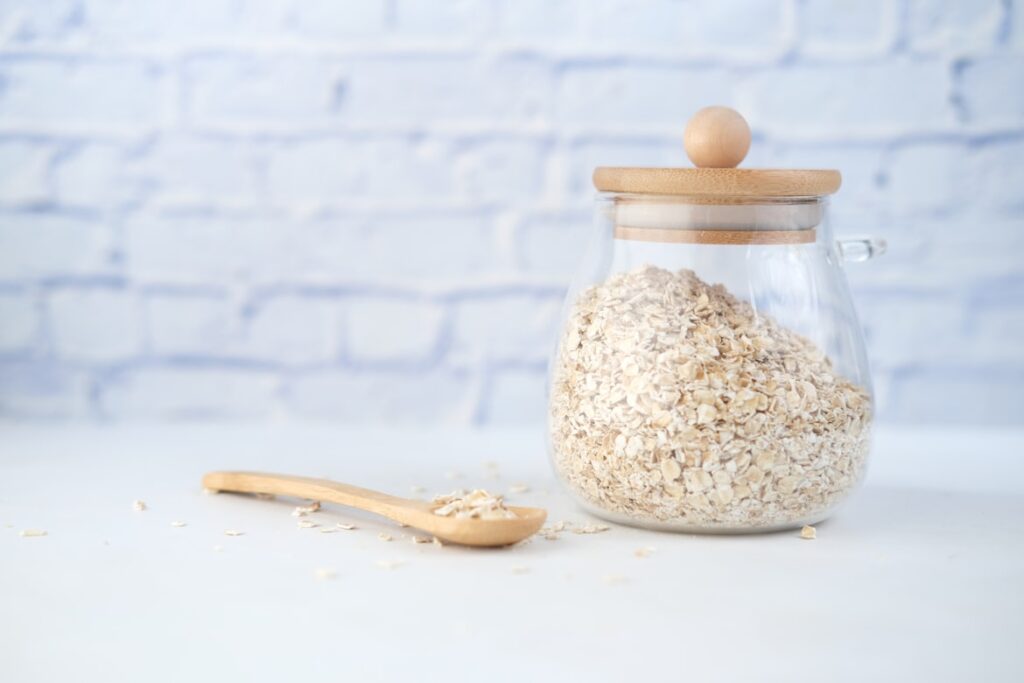
Rolled oats and steel-cut oats can last up to 30 years when stored correctly. That BYU team also tested rolled oats sealed in cans for up to 28 years and found little change in nutritional value. Oats contain natural oils that go rancid when exposed to air, and removing the oxygen stops that reaction before it starts. Without storing precautions, oats typically last 1 to 2 years before they develop a stale smell and off taste. Instant oats don’t keep as long because manufacturers add milk powder, sweeteners, and flavorings that degrade faster than plain oats do.
Popcorn Kernels
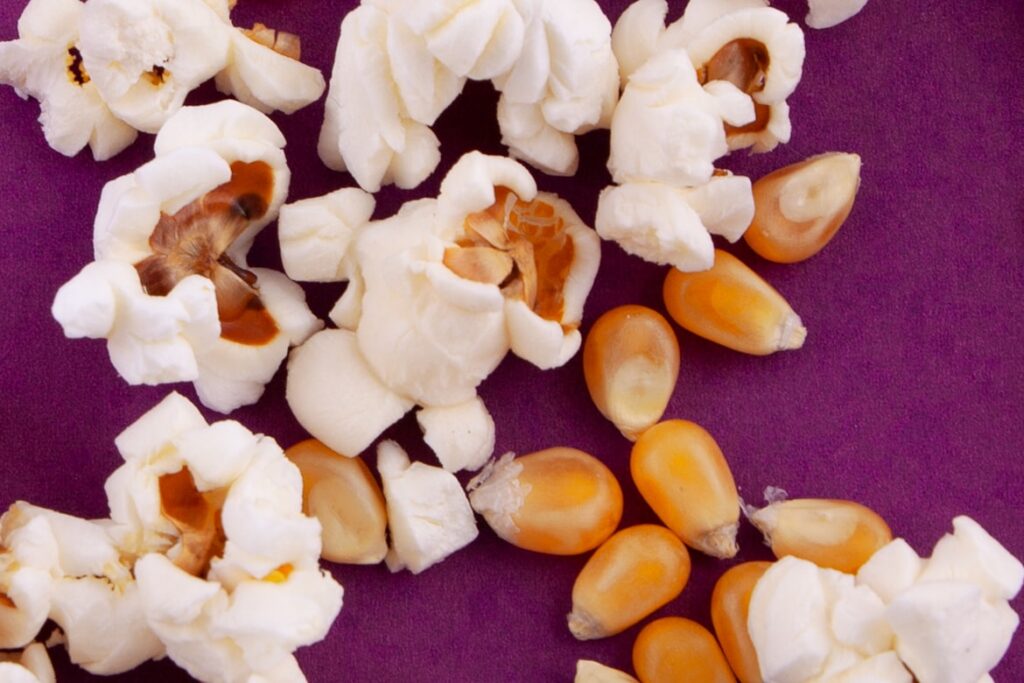
Unpopped popcorn kernels last forever because of their low moisture content, though old kernels may not pop as well as fresh ones. Each kernel contains about 14% water trapped inside a starchy center, and when you heat it, that water turns to steam and builds pressure until the hull bursts. The tip of the kernel isn’t completely moisture-proof, so water slowly escapes over the years. Once the moisture drops too low, the kernel can’t generate enough steam to pop. Storing kernels in an airtight container slows that loss.
Hard Liquor
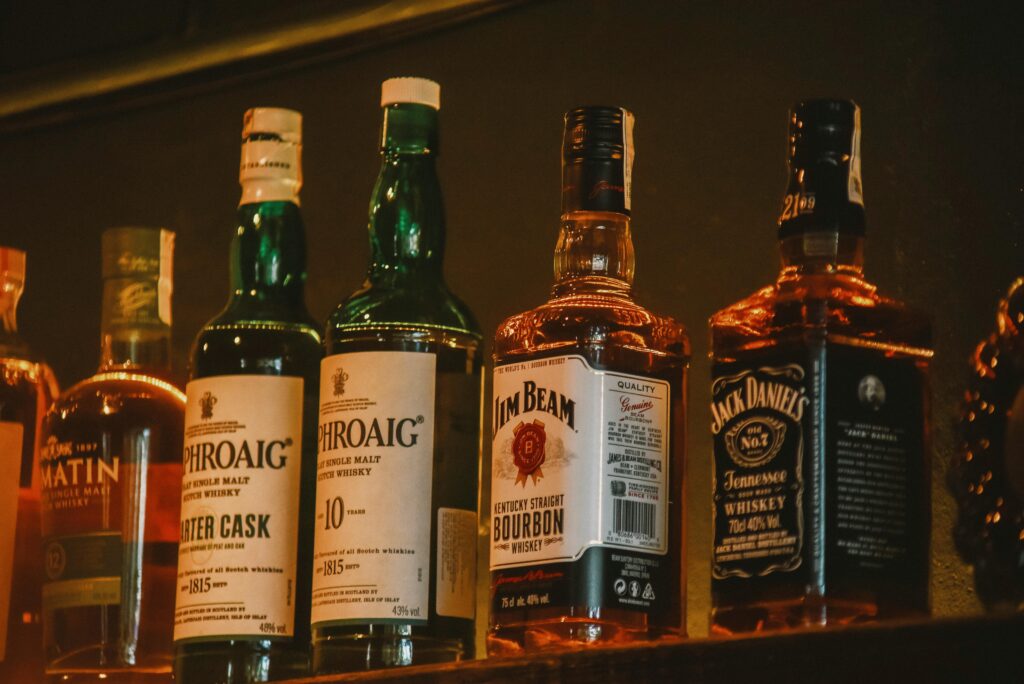
Distilled spirits don’t carry expiration dates because they don’t need them. At 40% alcohol or higher, nothing can grow in the bottle. Unopened whiskey, vodka, rum, or gin will taste the same decades from now. That dusty bottle from 10 years ago isn’t off. It’s just been waiting. Opening the bottle lets air in, and oxidation gradually dulls the flavor, but the liquor never becomes unsafe. Liqueurs follow different rules because they contain sugar, fruit, or dairy that can spoil, so cream-based varieties need refrigeration and should be used within a year.
Hard Cheese
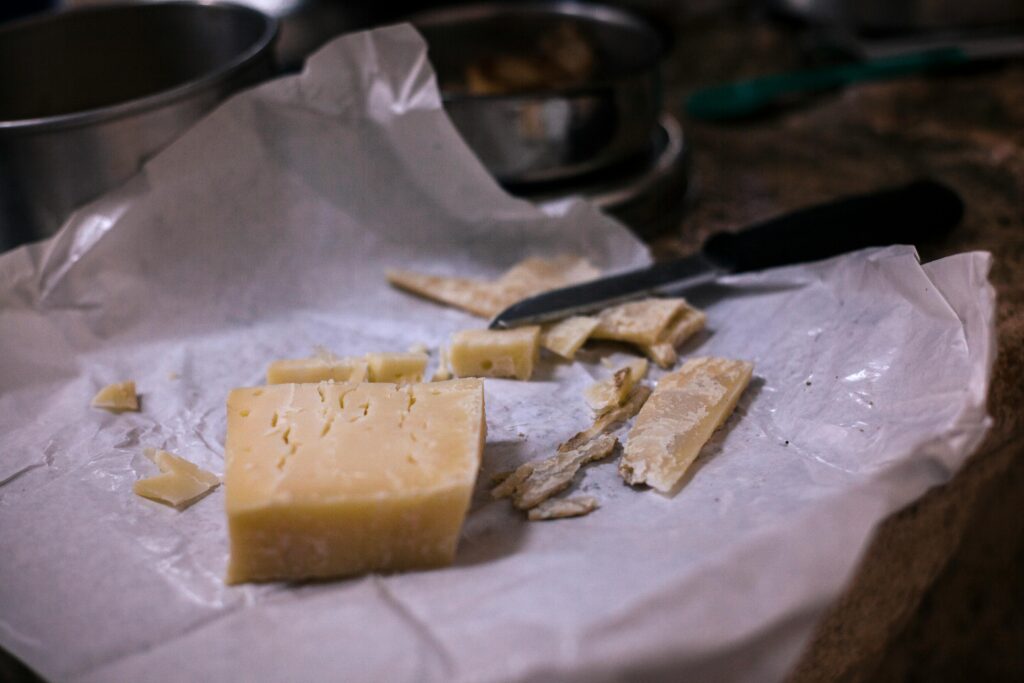
Hard cheeses like Parmesan, aged cheddar, and pecorino are the exception to everything people assume about dairy. The aging process drops water activity. Parmesan can reach a water activity as low as 0.67, comparable to dried pasta and well below the threshold where pathogens grow. The combination of low moisture, high salt, and acidic pH makes properly aged hard cheese so stable that the FDA doesn’t even require refrigeration for intact wheels during storage and transport.
An unopened waxed wheel can last for years in a cool cellar, and vacuum-sealed blocks stay good for months past whatever date the package shows. If mold appears on the surface, it doesn’t mean the cheese is ruined. Mold needs moisture to send roots into food, and hard cheese is too dry for that penetration. You can cut away the spot plus an inch around it and eat the rest. Something you should never do with soft cheeses like brie or ricotta, where mold spreads through the entire block. The white specks that sometimes form on aged cheddar or Parmesan aren’t mold at all. They’re calcium lactate crystals, a sign the cheese has been aging properly, and they’re safe to eat.
Ghee
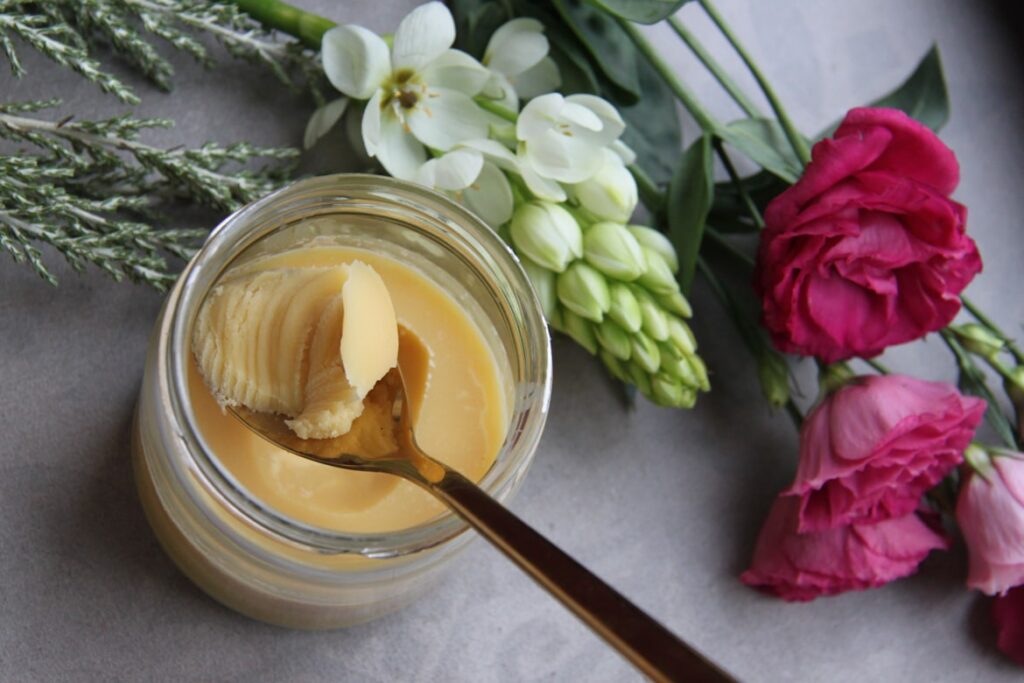
Ghee is clarified butter with all the milk solids removed, leaving behind pure butterfat with less than 0.5% moisture. Regular butter spoils because it contains water, proteins, and milk sugars that bacteria feed on. But ghee eliminates all of those during clarification. Pure butterfat is stable on its own, which is why an unopened jar of commercially made ghee can last one to two years in the pantry without refrigeration. Even after opening.
Indian cooks figured this out centuries ago. In a climate where refrigeration didn’t exist, ghee became the solution for preserving dairy fat. Ayurvedic tradition prizes aged ghee, treating it as more valuable the longer it has been stored. Clarification also raises the smoke point to around 485°F, well above butter’s, which means ghee won’t burn or break down during high-heat cooking. It functions more like a cooking oil than a dairy product, and that’s the point. Removing the parts that spoil transforms something perishable into something that lasts.
Powdered Milk
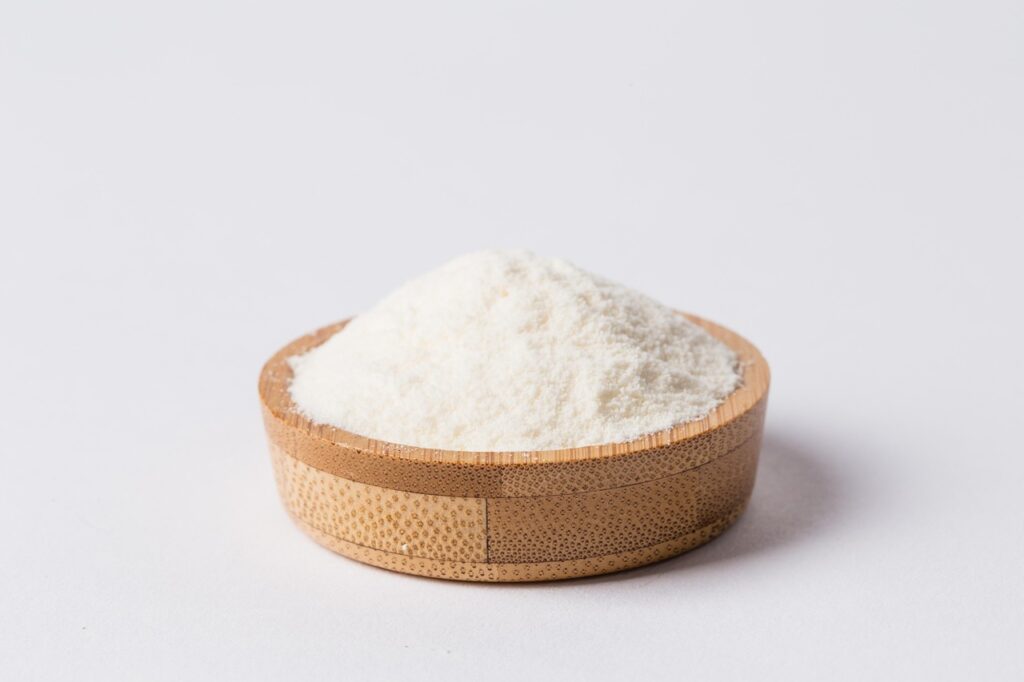
Nonfat dry milk can last anywhere from 2 to 10 years past its printed date when the package stays sealed, according to USDA guidelines, though manufacturers typically print best-by dates of 18 months to be conservative. Nonfat outlasts whole milk powder because of fat. Whole milk powder contains enough milk fat to go rancid over time, limiting its shelf life to 1 or 2 years. At the same time, nonfat versions remove that problem almost completely. What’s left is mostly protein and lactose in dried form.
Once you open the package, air and humidity start working against you, and the powder should be used within about 3 months. Transferring it to an airtight container helps, and some people freeze opened powder to extend its life further. You can tell when powdered milk has turned by a few clear signs. The color changes from creamy white to yellow, the smell goes stale or sour, or the texture becomes clumpy rather than free-flowing. If the powder still looks and smells normal, you can test it by mixing a small amount with water. It should dissolve easily and taste like milk. Once reconstituted, treat it like fresh milk and use it within 4 or 5 days.
How to Tell When Food Has Gone Bad
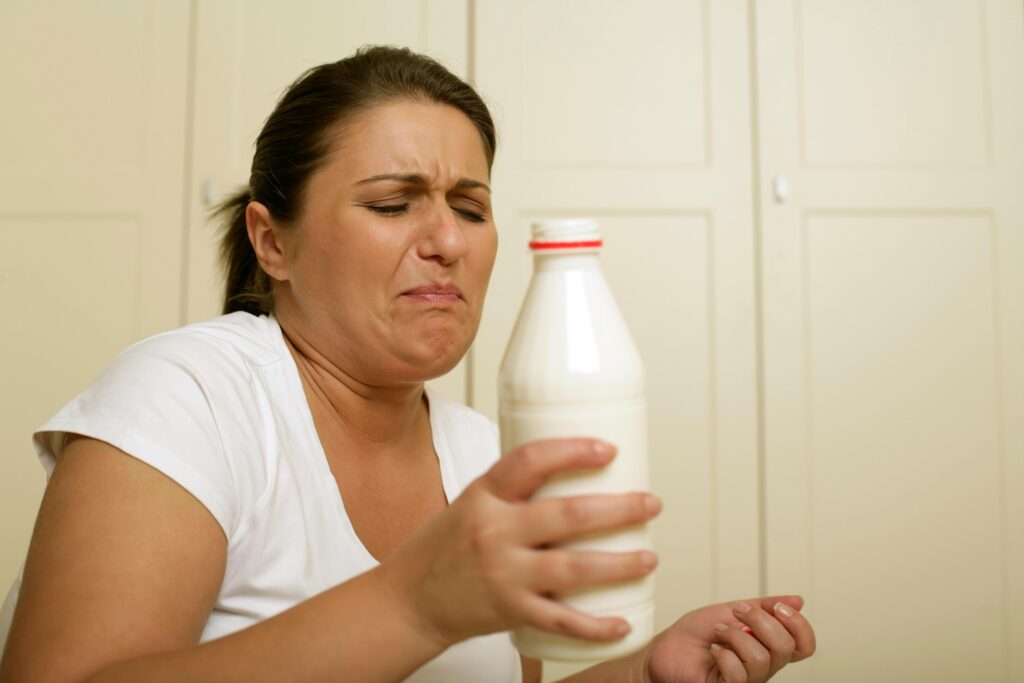
Bacteria produce foul odors as they break down proteins and fats, so smell is your first check. Texture is the second, since sliminess on meat or vegetables means spoilage has set in, and anything soft when it should be firm has turned. You already know mold can be cut away from hard cheese with an inch margin because low moisture keeps it from penetrating, but soft cheeses and moist foods should be tossed since mold spreads through them.
Some signs mean you shouldn’t taste to check. Bulging cans indicate gas-producing bacteria, so throw them out without opening. That crystallized honey in your pantry is fine, but honey that bubbles and smells fermented has absorbed enough moisture for yeast to grow. The USDA says if food looks, smells, and feels normal, it’s safe to eat regardless of the date.
Why the Rules Are a Mess
All of these foods last far longer than their labels suggest. So who decides what goes on those labels, and why do they exist if the food is still good? The answer is messier than you’d expect. Federal agencies don’t require date labels on most foods. So states write their own rules, and some cities pile additional requirements on top. New York City once mandated expiration dates on milk that New York State itself didn’t require. Then repealed the rule in 2010 after recognizing it served no public health purpose. The label was making people throw away perfectly good milk, and nobody was getting any safer because of it.
Read More: Should We Eat Eggs With Blood Spots?
What Might Change

The U.S. Government Accountability Office has recommended better coordination between the USDA, the FDA, and state governments, but adoption of consistent standards remains voluntary. Research from the Harvard Food Law and Policy Clinic found that “Best if Used By” is the phrase consumers interpret most reliably, and in late 2024, the FDA and USDA issued a joint request for public input on how date labels are used and understood, an acknowledgment that most foods don’t actually expire on schedule.
California isn’t waiting for the federal government to act. AB 660, signed in September 2024, became the first state law mandating standardized labels, and starting July 2026, manufacturers selling food in California must use either “Best if Used By” for quality or “Use By” for safety. Vague phrases like “sell by” and “enjoy by” disappear from packaging. If other states follow, the gap between what science knows about food safety and what labels communicate might finally start to close.
Read More: Why Don’t We Eat Turkey Eggs?