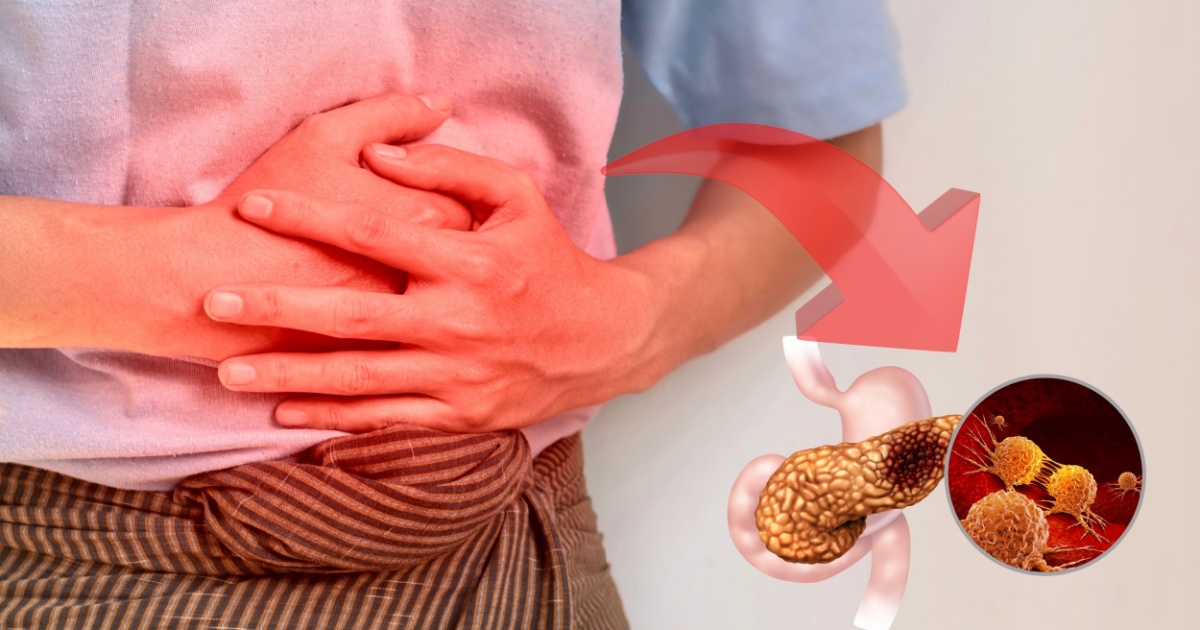

Pancreatic cancer often hides in plain sight. Many of its earliest warnings look like everyday problems. A stubborn bout of indigestion, or a new backache that will not settle. A strange change in appetite that drags on for weeks. People want a clear checklist for the early symptoms of pancreatic cancer, yet the reality is messier. Pancreatic cancer symptoms can start small, then build quietly through small changes that seem unrelated. Some warning signs are easier to spot. Yellowing of the eyes. Dark urine. Pale, greasy stools that float. Those changes can signal bile blockage and need urgent care.
Other signs are harder to trust. Unexplained weight loss. New fatigue that makes normal days harder. Nausea that keeps returning. New diabetes or sudden glucose swings can also fit the picture for some people. This guide explains the early symptoms of pancreatic cancer and also shows which pancreatic cancer symptoms deserve same-day assessment. You will learn what to track at home, what details help doctors most, and how to push for follow-up when symptoms persist. The goal is simple. Notice what changed, write it down, and act sooner when red flags stack up.
Why early symptoms often go unnoticed
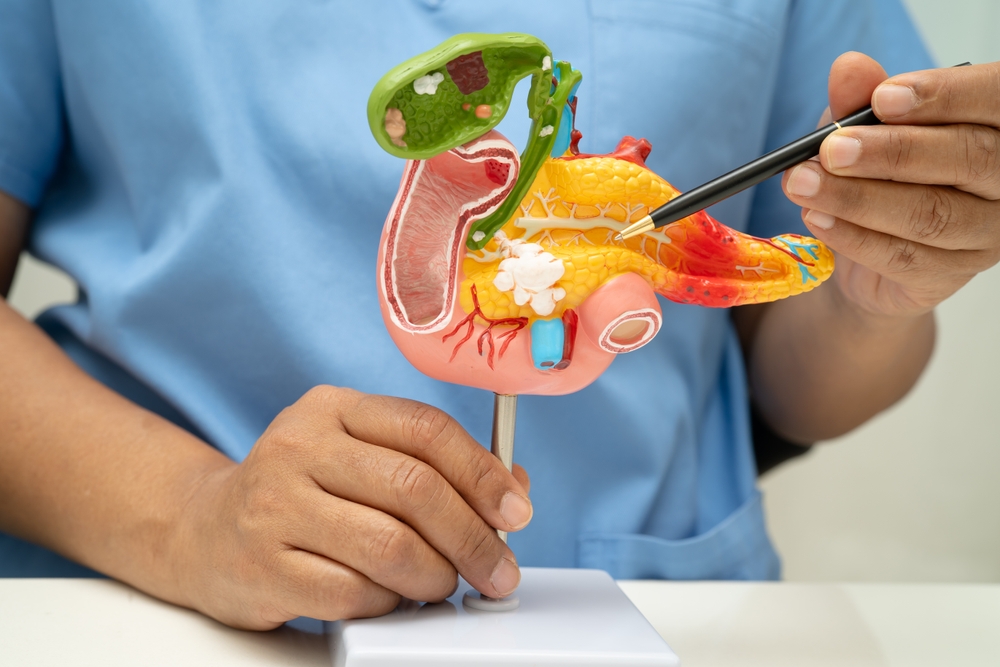
The pancreas sits deep in the abdomen. That anatomy hides many problems at first. The NIH PDQ summary explains several reasons for late detection. The summary notes that there are often no noticeable early signs. It also notes that symptoms can mimic other illnesses. It adds that the pancreas sits behind many organs, so doctors cannot examine it directly. This pushes diagnosis toward imaging and lab tests. That overlap pushes people toward self-care and waiting. They may switch foods, take antacids, or rest more. They may also blame stress or a busy week. Additionally, they may treat symptoms as reflux or a food intolerance. Many benign problems cause those symptoms. Yet the key is a change from your normal baseline. If you never had reflux before, a new daily burn matters. Those choices make sense for a short illness. However, early symptoms of pancreatic cancer often persist or return.
They may also shift in character over time. A dull ache may start after meals. Weeks later, appetite may drop. Later, weight may fall without effort. Each step can seem separate. Yet the body often links them through one cause. Clinicians often listen for timing, change, and accumulation. A symptom that lasts 2 weeks carries more weight than a single bad day. Additionally, a symptom that returns every week carries more weight than a one-off episode. Furthermore, a symptom that changes or gains a partner symptom also matters. Research helps explain why people delay. Researchers at the University of Oxford led a qualitative interview study. They spoke with 40 people affected by pancreatic cancer across the UK. One participant described an on-and-off stomach ache. He kept waiting because the pain was not constant. He later said, “It can’t be very important, because it comes and goes.”
That line captures a common mistake. Intermittent symptoms can still matter. The study found people often acted after episodes increased or changed. Use that insight at home. If a symptom keeps returning, write it down. Note what makes it better, or worse, and note the time of day. Bring those notes to your clinician. Include the date each symptom started. Include what you ate before it began. Also include any new medicines or supplements. This detail can help rule out common triggers. Also mention major risk factors when they apply. The NIH PDQ summary lists smoking and being very overweight as risk factors. It also lists family history and certain hereditary conditions.
This context helps a doctor set urgency without guessing. When you ask for help, explain what changed, not only what hurts. Say whether the symptom is new, worse, or simply different. Mention if it interrupts sleep, work, or meals, because that signals impact. The NIH PDQ summary also lists “Depression” among possible symptoms people should report to a doctor. Mood change can have many causes, but it can also be tracked with physical illness. If you notice persistent low mood with appetite loss or weight loss, report it together. A clinician can then evaluate the whole picture, not one isolated complaint.
Jaundice and the bile-duct clues
Jaundice is one of the clearest pancreatic cancer symptoms. It can appear when a tumor blocks the bile duct. Johns Hopkins Medicine explains the key detail. It says, “Jaundice in pancreatic cancer is painless.” Painless change can still signal danger. People may notice color shifts before discomfort. Yellowing can look different on brown or black skin. Pancreatic Cancer UK notes that yellow skin may be less obvious, but the eyes can look yellow. Yellowing of the eyes can be the first clue. Yet urine and stool changes can show up early, too. The American Cancer Society states, “Sometimes, the first sign of jaundice is darker urine.” Dark urine can look like dehydration. A blocked duct can cause it even with good hydration. Stool changes can also speak loudly. Johns Hopkins lists “Pale, greasy stools that float in the toilet.”
The American Cancer Society explains why fat can pass through. It links greasy stools to the blocked flow of bile and enzymes. Itching often joins jaundice, and it can be severe. Johns Hopkins lists pruritus, or itchy skin, with jaundice signs. The NHS also links jaundice with itchy skin. It also mentions darker pee and paler poo than usual. These signs point to disrupted bile flow. They deserve urgent medical review for several reasons. The pancreas sits behind other organs, so pain may lag behind blockage. The NIH PDQ summary notes that the pancreas is hidden behind the stomach and other organs. That anatomy is why jaundice can become the first obvious clue. Clinicians often check bilirubin and liver enzymes first. They may then order an ultrasound, CT, or MRI imaging to find the blockage.
Doctors must rule out a dangerous blockage. They also need to check for infection risk. Pancreatic cancer is one possible cause among others. Bile issues can also create a rapid sense of illness, even without pain. If yellowing appears, act quickly. Call a doctor the same day. If you cannot reach one, use urgent care. Bring clear details about the color change and timing. Take a photo of the eyes in daylight if you can. Tell the clinician if the stools look pale, greasy, or float. Clinicians may ask about alcohol use and gallstone history. They may also examine the abdomen for tenderness and swelling. Mention any fever, chills, or new confusion too.
The NIH PDQ summary notes that doctors use tests and procedures to detect and diagnose. Early testing can reduce delays when bile flow seems blocked. If you are unsure about jaundice, check the eyes in daylight, not bathroom lighting. The NHS puts it plainly:“the whites of your eyes or your skin turn yellow (jaundice).” Also watch for dark urine and pale stools, because those can arrive first. The American Cancer Society notes, “Sometimes, the first sign of jaundice is darker urine.” If itching becomes intense, mention it too, since blocked bile can trigger it. Johns Hopkins lists pruritus alongside jaundice signs. When these changes appear together, ask for a same-day assessment.
Appetite, weight loss, and stool changes that tell a story
The pancreas supports digestion through enzyme release. When the enzyme flow drops, food can be poorly digested. That can change stool, appetite, and weight. The Mayo Clinic lists “A loss of appetite or unintentional weight loss” among symptoms. It also lists light colored stools. These signs can arrive before severe pain. People may also notice nausea, bloating, or early fullness after small meals. Mayo Clinic lists nausea, bloating, and fatigue among symptoms. The Oxford interview study also lists indigestion, unusual belching, and abdominal distension as reported signs. Additionally, the American Cancer Society explains a related clue. It says stools may become greasy and may float. People sometimes describe stools as oily. They may also notice a strong smell that seems new. Others see stool that looks pale or gray. Those details can help a doctor choose tests.
They may also point toward poor fat digestion. Some people notice more gas after meals. Others notice nausea that worsens in the evening. The NIH PDQ summary lists loss of appetite among the signs to report. The Oxford interviews also include nausea and vomiting among reported signs. They can also separate a short bug from a longer problem. A stomach virus usually resolves within days. A persistent change suggests another cause. Unplanned weight loss deserves special respect. The NIH PDQ summary lists “Weight loss for no known reason” as a sign to report. It also lists appetite loss and tiredness. Weight loss can happen for many reasons. Thyroid disease can raise metabolism. Depression can reduce eating. Poor absorption can also drive it. In pancreatic cancer, blocked bile and reduced enzymes can limit nutrition.
People may also notice food sits heavily after small portions. The Oxford interview study shows how bowel changes can mislead. One participant described floating stools and urgent bowel movements after meals. Others thought it was irritable bowel syndrome. Keep the focus on change and persistence. If stools stay greasy for 2 weeks, write it down. If appetite drops and weight falls over 1 month, record numbers. Furthermore, if symptoms keep returning, ask for a review and follow-up. Bring notes, not guesses, to the appointment. Record your weight once a week at the same time. Write down how often you wake at night with discomfort. Note whether symptoms follow meals or appear without food. These details help clinicians separate gut irritation from obstruction.
That record can help a clinician decide on imaging sooner. Also, watch how fast the change happens, and how long it stays. A single strange meal can upset anyone’s stomach. A month of new, greasy stools is different. If you see oil in the bowl, mention it directly at the visit. If you cannot finish meals you once enjoyed, say that too. The NIH PDQ summary lists “Weight loss for no known reason” as a sign to report. If weight drops while appetite drops, that combination deserves follow-up. Ask what the next step is if symptoms continue. Request a clear review date, even if tests look normal today.
Pain, fatigue, and the signals outside digestion

Pain can be an early symptom of pancreatic cancer, but it varies. The NIH PDQ summary lists “Pain in the upper or middle abdomen and back.” Mayo Clinic also describes abdominal pain that radiates to the back. This pattern can mimic a muscle injury. It can also mimic spine problems. Many people blame posture or heavy lifting. That explanation sometimes fits. It fits less when pain links with meals or weight loss. It also fits less when pain keeps returning. Pain that wakes someone at night also needs attention. Others notice pain under the ribs that spreads into the back. Pain can worsen after eating, especially after fatty meals. Muscle pain usually improves with movement changes and time. A deeper abdominal pain often persists despite rest. If pain steadily escalates across days, contact a clinician. If pain keeps returning, ask what follow-up is planned.
Others report a nagging back pain that never quite leaves. The important feature is change. New pain that persists deserves assessment. Fatigue can appear early, and it can confuse people. The NHS lists feeling tired or having no energy as a possible symptom. The NIH PDQ summary also lists “Feeling very tired.” Fatigue becomes more meaningful when it joins other changes. It can cause appetite loss or weight loss. It can also show up with jaundice. People may try sleeping more and drinking more caffeine. They may also cancel plans and avoid exercise. If stamina drops over weeks, say so clearly. Use concrete examples at the clinic. Mention what you could do before, and what you cannot do now. Mayo Clinic also lists blood clots among possible symptoms. If a leg swells suddenly, seek urgent care. Shortness of breath or chest pain also needs emergency assessment.
Those symptoms can have many causes, but they are urgent. Doctors often start with blood tests and a history. The NIH PDQ summary notes that tests examine the pancreas and nearby areas. Combined symptoms can speed decisions about scans. Also, take sudden clot symptoms seriously, even if digestion seems normal. The American Cancer Society notes, “Sometimes, the first clue that someone has pancreatic cancer is a blood clot in a large vein, often in the leg.” A clot can cause new leg swelling, redness, warmth, and pain. A piece can also travel to the lungs and cause chest pain or breathlessness.
Cancer Research UK stresses the urgency with a blunt line: “Blood clots can be life-threatening.” If you get sudden shortness of breath, chest pain, or you cough up blood, seek emergency care. If one calf swells quickly, seek same-day assessment. Tell clinicians about recent fatigue and any unexplained weight loss. Mention new back pain that does not settle with rest. These details can change the speed and type of testing. They also help clinicians connect symptoms that seem unrelated. If fatigue or pain keeps escalating, ask for a written plan. Note trigger points, like after meals or at night. Bring a timeline, because it helps clinicians act faster.
New diabetes, risk context, and when to push for answers
New or worsening diabetes can be part of the early symptom picture. The NIH PDQ summary lists diabetes and chronic pancreatitis as risk factors. Patient organizations also describe diabetes as a warning sign in some cases. The Pancreatic Cancer Action Network says sudden-onset type 2 diabetes after age 50 may be an early symptom. It also notes extra concern with weight loss and no family history. Pancreatic Cancer UK highlights how often diabetes and pancreatic cancer overlap. It states, “Over 40% of people living with pancreatic cancer are also diagnosed with diabetes.” At the moment, there is no screening method for pancreatic cancer in the general population. These points do not mean that most cases of diabetes hide cancer. They mean some diabetes presentations need added vigilance.
Watch the direction of change, not only the numbers. Typical type 2 diabetes often travels with weight gain. Yet pancreatic cancer-related diabetes may appear with weight loss. It can also appear as a sudden loss of control in stable diabetes. Add other red flags to the picture. Jaundice matters most because it signals blockage. Pale stools, dark urine, and itching support that concern. Persistent back pain and appetite loss can also add weight. Risk context can also shape the urgency of testing. The NIH PDQ summary lists family history as a risk factor. It also lists certain hereditary syndromes, including Lynch syndrome and hereditary breast and ovarian cancer syndrome. If you have that background, tell your clinician early. Johns Hopkins offers a blunt reminder about early detection. It states, “There are no specific symptoms for early-stage pancreatic cancer.”
That reality makes advocacy important. Ask what diagnoses fit, and ask what follow-up happens. If symptoms persist after treatment, return. If symptoms worsen, return sooner. The NIH PDQ summary notes that tests examine the pancreas to detect and stage disease. A clear timeline and clear questions can help speed decisions. If you track glucose, bring recent readings to the visit. If you have unexplained weight loss, say so directly. Link symptoms to dates, not memories. That clarity helps clinicians judge urgency. New-onset diabetes can also cause fear, so it helps to keep the risk in proportion. In a Cancer.gov explainer, the National Cancer Institute notes, “fewer than 1 in 100 cases of new-onset diabetes are caused by cancer.”
That statistic should reduce panic, but it should not stop follow-up. The key is the full picture over time. New diabetes plus weight loss deserves closer review than new diabetes alone. A sudden shift in previously stable glucose control can also signal a problem worth checking. If your clinician labels it routine type 2 diabetes, ask what signs should trigger re-evaluation. Ask when to repeat labs if the weight keeps dropping. Also, ask whether persistent abdominal or back pain changes the plan. If you have a family history or a known syndrome, mention it early. Clear escalation rules can prevent long delays when symptoms keep stacking up. Bring recent glucose logs, weight records, and symptom dates to appointments.
Disclaimer: This information is not intended to be a substitute for professional medical advice, diagnosis or treatment and is for information only. Always seek the advice of your physician or another qualified health provider with any questions about your medical condition and/or current medication. Do not disregard professional medical advice or delay seeking advice or treatment because of something you have read here.
A.I. Disclaimer: This article was created with AI assistance and edited by a human for accuracy and clarity.
Read More: Pancreatic Cancer Reversed in Mice, Yet Researcher Faces Mockery Instead of Recognition