Cultures That Acknowledge Gender Diversity Beyond the Binary
When people talk about gender diversity, they usually frame it as a new concept. Social media arguments, policy debates, and celebrity interviews make it feel very modern, but history actually tells a different story. Across continents and across centuries, many societies recognized identities beyond male and female. Long before Western LGBTQ+ terminology developed, communities had their own ways of understanding non-binary identities, third-gender roles, and gender-expansive traditions.
Traditional cultures in Asia, the Pacific Islands, the Americas, and Southeast Asia built social systems that included more than two genders. These systems did not always look like what we see in the United States or Europe today. Instead, they tied gender to spirituality, kinship, work roles, and community expectations. So gender identity was not only about personal expression, but it was also about where you fit within the collective.
Modern Western frameworks often focus on legal recognition, pronouns, and access to medical transition. They can make it seem as if gender diversity suddenly appeared in the 20th century, but that idea is not accurate. In many regions, gender pluralism existed long before colonial borders were drawn.
South Asia’s Hijra
In India, Pakistan, and Bangladesh, the Hijra community has existed for centuries. Historical records trace their presence back to the Mughal Empire, which ruled much of South Asia between the 16th and 19th centuries. During that time, some Hijras held respected roles in royal courts. They served as advisors, attendants, and guardians of palace spaces. Their identity outside a strict male or female category gave them a unique social position.
Hindu traditions also reflect long-standing engagement with gender complexity. Ardhanarishvara, a deity combining Shiva and Parvati in one body, symbolizes the union of masculine and feminine energy. In the Mahabharata, certain characters shift gender or live beyond fixed categories. These stories show that South Asian cultures historically allowed space for more fluid understandings of identity.
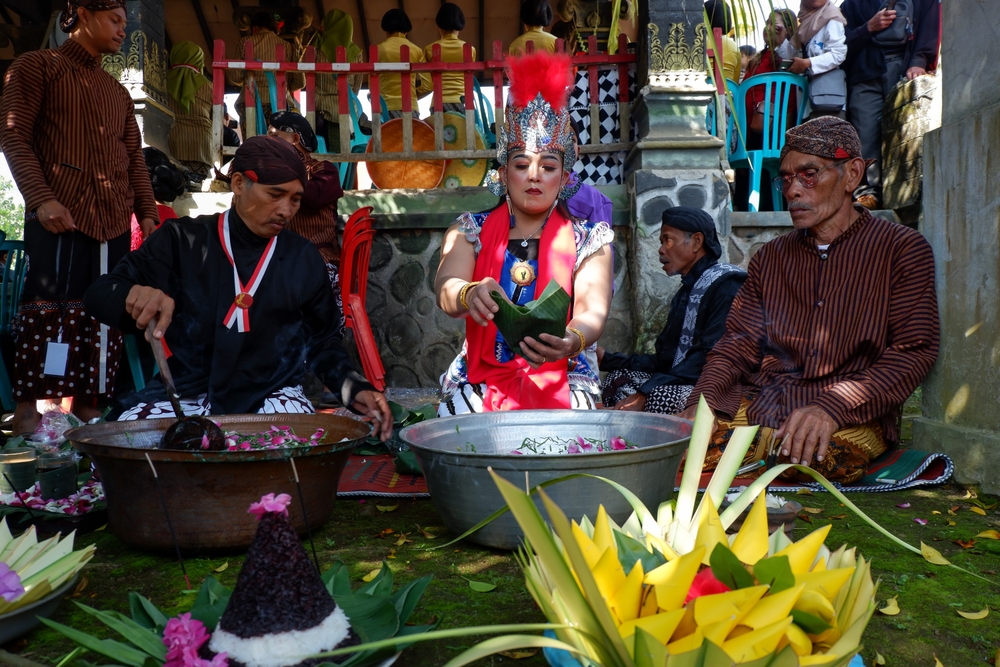
Over time, Hijras formed close-knit community structures. Many live in chosen families led by a guru. The guru offers mentorship, protection, and social guidance. Members contribute financially and support one another. Hijras are often invited to bless weddings and births, a role tied to ideas of fertility and good fortune. This ritual function remains important in many areas.
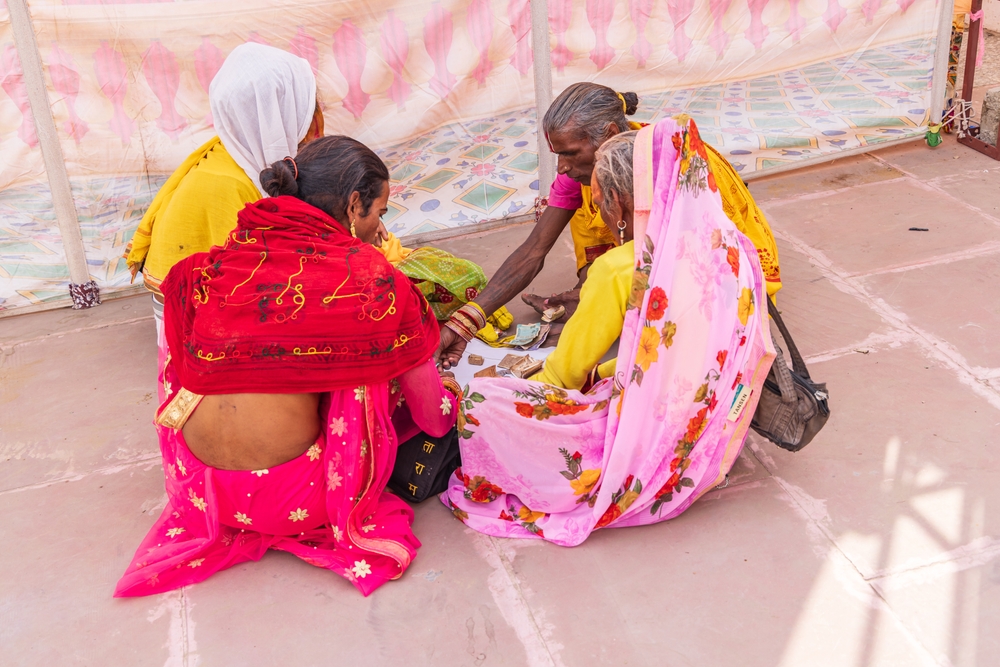
Hijras in South Asia have held ceremonial and spiritual roles for centuries, reflecting long-standing recognition of gender diversity. Image credit: Shutterstock.
British colonial rule deeply disrupted these traditions. The Criminal Tribes Act of 1871 labeled Hijras as a criminal group and placed them under state surveillance. Victorian gender norms replaced more flexible local systems. As a result, stigma increased, and economic opportunities shrank.
In recent years, legal recognition has improved. India’s Supreme Court recognized a third gender category in 2014. Pakistan and Bangladesh followed with similar policies. These decisions affirmed that gender identity extends beyond biological sex. However, legal reform has not eliminated discrimination, and many Hijras still face barriers in education, employment, and healthcare.
Historically, Hijra identity has been more closely tied to communal structure and spiritual roles. It is not only about personal identity, but also about belonging within a social network. South Asia’s experience shows that gender diversity is rooted in layered histories shaped by religion, politics, and colonialism.
Two-Spirits of Indigenous North America
In many Indigenous societies across North America, gender systems were more flexible before European colonization. Today, the modern umbrella term most people recognize is Two-Spirit. The phrase was adopted in 1990 at an Indigenous LGBTQ gathering in Winnipeg. It was created to unify different tribal traditions under one shared term. However, each tribe historically had its own language and understanding. The Navajo, Lakota, Ojibwe, and many others had distinct categories that do not translate neatly into English.
Before colonization, individuals who embodied both masculine and feminine traits often held respected roles. In some nations, they acted as healers, matchmakers, spiritual leaders, or craft specialists. Their identity was not framed primarily as sexuality. Instead, it related to balance and harmony. Many Indigenous cosmologies emphasize duality in nature, day and night, earth and sky. Gender variance fits into that worldview.
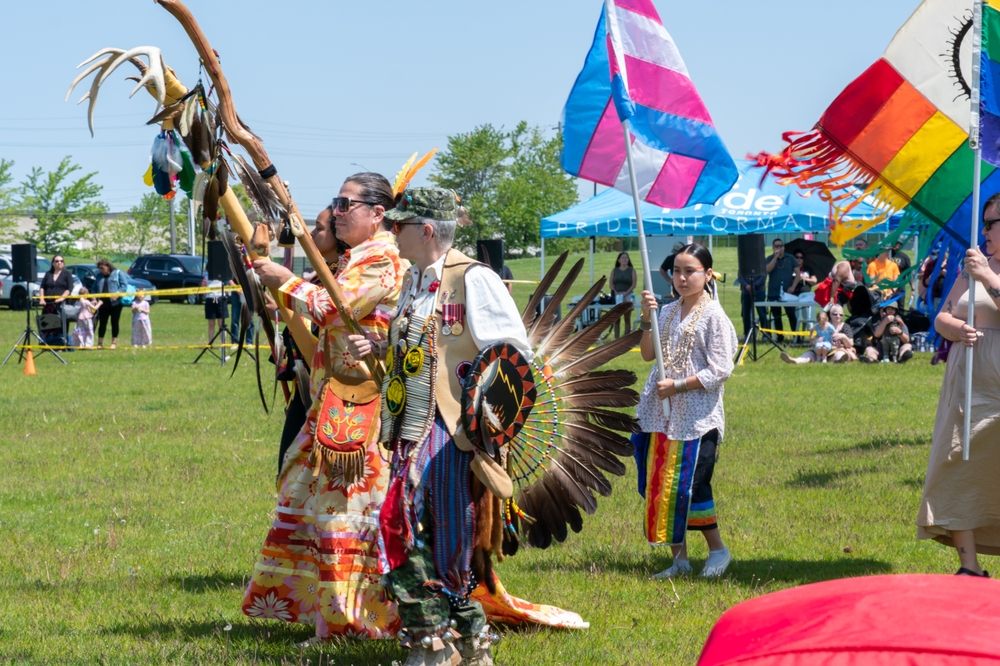
Two-Spirit individuals historically held respected ceremonial roles in several Indigenous nations. Image credit: Shutterstock.
European colonization dramatically disrupted these systems. Christian missionaries imposed rigid gender norms based on binary male and female roles. Boarding schools separated children from their families and punished cultural practices. As a result, many traditional understandings of gender were suppressed or erased. Oral histories show that Two-Spirit individuals faced increasing stigma under colonial rule.
In recent decades, Indigenous activists have worked to reclaim these identities. Importantly, Two-Spirit is not simply another word for non-binary or transgender. It refers specifically to Indigenous cultural and spiritual roles. It connects gender identity with tribal sovereignty and historical continuity. Western LGBTQ frameworks often focus on personal identity categories. Two-Spirit identity, by contrast, centers community and ancestry.
At the same time, it is important not to romanticize the past. Acceptance varied between nations and historical periods. Not every Indigenous society treated gender-diverse people the same way. Cultural diversity across tribes was and still is enormous. Still, historical evidence shows that many communities recognized more than two gender roles long before modern Western debates began.
Fa’afafine of Samoa
Moving from North America to the Pacific Islands, we see another set of long-standing gender systems. In Samoa, the identity known as Fa’afafine has existed for generations. The term describes individuals assigned male at birth who embody both masculine and feminine traits. Within Samoan society, Faafafine are generally integrated into family structures. They often take on caregiving roles, especially for elderly parents. In a culture that emphasizes collective responsibility, contribution to the family is central.
Unlike Western narratives that frame gender transition as a personal journey, Faafafine identity often develops naturally within community expectations. Families may recognize feminine traits in a child and allow that child to grow into a Faafafine role. While challenges and discrimination still exist, the social visibility of Faafafine differs from the marginalization seen in many Western contexts.
Māhū in Hawaii and Tahiti
Similarly, in Hawaii and Tahiti, the traditional identity of Māhū reflects a blending of masculine and feminine qualities. Historically, Māhū individuals were respected as keepers of cultural knowledge. They taught hula and preserved chants and rituals. Their role is linked directly to spirituality and education. Colonization again shifted perceptions. Christian missionaries discouraged gender fluid expression, leading to stigma that did not previously dominate.
Across these regions, a pattern becomes clear. Traditional gender systems often connect identity to spiritual or social function. They frame gender variance as part of a broader cosmology. In contrast, modern Western frameworks typically treat gender as an internal sense of self that requires legal validation. Neither system is monolithic, and both continue to evolve.
Kathoey In Thailand
In Thailand, the identity most commonly referenced is Kathoey. The term often refers to transgender women or feminine-presenting individuals assigned male at birth. Western media sometimes translates Kathoey as ladyboys, but that translation oversimplifies a complex reality. The word has been used in Thai society for centuries, though its meaning has shifted over time.
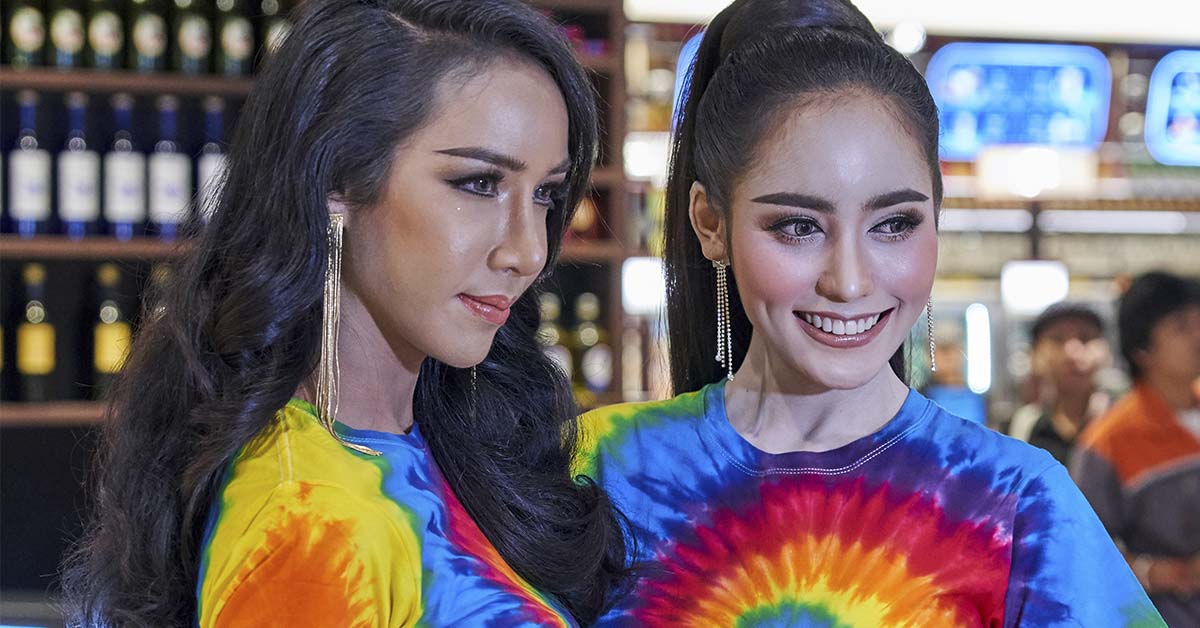
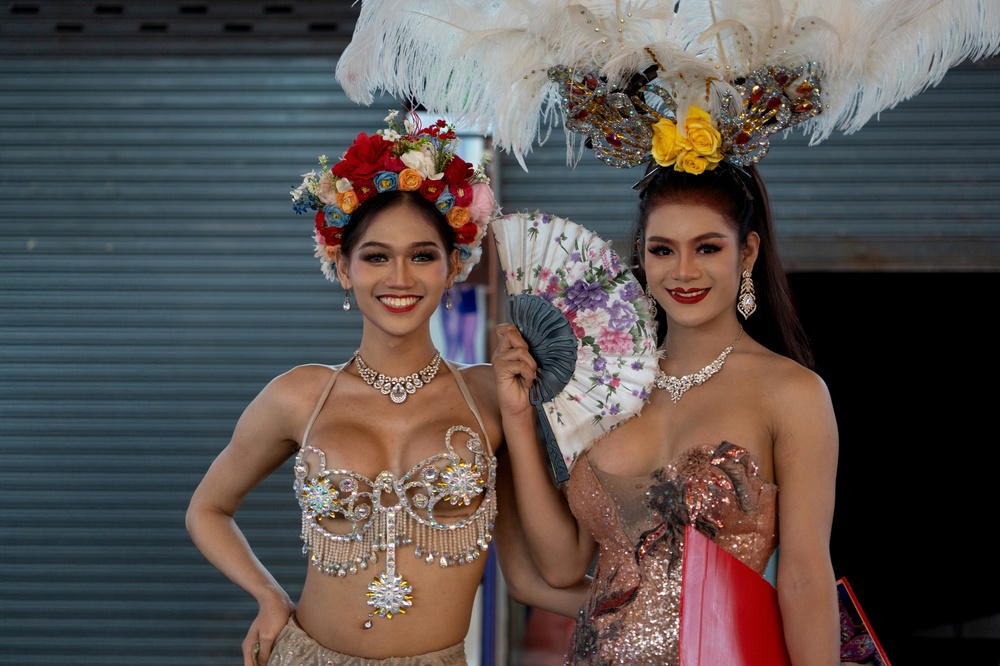
Kathoey performers are highly visible in Thai media and entertainment, though legal recognition remains limited under current law. Image credit: Shutterstock.
Thailand’s dominant religion, Theravada Buddhism, does not frame gender in the same theological way that Abrahamic religions often do. There is no single doctrinal condemnation of gender variance. As a result, Kathoey individuals have long been visible in entertainment, beauty industries, and public life. Cabaret shows in Bangkok and Pattaya feature Kathoey performers, and their presence in the media is relatively normalized.
However, visibility does not equal full equality. Thai law still does not allow individuals to change their legal gender marker on official documents. Employment discrimination persists, and many Kathoey face pressure to enter specific industries because other opportunities remain limited. So, while Thailand is often portrayed as progressive, the legal system still reflects binary structures.
Five Gender Systems in Indonesia
In Indonesia, the story becomes even more intricate. Among the Bugis people of South Sulawesi, there exists a five gender system. One of the most significant identities within this framework is the Bissu. The Bugis recognize Oroané, male, Makunrai, female, Calalai, female-bodied masculine role, Calabai, male-bodied feminine role, and Bissu, who are considered sacred and embody all genders.
Bissu are traditionally spiritual leaders. They perform important rituals and serve as intermediaries between the human and spiritual worlds. Their authority comes from their perceived ability to integrate multiple gender elements within one identity. This system predates European contact and developed within local cosmology and governance structures.
Among the Bugis of Indonesia, Bissu priests are considered sacred figures who embody multiple gender elements within spiritual leadership. Image credit: Shutterstock.
Colonial rule and the spread of conservative Islamic interpretations in parts of Indonesia have created tension around these identities. While the Bugis five gender system still exists, public acceptance has fluctuated. In some areas, Bissu have faced marginalization or pressure to conform to more rigid norms. Even so, the historical record shows that gender complexity has deep roots in the region.
Muxes of Mexico
Turning to Latin America, we find the Zapotec community in Oaxaca, Mexico, where the identity of Muxes plays a central role. Muxes are individuals assigned male at birth who adopt roles and dress traditionally associated with women. Within Zapotec society, Muxes often hold respected positions. They may manage household finances, participate in artisan work, or organize community festivals.
The Zapotec civilization predates Spanish colonization by centuries. Archaeological evidence suggests that gender roles were not strictly binary in pre-colonial Mesoamerica. Spanish rule introduced Catholic moral codes that reshaped gender expectations. Despite that influence, the Muxe identity persisted, especially in towns like Juchitán.
Each year, communities in Oaxaca celebrate Vela de las Auténticas Intrépidas Buscadoras del Peligro, a festival honoring Muxes. This public celebration highlights a degree of cultural acceptance. Yet, discrimination exists, especially outside Zapotec majority regions. Broader Mexican society does not always share the same level of recognition.
Comparing Traditional Gender Systems and Modern Western Frameworks
Across these regions, societies have recognized identities beyond male and female. However, the structure and meaning of those roles often differ from contemporary Western models.
In many Western countries, particularly since the late 20th century, gender identity has been understood as an internal sense of self. Psychology and law increasingly reflect this view. Several states permit changes to legal gender markers based on self-identification, and public debate frequently centers on pronouns, anti-discrimination protections, and access to medical care. This framework emphasizes personal autonomy and individual rights.
Traditional gender systems developed from different foundations. In several of the cultures discussed earlier, gender variance was closely tied to spirituality, kinship roles, or specific social functions. Hijras performed ritual blessings. Two-Spirit individuals in some Indigenous nations served ceremonial or healing roles. Bissu priests among the Bugis held spiritual authority. In these settings, gender diversity was linked to communal responsibility as much as personal identity.
Religion also plays a different role across these frameworks. Western democracies generally separate religious doctrine from state policy, so gender debates unfold through legal and medical institutions. In many traditional systems, gender categories were embedded directly within cosmology. Their legitimacy often came from spiritual belief rather than clinical definition.
Language highlights another distinction. Western societies rely on broad identity labels such as transgender or nonbinary. These terms function within legal and political systems. Traditional cultures more often used role-based terminology that described social position or ritual function, rather than a universal identity category.
Modern Western conversations about gender identity often reflect a different framework from many traditional systems. Image credit: Shutterstock.
Despite these differences, there are clear points of overlap. Both traditional systems and modern Western frameworks recognize that human experience does not always conform to a strict binary. Each challenges the assumption that sex assigned at birth determines social destiny.
Globalization has added new layers to this. Younger generations in many regions engage with international LGBTQ movements, while local traditions continue to shape identity. At the same time, colonial history remains central. European empires imposed rigid binary norms in many colonized societies, disrupting earlier systems that allowed greater flexibility. Contemporary human rights movements sometimes seek to address those legacies, though they do so using modern legal language.
The result is not a simple contrast between past and present. Traditional and modern frameworks influence one another, and both continue to evolve under social, political, and economic pressures. Understanding these dynamics prevents oversimplification. Gender diversity is neither a recent trend nor evidence of a universally inclusive past. It reflects ongoing cultural negotiation shaped by belief systems, law, and history.
Examining these cross-cultural systems broadens our understanding of identity. Societies across the world have developed ways to interpret gender that move beyond a strict male and female divide. While the structures differ, each reflects the values and historical conditions of its time.
What changes from place to place is not the existence of gender diversity, but the framework used to interpret it. Some cultures grounded gender roles in ritual and social balance. Modern Western societies often ground them in individual self-identification and legal recognition. Both approaches reveal how deeply culture shapes meaning.
Ultimately, examining these perspectives encourages a more careful conversation about gender. It reminds us that identity is shaped by context, not biology alone. When we recognize that complexity, we move toward a more informed and thoughtful understanding of human diversity.
A.I. Disclaimer: This article was created with AI assistance and edited by a human for accuracy and clarity.