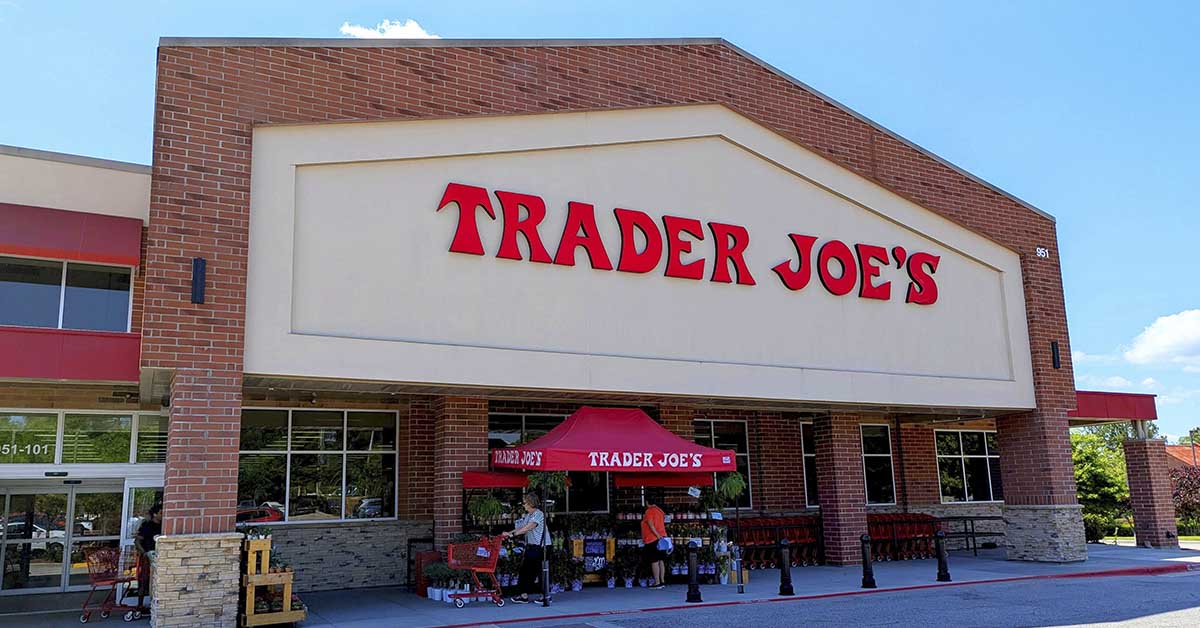

The phrase Trader Joe’s recall has quickly caught attention across headlines, and for good reason. When a popular grocery chain pulls back more than 9 million pounds of a widely sold product, people naturally want answers. What went wrong, how serious is it, and what should shoppers do next? These are the questions many customers are asking right now.
This particular recall involves ready-to-eat chicken products sold at Trader Joe’s locations across 43 states. While recalls are not uncommon in the food industry, the scale of this one is big. It also highlights something many consumers don’t often think about: how complex and interconnected the modern food supply chain really is.
At the same time, it is important to approach this situation with balance. A recall can feel alarming, but it also shows that safety systems are working as intended. Issues are identified, investigated, and communicated before they lead to widespread harm. Still, understanding what happened and what it means can help consumers make informed decisions moving forward.
What Triggered the Trader Joe’s Recall
The recall was initiated after concerns emerged about possible contamination in certain ready-to-eat chicken products. Specifically, there were reports that the food could contain small pieces of glass. That immediately raises concern because foreign material contamination is considered one of the more serious risks in food safety and is labeled a Class II. The main products of concern are the Trader Joe’s Chicken Fried Rice and the Trader Joe’s Chicken Shu Mai.
Unlike issues related to labeling errors or minor quality concerns, contamination involving hard materials like glass and metal can cause physical injury. Even a small fragment can damage teeth or cause cuts in the mouth or digestive tract. Because of that, regulatory agencies treat these situations with urgency.
In this case, the issue appears to have been identified through routine monitoring and possibly consumer feedback. Once the risk became clear, the recall process moved quickly. Products were flagged, distribution details were traced, and a public alert was issued to prevent further consumption.
The Scale of the Recall
One of the most striking aspects of this situation is the sheer size of the recall. More than 9 million pounds of product were affected. That number alone signals that this was not a small, isolated problem.
When recalls involve such large quantities, it usually means the issue occurred at a central point in the production process. Instead of affecting a single batch or shipment, it likely impacted multiple production runs over a period of time. As a result, the product made its way into stores across a wide geographic area.
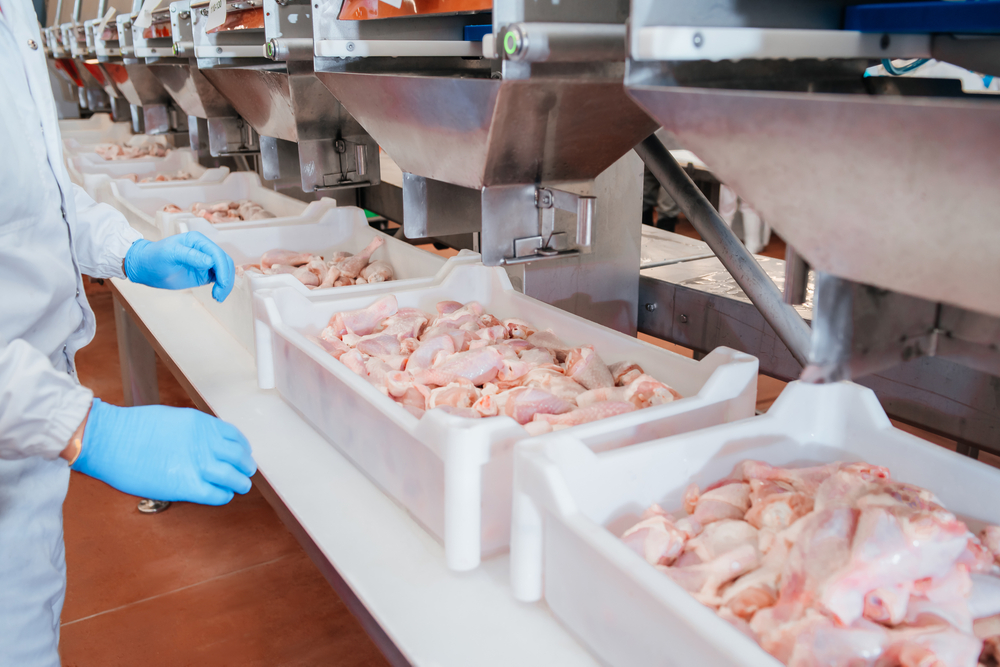
In this case, the distribution reached 43 states. That means millions of households may have purchased or consumed the product before the recall was announced. While that does not mean everyone is at risk, it does increase the importance of clear communication and consumer awareness.
Large recalls also place pressure on companies to act quickly and transparently. The longer a product remains in circulation, the higher the potential risk. So, timing becomes critical.
Understanding Foreign Material Contamination
Foreign material contamination refers to the presence of objects in food that should not be there. These can include metal fragments, plastic pieces, glass, or other debris.
This type of issue can happen for several reasons. In many food processing facilities, machinery is used to cut, mix, and package products at high speeds. Over time, equipment can wear down. Small components may loosen or break, especially if maintenance is not perfectly timed.
Even with safety measures in place, such as metal detectors and screening systems, no process is completely foolproof. A malfunction or oversight at any stage can allow contaminants to pass through. Because of these risks, facilities are required to follow strict guidelines. They conduct regular inspections, maintain detailed records, and implement multiple layers of quality control. However, when something slips through, recalls become necessary to protect consumers.
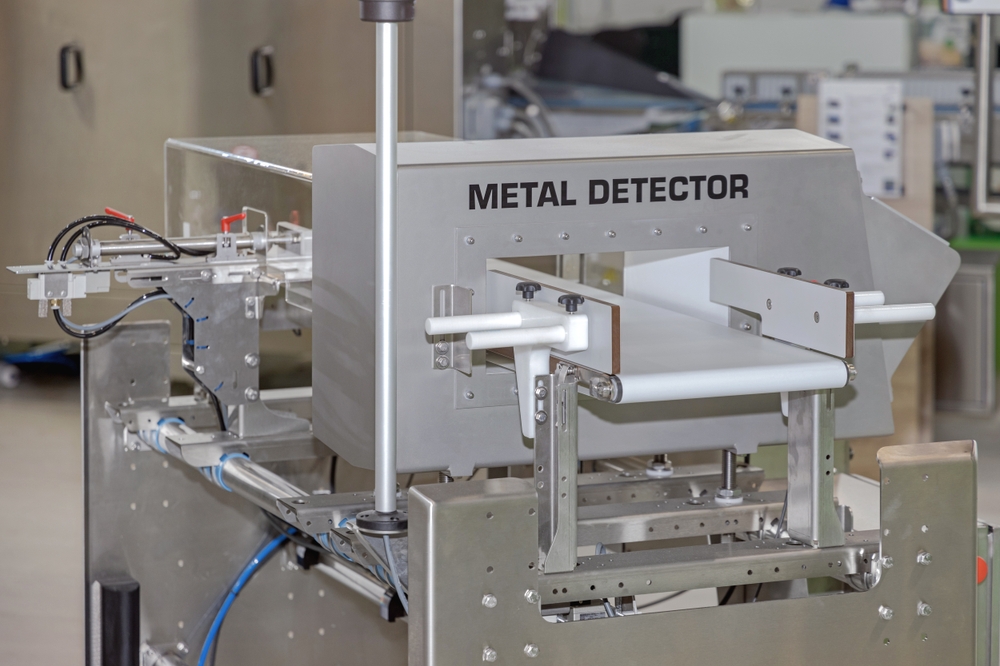
Image credit: Shutterstock.
Where the Issue Likely Originated
Although the recall is associated with Trader Joe’s, the root of the problem typically lies further back in the supply chain. Retailers often rely on third-party manufacturers to produce ready-to-eat items. These manufacturers handle large-scale processing before distributing products to various brands and stores.
In situations like this, the contamination likely occurred at a processing facility rather than at the retail level. That shows how interconnected food production is. A single issue at one facility can affect multiple brands and millions of products.
It also highlights the importance of supplier oversight. Retailers must trust that their partners are following proper safety protocols. At the same time, they need systems in place to respond quickly if something goes wrong.
The Role of Food Safety Inspections
Food safety in the United States is monitored by agencies such as the USDA and FDA, depending on the type of product. Ready-to-eat meat products, like the chicken involved in this recall, typically fall under USDA oversight.
These agencies set strict standards for processing, packaging, and distribution. They also conduct inspections and require companies to implement hazard analysis systems. These systems are designed to identify potential risks before they become real problems.
However, even with these safeguards, no system can eliminate risk entirely. That is why recalls exist as a critical backup measure. When an issue is detected, companies are required to act quickly and inform the public. In many ways, the recall process itself is part of the safety system. It ensures that problems are addressed transparently and that consumers are given clear guidance on what to do next.
How to Check If Your Food Is Affected by a Recall
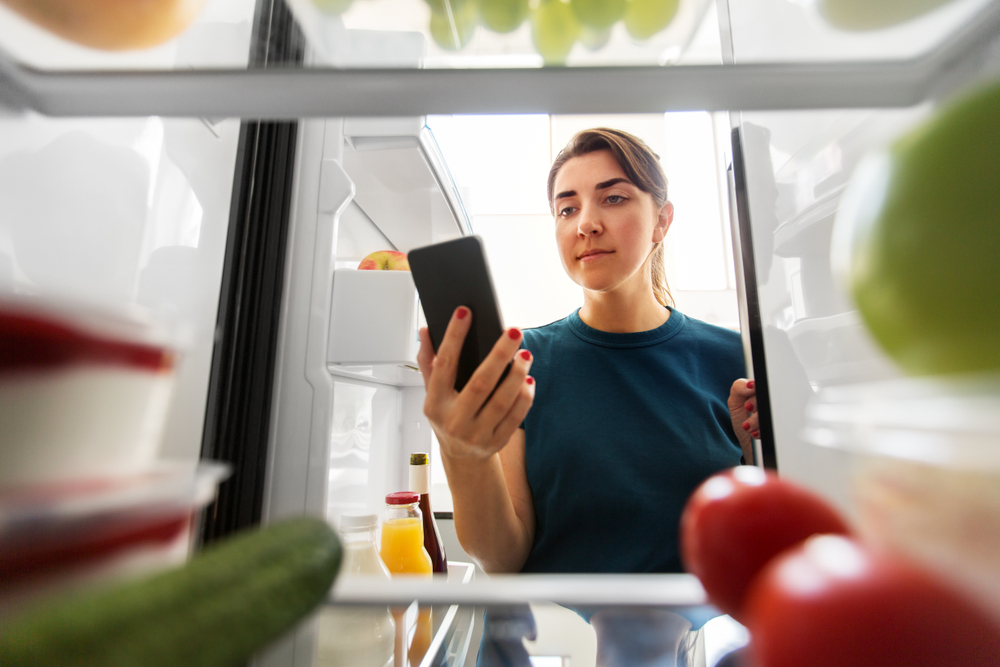
When a recall is announced, the first step is figuring out whether the product in your kitchen is actually part of it. That process is usually simpler than it sounds, but it does require a quick look at the packaging details that many people normally ignore.
Follow these steps to check your product:
- Confirm the exact product name
Check the label carefully. Recalls often apply to specific variations, not an entire category. One type of ready-to-eat chicken may be affected while another is not. - Look for key identifying details
Find the “best by” date, lot number, or establishment number. These are usually printed near the barcode or along the edge of the packaging. - Check purchase timing and location
If you no longer have the packaging, think about when and where you bought the item. Recall notices often include date ranges and distribution details to help narrow it down. - Compare with official recall notices
Visit trusted sources like the USDA or the FDA recall pages. Grocery stores may also share updates through emails or in-store alerts. - Consider signing up for recall alerts
Some platforms allow you to receive notifications about food recalls. This can help you stay informed about products you buy regularly. - Keep packaging until the product is finished
Holding onto packaging can make it much easier to verify recall details. This small habit can save time and reduce uncertainty later.
While it is always safest to discard items you are unsure about, taking a few minutes to check these details can help you avoid unnecessary waste while still protecting your health.
Why Recalls Like This Are Increasingly Visible
It may feel like food recalls are happening more often, but that is not necessarily because food is becoming less safe. In many cases, it is the opposite. Detection methods have improved, and communication has become faster and more transparent.
Today, companies can trace products through detailed supply chain data. They can identify where an item was produced, when it was shipped, and where it was sold. This allows for more targeted recalls and quicker responses.
At the same time, news spreads rapidly through online platforms. A recall that might have gone unnoticed years ago now becomes a major headline within hours. This increased visibility can make the issue seem more widespread than it actually is. Still, the underlying goal remains the same: protecting consumers and maintaining trust.
The Impact on Consumer Trust
When a well-known brand is involved in a recall, it naturally raises questions about reliability. People tend to associate familiar brands with consistent quality, so any disruption can feel unsettling.
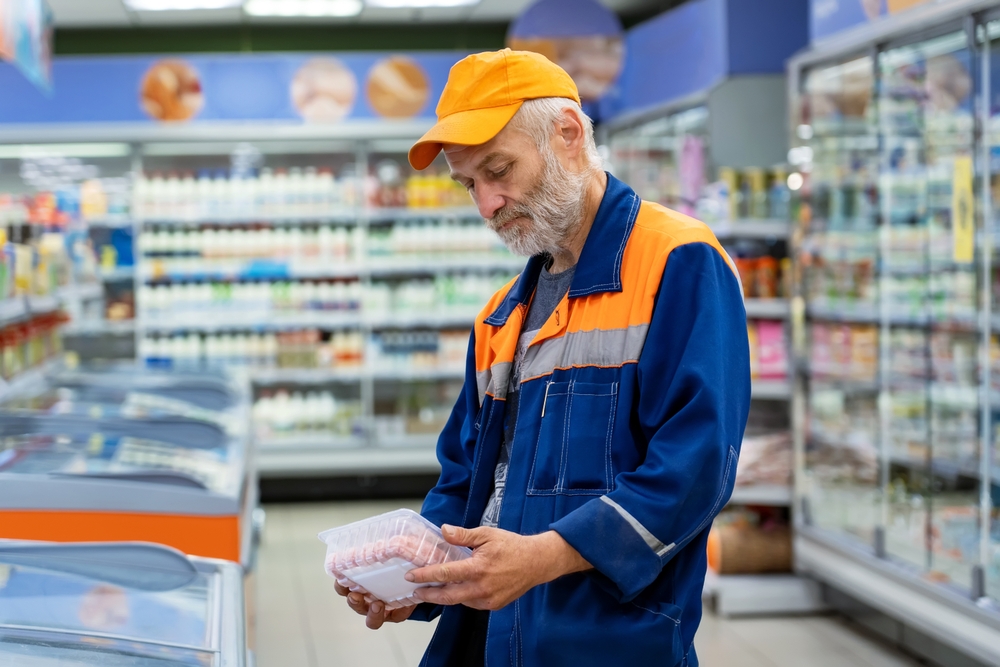
However, how a company responds often matters more than the issue itself. Transparent communication, clear instructions, and quick action can help maintain trust. On the other hand, delays or vague messaging can make the situation worse.
In this case, the recall indicates that systems are in place to detect and address issues. While the initial news may be concerning, the response provides reassurance that safety remains a priority.
A Closer Look at the Food Supply Chain
This situation also underscores how complex food production has become. Many products travel through multiple stages before reaching store shelves. Ingredients are sourced, processed, packaged, and distributed across vast networks.
Each step introduces potential points of failure. Even with strict controls, the scale of modern production makes it challenging to eliminate every risk. That is why continuous monitoring and rapid response systems are so important. For consumers, this complexity is often invisible. Products appear neatly packaged and ready to eat, with little indication of the journey behind them. Recalls bring that hidden process into focus.
The Bigger Picture Around Food Safety
While this recall is significant, it is part of a larger system designed to keep food safe. Every year, regulatory agencies oversee thousands of facilities and enforce standards that reduce risk.
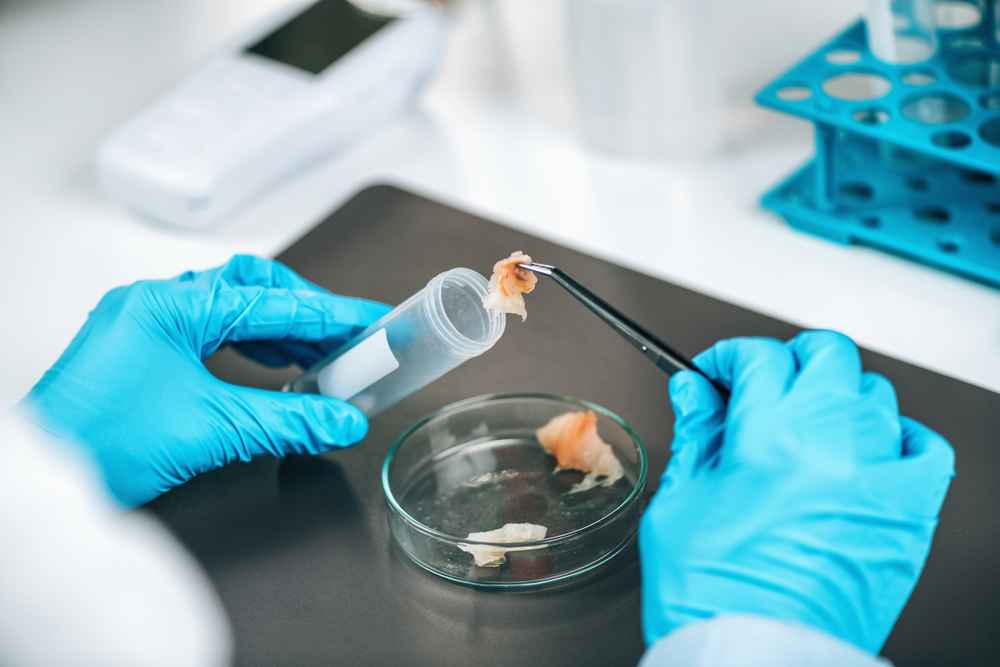
At the same time, companies invest in technology to improve detection and prevent contamination. From advanced sensors to automated inspections, these tools help identify issues earlier than ever before.
Even so, no system is perfect, and awareness and education remain essential. Consumers who understand how recalls work are better equipped to respond calmly and effectively.
Looking Beyond the Headlines
The recent Trader Joe’s recall involving more than 9 million pounds of chicken products demonstrates how modern food safety systems operate in real time.
Problems can happen, especially in large-scale production environments. What matters most is how quickly they are identified and addressed. In this case, the issue was detected, communicated, and acted upon before widespread harm was reported.
For consumers, the takeaway is simple. Stay informed, follow recall guidance, and remain aware of how the food system works. At the same time, it is important not to jump to conclusions or assume the worst.
Food safety is an ongoing process, not a fixed state. It involves constant monitoring, adjustment, and improvement. Recalls can be inconvenient, but they ultimately serve a critical purpose: protecting public health and reinforcing accountability across the industry.
A.I. Disclaimer: This article was created with AI assistance and edited by a human for accuracy and clarity.
Read More: FDA Class I Alert: Frozen Blueberries Recalled Over Listeria Threat