

The debate around euthanasia continues to divide public opinion across the world, and few cases have captured that tension as deeply as the story of a 25-year-old woman in Spain whose request to end her life was ultimately approved despite her parents’ legal challenge. Her case has sparked emotional conversations about autonomy, mental health, medical ethics, and the role of family in life-altering decisions.
At the center of this story is a young woman who, by many accounts, had endured years of suffering. Yet her decision did not unfold quietly. Instead, it moved through courts, medical evaluations, and public scrutiny before reaching its conclusion. While some see her case as a powerful example of personal freedom and dignity, others view it as a troubling precedent that raises difficult questions about how society defines suffering and protects vulnerable individuals.
As the details of her case have come to light, they reveal a complex intersection of law, medicine, and human emotion. This is not just a story about one individual. It reflects a broader change in how modern societies approach end-of-life decisions, particularly when those decisions involve younger people and non-terminal conditions.
The Case That Captured Global Attention
The woman at the heart of this case, widely identified in media reports as Noelia Castillo Ramos, lived in Spain, a country that legalized euthanasia in 2021 under strict conditions. Her situation quickly gained attention not only because of her age but also because of the legal battle that unfolded between her and her parents.
According to reports, she had been dealing with significant health challenges for years. These challenges were described as both physical and psychological, contributing to what medical professionals assessed as ongoing and unbearable suffering. After undergoing the formal process required under Spanish law, she applied for euthanasia.
However, her parents strongly opposed the decision. They argued that she was not in a condition to make such a final choice and sought to intervene through the courts. Their legal challenge delayed the process and brought the case into the public eye, where it quickly became a focal point for debate.
Despite their objections, the court ultimately ruled in favor of Ramos’ right to proceed. The decision affirmed that she had met the legal criteria for euthanasia and that her request had been evaluated thoroughly by medical professionals. Shortly after the ruling, the procedure was carried out.
This outcome has left many people grappling with mixed emotions. For some, it represents a deeply personal victory for autonomy. For others, it highlights potential gaps in how such decisions are assessed, especially when families raise concerns.
The Trauma Behind the Decision
To understand Noelia Castillo Ramos’ decision, it’s important to look beyond the legal process and focus on what led her there. Her request for euthanasia did not come from a single moment, but from a series of deeply traumatic experiences that shaped both her mental and physical health over time.
According to reports, Noelia had endured multiple incidents of sexual assault. These experiences had a lasting impact on her psychological well-being, contributing to severe emotional distress. Trauma of this nature often affects far more than just memory. It can alter how a person experiences safety, trust, and their own sense of identity. In Noelia’s case, it reportedly played a significant role in her ongoing mental health struggles.
Alongside this, she had also made multiple suicide attempts in the past. These attempts reflected the depth of her distress and the difficulty she faced in coping with her circumstances. Tragically, one of these attempts resulted in life-altering physical consequences. She sustained injuries that left her paralyzed from the waist down.
This paralysis introduced a new and constant layer of suffering. Beyond the loss of mobility, she reportedly experienced ongoing physical pain that became part of her daily reality. Tasks that once felt routine became difficult or impossible without assistance. Over time, this loss of independence, combined with chronic pain, added to the emotional burden she was already carrying.
For Noelia, these factors were not separate issues. Her mental and physical suffering became closely intertwined. The trauma she experienced, the psychological impact that followed, and the physical injuries from her suicide attempt all contributed to a sense that her situation was unlikely to improve in a meaningful way.
Understanding Spain’s Euthanasia Law
Spain became one of a growing number of countries to legalize euthanasia when it passed legislation in 2021. The law allows individuals to request medical assistance in ending their lives, but only under specific and tightly regulated conditions.
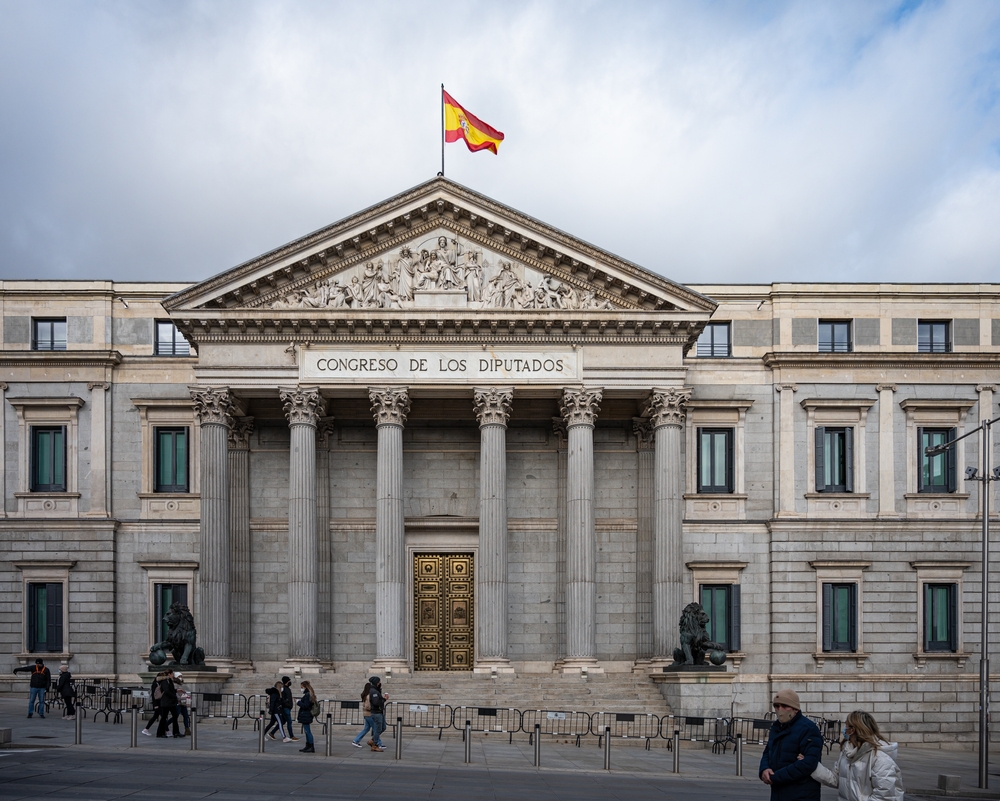
Applicants must demonstrate that they are experiencing a serious and incurable illness or enduring suffering that they consider intolerable. Importantly, the law does not limit eligibility strictly to terminal illnesses. This distinction has become one of the most debated aspects of the legislation.
The process itself involves multiple steps. A patient must make repeated requests, which at least two independent medical professionals then review. These professionals assess not only the medical condition but also the patient’s mental capacity to make such a decision. In addition, a regional oversight body reviews the case before final approval is granted.
In theory, these safeguards are designed to ensure that decisions are made carefully and without coercion. However, cases like this one raise questions about how those safeguards function in practice. When a patient’s condition includes psychological factors, the line between autonomy and vulnerability can become difficult to define.
The Role of Medical Evaluations
A key part of the process involves medical assessments that determine whether a patient qualifies for euthanasia. In this case, doctors reportedly concluded that Ramos met the criteria. They found that her suffering was both severe and unlikely to improve, and that she had the capacity to make an informed decision.
Evaluating mental capacity is particularly important in cases where psychological suffering is involved. Doctors must determine whether the individual understands the consequences of their decision and is not acting under temporary emotional distress or external pressure.

This aspect of the process often draws criticism. Some experts argue that mental health conditions can fluctuate, making it difficult to assess long-term decision-making capacity. Others believe that denying individuals the right to choose based on mental health alone can be equally problematic.
In this case, the medical evaluations ultimately supported her request, which played a significant role in the court’s decision. Still, the involvement of psychological factors has fueled ongoing debate about whether current evaluation methods are sufficient.
A Family’s Fight Against the Decision
While the legal and medical processes moved forward, the emotional core of the story remained the conflict between Ramos and her parents. Their opposition was not based on indifference, but rather on a belief that their daughter’s life could still improve.
They reportedly argued that she was not in a stable condition to make such a decision and that her mental health may have influenced her judgment. From their perspective, allowing euthanasia in this situation would mean giving up on the possibility of recovery.
This kind of family opposition is not uncommon in similar cases. Loved ones often struggle to reconcile their desire to protect with the individual’s right to choose. The emotional weight of such decisions can be overwhelming, especially when the outcome is irreversible.
However, under Spanish law, the final decision rests with the patient, provided they meet the established criteria. The court’s ruling reinforced this principle, emphasizing personal autonomy over family objections.
Even so, the emotional aftermath for families in these situations is often complex and long-lasting. While the law may offer clarity, it does not resolve the personal grief and unanswered questions that can follow.
Autonomy VS Protection
At the heart of this case lies a broader ethical question: how should society balance personal autonomy with the responsibility to protect vulnerable individuals?
Supporters of euthanasia laws argue that individuals should have the right to decide when their suffering becomes too much to bear. They see it as an extension of personal freedom and dignity, especially in cases where medical options have been exhausted.

On the other hand, critics worry about the potential risks. They question whether individuals facing mental or emotional distress can truly make a fully informed and stable decision. They also raise concerns about the possibility of subtle pressure, whether from societal expectations or internal feelings of burden.
This tension becomes even more pronounced in cases involving younger individuals. A 25-year-old is at a stage of life where many people still see potential for change, growth, and recovery. That perspective can make decisions like this particularly difficult to accept.
Yet, the legal framework in Spain does not impose age-based restrictions beyond adulthood. Instead, it focuses on the nature of the suffering and the individual’s ability to consent.
The Debate Around Mental Health and Euthanasia
One of the most controversial aspects of this case is the role of mental health in determining eligibility. While the law allows for cases involving psychological suffering, it also raises complex questions about how such suffering is defined and measured.
Mental health conditions can be deeply painful and persistent. Some individuals may feel just as debilitated as physical illnesses. However, they also have the potential to improve over time, especially with advances in treatment and support.
This dual reality makes it difficult to establish clear guidelines. Should mental suffering be treated the same as physical pain when it comes to end-of-life decisions? Or should additional safeguards be put in place to account for the possibility of recovery?
Different countries have taken different approaches. Some restrict euthanasia strictly to terminal illnesses, while others allow broader criteria. Spain’s law falls somewhere in the middle, which is why cases like this one often become focal points for debate.
Public Reaction and Media Attention
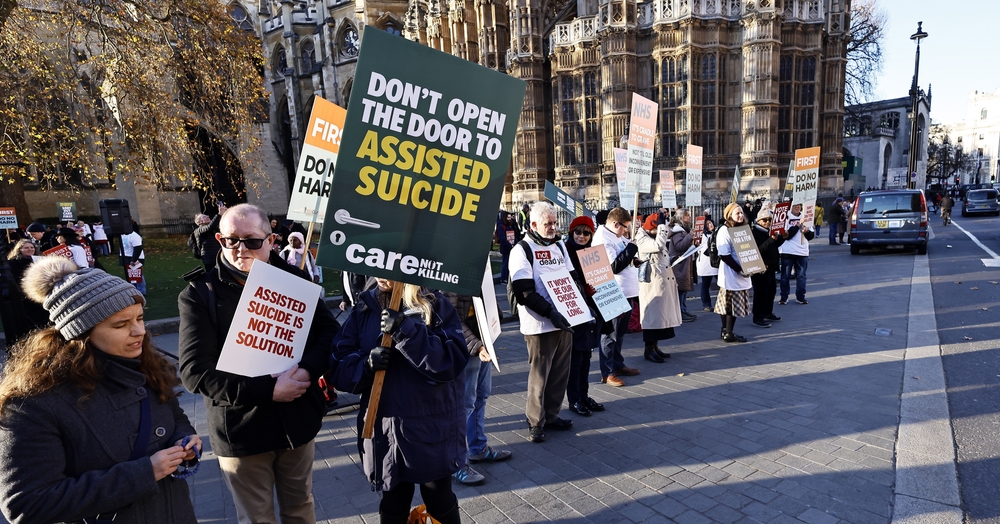
As news of the case spread, it quickly sparked strong reactions across social media, news platforms, and public forums. People from different backgrounds weighed in, often bringing deeply personal perspectives to the discussion.
Some individuals expressed support for the woman’s decision, emphasizing her right to choose how she lived and, ultimately, how she died. Many pointed out that no one outside of her experience could fully understand the extent of her suffering. For them, the court’s ruling represented compassion and respect for personal dignity.
At the same time, others reacted with concern and discomfort. Critics questioned whether the system had moved too quickly or whether the safeguards in place were enough. The fact that she was only 25 added to the emotional intensity of the discussion. For many, her age made it harder to accept that her situation had reached a point of no return.
Media coverage also played a role in shaping public perception. Headlines often focused on the legal battle with her parents, highlighting the emotional conflict at the heart of the story. This framing drew attention, but it also simplified a situation that was, in reality, far more complex.
How Other Countries Approach Euthanasia
Spain is not alone in legalizing euthanasia, but each country approaches it differently. These differences highlight just how complex and culturally sensitive the issue is.
In countries like the Netherlands and Belgium, euthanasia has been legal for years and includes cases involving psychological suffering under strict conditions. These nations have developed detailed frameworks that involve multiple layers of review. Even so, they continue to face ongoing debates about where to draw the line.
Canada has also expanded its laws in recent years. While the country initially limited medical assistance in dying to those with reasonably foreseeable death, discussions have been ongoing about including mental illness as a qualifying condition. This potential expansion has been delayed multiple times due to ethical concerns.
On the other hand, some countries take a more restrictive approach. In many parts of the world, euthanasia remains illegal, regardless of the circumstances. These regions often emphasize the importance of preserving life and improving palliative care instead of allowing assisted death.
These global differences show that there is no universal agreement on how to handle such cases. Cultural values, medical practices, and legal traditions all play a role in shaping policy.

The Emotional Reality Behind Legal Decisions
While laws and policies provide structure, they cannot fully capture the emotional reality of cases like this. Behind every legal ruling is a human story filled with pain, hope, conflict, and uncertainty.
For Ramos, the decision likely came after years of personal struggle. Even though the legal process may appear clinical on the surface, it represents deeply personal choices that are rarely made lightly.
For her parents, the experience would have been equally intense, but from a very different perspective. Watching a loved one choose to end their life, especially when you believe there may still be hope, can create a sense of helplessness that is difficult to describe.
This emotional divide is one of the most challenging aspects of euthanasia debates. Both sides may act out of love, yet arrive at completely different conclusions.
The Role of Healthcare Systems
Cases like this also raise questions about the role of healthcare systems in addressing long-term suffering. When individuals reach a point where they consider euthanasia, it often reflects a deeper issue within the system.
Access to mental health care, long-term support, and specialized treatment can vary widely. In some situations, individuals may feel that they have exhausted all available options. Whether this perception reflects reality or gaps in the system is an important question.
Some critics argue that improving access to care should be the primary focus, rather than expanding euthanasia laws. They believe that with the right support, many individuals could find relief without needing to consider ending their lives.

Others acknowledge that even with the best care, some forms of suffering remain difficult to manage. For these individuals, euthanasia may be seen as a last resort rather than a first option.
Ethical Questions That Remain Unanswered
Despite the legal clarity in this case, many ethical questions remain unresolved. These questions do not have simple answers, which is why the debate continues to evolve.
For example:
- How do we define “unbearable suffering” in a way that is both fair and consistent?
- Should age play a role in determining eligibility?
- How much weight should family opinions carry in such decisions?
- Are current safeguards strong enough to prevent misuse?
These questions extend beyond any single case. They reflect broader concerns about how societies balance compassion with caution.
Another thing to consider is how attitudes toward euthanasia are changing over time. Younger generations often place a stronger emphasis on personal autonomy and individual rights. This shift can influence how cases like this are perceived.
At the same time, older generations may prioritize different values, such as the preservation of life and the importance of enduring hardship. These differing perspectives can shape public debates and policy decisions.
Read More: Suicide Pod Co-President Dies by Suicide After First User’s Death and Police Detention
A Conversation That Doesn’t End Here
The story of Noelia Castillo Ramos, who passed away through euthanasia after a court ruling against her parents, does not offer easy conclusions. Instead, it brings together a range of difficult questions that challenge both legal systems and personal beliefs.
On one hand, it underscores the importance of autonomy and the right to make deeply personal decisions. On the other hand, it raises concerns about how society protects individuals during moments of vulnerability.
Perhaps the most important takeaway is that these conversations require nuance. It is possible to recognize the reality of someone’s suffering while still questioning the systems that respond to it. It is also possible to respect individual choice while acknowledging the emotional impact on families.
As more countries revisit their laws and more cases come to light, the discussion around euthanasia will continue to evolve. What remains clear is that these decisions sit at the intersection of compassion, ethics, and human experience.
A.I. Disclaimer: This article was created with AI assistance and edited by a human for accuracy and clarity.
Read More: Woman Dies by Euthanasia Just Days After 29th Birthday