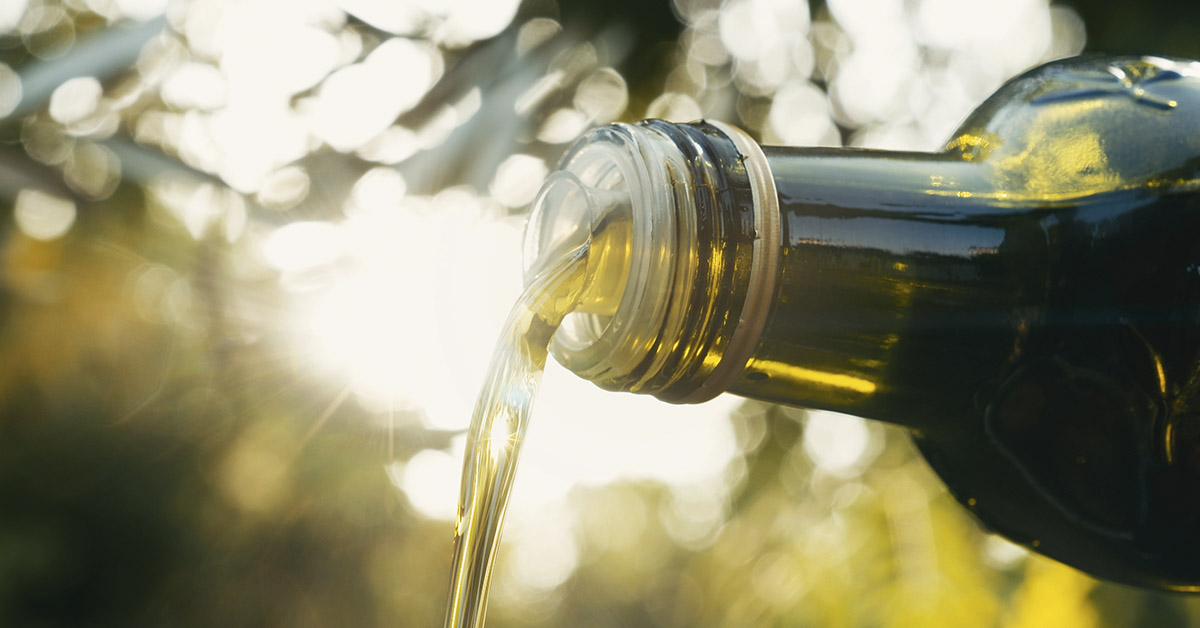

We’ve all been there. You’re standing in the grocery store aisle, staring at a literal wall of green and amber-colored bottles of olive oil. Some labels look like they belong in a rustic Tuscan farmhouse, while others look like they were designed by a Silicon Valley tech firm. The range in price is even more drastic than the range in label style. All you want is something that tastes good and is good for you, without grossly overpaying for a product that’s all hype and no follow-through.
If you’re like me, you’ve probably cycled through at least ten different brands in your life, usually whatever was on sale or had the nicest-looking label. And if you’re also like me, you’ve been duped more times than you wish to admit. It was expensive, though, so you suffered through oils that were flavorless, too strong, or just plain off-tasting, all in the name of not wasting.
After years of sipping and dipping my way through the standard grocery store inventory, I’ve realized that most olive oil is, frankly, mediocre at best. But there are gems hidden between the bottles of “light” and “pure” blends. I’ve narrowed it down to the five brands that, in my opinion, actually deserve a spot in your pantry.
From Grove to Grocery: How Olive Oil is Made
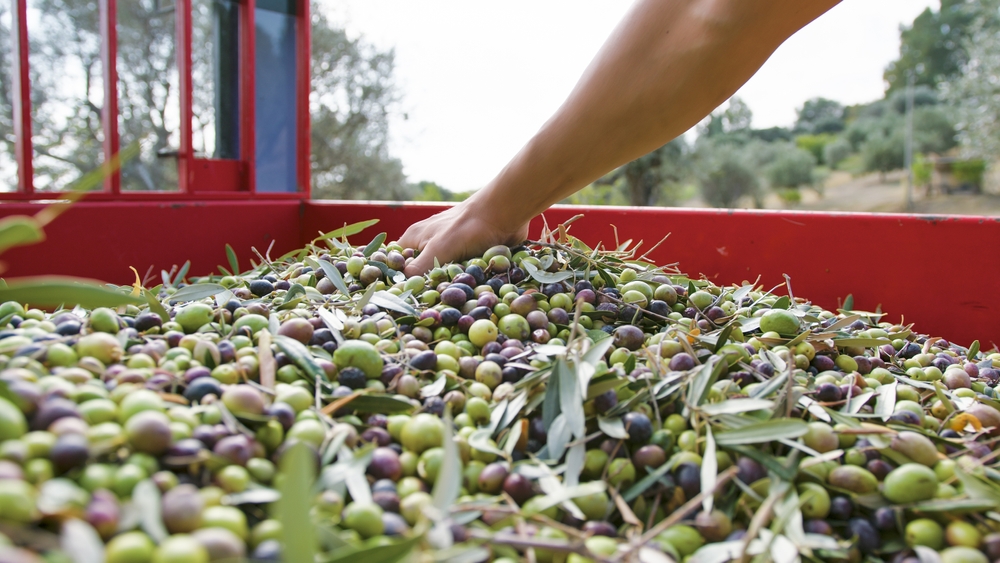
Before we get to the winners, we need to talk about why some olive oils taste like a fresh summer garden while others taste like old pennies, or worse, nothing at all. The process of making olive oil is deceptively simple: you crush olives into a paste and separate the oil from the fruit solids and water. But the how and when make all the difference.
The Harvest and the Crush
High-quality olive oil begins with the harvest. Green, young olives produce a peppery, intense oil, while ripe, black olives produce something much more mellow and buttery. Back in the day, olives were crushed between massive stone wheels. Today, most brands use stainless steel rollers and high-speed centrifuges.
The “Extra Virgin” Standard
Most of you probably already know that Extra Virgin Olive Oil (EVOO) is the gold standard of top-quality olive oil. To be labeled EVOO, the oil must be extracted through mechanical means only. This means that no high heat and no chemicals (solvents) are allowed. It also has to pass a chemistry test (having low acidity) and a sensory test, meaning that it can’t have defects like mustiness or a fermented taste.
What Separates the Good from the Bad?
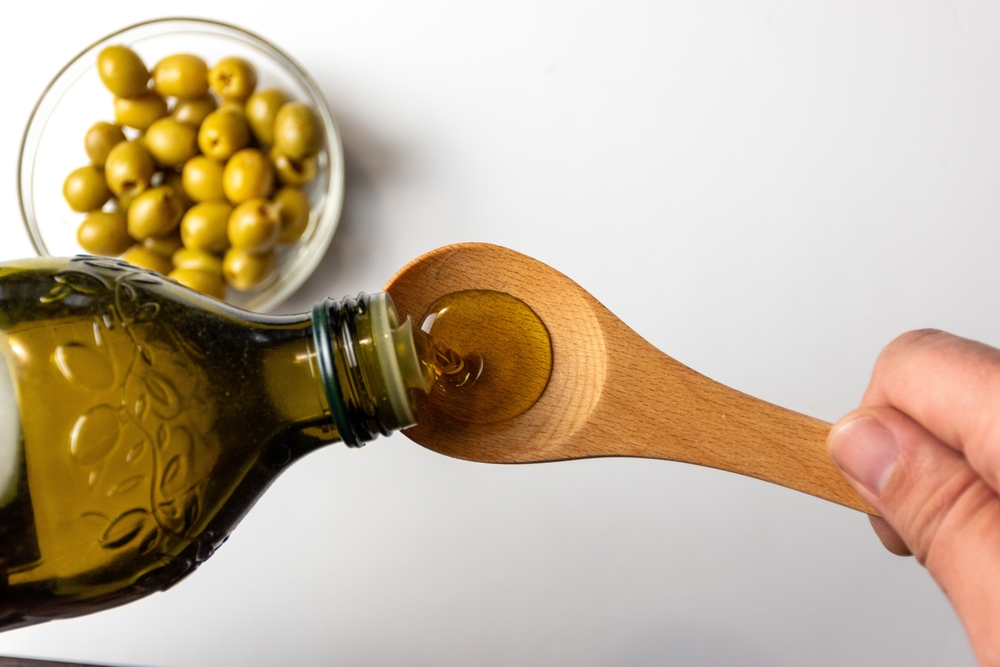
Image credit: Shutterstock
No matter where in the world you are, there are three characteristics that you can look for to determine if an olive oil is likely to be as good as the label is trying to get you to believe. These three characteristics are freshness, packaging, and origin.
Unlike wine, olive oil does not get better with age. In fact, it starts degrading the moment it’s pressed. You can usually find dates on the bottle, so have a peek to see if you can at least find a packaged-on date. At the very least, don’t buy one that is close to its expiration date.
Light and heat are the enemies of olive oil. A good brand will almost always be in a dark glass bottle or even a tin. If it’s in a clear bottle under the fluorescent grocery store lights? Better leave that one on the shelf.
Finally, look for the region where the olives were grown. It’s not necessarily that there is one region that is better than another, but rather the fact that they are telling you at all. “Product of Italy” often just means it was bottled there, using a mix of oils from all over the Mediterranean. High-quality brands will often list the specific region or even the specific grove where the olives are from.
Best Olive Oil Brands (That You Can Find In American Grocery Stores)
Now that you know the difference between quality olive oil and marketing, let’s get down to the reason you’re here: the best olive oil brands you can buy… in America, at least. Keeping in mind, of course, that this is just my opinion.
1. California Olive Ranch (100% California)
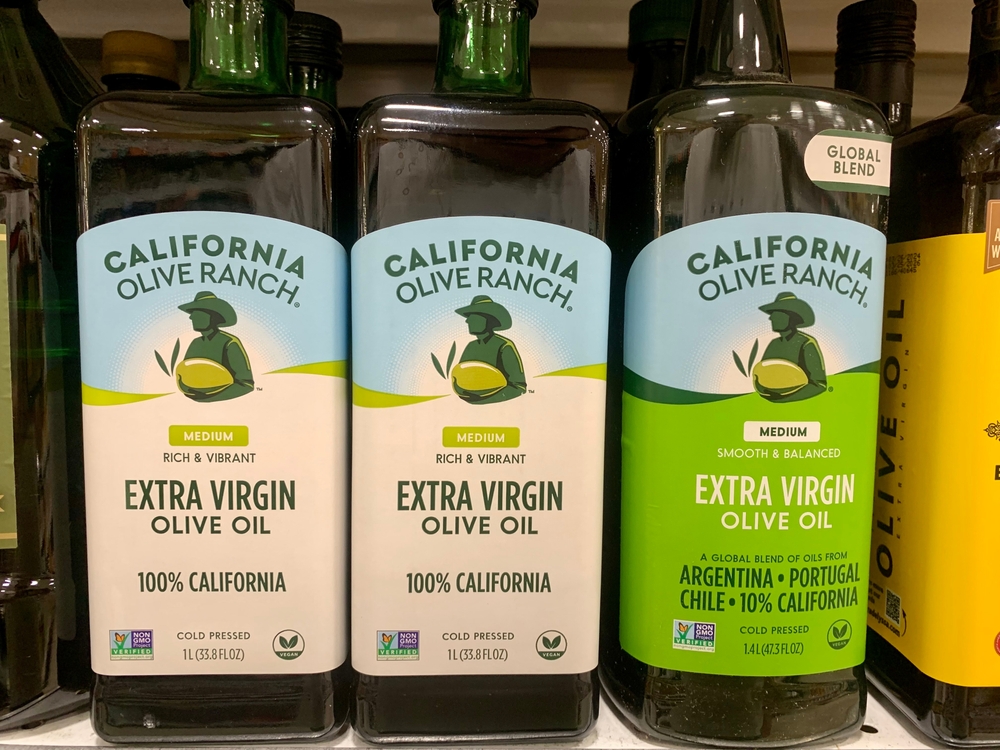
Image credit: Shutterstock
If there is a “gold standard” for the American supermarket, this is it. California Olive Ranch, specifically their 100% California line, changed the game. They did so by proving that you don’t need a plan ticket to Europe to get incredible olive oil.
Why It Doesn’t Suck:
This oil is remarkably consistent. Because they control the process from the trees in the Central Valley to the bottling plant, you aren’t getting a mystery blend. It has a bright, grassy flavor with a distinct peppery finish at the back of the throat. That pepperiness is actually a sign of polyphenols (the health antioxidants), so when it tickles your throat, you know it’s the real deal. It’s versatile enough for roasting vegetables but high-quality enough to drizzle over a finished soup.
2. Lucini Everyday Extra Virgin
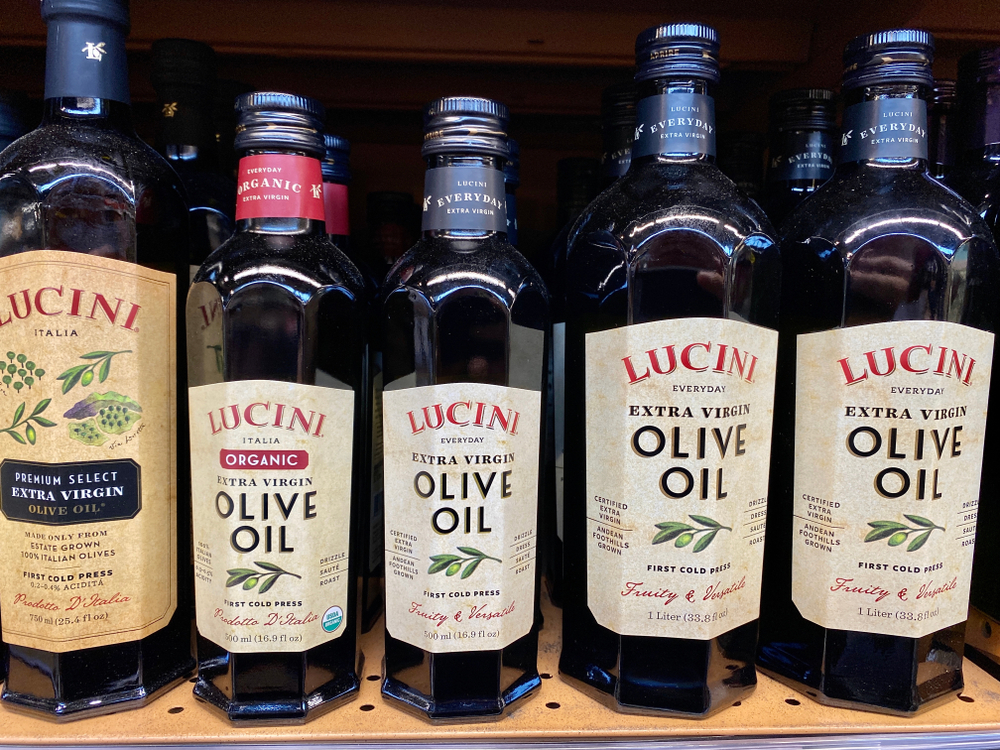
Image credit: Shutterstock
Lucini is often priced a few dollars higher than the bargain brands, but it’s worth every penny. While they have several high-end bottles, their “Everyday” blend is the workhorse of my kitchen.
Why It Doesn’t Suck:
Lucini leans into the classic Italian profile: mellow, nutty, and slightly buttery. It doesn’t have the“in-your-face” intensity of some boutique oils, making it perfect for people who find some EVOOs too bitter. It’s an all-around great choice as the backbone of many recipes. If I am making a homemade vinaigrette where I want the balsamic or lemon to shine, Lucini provides a smooth, rich base without stealing the spotlight. While not a bread-dipper, per se, it deserves a spot in your cupboard.
3. Graza (“Sizzle” and “Drizzle”)
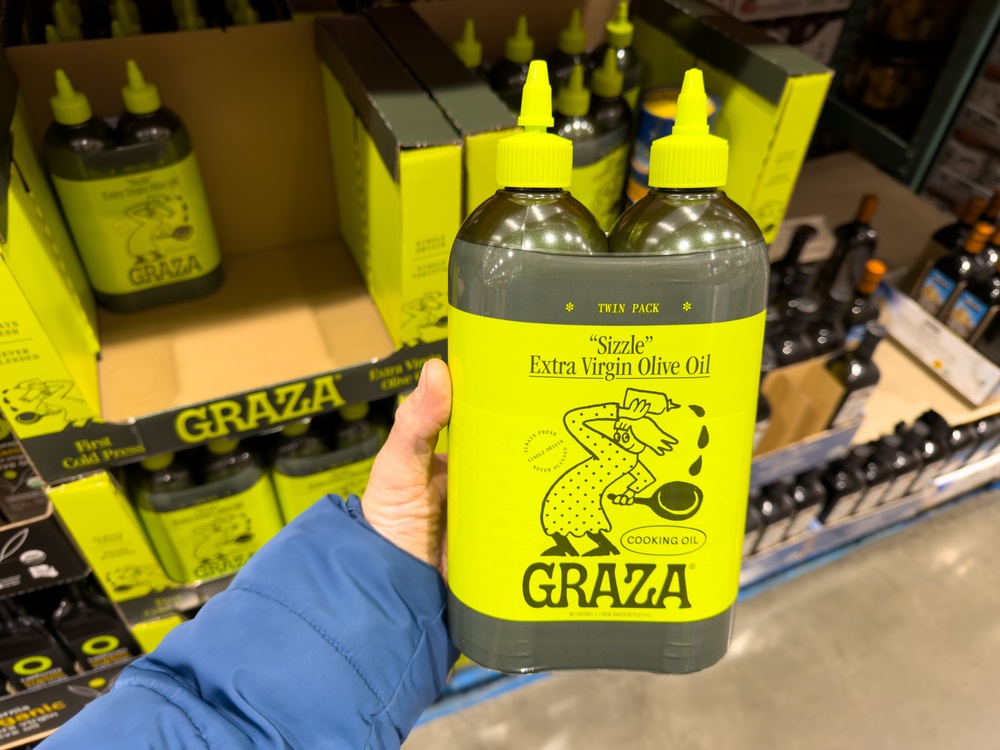
Image credit: Shutterstock
Admittedly, you may not see this brand in every grocery store, but you have probably seen these forest-green squeeze bottles all over social media. Usually, when a brand goes viral for its packaging, the product inside is a letdown. Graza is an exception.
Why It Doesn’t Suck:
They’ve solved the “one size fits all” problem by offering two distinct versions. “Sizzle” is made from mid-season olives and is meant for high-heat cooking, like roasting or searing. “Drizzle” is made from early-harvest olives and is meant for finishing. The squeeze bottle isn’t just a gimmick; it’s incredibly functional. It protects the oil from oxygen better than a screw-top and allows for precision when you’re topping a caprese salad. Plus, the flavor is genuinely fresh and vibrant.
4. Bertolli Bertolli
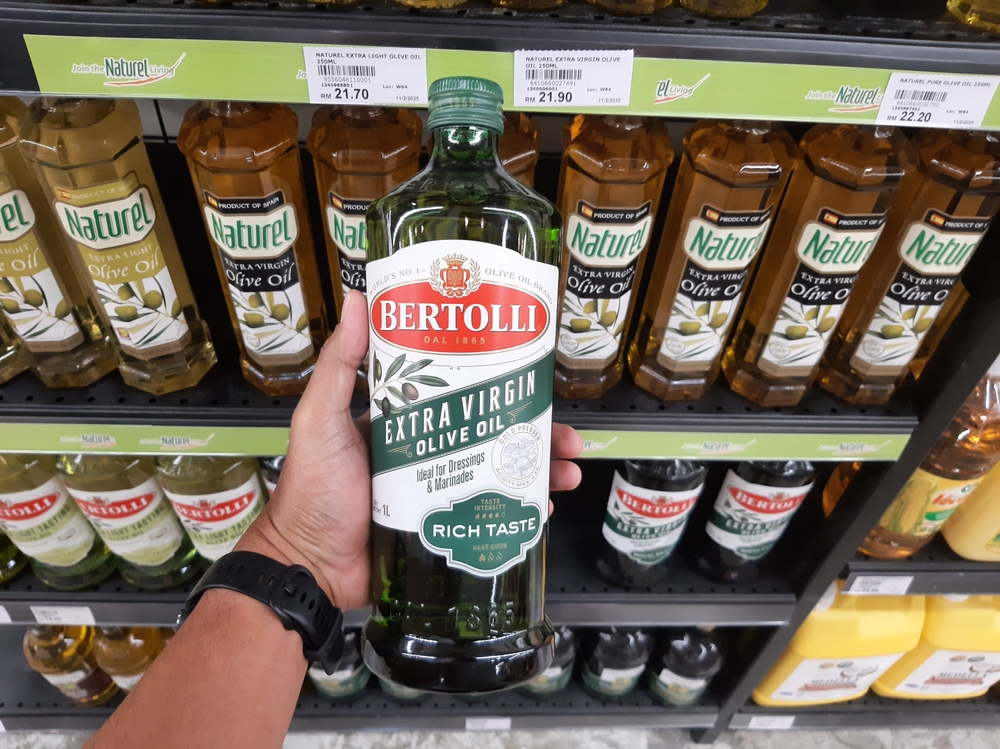
I know, I know – it’s the brand you see in every single store from CVS to Kroger. But don’t sleep on their Extra Virgin oil. While the rest of their products are not worth your money, this one is surprisingly sophisticated, rich, and full-bodied- at an affordable price, too.
Why It Doesn’t Suck:
It hits a specific “sweet spot” of accessibility and quality. It’s widely available, often on sale, and consistently scores well in many taste tests that I found write-ups on online. In my opinion, it has a balanced profile: a bit of fruitiness, a bit of spice, and no weird aftertaste. If you’re on a budget but refuse to eat bad or even mediocre olive oil, this one is your safe harbor.
5. La Tourangelle Organic Extra Virgin
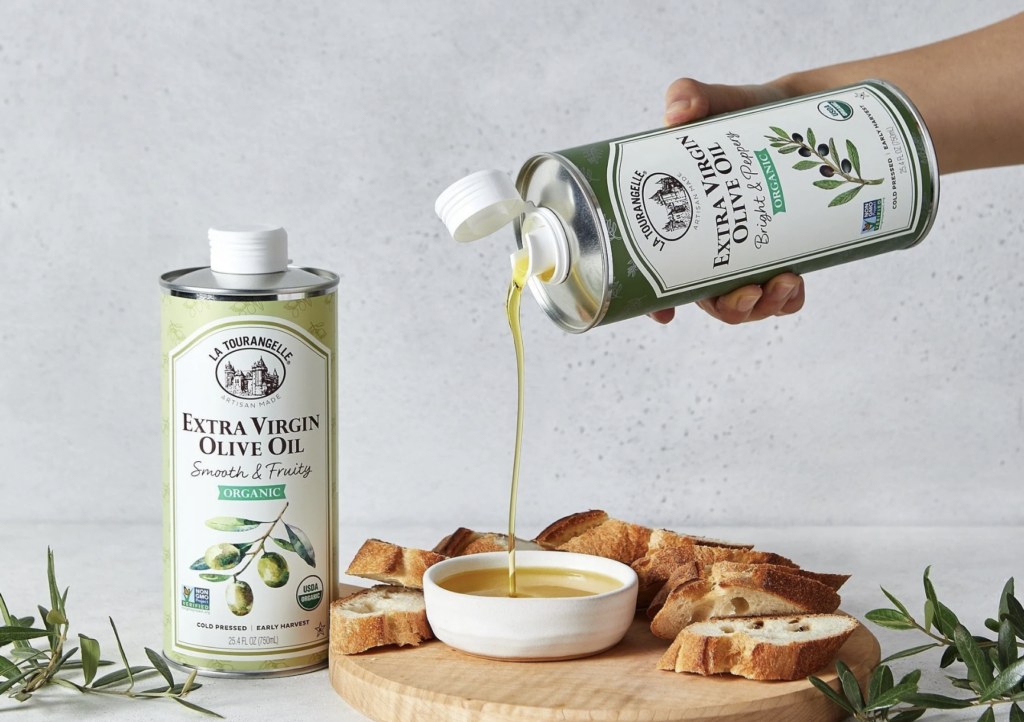
La Tourangelle is famous for its toasted nut oils, but its olive oil is a sleeper hit. It usually comes in a signature tin, which is the absolute best way to protect oil from light.
Why It Doesn’t Suck:
This is a bold oil. If you like your olive oil to taste like olives, this is the one for you. It’s intense, herbaceous, and complex in all the right ways. Because it’s protected by that tin, it stays fresh much longer than many of the oils you see in glass bottles. It’s my go-to for dipping crusty sourdough bread. It has a depth of flavor that makes you stop and actually notice what you’re eating.
The Golden Rules: How to Use and Store Your Oil
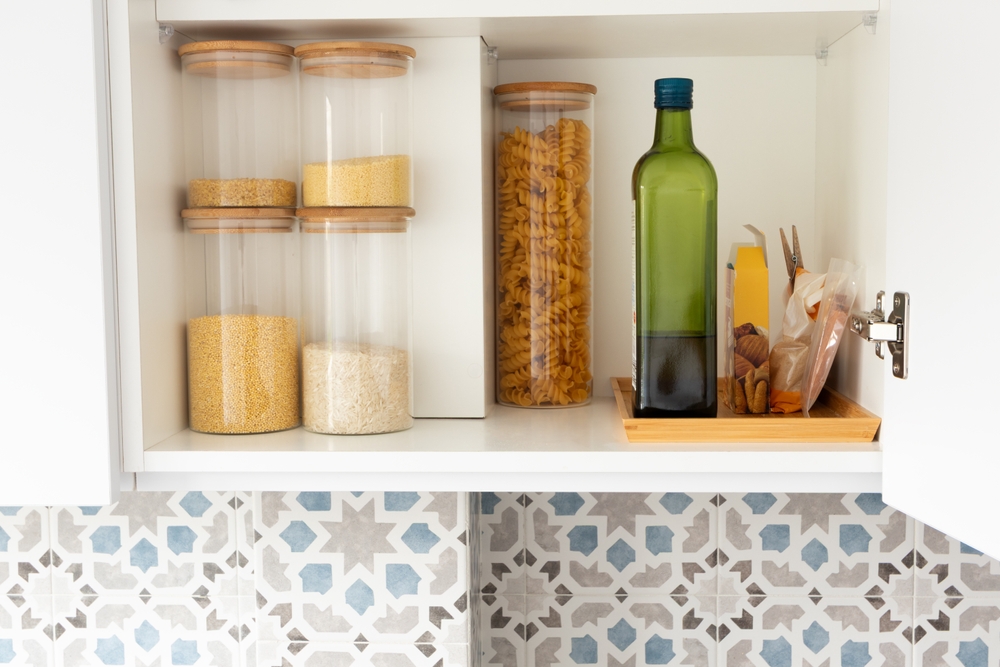
Now that you’ve bought a bottle that doesn’t suck, don’t ruin it. Follow this simple guide for how to both use and store your olive oil so that you actually get your money’s worth out of every bottle.
Can You Cook With It?
There is a persistent myth that you shouldn’t cook with Extra Virgin Olive Oil because of its low smoke point. This is (mostly) nonsense. High-quality EVOO has a smoke point around 375°F to 405°F (190°C to 207°C). Unless you’re deep-frying or doing high-heat wok cooking, EVOO is perfectly stable. In fact, the antioxidants in the oil actually help protect it from breaking down under heat.
Storage: The Three Enemies
This we already touched on above, but we’ll go into more depth for you here. EVOO has three enemies that will degrade it faster than it took you to decide what to make for dinner. Avoid these and your olive oil will stay fresh until the last drop.
- Heat: Never store your oil right next to the stove. I know it’s convenient, but the constant temperature fluctuations will turn your $20 bottle into rancid grease in a matter of weeks – or less.
- Light: Keep it in a cool, dark pantry. If you bought a clear bottle (aka the budget brands – no shame), wrap it in aluminum foil to block the light.
- Air: Oxygen causes oxidation. Keep the cap on tight.
The “Sniff Test”
If you’re unsure if your oil is still good, pour a little into a glass and smell it. Fresh oil should smell like grass, tomatoes, or fruit. If it smells like crayons, old peanuts, or a dusty attic, it’s rancid. Toss it. Life is too short for bad fat.
Read More: Why This Oil is the New Low Saturated Fat Alternative to Olive Oil
The Bottom Line
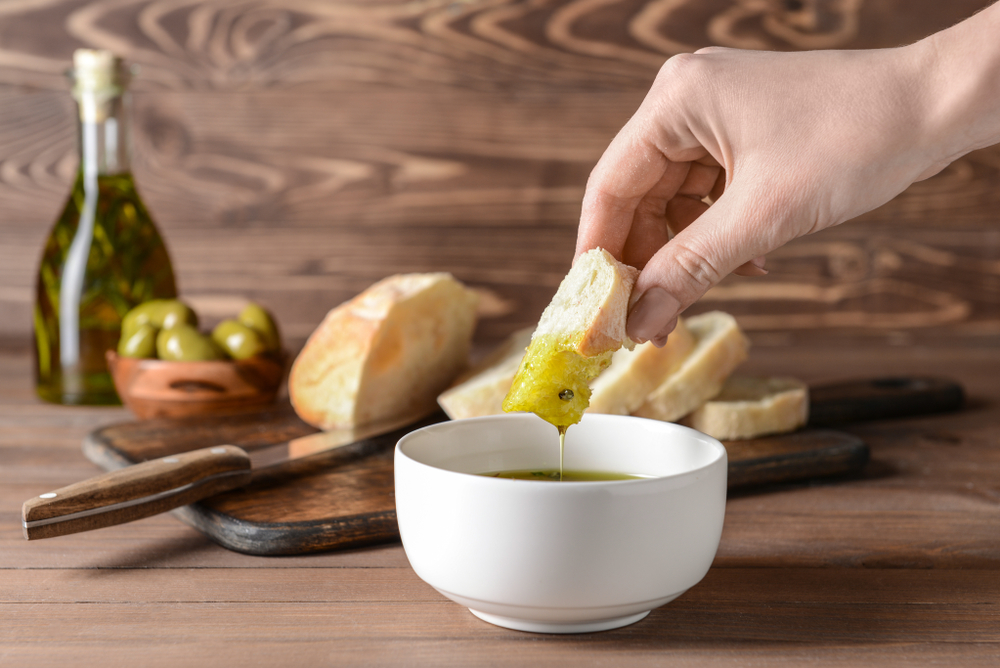
Image credit: Shutterstock
Olive oil is the foundation of so much of what we cook, but we often treat it as an afterthought. The good news is that you don’t need to spend $50 (or more!) on a hand-numbered bottle from a boutique estate to have a great culinary experience. By sticking to brands that prioritize freshness, dark packaging, and transparent sourcing, such as the five I suggested above, you can elevate a basic dinner into something special.
Next time you’re in the aisle, ignore the “light” marketing and the “bottled in Italy” fluff. Grab a bottle that actually tastes like the fruit it came from. Your taste buds (and your heart) will thank you.
Read More: 20+ Creative and Unusual Uses for Olive Oil