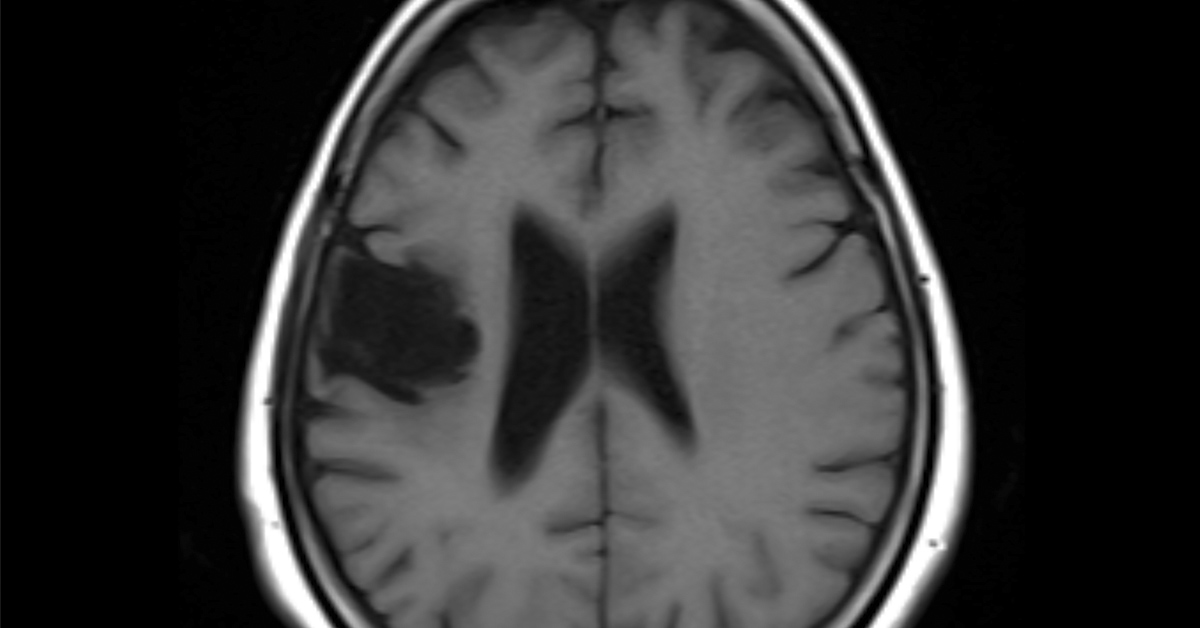

Scientists may have found evidence for an Alzheimer’s Death Switch, a harmful brain process that could help explain how the disease destroys cells. Scientists at Heidelberg University, working with researchers at Shandong University, identified a harmful protein pairing in an Alzheimer’s mouse model. They then used an experimental compound called FP802 to break that pairing apart. The treated mice kept more of their memory and showed less brain damage. The findings were published in Molecular Psychiatry, and they point to a possible new route for slowing Alzheimer’s progression. Even so, this remains early research in mice, not a treatment ready for patients.
That distinction should stay front and center. Alzheimer’s is still a complex disease with no single cause. The National Institute on Aging says researchers still do not fully understand what causes Alzheimer’s in most people. The agency says the disease probably reflects age-related brain changes, along with genetic, health, and lifestyle factors. This new paper does not replace that broader picture. It tries to explain one specific step inside it. More exactly, it asks what pushes a stressed brain cell from trouble into outright collapse. That is why the Alzheimer’s Death Switch idea has drawn such attention. It is not about solving every mystery at once. It is about finding one damaging process that may help drive the disease forward.
The switch is not magic; it is a harmful protein partnership

The core idea sounds technical at first, but it becomes clearer once it is unpacked. The study centers on 2 proteins, the NMDA receptor and TRPM4. NMDA receptors help nerve cells communicate, which makes them important for learning and memory. Under healthy conditions, they are part of normal brain function. Trouble begins when some of those receptors become active outside the usual communication sites between cells and physically link up with TRPM4. The researchers say that pairing changes the signal from helpful to harmful. In the paper, that pair is described as a major driver of toxic signaling in the 5xFAD mouse model of Alzheimer’s disease.
A simple explanation helps here. Brain cells constantly send and receive chemical messages. Those messages need to arrive in the right place and at the right strength. When signaling spills into the wrong place, the message can stop being useful and start becoming damaging. The Heidelberg team argues that this harmful pairing acts like a bad relay point inside the cell. Once it forms, it may help trigger a chain of damage linked to memory decline, weaker cell structure, and reduced energy production. That is why Prof. Hilmar Bading referred to it as a “death complex.” The phrase is striking, but the meaning is grounded. The researchers think this protein partnership may help explain why vulnerable brain cells begin to die. This is also where the study connects to the bigger question of what causes Alzheimer’s.
Public discussion often searches for one neat answer, but the disease rarely works that way. The National Institute on Aging says Alzheimer’s likely develops through several forces acting together over time. Age is the biggest known risk factor, and the aging brain can undergo inflammation, blood vessel damage, shrinking of key regions, and reduced energy production within cells. Against that background, the new study offers a more specific idea. It suggests that once amyloid-related stress is present, this protein pair may help turn that stress into cell injury. For readers, the takeaway is practical. The study is less about what starts Alzheimer’s and more about what may keep it moving in a destructive direction. The location of the protein pairing also matters. The study found more of this harmful interaction in the brains of 5xFAD mice than in healthy mice.
FP802 reduced that interaction without changing the overall amount of either protein. That point may sound technical, yet it is important. The drug did not simply wipe out a normal brain component. It interfered with a harmful connection between 2 components. That gives the approach more precision than a treatment that broadly blocks signaling across the brain. It also helps explain why the research has attracted interest as a possible Alzheimer’s treatment breakthrough. The target is specific, and the proposed damage pathway is clear enough to test in future studies. That matters because good Alzheimer’s reporting should separate mystery from mechanism. This study does exactly that. It gives readers a specific target, a plausible chain of damage, and a clearer explanation of why brain cells may begin to fail after years of mounting stress inside the diseased brain itself today.
The mice did not just show lab changes. They performed better, too
The study used 5xFAD mice, a standard Alzheimer’s model that develops heavy amyloid buildup and memory problems. That does not make it identical to human Alzheimer’s, but it gives researchers a useful way to test ideas early. The team began treatment when the mice were 3 months old and gave FP802 in drinking water for 4 months. According to the paper, the drug disrupted the harmful NMDAR/TRPM4 interaction and did so without changing the total expression levels of the 2 proteins. That finding matters because it supports the researchers’ main claim. FP802 appears to break the link itself, not simply suppress everything around it. In plain English, it looks more like a targeted repair than a blanket shutdown.
The memory results were where the study became much more compelling. The treated mice were tested in several established tasks, including the Morris water maze, contextual fear conditioning, novel object recognition, and novel location recognition. Those tests measure different aspects of learning and memory. In the water maze, the high-dose FP802 group spent more time in the target area and crossed the former platform location more often than untreated Alzheimer’s mice. In the object and location tests, treated mice also performed better. The paper says the FP802-treated groups became hard to distinguish from healthy controls in some of those measures. In simpler language, the treatment did not only change a molecular marker. It helped preserve memory-related performance. The researchers also checked whether the mice were merely moving differently, which could distort the test results.
That point is easy to overlook, but it is crucial. A mouse can seem smarter on a task simply because it is more active or less anxious. The open field test found no meaningful effect of genotype or treatment on general movement. That strengthens the memory findings because it makes a simpler explanation less likely. Dr. Jing Yan, formerly part of Bading’s team and now with FundaMental Pharma, said that in treated Alzheimer’s mice, “disease progression was markedly slowed.” That quote came from the university material summarized by ScienceDaily, and it matches the overall pattern reported in the paper. The brain changes were just as striking as the behavioral ones. Untreated 5xFAD mice showed more damaged mitochondria in the hippocampus, the brain region deeply involved in memory.
Mitochondria are often called the cell’s powerhouses, and that analogy is useful here. They help cells produce the energy needed to function. When they are damaged, brain cells become less able to cope with stress. The study found that FP802 helped preserve mitochondrial structure and reduced the shift toward swollen, abnormal forms. It also helped preserve dendrites and synapses, which are the branches and contact points nerve cells use to communicate. In practical terms, the drug seemed to protect both the wiring and the energy supply of vulnerable brain cells. That combination of stronger memory and healthier brain tissue gives the study its force. Many experiments change a molecule without changing its behavior. Here, the researchers saw both. That does not settle the case for humans, yet it gives the Alzheimer’s Death Switch idea a stronger foundation than a laboratory finding.
This approach does not clear plaques first. It tries to stop damage downstream
The new study stands out because it approaches Alzheimer’s from a different angle than the latest approved drugs. Current disease-modifying therapies such as lecanemab and donanemab target beta-amyloid. The National Institute on Aging says these drugs treat mild cognitive impairment or mild Alzheimer’s by removing abnormal beta-amyloid and helping reduce plaque levels in the brain. Those medicines have changed the field because they can slow the decline for some patients in early disease. Still, they are not cures, and they are not appropriate for every person. They also come with serious monitoring requirements because of risks such as brain swelling and bleeding.
FP802 aims at something else. Instead of focusing first on clearing amyloid, it tries to block a harmful signal inside brain cells. That difference is easy to miss beneath the jargon, so it helps to state it plainly. Amyloid-targeting drugs try to remove a major hallmark of the disease. FP802 tries to keep that hallmark from pushing cells further toward injury. According to ScienceDaily’s summary of the Heidelberg release, Bading said the team was “blocking a downstream cellular mechanism.” In ordinary language, that means they are trying to interrupt the damage process after the brain has already entered dangerous territory. It is a different treatment philosophy, and that is why researchers are watching it closely.
There is also an important link to older Alzheimer’s treatment ideas. The National Institute on Aging says memantine, an NMDA antagonist, is used for moderate to severe Alzheimer’s symptoms and works by blocking toxic effects associated with excess glutamate. The new paper does not reject that line of thinking. It refines it. The researchers argue that NMDA signaling is not uniformly bad. When it happens in the right place, it supports normal cognitive function and neuron survival. When it becomes tied to TRPM4 outside synapses, the signal can turn destructive. That gives FP802 a more selective target than a broad shutdown of glutamate-related signaling. For readers, the practical point is simple. Selective treatments may preserve more useful brain function while reducing a specific harmful process. The study also reported something that makes the findings even more intriguing.
FP802 was not designed as a standard plaque-clearing agent, yet the paper says treatment reduced amyloid beta plaque formation in the mice. Bading suggested this could reflect a damaging feedback loop, where the toxic protein complex both harms nerve cells and promotes amyloid buildup. That idea remains preclinical, but it is one reason the study has landed as more than a niche neuroscience paper. It hints that protecting cells and reducing plaques might not be separate goals in every case. In the future, approaches like this could prove complementary to antibody treatments, though that remains a hypothesis at this stage. That wider treatment logic is what makes the study interesting beyond one experimental compound. Alzheimer’s may eventually be treated with layered strategies that lower harmful proteins, protect fragile cells, and slow decline from several directions at once. This paper does not predict the future, but it helps sketch it more.
The excitement is justified, but it is still early-stage science

The strongest reason to take this study seriously is its breadth. Many early Alzheimer’s papers show a change in one marker or one pathway, then stop there. This one linked a proposed damage mechanism to memory performance, mitochondrial health, dendrite structure, synapse preservation, and amyloid plaque burden in the same model. That does not prove the theory is complete, yet it gives the work a stronger backbone. A useful explanation for what causes Alzheimer’s progression should connect visible pathology to the actual breakdown of brain function. This paper makes that connection more directly than many preclinical studies do. It offers a target that researchers can now challenge, refine, and test in other models.
The limits, however, are just as real as the promise. Everything here happened in mice. The 5xFAD model is valuable, but it represents a narrow slice of Alzheimer’s biology and leans heavily toward amyloid-driven disease. Human Alzheimer’s usually unfolds over many years and often includes a broader mix of vascular changes, inflammation, age-related stress, and other brain pathologies. The National Institute on Aging also emphasizes that most cases likely reflect several overlapping forces. That history is why readers should stay cautious. Many therapies have looked excellent in animal research and then failed when tested in human patients. For now, FP802 belongs in the category of encouraging preclinical work, not established medicine.
The researchers themselves are careful on that point. ScienceDaily’s summary quotes Bading saying the earlier results are promising in a preclinical context, but that pharmacology work, toxicology studies, and clinical trials are still needed before a human application becomes possible. That is the right level of restraint. It keeps the paper from being oversold as an immediate Alzheimer’s treatment breakthrough. At the same time, it does not drain the significance from the result. In a field where many ideas never protect memory, an experiment that preserves cognitive performance and reduces brain damage deserves attention. It is sensible to call it promising. It would be careless to call it proven. For families following Alzheimer’s research, the clearest takeaway is this. Scientists may have identified one harmful process that helps turn brain stress into brain cell death, and they may have found a way to interrupt it in mice.
That is meaningful progress even if no patient can benefit from it yet. It also helps answer a public question that comes up repeatedly. When people ask what causes Alzheimer’s, they are often asking what drives the damage once the disease begins. This paper does not answer every part of that question, but it may have answered one important part of it. For a disease this complex, that is real movement in the right direction. That is often how progress looks in Alzheimer’s research. It arrives in stages, with one study clarifying a piece of the puzzle. This paper may have identified one of those pieces. Now the real test begins, as other researchers try to confirm, challenge, and extend the findings in patients someday.
Disclaimer: This information is not intended to be a substitute for professional medical advice, diagnosis or treatment and is for information only. Always seek the advice of your physician or another qualified health provider with any questions about your medical condition and/or current medication. Do not disregard professional medical advice or delay seeking advice or treatment because of something you have read here.
A.I. Disclaimer: This article was created with AI assistance and edited by a human for accuracy and clarity.
Read More: Nanotechnology Breakthroughs Offer Hope in the Fight Against Alzheimer’s