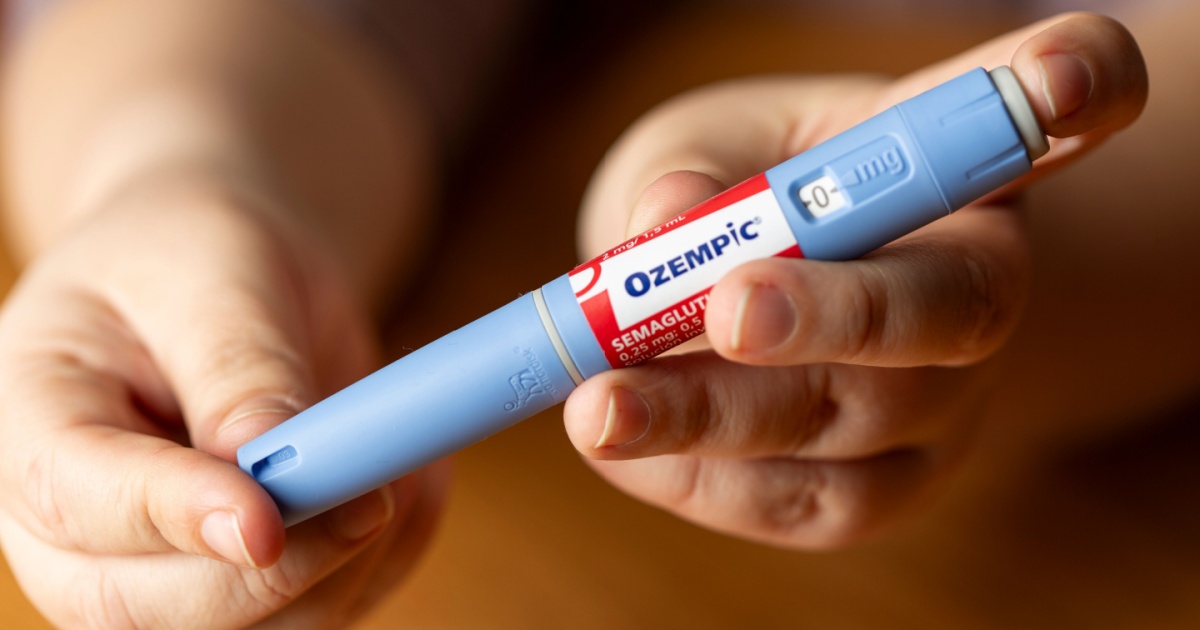

Microdosing Ozempic is becoming the newest branch of the GLP-1 conversation, and the appeal is easy to understand. Some people are not chasing dramatic, rapid transformation. They want lighter appetite control, fewer stomach problems, a slower rate of loss, or a way to stay on semaglutide without paying for the highest doses. That helps explain why social feeds are full of people calling the approach smarter, cheaper, and easier to live with. Yet the real story is more careful than the hype. The strongest proof for semaglutide still comes from standard, supervised treatment, while microdosing Ozempic remains a loose, unofficial idea with very different meanings from one user to the next.
That does not mean the trend is empty. Semaglutide works by acting on appetite and food intake, and lower doses can still produce real biological effects in some people. Doctors also already use slow escalation, dose adjustments, and tolerance-based decision making in regular practice. The line between sensible personalization and internet-led improvisation is where the subject gets complicated. Microdosing Ozempic may help some patients stay consistent, but consistency only matters when the dose, product, and medical goal still make clinical sense. That is why this trend deserves more than a quick headline. It needs a grounded look at what the drug does, where the evidence is strongest, and where the risks begin to outweigh the promise.
Why Microdosing Ozempic Suddenly Sounds So Sensible
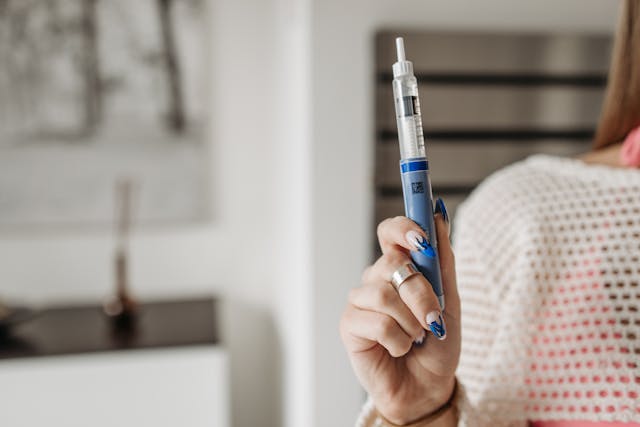
The modern GLP-1 market almost invited this trend into existence. Ozempic is prescribed for adults with type 2 diabetes, while semaglutide under the Wegovy name is used for chronic weight management at different doses. Many people looking at these drugs from the outside do not focus on those distinctions first. They notice the monthly price, the stories about nausea, and the long threads from people saying a smaller amount was enough to blunt cravings. Cleveland Clinic says the main reasons people consider microdosing are cost, side effects, and availability. That combination is powerful because it speaks to daily reality, not just ideal treatment plans. The idea also sounds reasonable because semaglutide is not a stimulant or a crash diet pill.
It is a weekly GLP-1 drug that influences hunger, fullness, food intake, and blood sugar regulation. NIDDK explains that semaglutide “targets areas of the brain that regulate appetite and food intake,” which helps explain why even a smaller amount can appear helpful in the short term. Someone who eats less, stops snacking at night, or suddenly tolerates a reduced portion size may conclude very quickly that microdosing Ozempic is working. In practical terms, that first impression is often the engine behind the entire trend. Another reason the trend keeps spreading is that official dosing already starts low. The Wegovy label says treatment begins at 0.25 mg weekly and escalates gradually to reduce gastrointestinal adverse reactions.
If patients do not tolerate escalation, the label allows delay, and for some indications, the maintenance dose can be reduced to 1.7 mg when 2.4 mg is not tolerated. That structure makes lower-dose treatment look less like a fringe experiment and more like a softer entry point into the same medication family. Social media then takes that medical truth and stretches it into a much bigger claim than the evidence currently supports. There is also a cultural piece to this story that has nothing to do with pharmacology. A growing number of people do not want the most extreme result available. They want to lose enough weight to improve their health, move better, sleep better, or stop gaining more. They also want to avoid the gaunt, overstressed look that critics attach to rapid GLP-1 loss.
In that setting, microdosing Ozempic gets framed as the calm, measured alternative. The phrase sounds disciplined and intelligent. Yet the medical question remains unchanged. A smaller amount may sound balanced, but the useful dose is still the one that matches the patient, the diagnosis, the product, and the treatment goal. It also helps that many users now frame dosing as a customization issue, not a medical shortcut. That language gives the trend an air of control and sophistication. People hear microdosing and imagine precision, restraint, and fewer trade-offs. In a culture weary of extremes, that message lands quickly. Yet medicine still works on physiology, not branding. A dose can suit the mood of the moment. The body still responds according to biology and individual circumstance alike.
Why Smaller Doses Can Still Seem To Work
Semaglutide is powerful because it acts through more than one lane at once. The Wegovy prescribing information says semaglutide decreases calorie intake, and the effects are likely mediated by appetite. Cleveland Clinic also notes that these injections can begin exerting their strongest effect within about 72 hours, although appetite changes may take longer to become obvious and can vary with dose, diet, stress, and other factors. That means a person does not need a massive early response to sense that something has shifted. Eating less at dinner, staying full longer, or finding cravings less aggressive can all register as success. At the same time, early improvement does not always equal full therapeutic benefit. Cleveland Clinic notes that “The initial dose of the medication may not have any effect.”
That line is important because it explains two different realities at once. First, some people on very low doses may notice only a faint change and assume the drug is working enough. Second, other people may misread the starter dose as the whole treatment, when it often serves mainly as a tolerability step before escalation. In other words, microdosing Ozempic can appear effective because semaglutide is an active medicine, yet the strongest benefits may still require more time and a higher supervised dose. The lower-dose data support that more modest view. In an FDA-cited Ozempic monotherapy trial in adults with type 2 diabetes, mean body weight changed by about -1.2 kg with placebo, -3.8 kg with Ozempic 0.5 mg, and -4.7 kg with Ozempic 1 mg at 30 weeks.
Those are real losses, even though they are far smaller than the results seen in obesity trials using 2.4 mg semaglutide. This is where the trend picks up its credibility. People are not inventing the possibility that smaller doses can do something. Lower approved doses already show measurable effects. The mistake comes when a modest effect gets mistaken for an equal effect. That distinction is especially useful for anyone tempted by online before-and-after claims. If someone loses a few kilograms, tolerates food better, or finally stays on the medication long enough to build good habits, microdosing Ozempic may indeed look effective from the inside. That personal experience can be completely sincere. Still, personal success does not answer the bigger medical questions about durability, cardiometabolic benefit, or appropriate long-term dosing.
A lower amount may help a person get traction. It does not automatically follow that the lower amount is the best dose for weight management, diabetes care, or long-term risk reduction. That is why lower-dose success can be genuine, yet still incomplete, especially when appetite change arrives before the deeper metabolic gains seen with standard escalation. Without that structure, an apparently effective approach can drift into guesswork, uneven results, and misplaced confidence. People may then overestimate what the medication is actually achieving over time. That is where promising anecdotes start outrunning the evidence.
What The Evidence Actually Proves
The strongest semaglutide evidence does not come from do-it-yourself low-dose routines. It comes from formal trials using defined schedules, follow-up, and lifestyle support. In the landmark STEP 1 trial, reported by Wilding and colleagues in The New England Journal of Medicine, the mean weight change at week 68 was -14.9% with semaglutide 2.4 mg versus -2.4% with placebo. The authors described the outcome as a “sustained, clinically relevant reduction in body weight.” That is the benchmark microdosing Ozempic is being compared against, whether social media users realize it or not. The evidence is strong for semaglutide. It is strongest for structured semaglutide. Guidelines lean in the same direction.
The American Gastroenterological Association guideline on pharmacologic treatment of obesity suggests semaglutide 2.4 mg with lifestyle modification in adults with obesity or overweight plus weight-related complications. The same body of evidence also notes that gradual titration may help reduce adverse effects. That pairing is revealing. The medical system is not blind to tolerability. Slower escalation is already built into evidence-based care. What it does not do is endorse a social-media version of microdosing Ozempic as a substitute for defined obesity treatment. The difference between supervised flexibility and free-form experimentation is large, even when the words sound similar. This is also why the trend can be described as effective only with an important qualification.
If effective means some people can curb their appetite, lose a moderate amount of weight, or stay on therapy more comfortably, the answer may be yes. If effective means microdosing Ozempic has been shown to match standard semaglutide treatment for weight loss or broader health outcomes, the evidence is not there. Cleveland Clinic says there is a lack of research on the safety and benefit of microdosing, and it also notes there are no official or standard guidelines for microdosing semaglutide. That gap is the central fact many viral posts skip. A second issue is that the clinical upside of semaglutide is not limited to appetite alone. Ozempic is approved to improve blood sugar in adults with type 2 diabetes and to reduce major cardiovascular events in certain adults with type 2 diabetes, while Wegovy carries its own approved uses at different doses and in different populations.
When broader goals come into play, dose selection stops looking cosmetic. A very low amount may help someone snack less, yet still miss the mark for diabetes control, obesity treatment, or long-term risk reduction. That is why careful clinicians focus on targets instead of trends. Even so, the lack of microdosing trials does not make the concept medically absurd. It shows that the trend has moved ahead of the research. Clinicians can sometimes justify lower or slower dosing to improve tolerability, reduce cost, or support adherence. They cannot claim that internet experimentation has already answered the bigger questions. Researchers still need to determine how much weight patients lose, how long they keep it off, which patients benefit most, and whether lower dosing can match the protection seen in established treatment pathways.
Why The Safest Version Is Physician-Guided, Not DIY

Microdosing Ozempic can sound careful, disciplined, and practical. The real safety question concerns supervision, not branding. Semaglutide affects appetite, blood sugar, digestion, and treatment adherence. Those effects can help patients, but they also require judgment. People often assume smaller doses remove most of the risk. That assumption sounds sensible, yet medicine rarely works that neatly. A low dose can still trigger nausea, vomiting, constipation, or dehydration. The Ozempic prescribing information reports gastrointestinal reactions more often with the drug than placebo. It also states that “the majority of reports” occurred during dose escalation. That detail matters because many patients change doses while chasing comfort. Some lower the amount abruptly after nausea. Others raise it too fast after an easier week. Those swings can create confusion about what actually works. They can also make side effects harder to interpret. A physician can slow titration with a clear target in mind.
A social media routine usually cannot offer the same structure. Microdosing Ozempic may help some patients stay on treatment longer. Yet a useful strategy still needs monitoring, consistency, and a medical goal. Without that foundation, early promise can become messy very quickly. The risk grows when people use compounded semaglutide with improvised measurements. Many online posts treat that process like a kitchen recipe. It is not one. The FDA says it received reports of adverse events, “some requiring hospitalization,” from dosing errors. The agency links those cases to compounded injectable semaglutide products. It also says patients measured wrong doses and clinicians miscalculated doses. That warning should stop anyone from treating low-dose experiments casually. A smaller intended dose does not guarantee a smaller mistake. In fact, measuring tiny amounts can invite more error. Branded pens reduce some of that guesswork because the device sets the dose.
Loose vial-based routines often remove that protection. They also encourage people to copy methods designed for someone else. Cost pressure pushes many patients toward those choices. Side-effect fear pushes them there, too. Short supply concerns also shaped the trend for a long time. Yet convenience does not change the math of dosing. Compounded drugs are also not FDA-approved before marketing. That leaves patients with less certainty about quality, safety, and consistency. Microdosing Ozempic becomes much riskier when the method itself lacks standardization. Even careful people can make serious errors with unfamiliar measuring systems. Long-term expectations create another problem for people chasing a smaller dose. Many users judge success by the first clear drop in appetite. That early win can be real. It still does not answer the larger treatment questions. Doctors must consider weight loss, blood sugar, hydration, kidney stress, and symptom burden together.
They also need to know whether the result will last. The STEP 1 extension study gives that issue real weight. Wilding and colleagues found that participants regained two-thirds of their prior weight loss after stopping semaglutide. That result does not prove every patient will regain the same amount. It does show that semaglutide works best inside a durable plan. Casual dose hopping rarely creates that kind of plan. A patient may lose enough weight to feel encouraged. Months later, the same patient may stall, regain, or stop treatment entirely. The body does not care whether the routine sounded balanced online. It responds to exposure, consistency, nutrition, movement, and adherence. That is why lower-dose success can be genuine, yet still incomplete. Appetite may improve before deeper metabolic benefits fully appear. Without structure, an apparently effective approach can slide into guesswork. Then anecdotes start moving faster than the evidence.
Disclaimer: This information is not intended to be a substitute for professional medical advice, diagnosis or treatment and is for information only. Always seek the advice of your physician or another qualified health provider with any questions about your medical condition and/or current medication. Do not disregard professional medical advice or delay seeking advice or treatment because of something you have read here.
A.I. Disclaimer: This article was created with AI assistance and edited by a human for accuracy and clarity.
Read More: ‘Ozempic Sex’: The Surprising Side Effect Users Are Talking About