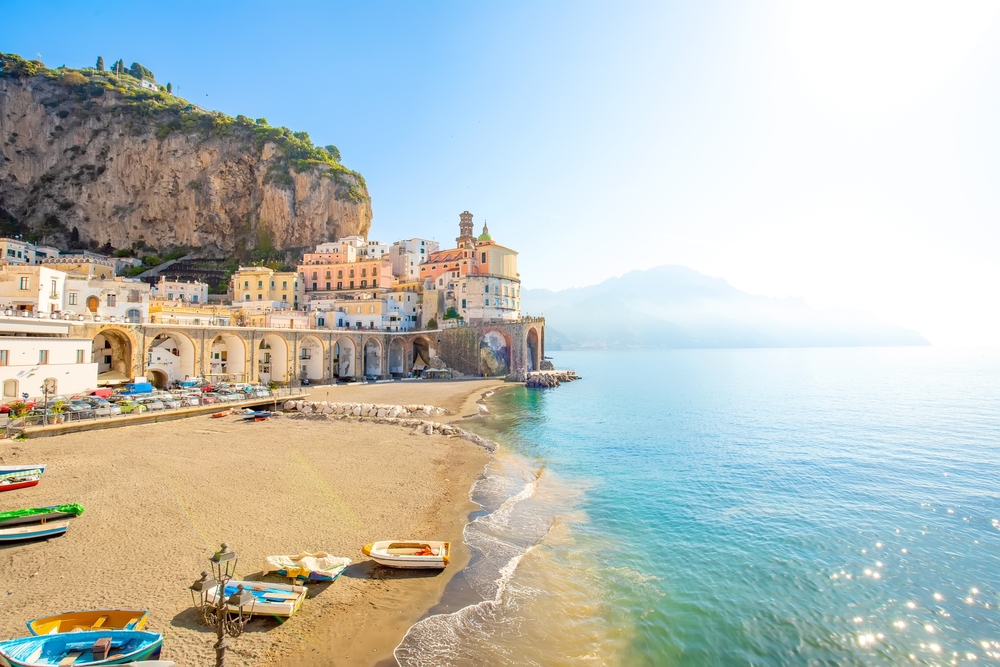

Imagine scrolling through your morning news feed and seeing a headline that reads: “This Italian village will pay you $34,000 to move in.” Your first reaction might be skepticism – a quick eye-roll, a half-click, then back to coffee. But here’s the thing: the story is real, and it’s not just Italy. A growing number of countries around the world have decided that the most effective way to save struggling communities, stabilize shrinking economies, and attract skilled professionals isn’t through traditional immigration policy. It’s with hard cash.
The financial relocation incentive programs being quietly rolled out across Europe, Asia, and Latin America are more varied – and more serious – than most people realize. Some are cash grants, some are sweeping tax breaks, some are targeted at entrepreneurs, and some are specifically designed to lure remote workers away from expensive cities. The question is whether any of them actually make sense for you.
Which Countries Will Pay You to Move There?
Some countries and small towns offer cash grants, housing incentives, and startup funding to attract new residents. Here’s how these relocation programs work. Many rural towns and smaller regions are losing residents as younger people head to cities for work. Others are struggling to attract skilled workers or entrepreneurs. Rather than letting schools, businesses, and infrastructure slowly disappear, local governments are offering financial incentives to encourage people to settle down.
Finds video content covering multiple countries offering financial relocation programs, likely including Italy and Japan as featured examples.
As of June 2025, 73 countries offer digital nomad visas – and a meaningful subset of those pair that legal pathway with direct financial rewards. Below is a breakdown of the most substantive financial relocation incentive programs currently documented, including what the money is, who qualifies, and what the strings are.
1. Italy
A steady fall in Italy’s population since 2014 has affected regional towns the hardest, so local governments are offering relocation grants and other financial incentives to incoming expat communities. The most concrete program is in Calabria, Italy’s sun-drenched southwestern tip. This scenic region offers around €28,000 (approximately USD $32,528) to qualifying individuals willing to move to one of nine villages with a population of fewer than 2,000. To apply, you must be no older than 40, move within 90 days of acceptance, and either start a new business that benefits locals or fill an in-demand job.
Italy’s programs go beyond just Calabria. Sardinia offers a €15,000 per-household grant to buy or renovate a property in villages with fewer than 3,000 people, covering up to 50% of costs and requiring permanent residency. In recent years, municipalities like Ollolai and Nulvi have also sought to tempt Italians from the mainland and foreigners with offers of houses as cheap as an espresso. Those €1 homes require buyers to commit to renovating the properties within a set timeframe, but for anyone willing to take on a project, the total package – property plus grants – is one of the most compelling deals in Europe that pays you to move there. If you’re wondering how to qualify for Italy’s remote worker incentive program, the answer varies by municipality, but age (typically under 40), a commitment to full-time residency, and a business or employment plan are the consistent requirements.
2. Japan
Japan’s demographic situation is among the most severe in the developed world. 2025 saw around 670,000 babies born – the lowest figure since records began in the late 1800s, and far lower than the highs of two million new births in the 1970s. The government’s response has been direct financial investment in rural repopulation. The Japan relocation program most widely referenced is the Regional Revitalization Program, which offers worldwide expats up to ¥4,800,000 (approximately USD $30,364) in funding and support to relocate to communities that need a population boost.
For families, the incentives go further. Japan offers grants of up to 1 million yen (approximately USD $6,200) per child to families moving from major cities to designated rural areas, with some municipalities also providing housing support and startup assistance. The Japan relocation program is primarily targeting families and entrepreneurs who will commit to building community roots in smaller towns – not temporary residents looking for a short stay.
3. Switzerland (Albinen)
A town in Switzerland has a unique opportunity for expat families looking to relocate. To help reduce its declining population, Albinen is offering 25,000 Swiss Francs (approximately USD $31,679) to adults willing to make the move, plus an additional 10,000 Swiss Francs for each child.
The requirements are strict. To qualify, applicants are required to buy a property valued at no less than 200,000 francs and live in Albinen for at least 10 years, or they may have to return the subsidy. While the process can be long and demanding, the opportunity to settle in one of the world’s happiest countries remains a strong incentive. This is one of the more financially demanding financial relocation incentive programs on the list – but the per-person payout for a family is substantial if you’re committed to the long haul.
4. Spain (Extremadura)
Spain has a well-documented rural depopulation problem – sometimes called “España vacía” (Empty Spain) – and several regions have created targeted programs in response. The most current and active is in Extremadura, a region bordering Portugal. The regional government of Extremadura is offering digital nomads up to €15,000 to move to the area. The autonomous community has one of the lowest populations in Spain and is one of the least-developed regions, with one of the country’s lowest GDPs per capita and one of the highest rates of unemployment at 17.6%.
The Extremadura Digital Nomad Grant is a financial incentive of up to €15,000 for remote workers who relocate to Extremadura, Spain. It’s part of a regional initiative aimed at attracting young professionals and digital workers to revitalize the area. As of July 2025, the program continued giving grants of up to €10,000 to those who move to the region, with 470 applications received and 195 already approved. Priority and larger amounts go to women, people under 30, and those moving to towns with fewer than 5,000 inhabitants, while all other qualifying tech professionals receive €8,000 upfront with a potential top-up after a third year.
For families outside the cities, the village of Ponga in northwestern Spain, with a population of less than 600, pays couples €3,000 to move there and an additional €3,000 for every child they have. Families are legally bound to live in Ponga for at least five years.
5. Greece
Greece brings two types of incentives to the table: a direct cash offer on one hand, and one of Europe’s most attractive tax regimes on the other. The direct cash comes from the island of Antikythera. The program offers free accommodation – a house and plot of land – for as long as you stay, plus €500 per month per household for the first three years (totaling approximately €18,000). Organized by the Greek Orthodox Church of Kythera in partnership with local authorities, the program offers incentives to young families and skilled workers ready to relocate and breathe new life into this serene Aegean gem.
The broader tax picture is just as compelling for retirees and remote workers who want to move abroad for money savings rather than a one-time check. Greece allows qualifying foreign pensioners to elect a flat 7% tax rate on their foreign-sourced income, including pensions, dividends, interest, and other overseas income. Once approved, this rate applies for up to 15 years, replacing Greece’s standard progressive income tax system, which can otherwise exceed 40%. For remote workers and digital nomads, Greece offers a 50% reduction in income tax for up to 7 years.
6. Ireland
Ireland’s program often gets misreported as a “get paid to move” offer, and the reality is slightly more specific – but still genuinely substantial. Ireland doesn’t pay anyone to move to an island, but it does offer Vacant Property Refurbishment Grants for people who renovate vacant and derelict property and then live there or offer the homes as long-term rentals. Individuals willing to buy and renovate vacant homes could receive cash grants of up to €84,000 to move there. As of 2026, an Expert Advice Grant of €5,000 is also available to help cover the costs of hiring conservation specialists or surveyors. The Irish government aims to diversify the islands’ economies, empower communities, and build sustainable futures.
Launched under the Our Living Islands policy, the initiative is part of a 10-year plan aimed at reversing decades of depopulation and disuse across 30 islands not connected to the mainland by bridges or causeways. The practical takeaway: if you’re willing to purchase and restore a property on a qualifying Irish island, this grant can cover a very significant portion of renovation costs – but it’s a building project, not a bank transfer.
7. Croatia
Croatia takes a different approach, using a zero-tax framework rather than cash grants as its primary financial relocation incentive. Croatia was one of the first EU countries to create a dedicated digital nomad visa back in 2021, and it remains one of the most attractive options in Europe, especially since the 2025 amendments extended the maximum stay to 18 months. If you’re a non-EU citizen working remotely for a company or clients outside Croatia, this visa lets you live legally on the Adriatic coast while remaining exempt from Croatian income tax.
Croatia’s amended Law on Foreigners took effect on 15 March 2025 and brought several updates for digital nomads: the maximum stay increased from 12 months to 18 months, the income threshold was raised to €3,295/month, and the tax exemption for digital nomad visa holders remained unchanged. For a remote professional earning a solid income, that tax exemption over 18 months is worth considerably more than most direct cash grants on this list.
8. Portugal
Portugal’s financial relocation incentive comes through the Emprego Interior Mais program. Portugal’s “Emprego Interior MAIS” program offers up to €5,000 in direct financial support to workers, remote professionals, and entrepreneurs willing to relocate to the country’s rural interior regions. The incentive covers relocation costs, provides bonuses for family members, and can be combined with other indirect benefits related to taxes and business activities.
The basic financial support for those moving inland is €2,633, which can be increased by 20% for each member of the household who also moves. There is also a contribution towards the cost of transporting goods, and the total amount of support can reach up to approximately €4,827 to €5,000. Portugal’s program is open to foreigners with legal residency, meaning it combines neatly with the country’s various visa options for remote workers and entrepreneurs.
9. Costa Rica
Costa Rica’s approach is pure tax efficiency. Costa Rica operates under a territorial tax system, which means that income earned from foreign sources is not taxed locally. As a digital nomad visa holder, you are generally not treated as a tax resident for foreign-earned income. On top of that, thanks to the visa’s benefits – including tax exemptions, access to local banking, and the ability to import work equipment duty-free – you can settle in quickly and focus on what matters most.
The minimum income requirement is $3,000 per month for individuals or $4,000 per month for families. The visa is valid for one year and can be renewed for another year. For a remote professional paying substantial income tax at home, relocating to Costa Rica through this program effectively functions as a significant financial incentive – even without a direct cash payment.
10. Chile
Chile’s financial incentive is aimed squarely at entrepreneurs. Start-Up Chile is the world’s first public business acceleration program created by the Chilean government for high-potential entrepreneurs to bootstrap their startups using Chile as a platform to go global. With a portfolio of over 1,800 startups and 4,000 alumni, the program offers from around $15K USD up to $80K USD in equity-free funding, a soft-landing program (visa), and acceleration support for Chilean and foreign tech-based early-stage startups.
The Start-Up Chile program targets entrepreneurs with scalable business ideas. Selected applicants receive equity-free government funding, mentorship, a temporary visa, and access to Chile’s startup ecosystem. In return, founders are expected to live in Chile for a set period and actively build their business there. It’s not passive income – but for the right entrepreneur, it can significantly reduce early startup costs.
11. Spain’s Ponga and Broader Rural Programs
Beyond Extremadura, Spain’s rural revitalization effort extends to regions including Galicia, Asturias, and Castilla y León. Part of the regional incentives includes a monthly subsidy of €600 for a first child, plus €400 for each subsequent child until they turn five. Individuals can also receive up to €20,000 to start a business in a town of fewer than 3,000 inhabitants that generates local employment opportunities.
Spain’s Holapueblo program, now on its sixth iteration, is particularly aimed at entrepreneurs looking to set up a business in a small community. The organization seeks out municipalities committed to offering incentives and support, like affordable housing and community services.
Are Financial Relocation Incentives Taxable Income?
This is the question that surprises most people who get excited about moving abroad for money. The short answer: it depends on where the money comes from, where you’re going, and your home country’s tax rules.
For U.S. citizens, the picture is complex. For most taxpayers, relocation expenses are still considered taxable income in 2026. The 2017 Tax Cuts and Jobs Act changed how relocation benefits are taxed, and the One Big Beautiful Bill Act, passed in July 2025, made those changes permanent. Cash grants received from foreign governments would generally need to be reported to the IRS, though they may be partially offset through the Foreign Earned Income Exclusion and foreign tax credits – always consult a tax professional before relying on any specific numbers.
Within the receiving country, each program has its own rules. Some grants in Spain, for example, are treated as taxable income under Spanish law. Tax-based incentives like Croatia’s digital nomad exemption, Greece’s 7% flat rate, and Costa Rica’s territorial system are structured programs with clear legal frameworks – but they don’t eliminate home-country obligations for citizens of countries like the United States, which taxes citizens on worldwide income.
What Are the Requirements for International Relocation Incentive Programs?
These relocation incentives can be real, but they’re rarely as simple as “move here and get paid.” Most programs come with rules around visas, employment, property purchases, renovations, long-term residency, or startup eligibility. Looking across all the programs above, a few common patterns emerge. Age limits often apply (typically under 40 or 45 for direct grant programs). Residency commitments range from two to ten years. Many require you to purchase rather than rent, or to start a local business. And virtually all have application timelines and documentation requirements that make last-minute applications difficult.
Targets the two countries specifically named in the Forbes article to find detailed explainer videos on their relocation incentive structures.
Relocation incentives tend to work best for people with flexible income and a willingness to commit long-term. These programs generally aren’t a good fit for people looking to move short-term or anyone expecting a no-strings-attached payout.
Read More: Top Countries Where Americans Can Live Without a Visa
What This Means for You
The best countries that pay you to move there in 2026 span a wide range of incentive structures – from Italy’s village grants and Japan’s rural revitalization funds to Croatia’s tax-free remote worker permits and Chile’s startup accelerator. There’s no single “right” program. The best fit depends on whether you’re an entrepreneur, a remote professional, a retiree, or a family looking to lower living costs and build something new.
Before getting excited about a headline number, do the math on the full picture. What does the receiving country tax the grant on? What are your home country’s obligations? What’s the minimum residency commitment, and does your lifestyle realistically fit? Programs change frequently, and some – like Extremadura’s – have limited funding windows that close when applications fill. Before making plans, double-check that the program is still active and make sure you understand the requirements.
The concrete next step: identify one program that fits your professional profile and family situation, then contact the relevant local authority or consulate directly to get current terms in writing. These programs are real – but they reward the people who do their homework, not the ones who move on a headline.
A.I. Disclaimer: This article was created with AI assistance and edited by a human for accuracy and clarity.
Read More: 7 Phrases Americans Should Avoid Saying When Traveling Abroad, According to a Travel Expert