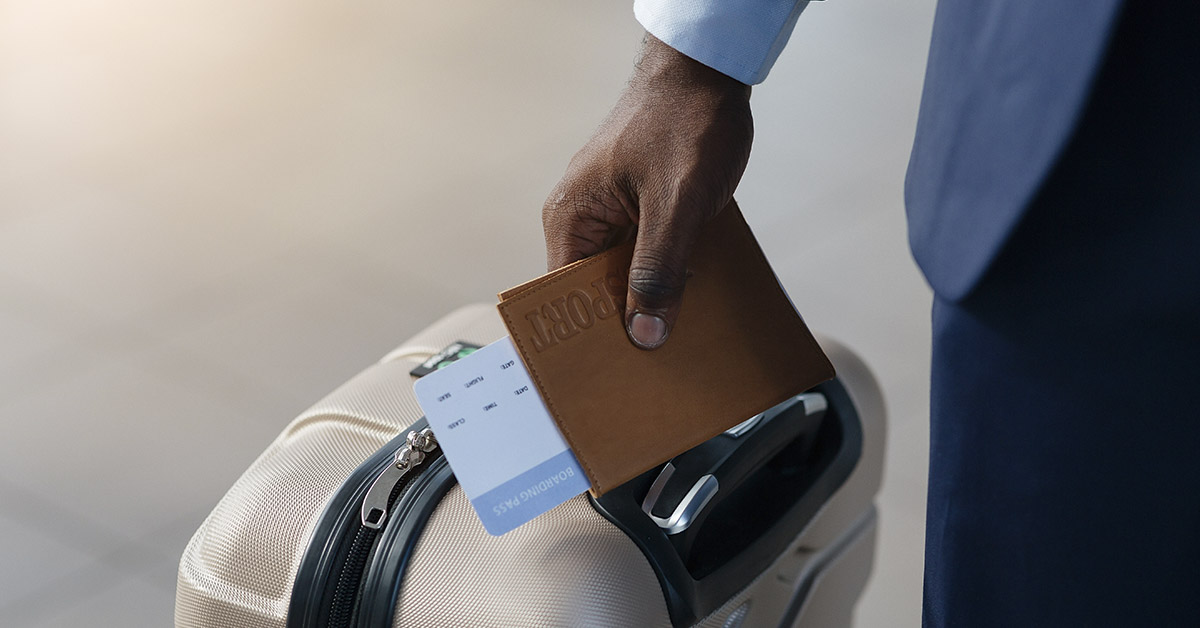

Traveling is something everyone should experience at least a few times in life. Seeing how other people live gives new perspective on what we take for granted at home. Life in America is not the same as life everywhere else, and that’s part of what makes travel so enriching. Keeping an open mind and showing curiosity can turn an ordinary trip into something memorable. Travel writer Meena Thiruvengadam, who has explored over 68 countries, knows this better than most. After years of traveling, she’s learned the best travel tips for Americans abroad – and what habits can accidentally cause offense.
“I can’t believe you don’t speak English.”

This statement instantly sounds entitled, even if meant jokingly. Many countries teach English, but expecting fluency is unrealistic. When travelers express surprise that someone doesn’t understand them, it places blame on the listener. Trying a few local phrases earns far more patience than shock or sarcasm. A small effort in language shows big respect in return.
“Do you know my country?”

This question can come across as patronizing, as if expecting validation. Most people have heard of the United States, but they don’t need to prove it. Instead of testing familiarity, ask what comes to mind when they think of America. That opens a conversation instead of shutting one down. The best travel exchanges feel mutual, not one-sided.
“Here in America, we…”

Comparing cultures can sound like criticism, even when it’s meant as context. It implies that American ways are the standard by which others should be measured. Each country has its own reasons for doing things differently. Observing those differences instead of ranking them helps travelers connect more deeply. Writing for CNBC, Meena explains the beauty and importance of diversity amongst countries.
“That place is so primitive or backward.”

Using words like “primitive” reveals more about the speaker than the destination. What might appear simple could actually be intentional or sustainable. Calling a culture backward ignores the systems that keep it functioning. Every region develops solutions suited to its own challenges. The most seasoned travelers learn to notice purpose before passing judgment.
“But that’s how we do it in the U.S.”

This phrase usually shows up when something feels inconvenient abroad. The problem is that it sounds defensive, as if other systems are flawed by default. Countries build their own methods around culture, not convenience. Accepting that prevents irritation and embarrassment. Travel becomes easier when you adapt instead of compare.
“You should really do things the American way.”

Telling locals how to improve their own systems almost never ends well. It suggests superiority rather than helpfulness. Other countries have reasons behind their routines that visitors might not understand. Learning those reasons creates insight that no lecture can match. Respect begins where advice stops.
“America is the greatest country.”

Patriotism is fine until it sounds competitive. People across the world love their countries just as much as you love yours. Declaring one nation the best can feel dismissive, especially when guests are in someone else’s homeland. Confidence is attractive, but humility travels further. A little self-awareness builds more bridges than pride ever will.
We Have Gone Over What Not to Say, But What About What Not to Do?
Knowing which phrases to avoid is a start, but behavior speaks louder than words. Americans sometimes bring habits that clash with local customs without realizing it. From personal space to dining manners, even small actions can send the wrong message. Being observant and respectful is part of traveling responsibly. Here are thirteen common actions to avoid if you want your trip to leave a good impression, making these vital travel tips for Americans abroad.
Don’t Assume Everyone Uses the Same Technology

Not every country relies on the same apps or digital platforms. Some regions still use cash for everyday purchases, while others favor QR codes or mobile wallets. Expecting Wi-Fi everywhere can lead to frustration in places with limited service. Download maps, translation tools, and payment apps before you arrive. Preparation prevents panic when your phone suddenly stops working.
Avoid Over-Scheduling Every Minute
Trying to squeeze too much into one day often backfires. It leaves no room for delays, discovery, or genuine rest. Many cultures move at a slower pace than Americans are used to, and rushing through them feels disrespectful. Leave flexible time to enjoy what unfolds naturally. The best memories often happen when plans go sideways.
Don’t Haggle Where Prices Are Fixed

Bargaining is normal in some countries but rude in others. Trying to negotiate in department stores or restaurants can confuse or annoy staff. If you’re unsure, look around to see if locals are bargaining. When prices are clearly marked, pay what’s listed. Knowing when to haggle and when not to shows cultural awareness.
Avoid Ignoring Personal Space

Space expectations differ dramatically across cultures. In many European and Asian countries, standing too close or touching casually can make people uncomfortable. Watch how locals interact and adjust your distance accordingly. Crowded cities require patience, not pushing. Respecting personal space shows emotional intelligence as much as manners.
Don’t Assume Everyone Drinks Alcohol

Offering drinks may feel social, but not everyone consumes alcohol for cultural, health, or religious reasons. In some places, drinking in public is even illegal. Ask before ordering for someone else or bringing alcohol to gatherings. Respecting that boundary avoids awkward or offensive moments. Hospitality starts with awareness, not assumption.
Avoid Dressing the Same Everywhere

Fashion that feels casual at home can be seen as sloppy or disrespectful elsewhere. Some countries prefer conservative styles, while others emphasize neatness and formality. Check what locals wear before heading out. You don’t have to mimic the look, but fitting the tone earns quiet respect. Thoughtful presentation says you paid attention.
Don’t Forget Table Etiquette

Eating habits vary from country to country, from how utensils are held to where hands should rest. Some cultures find it rude to eat while walking, others see it as normal. Research local dining customs before sitting down to a meal. Following them helps you blend in and shows appreciation for tradition. Good manners need no translation.
Avoid Leaving Waste Behind
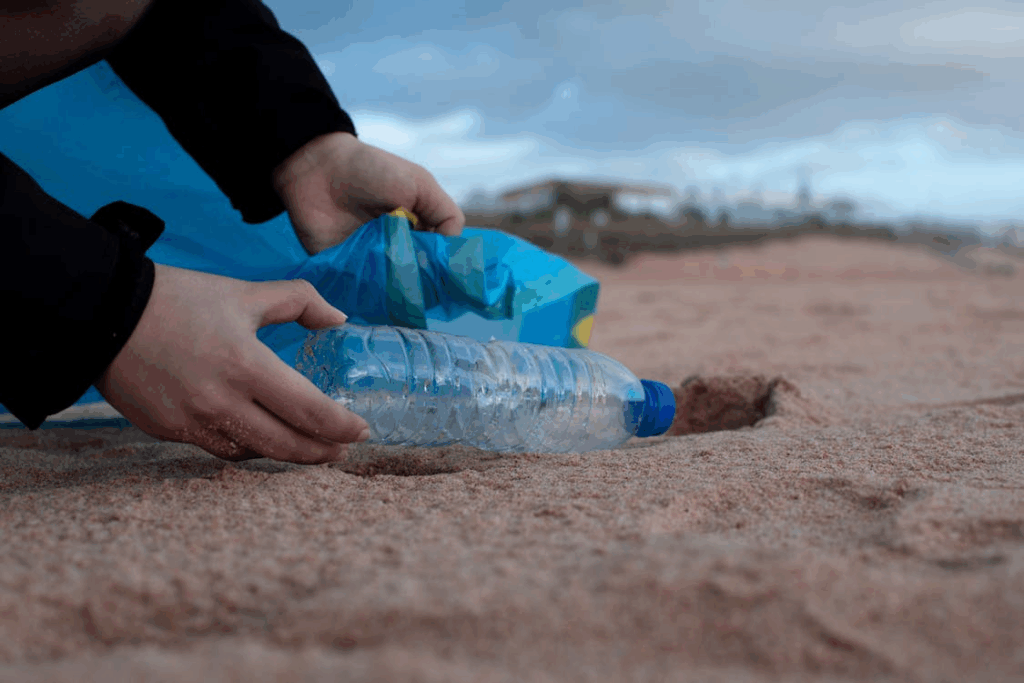
Littering is one of the fastest ways to leave a bad impression abroad. Many countries take recycling and environmental rules seriously. Carry small bags for trash if bins are scarce. Dispose of waste properly, even when others don’t. Being mindful of the planet speaks louder than words about it.
Don’t Assume Safety Works the Same Everywhere

Rules of the road and personal safety standards differ globally. Jaywalking or flashing expensive devices might be harmless in one place but risky in another. Read local safety guidelines and pay attention to what locals do. Awareness prevents accidents and misunderstandings, making this an important travel tip for Americans abroad. It’s easier to stay safe when you don’t assume you already are.
Avoid Loud Conversations in Quiet Places
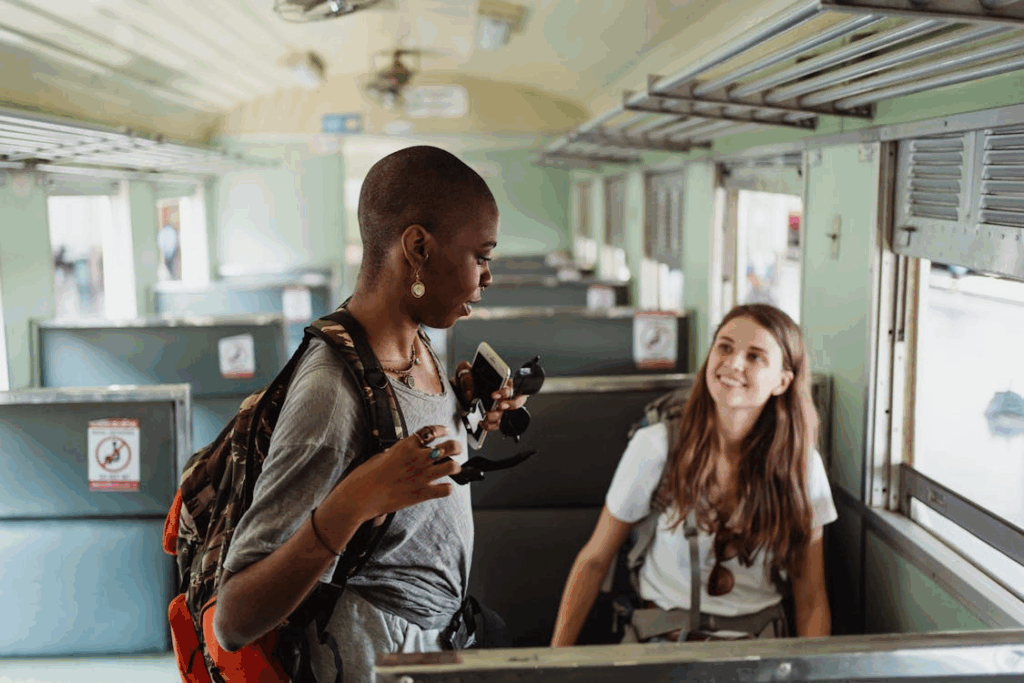
Public noise tolerance shifts from one country to another. In many regions, trains, temples, and restaurants value calm conversation. Loud laughter or speakerphone calls can turn heads for the wrong reasons. Matching the local tone helps you blend in naturally. Traveling quietly shows you understand that you’re a guest.
Don’t Over-Tip or Under-Tip Without Checking

Tipping can feel like a guessing game abroad. In some countries, it’s standard; in others, it’s unnecessary or even rude. Over-tipping can embarrass staff, while under-tipping can offend. Research customs in advance or ask a local how it’s handled. The right amount depends on context, not habit.
Avoid Public Displays of Frustration

Getting angry in public, especially with service workers, leaves a lasting negative impression. Many cultures view open frustration as loss of control. Stay calm when things go wrong and handle issues privately if possible. A polite tone gets better results than raised voices. Grace under pressure is universal respect in action.
Don’t Skip Basic Health Precautions

Different countries mean different microbes, foods, and climates. Ignoring health advice can ruin a trip faster than a missed flight. Pack essential medications, check if vaccines are recommended, and follow guidelines safely. Always travel with a small first-aid kit. Taking care of yourself is a form of respect for both your body and your hosts.
Avoid Traveling Without Researching Local Laws
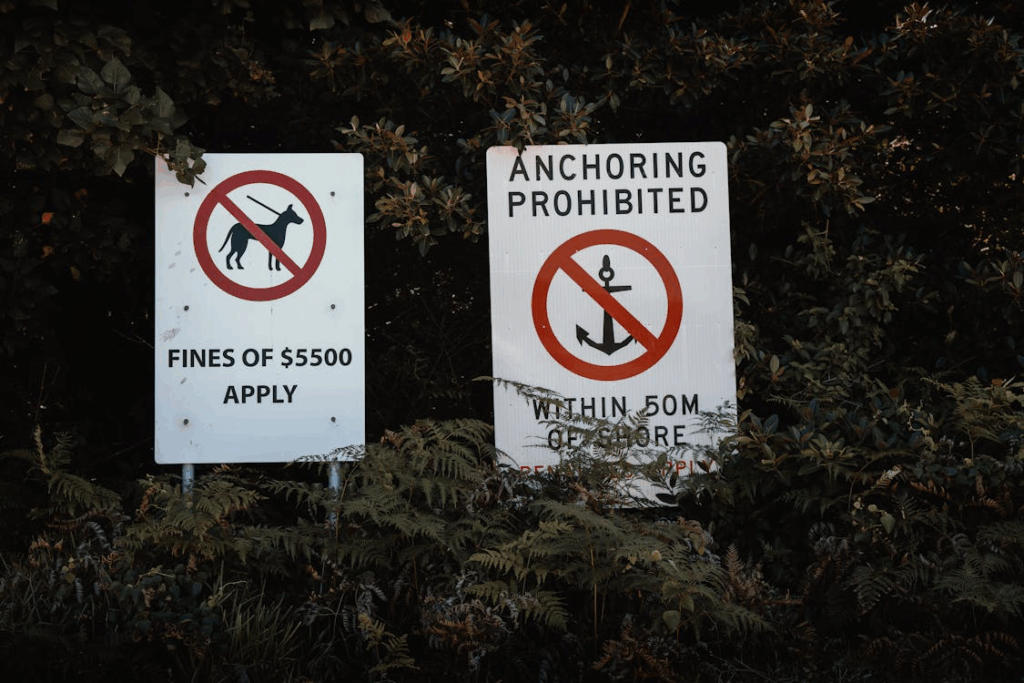
Ignorance of the law isn’t forgiven everywhere. Something minor at home – like chewing gum or crossing the street mid-block – can carry fines abroad. Read up on local restrictions before you arrive. Even small knowledge gaps can create big problems. Knowing the rules lets you enjoy the trip without unnecessary surprises.
Don’t Forget to Show Gratitude

Many countries value verbal thanks, gestures, or small acts of appreciation. Whether it’s bowing slightly in Japan or saying “gracias” in Spain, acknowledging kindness builds connection. Gratitude makes every interaction warmer and more human. It shows you noticed the effort behind hospitality. Politeness leaves a mark long after the plane ride home.
The Bottom Line

Travel is about awareness as much as adventure. The more you learn before you go, the fewer awkward moments you create along the way. Every culture has its rhythm, and blending into it takes effort and empathy. Curiosity and humility travel better than confidence ever will. Following these travel tips for Americans abroad turns every trip into a shared experience instead of a personal performance.
Read More: 13 Countries That Show Canadians More Hospitality Than Americans
Disclaimer: This article was created with AI assistance and edited by a human for accuracy and clarity.