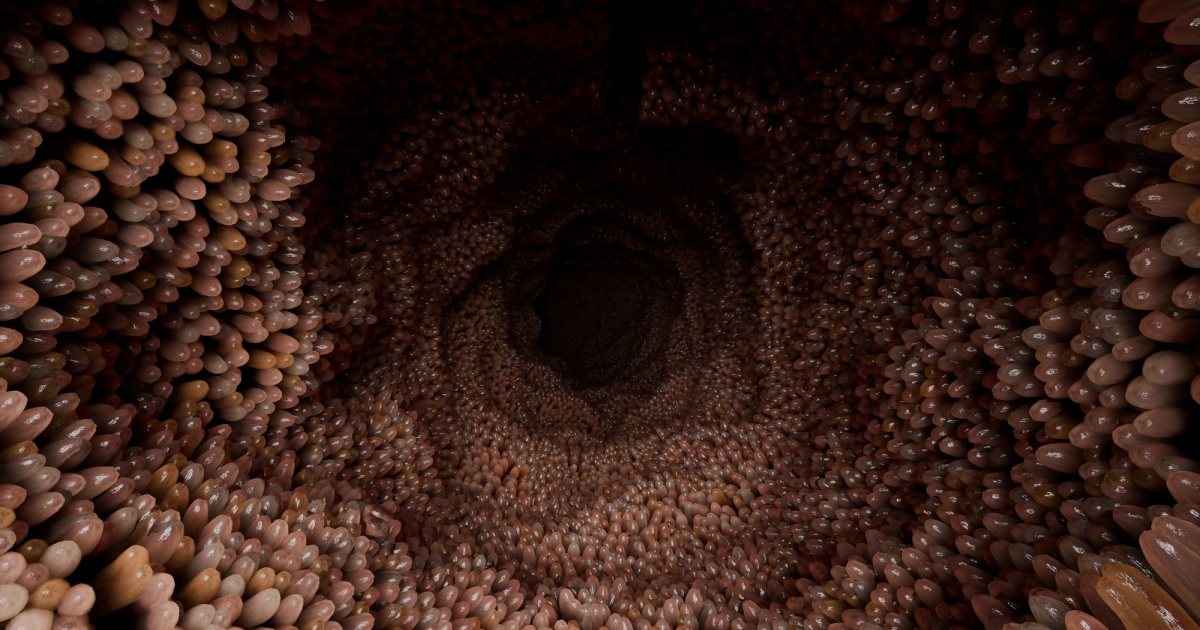

Something remarkable happens to the body of a person with celiac disease when they eat a piece of bread. Within hours, a chain reaction begins deep in the gut – an immune assault so potent it strips the intestinal lining of the tiny finger-like projections needed to absorb nutrients. For decades, researchers have understood the broad outlines of this process: gluten gets in, immune cells attack. What they could not answer, despite decades of research, was precisely where the first spark is struck.
A study published in late 2024 changed that. An international team that spent six years investigating this question has not only located the ignition point of the celiac immune response – they’ve proven the mechanism definitively, in a way that researchers say could reshape how the disease is eventually treated.
For millions of people, the practical implications are significant. Celiac disease means a lifelong commitment to one of the strictest dietary regimens in medicine. No bread. No pasta. No barley. Not even trace amounts of gluten from cross-contamination. And for many patients, even that level of vigilance isn’t always enough to prevent damage.
The Scale of the Problem
Celiac disease is a common gastrointestinal condition with an estimated global prevalence of up to 1%. That figure translates to tens of millions of people worldwide, and due to huge clinical variability, many cases still escape diagnosis in most countries – and the burden of the disease is increasing, as is the need for better longitudinal care.
People with celiac disease must navigate everyday life by avoiding gluten, a protein in wheat, rye, and barley, which can trigger painful symptoms in the gut, impede the absorption of nutrients, and raise the risk of other serious long-term issues. Complete avoidance is in practice not possible for patients with celiac disease, and is also associated with high costs and social restrictions contributing to a high treatment burden.
The only proven treatment for celiac disease is adherence to a strict, lifelong, gluten-free diet. However, complete dietary gluten avoidance is challenging, and a substantial number of patients do not respond fully – clinically or histologically – despite their best efforts. Baseline quantitative studies in therapeutic trials revealed villous atrophy (damage to the gut’s nutrient-absorbing projections) in up to half of patients despite being on a gluten-free diet, and persistent villous atrophy has been associated with an increased risk of lymphoproliferative malignancy and other comorbidities, as well as increased mortality.
The Genetics Behind the Immune Response
To understand what the new research found, it helps to understand why some people develop celiac disease in the first place.
Around 90 percent of people diagnosed with celiac disease carry a pair of genes that encode for a protein called HLA-DQ2.5. Most of the remaining 10 percent have genes that encode a similar protein called HLA-DQ8. Like other human leukocyte antigen (HLA) proteins – immune molecules that help the body identify foreign invaders – these hold fragments of potential threats aloft on immune cells as warnings. In the specific case of HLA-DQ2.5 and HLA-DQ8, the proteins are shaped to hold chunks of gluten peptide that are resistant to digestion, instructing T cells to go on the hunt.
The prevalence of HLA-DQ2 and HLA-DQ8 in the general population ranges from 30 to 40 percent, but only about 3 percent of carriers develop celiac disease, suggesting that additional factors are required. Carrying these genes is necessary for celiac disease to occur, but it is far from sufficient on its own.
Not everybody who expresses either HLA-DQ2.5 or HLA-DQ8 will develop an immune disorder like celiac disease. For that to happen, torn-up pieces of gluten first need to be carried across the gut wall by a transporting enzyme that binds with the peptide and alters it in ways that make it even more recognizable to the immune system. Cells in the intestinal wall are responsible for releasing this transporting enzyme into the gut, so they have a critical role in the early stages of the disease.
Several environmental, genetic, and immune factors create a “perfect storm” for the development of celiac disease: the antigen gluten, the strong association of the disease with HLA proteins, the deamidation (chemical modification) of gluten peptides by the enzyme transglutaminase 2 generating peptides that bind strongly to the predisposing HLA-DQ2 or HLA-DQ8 molecules, and the ensuing unrestrained T-cell response.
It was known that all of these components were involved. What had remained unclear was the exact sequence and location – the precise “where” of the initial trigger. If you are living with celiac disease and want to understand more about how gluten sensitivity and autoimmune responses are connected at a physiological level, the relationship between gluten and autoimmune disease provides helpful foundational context.
The Discovery: The Gut Lining Is Not a Bystander
An interdisciplinary team of medical and engineering researchers centered at McMaster University in Canada, including colleagues from the US, Australia, and Argentina, spent the last six years working to resolve how and where the gluten response begins. It had previously been thought that the inflammatory response to gluten occurred inside the gut wall and exclusively involved immune cells.
Their research, published in the journal Gastroenterology, showed there is more to the story. They found that the inner lining of the upper intestine – called the “epithelium,” composed of a variety of cells that are not classically part of the immune system – also directs the inflammatory response to gluten. Before this finding, the epithelium was regarded as a target of immune attack, not a participant in launching it. This research changes that picture.
How the Research Was Conducted
Using transgenic mice – mice engineered to carry a human risk gene linked to celiac disease – the team, led by scientists from McMaster University, pinpointed a crucial role played by the gut’s lining cells, a major stepping stone that could lead to new therapies.
The work, published under the title “Gluten-Dependent Activation of CD4+ T Cells by MHC Class II-Expressing Epithelium,” investigated how intestinal epithelial cells activate the immune response – specifically T cells – in a gluten-dependent manner. To do that, the researchers developed an organoid model – a lab-grown miniature replica of gut tissue – expressing human HLA-DQ2.5, which facilitates gluten antigen recognition by CD4+ T cells in celiac disease.
The organoids allowed the team to study what happens at the cellular level when gluten is introduced under controlled conditions, isolating specific cause-and-effect relationships that are impossible to disentangle in a living system. “This allowed us to narrow down the specific cause and effect and prove exactly whether and how the reaction takes place,” said Tohid Didar, a corresponding author on the paper and associate professor at McMaster’s School of Biomedical Engineering.
What the Cells Were Actually Doing
The research made clear that cells lining the gut weren’t just passive bystanders suffering collateral damage in a misguided effort to rid the body of gluten – they were key agents, presenting a combination of gluten fragments broken down by gut bacteria and transporting enzymes to gluten-specific immune cells directly.
In plain terms, the gut lining was actively picking up gluten pieces that had been partially digested by intestinal bacteria, then flagging those pieces to T cells as threats. The team concluded that gluten antigens are efficiently presented by MHC class II-expressing epithelial cells, resulting in the activation of gluten-specific CD4+ T cells, and that this activation is enhanced by gluten predigestion with microbial elastase, meaning the epithelium sends stronger signals to immune cells if pathogens are also present.
The study tested what happens when bacteria break up gluten before it hits the lining. A bacterial enzyme called elastase, produced by certain microbes, boosted the activation signal. This connects with reports that some pathobiont strains – microbes that are usually harmless but can drive disease under stress – worsen gluten responses. It adds a microbial lever to a process previously blamed only on genes.
This is a meaningful finding for researchers trying to understand why not all genetic carriers develop the disease. The composition of a person’s gut microbiome may influence whether the epithelium amplifies or subdues the initial gluten signal.
What the Researchers Said
Elena Verdu, a corresponding author and professor of gastroenterology and director of McMaster’s Farncombe Family Digestive Health Research Institute, was direct about the limitations of the current standard of care: “The only way we can treat celiac disease today is by fully eliminating gluten from the diet. This is difficult to do, and experts agree that a gluten-free diet is insufficient.”
Verdu described the findings as “an exciting new piece of the puzzle,” noting that, together with recent discoveries that the transporting enzyme tissue transglutaminase 2 has an epithelial origin, the results place the epithelium not only as a target of immune damage in celiac disease but as an active choreographer of the immune reaction to gluten.
An independent perspective came from outside the research team. Arnold Han, a gastroenterologist at Columbia University Irving Medical Center who was not involved in the study, said the research provides evidence that the expression by intestinal epithelial cells of the molecules that play a role in immune response is important in driving celiac disease. He added that the study also provides important clues about the role these cells and intestinal microbes play in the activation of the CD4+ T cells responsible for the disease.
Why This Matters for Treatment
Precisely locating the spark of the immune response could stimulate research into drug delivery to inhibit this newly found role of the epithelium, using drugs already in clinical trials, Verdu notes.
Given this result, it may be possible in the future to detect pathogens in a person at risk of developing the disease and inhibit the interactions with gluten and the gut epithelium to prevent the disease altogether. Sara Rahmani, lead study author and PhD candidate at McMaster, noted that in the future it may be possible to detect those pathogens early and stop their interactions with gluten and the epithelium to prevent disease onset.
The research also has implications for how scientists screen candidates for new drugs. If the lining itself presents gluten to T cells, therapies that act on those lining cells become plausible – including approaches that block antigen display, change enzyme activity, or interrupt gluten transport. Human trials must still confirm that such strategies improve symptoms and heal tissue. Study models are strong tools, but they are still models. The question of whether mice and organoids are enough to predict human benefit remains open – they reveal mechanisms that guide smarter trials, but full validation requires human clinical data.
The Drug Pipeline: Where Research Stands Now
The McMaster University findings arrive at a time when the celiac drug pipeline is more active than it has ever been. Despite significant efforts, no treatment has yet completed a phase III clinical trial – meaning no approved pharmaceutical alternative to the gluten-free diet currently exists. But the landscape is shifting rapidly.
According to the Celiac Disease Foundation, more than 20 companies are now actively developing treatments across a range of mechanisms.
In 2024, Novartis acquired Calypso Biotech, gaining full rights to CALY-002, a therapeutic monoclonal antibody designed to block IL-15, a key driver of inflammation in celiac disease and other autoimmune diseases. By blocking IL-15, CALY-002 aims to reduce gluten-induced intestinal damage and inflammation. A completed phase 1a/b study demonstrated a favorable safety and tolerability profile.
In May 2025, Teva Pharmaceutical Industries announced that the US Food and Drug Administration granted Fast Track designation for investigational TEV-53408 for the treatment of people with celiac disease on a gluten-free diet.
In January 2025, Anokion SA announced positive symptom data from its Phase II ACeD-it trial evaluating its lead candidate, KAN-101, in individuals with celiac disease.
Barinthus Bio is developing VTP-1000 for the treatment of celiac disease – an antigen-specific immunotherapy that uses its SNAP Tolerance Platform to promote immune tolerance to gluten. The Celiac Disease Foundation is currently recruiting for the AVALON Study, a phase 1 clinical trial evaluating the safety and tolerability of VTP-1000.
A 2025 review in Current Opinion in Gastroenterology noted that recent advances in understanding celiac disease’s underlying biology have catalyzed the development of new therapeutic approaches – including strategies to modify gluten processing in the gut, block gluten-triggered immune responses, or restore immune tolerance to gluten – though these therapies are not expected to replace the gluten-free diet, but rather complement it.
A 2024 analysis in Frontiers in Nutrition surveying phase 2 and 3 trials confirmed that a strict lifelong gluten-free diet remains the cornerstone of treatment, but maintaining strict dietary adherence is challenging for many patients due to high costs, the highly restrictive nature of the diet, and its impact on quality of life.
Read More: Warning Signs of Gluten Intolerance You Shouldn’t Ignore
Key Takeaways
The McMaster University findings represent a substantive advance in the basic science of celiac disease. For nearly a century, the gut’s epithelial lining was treated as a backdrop to the immune drama happening within and behind it. This research definitively establishes it as an active choreographer of that drama.
That single paradigm shift reframes where drug developers, immunologists, and gastroenterologists should be looking when designing new interventions. The identification of microbial factors as amplifiers of the epithelial signal also suggests that gut microbiome management may eventually complement dietary treatment – a direction that warrants close monitoring as the drug pipeline matures.
For patients, clinicians, and researchers alike: the mechanism is now mapped. The question is how quickly the therapeutic community can act on it.
What This Means for You
If you have been diagnosed with celiac disease – or suspect you might have it – the most important near-term takeaway from this research is not that a cure is around the corner. It isn’t. What this science does do is confirm that the gluten-free diet’s limitations are real, well-documented, and now taken seriously enough to anchor an active global drug development effort. You are not imagining it when strict dietary adherence still leaves you symptomatic. The biology is more complicated than “just don’t eat gluten,” and researchers are now proving precisely why.
Up to 20 parts per million of gluten is permitted in products labelled “gluten-free,” and complete avoidance is in practice not possible for patients with celiac disease – it is also associated with high costs and social restrictions that contribute to a significant treatment burden. That context matters when evaluating your own adherence and ongoing symptoms with a gastroenterologist. If you continue experiencing symptoms despite a strict diet, persistent intestinal damage may be the underlying cause, and specialist follow-up is not optional – it is necessary.
On the research front, the clearest action item for patients interested in emerging therapies is to monitor the Celiac Disease Foundation’s ongoing registry of clinical trials. Forte Biosciences initiated patient-based studies in celiac disease in 2024 and is currently enrolling for a Phase 2 study with topline results expected in 2026. VTP-1000, an antigen-specific immunotherapy designed to promote immune tolerance to gluten, is also in active recruitment through the AVALON Study phase 1 clinical trial. Enrolling in trials is one of the most direct ways patients can contribute to accelerating the science.
For those who have not yet been formally tested, the genetics are worth understanding clearly. Although carrying HLA-DQ2 or HLA-DQ8 increases the likelihood of developing celiac disease, the condition cannot be fully explained by genetic predisposition alone – multiple factors, including environment and immune function, contribute to whether the disease actually develops. Genetic testing can effectively rule out celiac disease when neither marker is present, but a confirmed diagnosis requires serological blood tests and, typically, an intestinal biopsy. If symptoms persist and celiac disease has not been formally excluded, that conversation belongs with a gastroenterologist – not a consumer food sensitivity panel purchased online.
The McMaster research will not change what is on your plate tomorrow. But it may well determine what your doctor can offer you in five years.
A.I. Disclaimer: This article was created with AI assistance and edited by a human for accuracy and clarity.