

Texas spent the past decade as the top choice for cross-country movers. Californians, New Yorkers, and Illinois residents moved there for cheaper houses and bigger paychecks. Austin, Dallas, and Houston grew faster than almost every other major metro in the country. That run has now ended. New federal population data shows another state quietly took the top spot in 2025.
Three Reasons People Kept Choosing Texas

Houses in Texas cost a fraction of what buyers paid in California or New York. The job market kept expanding across tech, energy, healthcare, and finance, which gave newcomers options once they arrived. Texas also charges no state income tax, so residents keep more of every paycheck. Families priced out of the coasts could earn similar money with much lower fixed costs. That combination pulled movers from every part of the country.
California Sent the Most People by Far

California sent more people to Texas than any other state, and the totals held steady year after year. Tech workers and families left Los Angeles, San Diego, and the Bay Area for Austin and Dallas. They cited high housing prices, heavy regulation, and a sense that the state had stopped working for middle-income earners. California lost far more residents to Texas than it gained back. That one-way flow defined the past decade of US migration.
The Migration Reshaped Texas Cities

New Yorkers, New Jersey residents, and Chicago-area movers followed Californians in steady numbers. Together, they reshaped neighborhoods, traffic, and housing prices across Austin, Dallas, and Houston. Developers built entire suburbs to house them, and prices in some areas doubled within a few years. Schools filled up faster than districts could plan for, and roads built for smaller populations started backing up daily. Long-time residents felt the change too, watching their property taxes climb as their home values rose.
North Carolina Took the Top Spot
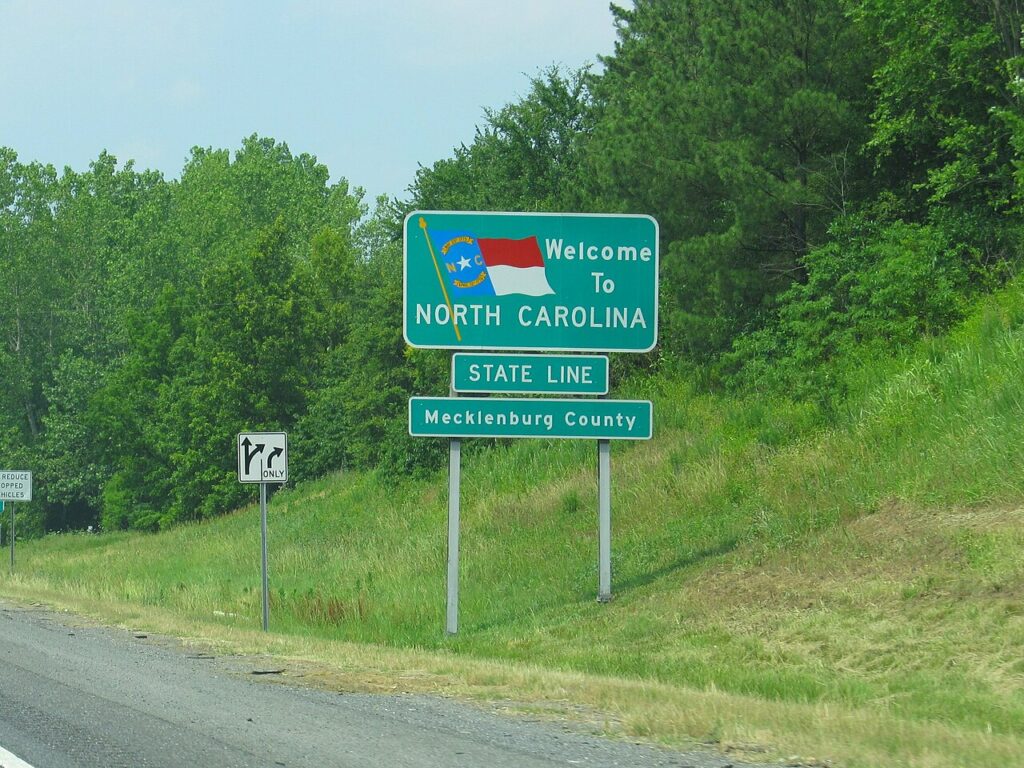
By 2025, the migration that reshaped those cities had cooled. Federal data put numbers to what residents had been seeing for months. The US Census Bureau released its Vintage 2025 population estimates on January 27, 2026, covering July 2024 through July 2025. Texas no longer led the country in net domestic migration, the measure of how many people move into a state from elsewhere in the US. North Carolina took the top spot with 84,064 new residents from other states. Texas drew only 67,299, a steep fall from the 222,154 it pulled in at its 2022 peak.
The Raw Numbers Still Favor Texas

Texas still added more than 391,000 people over the same 12 months, more than any other state, with that growth coming from a mix of births, immigration, and people moving in from elsewhere in the US. What Texas lost was its lead on one specific measure, the state-to-state number. Total population growth counts everyone, and on that measure, Texas still leads the country. North Carolina pulled ahead only on domestic migration, while South Carolina led only on growth rate, and neither beat Texas in the total number of new residents.
South Carolina Claimed the Highest Growth Rate of Any State
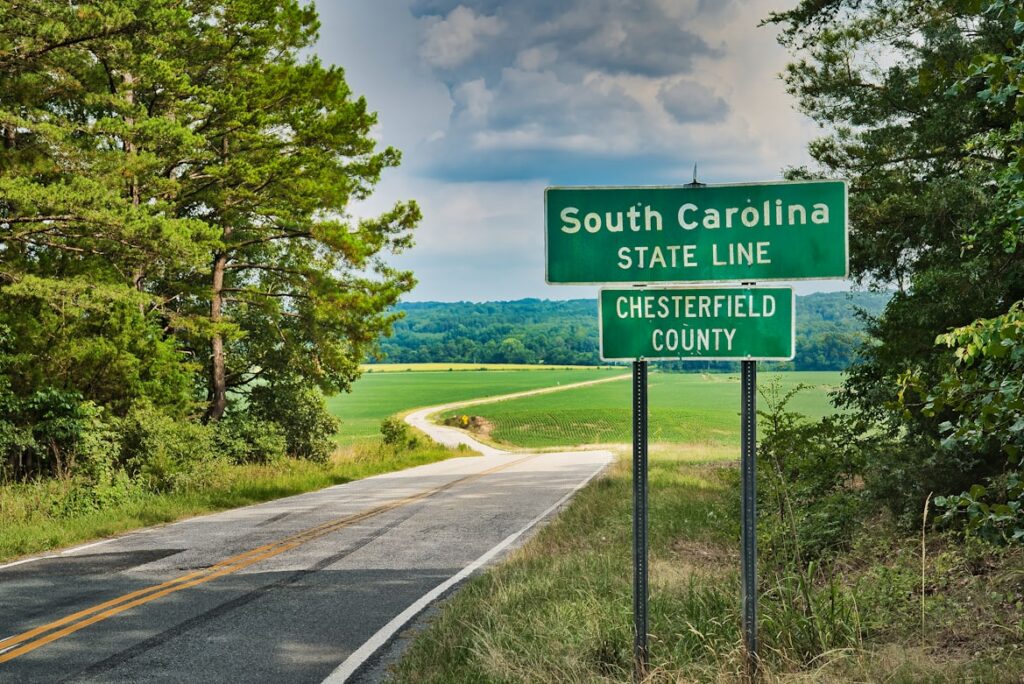
While North Carolina won the headline number, South Carolina took a different title last year. The same Census release showed the state grew by 1.5% over 12 months, the fastest growth rate in the country. Most of that growth came from people moving in rather than babies being born. Coastal cities and lower-cost suburbs drew retirees, remote workers, and young families. The inflow has since stretched into smaller markets where housing still runs cheaper than most of the Sun Belt.
Housing Affordability in Texas No Longer Undercuts the Coasts

Median sale prices in Austin, Dallas, and Houston have climbed steeply since 2020. Texas homes still cost less than comparable houses in California or New York, but the savings have narrowed. A buyer leaving Los Angeles for Dallas in 2018 might have cut their monthly housing costs nearly in half. The same move in 2025 often saves a much smaller share. Once moving costs and higher property taxes get factored in, some buyers decide the math no longer works.
Insurance Premiums and Property Taxes Are Cutting Into the Tax Advantage

The “no state income tax” line has always been one of Texas’s strongest draws. But the full math looks different once you live there. Texas has some of the highest property tax rates in the country. Homeowners’ insurance premiums have also climbed sharply over the past three years. Hurricane and hailstorm losses are partly to blame, making the state more expensive for insurers to cover. For new residents looking at the full bill, the income tax savings often disappear once property tax and insurance costs get added in.
Austin’s Saturation Pushed Movers to Look Elsewhere

Austin defined the Texas boom for most of the past decade, but the city’s success worked against it. Home prices roughly doubled between 2019 and 2022, and traffic on I-35 grew slower and longer each year. The tech-heavy job market that drew so many newcomers also cooled in 2023 and 2024 as companies paused hiring and ran layoffs. Movers who once saw Austin as the default started looking at smaller cities in the Carolinas and Mountain West. There, lower home prices, shorter commutes, and outdoor access felt closer to what Austin used to offer.
Remote Work Weakened Texas’s Pull on Job-Driven Movers

For years, the strongest reason to move to Texas was the job market. That market expanded faster than most of the country, pulling in workers who couldn’t find similar openings at home. Remote work changed that calculation. Now higher-earning professionals could keep their existing jobs while moving to cheaper or more appealing places. A software engineer in San Francisco could now earn the same salary while living in Boise, Charlotte, or Asheville. Texas still has plenty of jobs, but it no longer decides where well-paid careers can happen.
Pandemic-Era Migration Flows Have Softened Nationwide

Texas’s slip is part of a wider nationwide cooldown. William Frey, a senior demographer at the Brookings Institution, found that the sharp domestic migration gains Texas and Florida saw during the pandemic have softened since, while declining immigration has lowered population growth in nearly every state. Most households that planned to move already did, and high mortgage rates have locked the rest in place. Trading a 3% mortgage for a new one at 7% can add hundreds to a monthly payment.
North Carolina’s Pull Goes Beyond the Numbers

North Carolina offers something few states can match. The state pairs high-paying jobs in Charlotte’s banking sector and the Research Triangle’s tech economy with outdoor access. Mountains, beaches, and lakes all sit within a few hours’ drive. Its cities are also smaller and less congested than the major metros in Texas or Florida. Shorter commutes and lower density have become a real draw for younger movers who want urban jobs without spending two hours a day in traffic. The mix of economy, geography, and scale gives North Carolina a profile no other Sun Belt state quite matches.
Charlotte and the Research Triangle Anchor the State’s Growth

Most of North Carolina’s gains come from two regions with very different economies. Charlotte runs on finance as the second-largest banking center in the US after New York, which keeps drawing professionals from both coasts who want steady work at a fraction of what they’d pay in Manhattan or San Francisco. The Research Triangle runs on something else entirely, with Raleigh, Durham, and Chapel Hill leaning on universities, biotech firms, and software companies, and Duke, UNC, and NC State feeding a steady stream of graduates into those same firms.
South Carolina Wins on Coastal Living and Lower Costs

South Carolina takes a more relaxed angle than its neighbor to the north. The state offers warm weather most of the year and hundreds of miles of coastline. Its cost of living runs below most of the country, especially for retirees and remote workers stretching a single income. Property taxes run low, and summers are long without the harshest heat of Florida or Arizona. The slower cultural pace appeals to people who want a quieter life rather than a bigger paycheck.
Charleston, Greenville, and Myrtle Beach Lead the State’s Inflow

Three cities account for most of South Carolina’s growth. Charleston draws younger professionals and families with its historic downtown, strong food scene, and easy access to the coast. Greenville sits in the foothills of the Blue Ridge Mountains and has rebuilt its downtown over the past decade. The city has become a popular choice for remote workers and small business owners who want walkable streets and decent restaurants. Myrtle Beach still draws retirees with low prices, mild winters, and golf courses. The surrounding area has been one of the fastest-growing metros in the country for years.
Idaho Ranks First by Search Demand for 2026

The Census tracks who actually moved, but search data tracks who is planning to. The moving company moveBuddha placed Idaho at the top of its 2026 rankings. The list is based on the ratio of people searching for moves into the state versus searches for moves out. The ratio came in at 2.05, meaning roughly two people are looking to move in for every one looking to leave, the first time Idaho has crossed 2.0 since 2020. Most of that interest is concentrated in Boise. The city ranks as the top metro for inbound moves in the country, with a 1.92 in-to-out ratio.
Californians Account for a Quarter of Idaho’s Inbound Searches

Idaho’s biggest source of new movers is California. Of all the people searching for moves into Idaho during early 2026, roughly 24% were Californians. They were drawn by lower house prices, lower density, and nearby outdoor access. Mountains, lakes, and ski resorts all sit within a short drive of Boise. Locals now talk openly about how the inflow has reshaped Boise. Longtime residents point to rising home prices, packed restaurants, and traffic backups that did not exist five years ago.
The Mountain West Has Become a Real Destination Region

Idaho is not the only Mountain West state rising on moveBuddha’s list. Montana saw its in-to-out search ratio jump 42 percentage points year over year, the largest improvement of any state. Most of the interest went to Bozeman and Missoula. Arizona and New Mexico also rank in the top five for yearly gains. Lower-cost cities like Tucson, Albuquerque, and Santa Fe have helped both states. The region offers a similar mix to what Idaho provides, namely affordable land, outdoor access, and a slower pace. The numbers show movers are looking beyond Texas, Florida, and the Carolinas.
Oregon Posted Its Own Late Climb in 2025

Oregon also climbed sharply in 2025 after years of declining numbers. United Van Lines’ 2025 migration study placed Oregon first in the country for inbound moves. The study found 65% of moves were into the state rather than out. U-Haul’s 2025 report moved Oregon up 23 spots from 34th to 11th. That marked the first time since 2022 the state registered as a net gainer in U-Haul’s data. New arrivals are mostly remote workers and job seekers leaving California and Washington. They want smaller cities with house prices below Seattle or the Bay Area. Portland, Eugene, and Bend are pulling much of the interest.
The New Winners Share the Same Formula Texas Used to Own
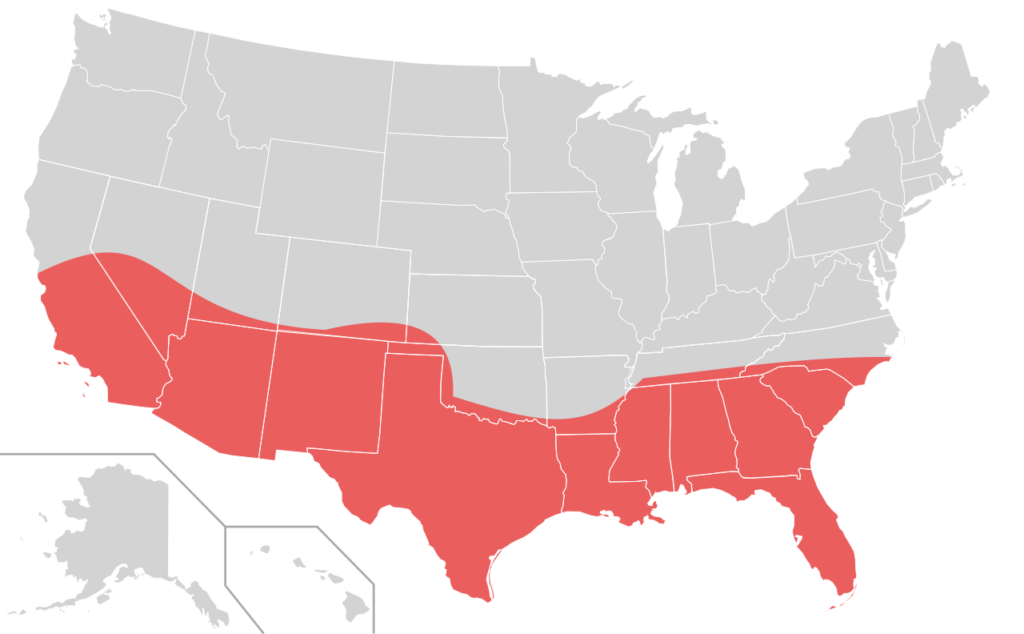
North Carolina, South Carolina, and Idaho now offer the same combination that Texas built its reputation on. That means affordable housing relative to the coasts, low tax burdens, and plenty of jobs outside major metros, all wrapped in a lifestyle built around space, weather, and outdoor access. None of this is new, because Texas spent a decade defining the formula. What changed is that other states matched the offer with similar prices, similar jobs, and similar access to land. Texas did not lose because it changed, it lost because the rest of the country caught up to what it was offering ten years ago.
Read More: These States Are Most Likely to See Blackouts This July — Are You Ready?
The New Winners Could Hit the Same Affordability Ceiling

The same pressures that knocked Texas out of first place are already showing up in the new winners. Home prices in Charleston, Charlotte, and Boise have climbed sharply since 2020. Traffic in Boise’s outer suburbs is starting to slow commutes for the first time. Locals in all three cities are voicing the same concerns Austin residents had about being priced out of their own neighborhoods. If the trend holds, the next decade could see movers hunting for the next affordable region the same way they once hunted for Texas.
The 2030 Census Could Reshape the Political Map
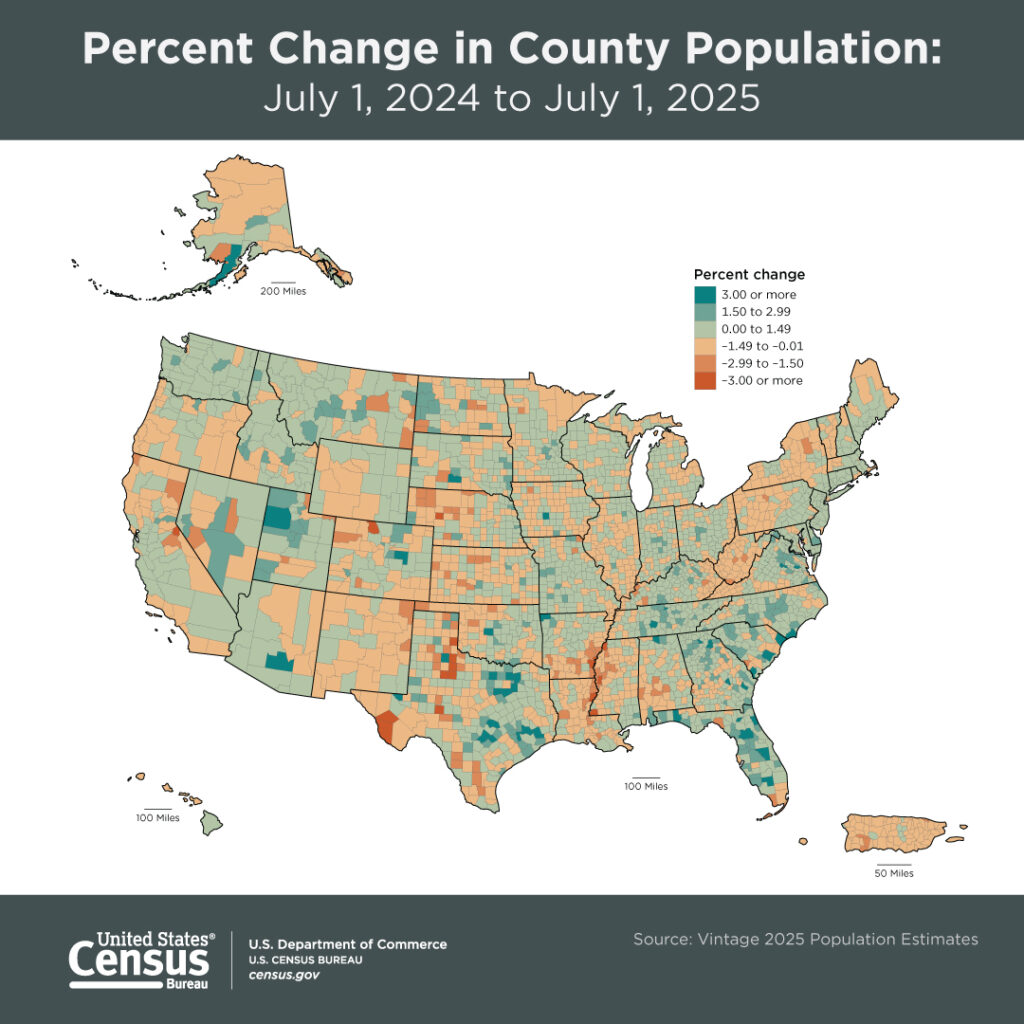
Migration data has consequences beyond real estate. The next federal census is scheduled for 2030. It will reapportion the country’s 435 House seats and electoral votes based on where Americans live. States that grow faster than the national average tend to add representation. Slower-growing states tend to lose it. Current Census Bureau estimates suggest North Carolina, Idaho, Texas, Florida, Arizona, Georgia, and Utah are on track to gain seats. California, New York, Illinois, Minnesota, Oregon, Pennsylvania, Rhode Island, and Wisconsin are projected to lose them.
Read More: New Yorkers Fleeing To Florida and Texas Are Being Slapped With a ‘Secret Tax’