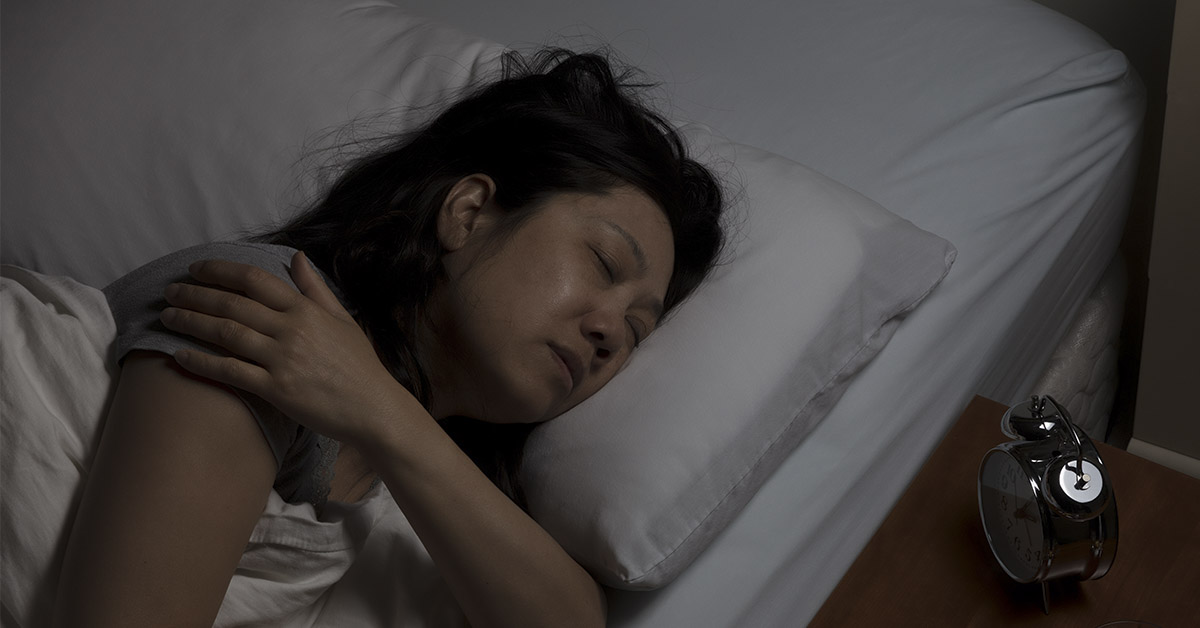

Most people assume nighttime shoulder pain is just bad posture or a funny sleeping position. You roll over, wake up wincing, and figure you just slept on it wrong. But orthopedic doctors are specialists who treat shoulder and elbow pain, and they’re increasingly pointing to something far more specific going on beneath the surface – conditions that are manageable once identified, but easy to dismiss or misread for months before anyone connects the dots.
The shoulder is one of the most complex joints in the human body. It moves in more directions than almost any other joint, which also makes it one of the most vulnerable. And there’s something uniquely cruel about shoulder pain that shows up mainly at night, because it robs you of the sleep your body needs to recover. Dealing with shoulder pain can be a significant challenge, especially when it prevents a good night’s sleep – and sleep is crucial for healing and overall well-being.
Understanding what’s actually causing the pain is the first step to doing something about it. The causes below are not rare or exotic. Doctors see them regularly, and each one has a distinct pattern that sets it apart from simply sleeping in the wrong position. If any of this sounds familiar, that recognition could be the thing that finally points you toward real relief.
Why Does Shoulder Pain Always Get Worse at Night?
Before getting into the specific causes, it helps to understand the basic mechanics of why nighttime makes shoulder pain so much worse. While there is no precise reason why shoulder pain can be worse at night, factors may include direct pressure on the shoulder when lying on your side, overuse during the day, and gravity pulling on the tendons or ligaments when lying on your back.
There’s also a neurological factor at play. At night, there are fewer distractions. The absence of background noise, screen time, and daily busyness can sharpen awareness of bodily discomfort. Lying down also places pressure on the shoulder and alters joint orientation, potentially irritating already sensitized structures like the joint capsule or subacromial bursa (a small fluid-filled sac that cushions the shoulder). In other words, the pain was probably there during the day too – your brain was just too busy to notice it as loudly.
Inflammation also follows a daily rhythm. Many shoulder conditions involve low-grade inflammatory processes that ebb and flow. Since inflammation is modulated by circadian rhythms, it may peak at night, contributing to a baseline increase in sensitivity. That’s why some people can power through a full day at work, then find themselves staring at the ceiling at 2am.
1. Rotator Cuff Injury
The rotator cuff is the group of muscles and tendons that connect the upper arm to the shoulder blade. Its purpose is to stabilize the shoulder and allow for smooth movement of the joint. When any part of this system is inflamed or torn, nighttime becomes a problem fast.
Rotator cuff injury is the cause of approximately 70% of all outpatient visits for shoulder pain. Tears can be partial or complete, and they can develop either from a sudden injury or from slow degeneration over time. A rotator cuff tear happens when a tendon connecting your shoulder muscle to your skeletal frame pulls away from your bone. Most often, tears occur over time with the repetitive movement that comes with day-to-day life.
At night, the injured tissues don’t get the relief people expect from lying down. When rotator cuff tendons become inflamed or torn, nighttime pain is often one of the primary symptoms. Lying on the affected shoulder compresses already inflamed tendons, reduced movement at night allows inflammation to increase, and blood flow changes can increase swelling and pressure in the affected area. If you wake up unable to find any position that doesn’t hurt, and the pain is a deep ache rather than a surface soreness, a rotator cuff issue should be high on your list of suspects. Physical therapy and, in more severe cases, surgical repair are both established treatment paths. Research shows that rotator cuff repair surgery is highly effective at restoring the ability to sleep comfortably, with the majority of patients who undergo the procedure demonstrating significant and rapid improvement in sleep. A 2021 study specifically found that after rotator cuff repair, sleep disturbances improve three to six months after surgery, improving the quality of life of patients.
2. Shoulder Bursitis
Bursitis happens when the bursae – small fluid-filled sacs that cushion the shoulder joint – become inflamed. Bursae are small, fluid-filled sacs that are located in joints throughout the body, including the shoulder. The most commonly affected bursa in the shoulder is the subacromial bursa, located near the top of your shoulder between your rotator cuff tendons and the highest point of your shoulder blade. Bursitis can occur from overuse or injury, and it can lead to a dull ache that worsens at night.
The reason it flares at night is largely mechanical. When you lie on your side, the bursa in the shoulder can be compressed, leading to increased pain when trying to sleep. The body’s natural rest-phase inflammatory response amplifies the problem further. Since inflammation increases when your body is at rest, it can become worse at night. Bursitis pain can range from dull and achy to sharp and hot, and it can worsen when you lie on your shoulder or change sleeping positions.
Treating bursitis usually starts conservatively. Ice applied for 15 to 20 minutes before bed can calm swelling, and over-the-counter anti-inflammatories like ibuprofen can help manage overnight pain. For more persistent cases, if rest, medications, and physical therapy do not help your pain, an injection of a local anesthetic and steroid may be helpful – steroids are very effective anti-inflammatory medicines, and the steroid is usually injected into the bursa beneath the acromion.
3. Shoulder Impingement Syndrome
Shoulder impingement syndrome is one of the most frequently diagnosed shoulder conditions worldwide. Impingement is caused by excessive rubbing of the shoulder muscles against parts of the shoulder blade, and impingement problems can occur during activities that require excessive overhead arm motion. Since it was first described in 1852, shoulder impingement syndrome is believed to account for 44% to 65% of all shoulder complaints.
Shoulder impingement happens when swelling in the shoulder makes the rotator cuff too big to fit comfortably between the bones. During the day, this tends to produce pain with overhead reaching. At night, the problem shifts. Certain sleeping positions can pinch the already compressed tendons, lying on the affected side narrows the space further, and inflammation builds up overnight without the benefit of movement. The pain is typically at its worst at night.
If you also happen to sit at a desk all day, this is worth paying attention to. Physical therapy for impingement focuses on restoring motion to your shoulder – stretching exercises to improve motion are very helpful, and once your pain is improving, your therapist can start you on a strengthening program for the rotator cuff muscles, while also working on your overall posture to prevent other injuries to your shoulder. Catching impingement syndrome early matters – left unaddressed, chronic impingement can eventually cause a rotator cuff tear.
4. Frozen Shoulder (Adhesive Capsulitis)
Frozen shoulder is one of the more misunderstood causes of nighttime shoulder pain, partly because it develops so gradually that many people don’t recognize it as a distinct condition until it’s significantly progressed. Frozen shoulder, also called adhesive capsulitis, causes pain and stiffness in the shoulder. Over time, the shoulder becomes very hard to move.
Adhesive capsulitis is a painful and debilitating condition characterized by progressive stiffness and loss of both active and passive shoulder motion. It typically occurs in middle-aged individuals, with a higher prevalence in women. The condition develops in three stages – the painful, freezing, and thawing phases – which can last for months to years. Sleep disruption is particularly prominent in the earlier stages. Pain may be diffuse or centered near the deltoid region and is often worse at night, sometimes disrupting sleep.
Frozen shoulder most commonly affects people between the ages of 40 and 60, and it occurs in women more often than men. People with diabetes and thyroid conditions are at an increased risk for developing it. Treatment focuses on stretching the joint capsule to restore movement, using a combination of physical therapy, anti-inflammatory medication, and in some cases corticosteroid injections or a procedure called hydrodilatation – where sterile fluid is injected into the joint to expand and stretch the capsule.
If you notice your shoulder gradually getting harder to move in all directions, not just painful in one spot, frozen shoulder is worth raising with your doctor sooner rather than later.
5. Referred Pain from the Neck (Cervical Radiculopathy)
This is the “hidden” cause most likely to be missed entirely. Cervical radiculopathy occurs when a nerve root in the spine is compressed or impeded, leading to pain that can spread beyond the neck and into the arm, chest, shoulders, and upper back. In plain terms: the problem is in your neck, but you feel it in your shoulder.
Sometimes what feels like shoulder pain is actually coming from the neck. In some people, neck problems may be the source of pain in the upper back, shoulders, or arms. When the outer rim of a disk weakens, the disk may bulge out and put pressure on the spinal cord or nerve roots – this is known as a herniated cervical disk, and cervical disk herniation can lead to pain, numbness, tingling, and weakness in the arms and legs. This is called referred pain – the brain receives the distress signal from a compressed nerve root and registers it in the area the nerve supplies, not necessarily where the nerve is being pinched. The distinction matters enormously for treatment. Putting people through rounds of shoulder-focused physical therapy when their real problem is a compressed cervical nerve root leads to frustrating dead ends. Orthopedic specialists are trained to distinguish between true shoulder pathology and referred pain from the cervical spine – which is exactly why getting a proper evaluation matters so much.
At night, certain sleep positions flex or extend the neck in ways that can increase pressure on an already irritated nerve root. Using a supportive pillow that maintains proper neck alignment, and avoiding sleeping on your stomach, which twists your neck, can both help reduce this type of pain at night. If your shoulder pain is accompanied by numbness or tingling that runs down the arm toward the hand, or if it doesn’t respond to standard shoulder treatments, a cervical spine evaluation with your doctor is the logical next step.
Read More: Important Signs To Look For That Could Suggest You Have Polymyalgia Rheumatica
What to Do Now
If any of these five causes sounds like what you’ve been living with, the clearest next step is a visit to an orthopedic specialist or your primary care physician. Orthopedic doctors are specialists who treat shoulder and elbow pain – an orthopedic specialist can examine your shoulder and order imaging studies like X-rays, MRIs, or ultrasounds to identify what kind of pain you’re experiencing, as well as which treatments will help. According to OrthoInfo from the American Academy of Orthopedic Surgeons, intense pain, inability to move your limb, or constant pain that lasts more than three months are all reasons to seek care from a specialist. An accurate diagnosis – which may involve a physical exam, imaging like X-rays or an MRI, and a review of your symptoms and activity history – is what makes the difference between treating the right thing and spinning your wheels.
In the meantime, there are practical steps that can reduce nighttime discomfort for most causes. Sleeping on your back is a neutral position that avoids direct pressure on the shoulder. For added relief, placing a small pillow under your injured arm’s elbow reduces tension on the rotator cuff. Alternatively, sleeping in a recliner or with a wedge pillow at a 45-degree angle uses gravity to reduce compression on the shoulder. Applying ice for 15 to 20 minutes before bed can calm active inflammation, while heat is better suited for stiffness and muscle tension. Never fall asleep with either ice or heat directly on your skin, to avoid burns or frostbite. Any discomfort that does not improve with a period of rest, icing, and anti-inflammatory medications may be a sign of a more serious injury – and a reason to see a shoulder specialist. If the pain has been going on for more than one to two weeks without improvement, don’t wait it out. Many shoulder conditions get harder to treat the longer they’re left unaddressed.
Disclaimer: The author is not a licensed medical professional. The information provided is for general informational and educational purposes only and is based on research from publicly available, reputable sources. It is not intended to constitute, and should not be relied upon as, medical advice, diagnosis, or treatment. Always consult a licensed physician or other qualified healthcare provider regarding any medical condition, symptoms, or medications. Do not disregard, avoid, or delay seeking professional medical advice or treatment because of information contained herein.
AI Disclaimer: This article was created with the assistance of AI tools and reviewed by a human editor.
Read More: Frozen Shoulder: A Painful Condition That Disproportionately Affects Women