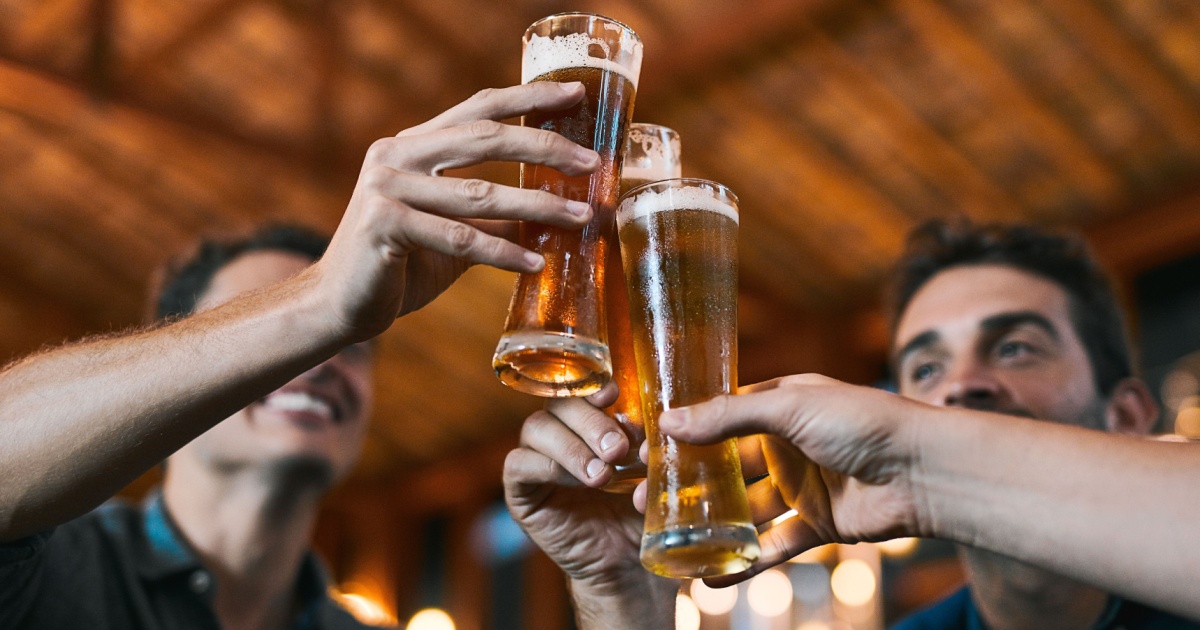

Most people have a ritual they rarely question. Maybe it’s the cold bottle cracked open after getting home from work, the pint poured while dinner simmers on the stove, or the weekend six-pack that somehow becomes a nightly habit. Beer is so ordinary in so many households that the idea of examining it feels almost unnecessary. It’s just beer. A drink as old as civilization itself.
But what’s actually happening inside your body when that nightly beer becomes a daily one? The answer isn’t as simple as the headlines usually make it sound. There are some genuine upsides buried in the research, alongside some risks that are becoming harder to ignore, especially in light of what public health officials have said in the last couple of years. Understanding both sides matters, and it matters more the older we get.
The full picture requires sitting with some real complexity. Beer isn’t wine, it isn’t spirits, and it behaves differently in the body depending on how much you drink, how often, and what type you choose. That context changes everything.
What’s Actually in Beer
Before you can understand what beer does to your body, it helps to know what you’re actually drinking. Beer isn’t simply fermented grain water. It’s made from water, barley malt, hops, and yeast, and the main nutrients include carbohydrates, amino acids, minerals, vitamins, and compounds called polyphenols.
About 30% of the polyphenols in beer come from hops and 70 to 80% from malt. Polyphenols are plant-based antioxidants, and research shows that polyphenol content is highest in dark and black beers, and antioxidant activity is also more pronounced in those styles. So the type of beer genuinely matters when we’re talking about nutritional quality.
There’s also a bone health angle that often surprises people. Research suggests that beer is a significant source of dietary silicon, a key ingredient for increasing bone mineral density. Brewing researchers at the University of California, Davis have examined beer’s nutritional qualities and identified it as a meaningful source of this mineral. A review published via the NIH’s PubMed found that dietary silicon is beneficial to bone and connective tissue health, with strong positive associations between silicon intake and bone mineral density in both U.S. and U.K. study populations. Some studies suggest moderate beer consumption may help support bone density. That said, experts caution against reading too much into this. The silicon connection is real, but beer is not a bone supplement, and the alcohol content introduces trade-offs that complicate the picture. Ultimately, nutrients can be found elsewhere, alcohol-free.
The Case for Moderation
When researchers talk about “moderate” drinking, they mean something specific. In the United States, moderate drinking for healthy adults differs by sex. On days when a person does drink, women should have no more than one drink and men no more than two.
Within those limits, there’s some evidence of modest health benefits. Several studies suggest that light to moderate beer and alcohol intake may be associated with a lower risk of heart disease. One 12-week study in adults with overweight found that moderate beer intake improved the antioxidant properties of HDL (good) cholesterol while also improving the body’s ability to remove cholesterol.
Some research has also looked at blood sugar. Several studies have found that light to moderate alcohol intake appears to reduce insulin resistance, a risk factor for diabetes, as well as the overall risk for developing type 2 diabetes. And there’s the heart health angle, where several reviews have suggested that consuming one to two beers a day may help lower your risk of heart disease, with beer appearing to be as effective at improving general heart health as wine at comparable alcohol levels.
These findings sound encouraging, but they come with significant caveats. Most of this research is observational, meaning it identified associations, not causes. People who have stopped drinking for health reasons are often counted as non-drinkers, and when larger studies properly account for these variables, the protective effect of alcohol tends to disappear. Researchers at Stanford Medicine reviewed the evidence and found that the idea that moderate, occasional drinking is good for your health is now considered outdated.
The Cancer Risk You Probably Haven’t Heard About
This is where the conversation gets genuinely important. In January 2025, the Office of the Surgeon General published an advisory on the current scientific evidence about the risk of cancer due to alcohol use, raising awareness that alcohol is the third leading cause of preventable cancers in the U.S., after tobacco and obesity.
The direct link between alcohol consumption and cancer risk is well-established for at least seven types of cancer, including cancers of the breast, colorectum, esophagus, liver, mouth, throat, and voice box, regardless of whether the alcohol comes from beer, wine, or spirits.
The scale of this risk surprises most people. Alcohol consumption contributes to nearly 100,000 cancer cases and about 20,000 cancer deaths in the United States each year. And critically, cancer risk increases as alcohol consumption increases. For certain cancers, like breast, mouth, and throat cancers, evidence shows that the risk may start to increase with one or fewer drinks per day.
According to the surgeon general’s report, only 45% of Americans recognize that alcohol can cause cancer. Americans were far more knowledgeable about the cancer risk of tobacco use, at 89%. That awareness gap is a real problem, and it’s part of why health authorities have started pushing for cancer warning labels on alcoholic beverages similar to those on cigarette packaging.
If you drink daily and have never considered this connection, that’s entirely understandable. Unlike tobacco, public health campaigns about alcohol rarely emphasize its link to cancer. Warnings have typically focused on addiction, liver disease, drunk driving, and the dangers of drinking during pregnancy, rather than highlighting cancer specifically.
What Daily Drinking Does to Your Body Beyond Cancer
The cancer risk is serious, but it’s not the only way nightly beer affects your health over time. Any amount of drinking increases the risk of breast cancer and colorectal cancer, and as consumption goes up, so does the risk. But there are several other effects that accumulate quietly.
Your sleep is not what you think it is. Many people reach for a beer in the evening specifically because it helps them wind down and fall asleep faster. That part is true. Alcohol is commonly consumed before bedtime with the belief that it helps sleep, but research shows it actually causes changes in sleep structure, including a delay in the onset of REM sleep and a reduction in its duration. REM sleep is the stage most important for memory consolidation, emotional regulation, and cognitive recovery. Disruptions to REM sleep occurred even following a low dose of alcohol, roughly two standard drinks, and worsened with increasing amounts. That after-work beer may be helping you drift off and costing you the most restorative part of your night.
Weight gain tends to creep up. Many beers are high in calories, so frequent consumption can lead to substantial weight gain. “Beer belly” is a common term for extra weight around the waist, and studies have confirmed that drinking beer increases waist circumference.
Liver stress is a long game. Drinking large amounts of alcoholic beer long-term can cause serious health problems including dependence, heart or liver problems, and certain types of cancer. For most daily moderate drinkers, this risk is lower, but it doesn’t disappear. The liver is processing alcohol every single time you drink, and daily exposure adds up across years and decades.
Dehydration matters more than most people realize. A daily beer habit can lead to dehydration, leaving you feeling parched and drained. Alcohol is a diuretic, encouraging your body to expel more fluids than you take in. Research shows that dehydration can result in headaches, fatigue, excessive thirst, and lethargy.
Blood pressure can creep upward. Drinking three or more alcoholic drinks per day can increase blood pressure and make high blood pressure worse. For anyone already managing hypertension, daily drinking deserves an honest conversation with a doctor.
The Shift in Scientific Thinking
Something meaningful has changed in the research community over the past few years. The old “moderate drinking is good for you” narrative, which was widely repeated through the 1990s and 2000s, is being reconsidered. According to a report by Stanford Medicine, a 2024 study published in the Journal of the American Medical Association followed more than 135,000 drinkers aged 60 and over and found that even moderate alcohol intake was associated with a higher death rate, with much of that increase seen in cancer and cardiovascular disease.
Countries are also updating their public guidance. Countries including Canada have moved to more cautious recommendations, advising no more than two drinks per week for all adults. The U.S. has not yet matched that, but the surgeon general’s 2025 advisory specifically called for a reassessment of current recommended limits.
A 2024 report from the American Association for Cancer Research concluded that more than 5% of all cancers in the U.S. are attributable to alcohol use. The more alcohol consumed, the greater the risk, but the risks start with any alcohol consumption.
For anyone who has been relying on older messaging that a drink or two a day is perfectly fine, or even beneficial, the honest update is that the science has moved, and moved meaningfully.
If you’re curious about what happens when people cut back entirely, people who’ve quit alcohol have described significant improvements to energy, sleep quality, and overall well-being.
Does Beer Type Matter?
If you do drink, the type of beer you choose has some bearing on the impact. Research shows that the most popular beer styles, such as lager and pilsner, tend to have lower polyphenol content and lower antioxidant activity than dark and black beers. Ales and stouts generally offer more of the beneficial plant compounds.
Alcohol content is also relevant. Most types of beer contain 4 to 6% alcohol, but the beverage can range from 0.5 to 40%. Much of the research examining any potential benefits of moderate beer consumption was conducted using beverages in that 4 to 5% range. Some craft beers and microbrews now exceed 5% alcohol. If you drink a beer that’s 10% alcohol, you’re consuming the equivalent of two standard drinks, not one. This is an easy way to accidentally double your intake without realizing it.
Light beers have fewer calories and less alcohol, making them a more moderate option if daily drinking is part of your life. Darker ales and stouts bring more antioxidant polyphenols, though the alcohol content can vary considerably across styles.
Read More: Scientists Explain What Happens To Your Body When You Cut Back (But Don’t Quit) Alcohol
What This Means for You
Drinking a beer a day isn’t going to harm every person in the same way. Individual risk varies based on genetics, family history of cancer, existing health conditions, body weight, and medications. But the collective evidence now points clearly in one direction: daily alcohol consumption carries real risks that accumulate over time, and the old assumption that moderate drinking offers net health benefits is far less solid than it once seemed.
The CDC states clearly that the less alcohol you drink, the lower your risk for these health effects, including several types of cancer. That’s a straightforward summary that cuts through a lot of the noise.
If you currently have a daily beer habit and want to make a more informed decision, start by being honest about how much you’re actually drinking. A craft IPA at 8% is not “one drink” by any standard measure. Track your intake for a week, pay attention to how your sleep actually feels, and consider discussing your alcohol use with your doctor, particularly if cancer, heart disease, or high blood pressure runs in your family.
The goal isn’t to make you feel guilty about a drink you enjoy. It’s to make sure that if you’re choosing to have that evening beer, you’re doing it with a clear and honest understanding of what the current evidence actually says, rather than relying on health claims the science has largely moved past. If you do keep beer in your life, choosing lower-alcohol styles, drinking less frequently, and treating it as an occasional pleasure rather than a nightly default are all reasonable ways to reduce the risks that daily use brings.
Disclaimer: This information is not intended to be a substitute for professional medical advice, diagnosis, or treatment and is for information only. Always seek the advice of your physician or another qualified health provider with any questions about your medical condition and/or current medication. Do not disregard professional medical advice or delay seeking advice or treatment because of something you have read here
AI Disclaimer: This article was created with the assistance of AI tools and reviewed by a human editor.
Read More: Not Just Alcohol: Surprising Diet Habits That May Raise Liver Cancer Risk