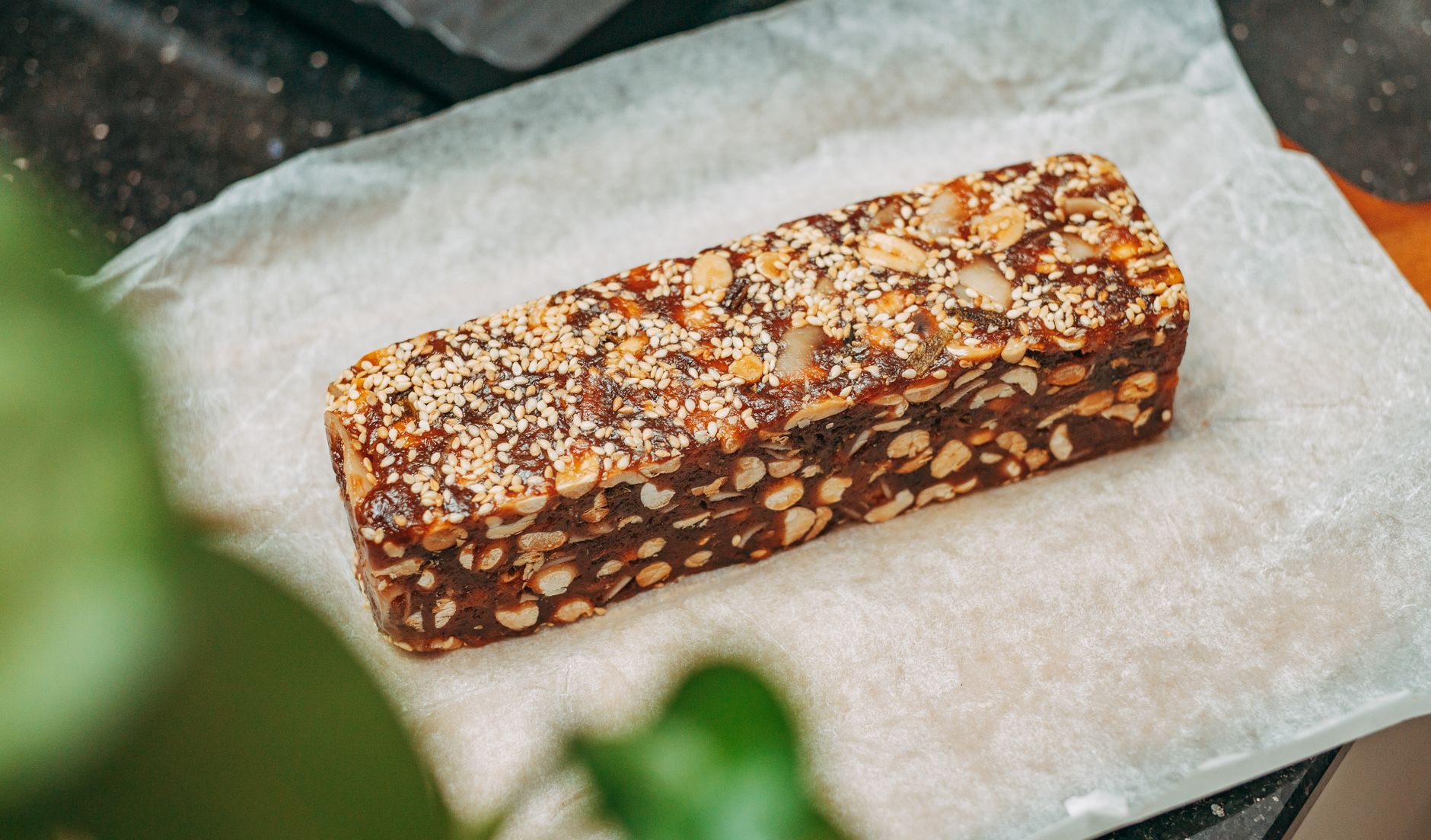

Pick up that protein bar you grabbed at checkout, the one with the clean label and the word “prebiotic” printed in bold green, and flip it over. Somewhere near the bottom of the ingredients list, you’ll probably find two words tucked between the sunflower oil and the sea salt: chicory root. Or its other name, inulin. Odds are you’ve walked past it a hundred times without giving it much thought. That’s about to change.
This isn’t a trendy supplement or a lab-made compound. Chicory root has been cultivated for centuries across Europe and Asia, prized first as a coffee substitute and a culinary staple, then quietly reborn as one of the most versatile functional ingredients the food industry has ever worked with. What’s different now is the scale. The hidden fiber ingredient that once lived in the background of a handful of specialty products has moved to center stage, and the science behind why is worth understanding.
Fiber has become the defining nutrient of 2026, and one ingredient is leading the surge: chicory root. You’ll find it in prebiotic sodas, protein bars, gummies, yogurt alternatives, and baked goods. The question most people never think to ask is: what is it actually doing in there, and is it doing anything useful for you?
What Chicory Root Actually Is, and Why Food Brands Love It
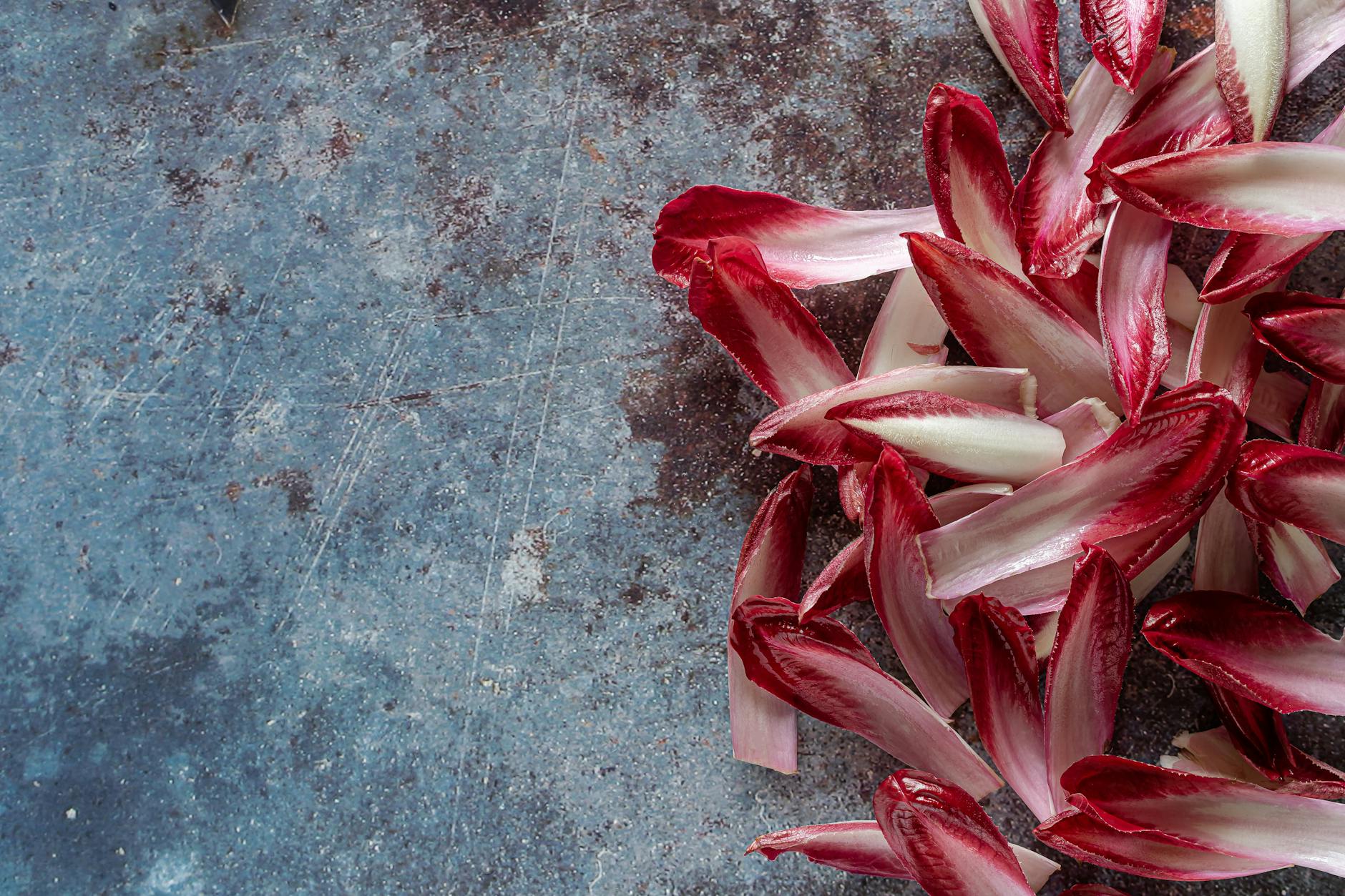
Chicory root comes from a plant with bright blue flowers that belongs to the dandelion family. Employed for centuries in cooking and traditional medicine, it’s commonly used to make a coffee alternative, as it has a similar taste and color. What food manufacturers care about is what’s inside the root: a fiber called inulin. Inulin is a type of fiber known as a fructan, a carbohydrate made from a short chain of fructose molecules that your body doesn’t digest.
That indigestibility is actually the whole point. Because inulin passes through your stomach and small intestine untouched, it reaches your colon intact, where it becomes food for beneficial bacteria. Chicory root fiber is the only plant-based prebiotic recognized by ISAPP, the International Scientific Association for Probiotics and Prebiotics.
From a formulation standpoint, chicory root is almost uniquely practical. Food makers favor chicory root for its versatility. It can increase fiber content, replace sugar, or add mouthfeel without a strong flavor. That makes it a favorite for reformulated treats and functional beverages. Brands like Olipop, SmartSweets, and POCA have leaned on chicory root to deliver prebiotic benefits while keeping calories and sugar low. Olipop, for instance, sources inulin from chicory root for its refrigerated formula, using it as a core part of its fiber blend alongside cassava root fiber and Jerusalem artichoke inulin.
The global chicory root fiber market was valued at USD 118 million in 2024 and is projected to grow to USD 159 million by 2034. The wider prebiotic ingredient market, of which chicory root inulin is the dominant component, tells an even larger story. Inulin leads the prebiotic ingredient market by type, capturing 37.5% market share, a position backed by the sheer breadth of products it can be added to without changing how they look or taste.
The Hidden Fiber Ingredient Behind a Nationwide Shortfall
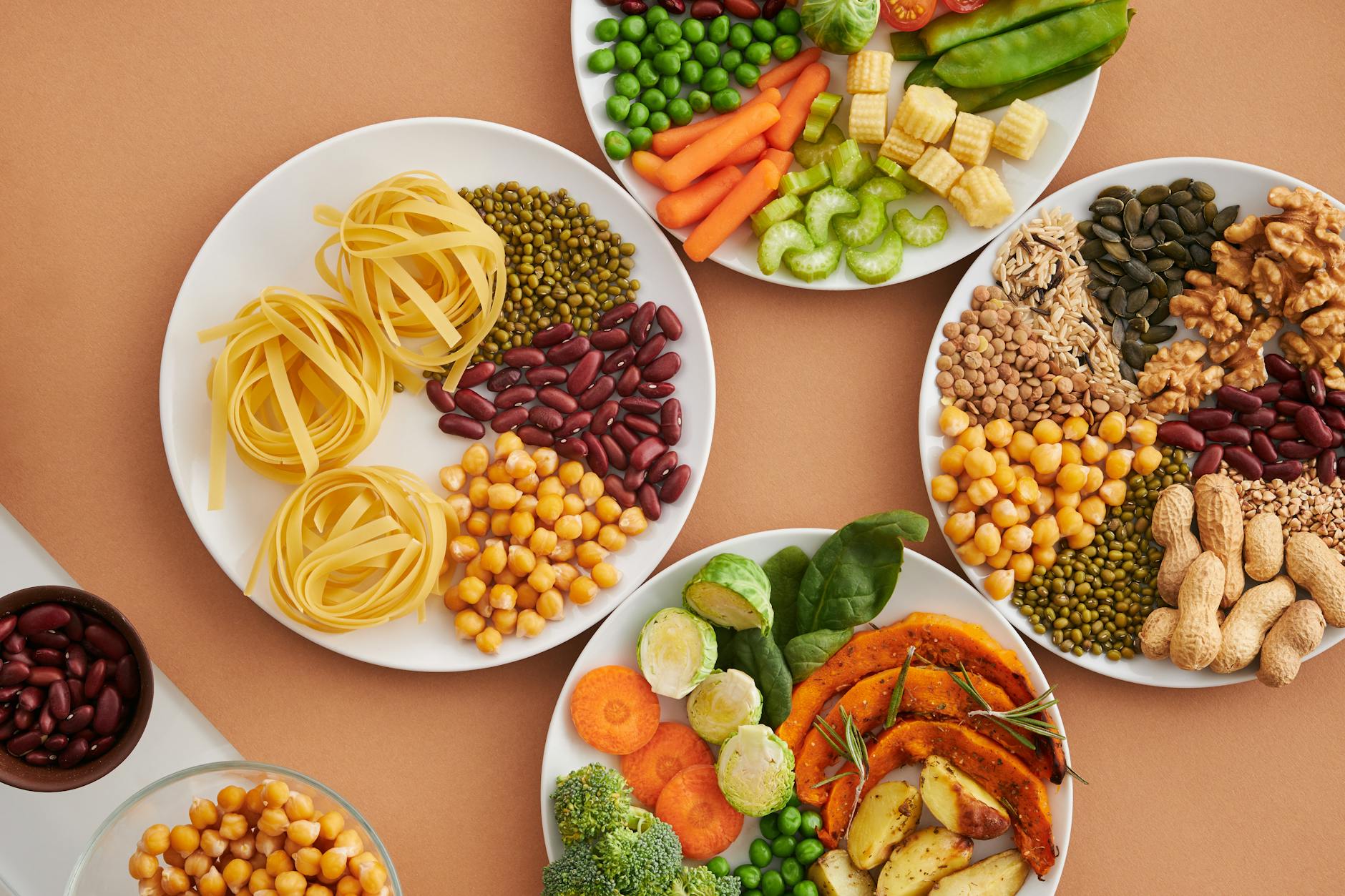
Before getting into what chicory root can do, it helps to understand why fiber is suddenly such a priority in product development. According to the Dietary Guidelines for Americans 2020 – 2025, over 90% of females and 97% of males do not eat enough fiber. That’s not a rounding error. That’s nearly every adult in the country falling short of a nutrient linked to cardiovascular health, metabolic function, and digestive regularity.
The USDA’s Dietary Guidelines for Americans recommend a daily dietary fiber intake that varies by age and gender. For individuals under 51 years of age, the suggested daily intake is 25 grams for women and 38 grams for men. Most adults fall short, often consuming only 10 to 15 grams daily. According to the American Society for Nutrition, only 5% of men and 9% of women are getting the recommended daily amount of dietary fiber.
That gap is exactly what the functional food industry is trying to fill, and chicory root inulin is the ingredient of choice precisely because it closes the distance without making a protein bar taste like a bran muffin. Chicory root can help bridge the fiber gap, though experts emphasize using it alongside whole, fiber-rich foods like vegetables, legumes, fruits, and whole grains.
What the Science Says About Gut Health

The gut health case for chicory root inulin is one of the better-supported stories in functional nutrition. Inulin is a soluble prebiotic dietary fiber derived from plants that enhances digestive health by modulating the gut microbiota. It is fermented by Bifidobacterium and Lactobacillus species, resulting in the production of short-chain fatty acids, which promote gut barrier integrity, immune equilibrium, metabolic health, and overall systemic wellness.
Short-chain fatty acids, the metabolic byproducts that gut bacteria produce when they ferment inulin, are at the center of the research. When inulin is fermented by microbes, it helps nourish beneficial bacteria. That process can produce short-chain fatty acids, including butyrate, which supports colon cell health and may reduce inflammation.
A 2025 clinical trial published in the journal Gut Microbiome examined what happened when people at risk of type 2 diabetes were given dried chicory root. The trial found that chicory root fiber intake increased fecal butyrate by 25.8% and raised circulating butyrate levels by 15.7%. A separate 2025 trial found that chicory root fiber increased the relative levels of beneficial Bifidobacterium and Anaerostipes bacteria by three- to four-fold in participants at diabetes risk, a meaningful shift in microbial composition from a single dietary intervention.
For bowel regularity, the evidence is equally direct. A four-week study in 44 adults with constipation found that taking 12 grams of chicory inulin per day helped soften stool and significantly increased bowel movement frequency, compared with taking a placebo. That 12-gram dose is also the amount that the European Food Safety Authority has formally recognized in connection with chicory inulin’s contribution to normal bowel function, a bar not easily cleared in the regulatory landscape.
For more on how gut bacteria shape your broader health, 5 Science-Backed Foods That Boost Gut Health Naturally is worth reading alongside this.
Blood Sugar, Satiety, and Metabolic Effects

Beyond the gut, chicory root inulin has attracted serious attention for its effects on blood sugar control and appetite. Because chicory root passes through the upper gut intact, it can help with regularity and slow sugar absorption. That may translate to steadier blood sugar and improved satiety after meals.
A 2019 meta-analysis of 33 randomized controlled trials, the most comprehensive analysis on this topic at the time, found that inulin supplementation significantly reduced fasting blood glucose in people with prediabetes and type 2 diabetes. While this is one of the older data points in the field, the finding has since been supported by more recent trials. A review published in Nutrients in September 2024 by researchers at the Department of Nutrition, Food Science and Physiology at the University of Navarra concluded that inulin supplementation contributes to body weight and BMI control, reduces blood glucose levels, and improves insulin sensitivity, according to the study published in Nutrients.
On the satiety side, the mechanism involves inulin’s ability to delay gastric emptying, slowing the rate at which food leaves the stomach. Research published in the American Journal of Clinical Nutrition found that people who received inulin fiber before a meal consumed approximately 21% fewer calories at the subsequent meal compared to a control group, a meaningful reduction driven partly by increased satiety hormone secretion.
The practical implication: eating a snack with chicory root inulin in the mid-morning may genuinely reduce how much you eat at lunch, not because of appetite suppression in a pharmaceutical sense, but because the fiber keeps food moving more slowly through your system.
The Hidden Fiber Ingredient in Your Favorite Brands

Chicory root now appears in sodas, syrups, candy, and protein bars as a simple way to boost fiber without changing taste. The prebiotic soda category, currently one of the fastest-growing segments in the functional beverage market, has been built almost entirely around chicory root and similar fiber sources. PepsiCo announced the launch of Pepsi Prebiotic Cola in July 2025, delivering 3 grams of prebiotic fiber per serving, with no artificial sweeteners and just 30 calories per can.
Recent consumer research consistently shows that gut health is the number one health aspect driving purchase decisions for functional food and beverage products in North America. Nearly six in ten consumers actively seek products that support digestive health, and almost half express specific interest in prebiotics. That appetite from shoppers has pushed reformulation across every snack category. Manufacturers use chicory root fiber across many categories, and formulators appreciate its low viscosity and mild sweetness, which helps it mix smoothly into syrups and beverages.
The numbers reflect this shift. Data tracking prebiotic ingredient adoption shows that snack foods containing prebiotics have increased by approximately 42%, reflecting genuinely changing consumption patterns rather than a short-lived fad.
When Chicory Root Isn’t Right for You

No discussion of this ingredient is complete without the caveats, because for a meaningful portion of the population, chicory root inulin is not a straightforward upgrade.
Researchers have studied the different forms of inulin extensively, and it appears to be safe for most people in small doses. However, people who are intolerant to FODMAPs are likely to experience significant side effects. FODMAPs, which stands for fermentable oligosaccharides, disaccharides, monosaccharides, and polyols, are a category of carbohydrates that ferment rapidly in the gut, causing gas, bloating, and cramping in sensitive individuals. Inulin is classified as high FODMAP even in small amounts, which means people with irritable bowel syndrome or known FODMAP sensitivity may react badly to products fortified with it.
There’s an added twist that makes this particularly confusing. Unlike most fermentable fibers, inulin ferments slowly in the large intestine, so digestive symptoms may not show up for many hours after eating, or even the following day. That delayed reaction makes it genuinely hard for people to connect symptoms to the source.
Tolerance improves with gradual introduction. Mild digestive sensations such as gas production reflect fermentation by gut bacteria, which is also the mechanism behind the prebiotic effect. In other words, some initial discomfort is the system working as intended. The practical guidance: start with 2 to 3 grams daily and increase slowly over several weeks rather than jumping straight to the amounts found in a full serving of a prebiotic soda.
Read More: Top 10+ Probiotic Foods That Your Gut Will Thank You For
What This Means for You

Chicory root is not magic. But it’s a genuinely useful ingredient that has earned its place on food labels through a body of evidence that most functional food additives can’t match. As the only plant-based prebiotic recognized by ISAPP, chicory inulin’s prebiotic effect is backed by well-documented scientific studies. If you’re one of the overwhelming majority of adults who fall short on daily fiber, finding it in a protein bar or a prebiotic soda is a convenient way to close part of that gap, provided your gut tolerates it well.
The practical starting point is to read labels with intention. When you see “chicory root,” “inulin,” or “chicory root fiber” in an ingredient list, you now know what it is, why it’s there, and what it’s likely doing. For most healthy adults, slowly increasing your intake through fortified foods is safe and potentially beneficial. If you have IBS, inflammatory bowel disease, or known FODMAP sensitivity, talk to a dietitian before adding inulin-heavy products to your regular rotation. And regardless of how many prebiotic snacks line your pantry, whole food fiber sources, including vegetables, legumes, fruit, and whole grains, remain the foundation. Chicory root works best when it fills the gaps in an already solid diet, not when it replaces one.
Disclaimer: This information is not intended to be a substitute for professional medical advice, diagnosis, or treatment and is for information only. Always seek the advice of your physician or another qualified health provider with any questions about your medical condition and/or current medication. Do not disregard professional medical advice or delay seeking advice or treatment because of something you have read here.
AI Disclaimer: This article was created with the assistance of AI tools and reviewed by a human editor.
Read More: You Might Need More Fiber ASAP If You’re One of These Types of People