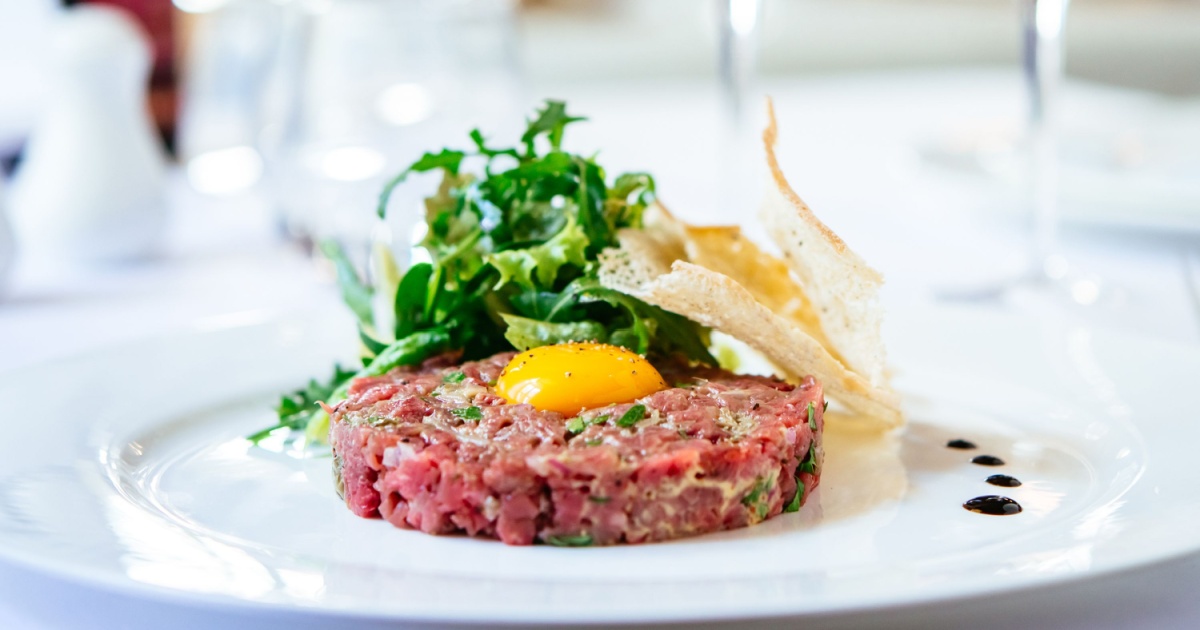

Eating out should be one of life’s simple pleasures. You hand off the cooking, the cleaning, and the planning to someone else, and in return you get to sit back, enjoy good company, and eat something that somebody else made with – hopefully – some skill and care. But between the kitchen and your table, a lot can happen that you never get to see. Some of it is about food safety. Some of it is about ingredients. And some of it is about what restaurants have to do to make food taste that good, that fast, at that price.
The good news is that dining out doesn’t have to be a minefield. The bad news is that a handful of specific foods – some of them popular, some of them dressed up as healthy choices – carry real risks that most people don’t think twice about. Food safety researchers, nutritional scientists, and public health agencies have been paying closer attention to what ends up on restaurant plates, and the picture that’s emerging is worth knowing about before you order.
This isn’t about swearing off restaurants forever. It’s about ordering smarter. Some of the foods on this list are safety hazards in ways that apply specifically to commercial kitchens. Others are nutritional traps that look reasonable on a menu but deliver a serious hit to your long-term health. Either way, knowing which foods to skip – or at least to question – gives you real control over what you’re putting in your body when eating out.
1. Raw Leafy Green Salads
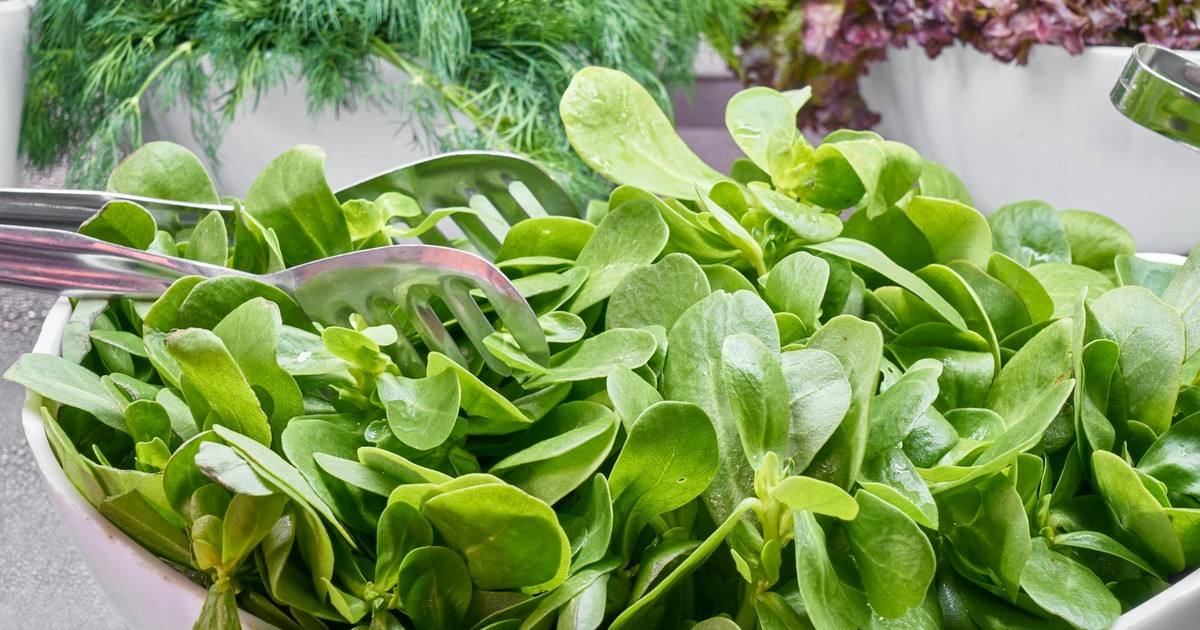
Salad feels like the safe choice. It’s what you order when you’re trying to be disciplined, when the burger is tempting but the check-in is coming up on Thursday. The problem is that raw leafy greens at restaurants carry a contamination risk that many diners seriously underestimate.
Leafy greens are among the most widely consumed vegetables, but they have been repeatedly associated with illnesses caused by Shiga toxin-producing E. coli (STEC), most commonly E. coli O157:H7. As consumption of leafy greens has grown, so too have foodborne illness outbreaks tied to those products, driven in part by animal farming near vegetable cultivation sites, irrigation on land previously used for livestock, and increased consumption by people with underlying health conditions. In 2024 and 2025, romaine, spinach, spring mix, and bagged salad kits drew especially heavy scrutiny after multiple contamination investigations tied to irrigation water, processing equipment, and field runoff. Unlike a burger, greens don’t get cooked, so any bacteria that survived the supply chain arrives alive on your plate.
The FDA has acknowledged that while millions of servings are consumed safely every day, the cycle of recurring leafy green outbreaks remains a serious problem the agency is actively working to break. At home, you control the washing and the sourcing. At a restaurant, you’re trusting a chain of handling that can involve dozens of hands across multiple facilities. If you love greens, asking your server where the salad ingredients are sourced, or choosing a warm, cooked vegetable side instead, is a practical swap that genuinely reduces your risk.
2. Raw Oysters
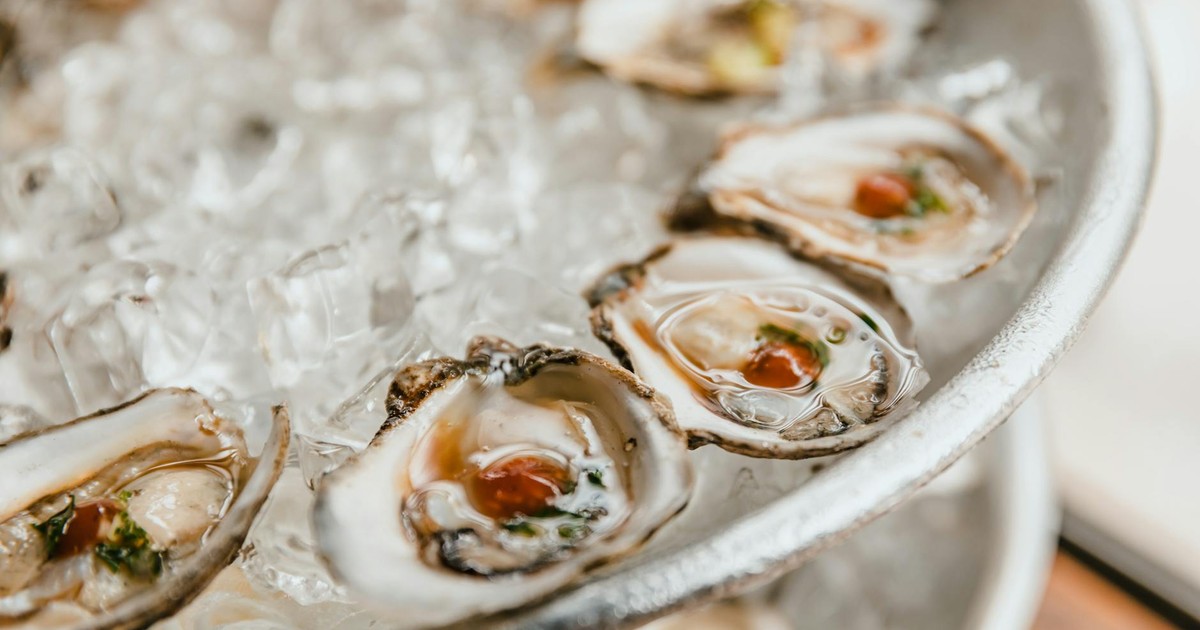
Raw oysters have a devoted following, and restaurants in coastal cities often treat them as a centerpiece of the menu. But the risk attached to raw shellfish is well-documented, and recent years have not been kind to the oyster’s safety record.
According to the CDC’s final investigation update, a total of 80 people infected with the outbreak strain of Salmonella were reported from 23 states, with illnesses starting from June 21, 2025 through December 22, 2025, and 50% of those with available information requiring hospitalization. Of those interviewed during the investigation, 74% reported eating raw oysters. That’s a significant cluster, and it’s not an isolated event.
The trouble with oysters is that they are filter feeders, meaning they pull water through their bodies continuously, concentrating whatever pathogens happen to be present in that water. Health officials recommend cooking oysters before consuming them to reduce the risk of food poisoning, since hot sauce and lemon juice do not kill germs, and contamination is not visible on the oyster itself. If you enjoy shellfish, ordering them grilled, steamed, or fully cooked is the simple fix that eliminates most of the risk without giving up the experience entirely.
3. Steak Tartare and Raw or Undercooked Ground Beef
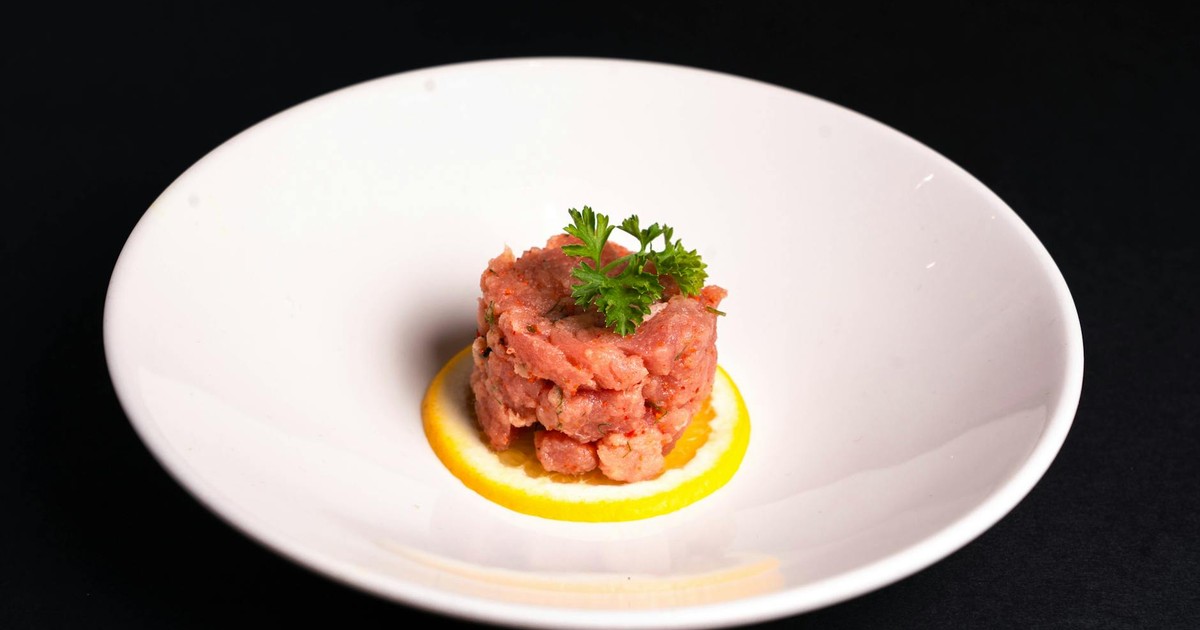
Steak tartare appears on upscale menus as a delicacy, and the idea that quality raw beef from a reputable kitchen is safe is widespread. The science doesn’t support it.
A review published in the journal Foods discussed the microbiological safety of raw beef dishes such as steak tartare, highlighting risks from pathogens including Salmonella, Listeria monocytogenes, and Shiga toxin–producing E. coli. The review explains that ground beef carries higher risk than intact cuts because grinding can distribute surface bacteria throughout the product, meaning pathogens are not confined to the exterior. In contrast, contamination on whole cuts is typically limited to the surface, where it can be reduced by proper searing. However, because the analysis is based on food safety science rather than direct clinical outcomes, it describes risk mechanisms rather than measured illness rates.
Outbreaks associated with the consumption of raw meat products have confirmed the importance of good hygiene practice and process control. E. coli O157:H7, one of the pathogens found in improperly handled ground beef, can cause severe kidney complications, particularly in children and older adults. Ordering your beef cooked to at least 160°F internal temperature is the only reliable safeguard when eating out, regardless of how the kitchen presents its sourcing credentials.
4. Deep-Fried Foods
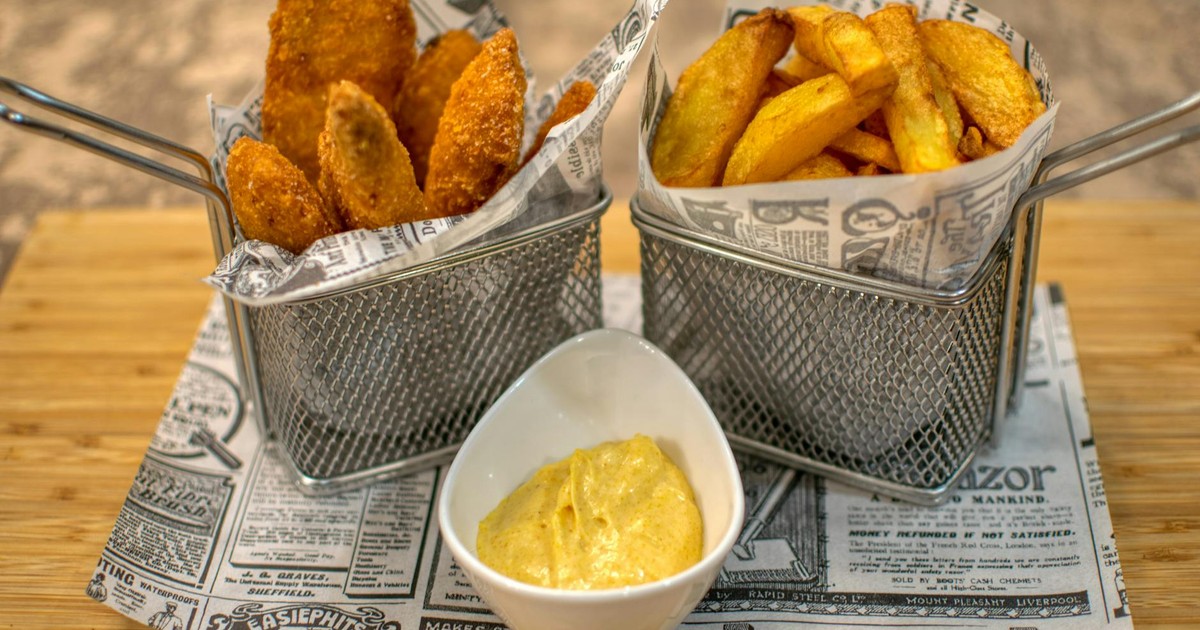
French fries, fried chicken, onion rings, fried fish – these items are fixtures on menus at every price point, from fast food counters to sit-down restaurants. The appeal is obvious. The health math, eaten regularly, is not.
According to a large observational cohort study published in The BMJ, which examined the diets of more than 205,000 adults in the U.S. over nearly four decades, eating three weekly servings of French fries was associated with a 20% increased risk of type 2 diabetes – while consuming the same amount of boiled, baked, or mashed potatoes did not appear to be linked to the disease. The method of cooking is the critical variable. Frying increases calorie density, changes starch structure, and introduces compounds formed at high heat that can harm insulin function over time.
The picture gets more concerning with frequency. Research from the Harvard T.H. Chan School of Public Health, which led the study, found that people who ate five or more servings of French fries per week had a 27% greater risk of type 2 diabetes than those who rarely ate them. Restaurant meals are a primary driver of that frequency for many people. If you’re dining out regularly, substituting a grilled or roasted option for the fried side is one of the highest-impact swaps you can make for long-term metabolic health.
5. Ultra-Processed Menu Items and Pre-Made Packaged Foods
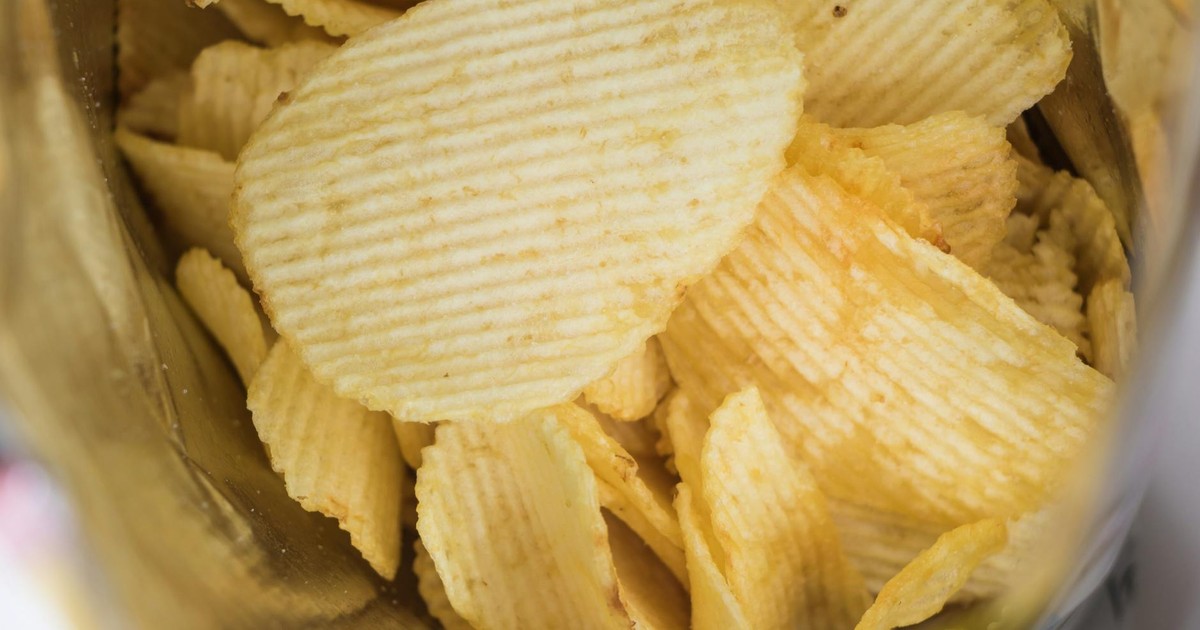
Restaurants, particularly chains, rely on a volume of pre-made, pre-packaged, or semi-processed components to keep their kitchens running at speed. That reliance creates a category of menu items that technically arrive on a plate but were largely assembled from ultra-processed ingredients before they even reached the restaurant.
Ultra-processed foods have undergone extensive industrial processing and often contain ingredients not typically found in a home kitchen, such as artificial flavors, colors, sweeteners, preservatives, emulsifiers, and stabilizers. In the United States today, ultra-processed foods make up nearly 60% of adults’ diets.
An observational study of 4,787 U.S. adults, published in February 2026 in The American Journal of Medicine by researchers at Florida Atlantic University, found that adults with the highest intake of ultra-processed foods had a statistically significant 47% higher risk of heart attack or stroke compared with those who consumed the least, even after accounting for several confounders. That’s a striking figure from a cross-sectional analysis – meaning it identifies an association, not a direct cause-and-effect relationship – but it reflects findings from a body of research that has been consistently pointing in the same direction. When ordering out, asking your server which dishes are made from scratch versus brought in pre-made is a legitimate question, and many kitchens will be straightforward about it. Choosing the made-to-order option, even if it costs a little more, is almost always the better nutritional decision.
You can learn more about how to identify healthier food choices in our guide to ultra-processed foods that may surprise you.
6. High-Sodium Soups, Sauces, and Broths

The saltiest thing on a restaurant menu is often not the item you’d expect. It’s the soup. Or the sauce. Or the slow-cooked braise that tastes so rich because it’s been reduced down with a level of salt that would make a home cook flinch.
Research published in the American Journal of Preventive Medicine examined 24,147 menu items from 75 major U.S. chain restaurants and found that sodium content remained persistently high from 2013 to 2021, with no meaningful overall decline. The findings underscore public health concerns about restaurant foods, which contribute substantially to Americans’ sodium intake. In response, the FDA has established voluntary sodium-reduction targets for the food industry.
According to the CDC, eating too much sodium can increase blood pressure and the risk of heart disease and stroke, which together kill more Americans each year than any other cause. The practical move when eating out is to ask for sauces and dressings on the side, skip the bread basket with salted butter, and treat soup as a special occasion rather than a default starter. Ordering dishes that are grilled, roasted, or steamed rather than sauced or braised also gives you more control over how much sodium ends up in your meal.
7. Foods Containing Hidden Trans Fats
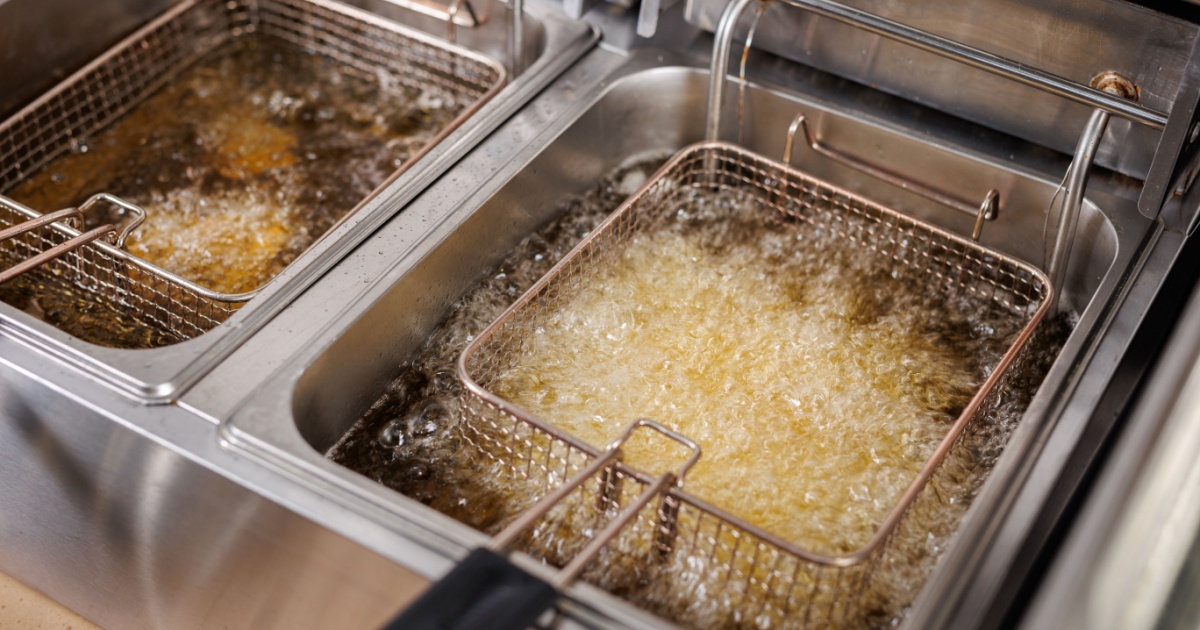
The FDA banned artificial trans fats, known as partially hydrogenated oils, effective January 2021. According to the FDA, the agency determined that partially hydrogenated oils are no longer generally recognized as safe, removing a major source of artificial trans fat from the U.S. food supply. That sounds like the problem is solved. It isn’t entirely.
Trans fats raise LDL, the so-called “bad” cholesterol, and lower HDL, the protective “good” cholesterol, increasing the risk of heart disease, stroke, and type 2 diabetes. While the outright addition of artificial trans fats to food is no longer legal in the U.S., some restaurants – particularly smaller establishments and international chains – may still use imported products that predate the ban or contain trace amounts formed naturally during high-heat frying. Foods fried repeatedly in the same oil, heavily processed baked goods, and certain imported packaged sauces are the most likely hiding spots.
The safest approach is to ask about cooking oils when eating at an unfamiliar restaurant, especially if fried foods are on your list. Restaurants using fresh, stable oils for frying, such as avocado oil or high-oleic sunflower oil, are making a meaningfully different choice than those cycling old vegetable oil through a fryer all day.
8. Pre-Made Dressings and Condiments Loaded With Emulsifiers

Salad dressings, dipping sauces, and condiments are often the last thing people scrutinize when eating out. They should be among the first. Many commercial dressings and sauces used in restaurant kitchens are produced with emulsifiers, thickeners, and preservatives that don’t show up anywhere on the menu.
Research published in Nature found that dietary emulsifiers such as polysorbate-80 can disrupt intestinal cell function and lipid metabolism, potentially promoting inflammatory diseases. Another common additive found in pre-made dairy-based sauces and some dressings is carrageenan, a thickener derived from seaweed. Studies have found that carrageenan can disrupt the intestinal epithelial barrier – the lining of cells that protects the gut wall – and stimulate pro-inflammatory pathways.
These ingredients are legal, widely used, and almost never disclosed on a restaurant menu. The practical fix is simple: ask for dressings and sauces on the side, use them sparingly, or ask whether the kitchen makes its dressings in-house. A restaurant that mixes its own vinaigrette from oil and vinegar is not serving you the same product as one pouring from a commercial gallon jug.
9. Highly Processed Desserts

Dessert is its own category of risk when eating out, and not just for the obvious reasons. The sugar load in a restaurant dessert is substantial, but the more overlooked issue is the processing level of what’s actually on the plate.
Most chain restaurant desserts arrive pre-made, frozen, or par-baked, then finished in the kitchen. The combination of extra fat, salt, and artificial flavor compounds in manufactured desserts can create what researchers describe as overconsumption behavior, meaning your brain signals “more” before your body registers “enough.” Research published in the BMJ has found that highly processed meat products, sugar-sweetened beverages, and ready-to-eat packaged foods show particularly strong associations with all-cause mortality risk among ultra-processed food subgroups – which includes many of the pre-made dessert formats common in restaurant chains.
When you do want to order dessert at a restaurant, choosing a fruit-based option, something made in-house, or fresh sorbet over a pre-packaged lava cake or branded cheesecake is a meaningful difference. If you’re eating out regularly, those dessert calories are also coming with emulsifiers, stabilizers, and artificial flavorings that compound the sugar impact in ways that a homemade cookie never would.
Read More: Dietary Habits That Drive the Most Heart Disease Deaths Per Year
What to Do Now

The purpose of this list isn’t to make eating out feel like an anxiety exercise. Most people eat out multiple times a week, and that’s not going to change. What can change is how you navigate the menu when you get there.
A few habits cover a lot of ground. Ask questions about preparation methods – whether something is made in-house or pre-made, what oil is used for frying, and whether dressings are prepared fresh. The American Heart Association recommends choosing restaurants where food is cooked to order, asking how food is prepared and which items are made to order versus prepackaged, and requesting sauces, dressings, and condiments on the side.
Give yourself the advantage of context, too. Choosing a grilled protein over a fried one, swapping diet soda for sparkling water, skipping the pre-made soup in favor of a vegetable side, and treating raw shellfish and raw ground beef as genuine risks rather than delicacies with a minor caveat – these are decisions that add up over time. According to the CDC, most Americans eat too much sodium, which can increase blood pressure and the risk of heart disease and stroke, and reducing it is one of the most concrete steps you can take for your long-term health. Restaurants aren’t your enemy. But the specific foods on this list are worth a second thought before you order.
A.I. Disclaimer: This article was created with AI assistance and edited by a human for accuracy and clarity.
Disclaimer: The author is not a licensed medical professional. The information provided is for general informational and educational purposes only and is based on research from publicly available, reputable sources. It is not intended to constitute, and should not be relied upon as, medical advice, diagnosis, or treatment. Always consult a licensed physician or other qualified healthcare provider regarding any medical condition, symptoms, or medications. Do not disregard, avoid, or delay seeking professional medical advice or treatment because of information contained herein.
Read More: 17 of The Worst Junk Foods You Can Buy in America