

Most of us think we’re pretty decent grocery shoppers. We head to the store, grab what seems right, maybe check a few prices, and get out. But grocery shopping habits have a sneaky way of quietly draining your wallet, filling your fridge with things you’ll never eat, and loading your cart with food that doesn’t actually serve your health. And the damage adds up faster than most people realize.
The frustrating part is that very few of these mistakes feel like mistakes in the moment. Skipping a list feels spontaneous. Buying in bulk feels smart. Reaching for a recognizable brand feels safe. Each individual decision seems harmless, but the pattern tells a different story by the time you’re pulling wilted vegetables out of the crisper drawer and throwing them straight in the trash.
If your grocery bill is higher than it should be, or you keep finding yourself with a fridge full of food and nothing to cook, the problem is almost certainly one of the habits below. Here are 11 of the most common grocery shopping habits that quietly cost you money, waste food, and undermine your health.
1. Shopping Without a List
According to Ibotta’s 2026 State of Spend report, the share of shoppers making a list before shopping fell from 75% in 2023 to just 68% in 2026 – meaning roughly one in three people are heading to the store with only a vague idea of what they need, or no plan at all. That might not sound like a big deal, but it has measurable financial consequences. Sixty-two percent of shoppers say price matters more than brand name, yet many are offsetting inflation only through reactive, in-store decision-making rather than deliberate pre-trip planning.
The research on what a simple list actually does for your budget is compelling. A 2020 study published in the Journal of Consumer Behaviour found that shoppers who made a list before shopping bought significantly fewer unplanned items than those who didn’t. The USDA’s MyPlate resource consistently recommends planning meals and writing a list before you shop as one of the most effective ways to control grocery costs. The fix here is almost embarrassingly simple: spend five minutes before you leave home writing down exactly what you need. That small step pays off every single week.
2. Shopping Hungry

This one might feel obvious, but the science behind shopping on an empty stomach goes deeper than simply buying more food. Research consistently shows that hunger doesn’t just increase the total quantity of food we put in our carts – it specifically shifts the types of food we choose. When we’re hungry, high-calorie items like snacks, processed foods, and red meat become much more appealing than lower-calorie options like fruits and vegetables.
The USDA itself advises shoppers to “try to do your grocery shopping when you are not hungry and not too rushed” for exactly this reason. A cart loaded with high-calorie impulse items costs more and nourishes less. The fix: eat something small before you shop, even if it’s just a handful of nuts or a piece of fruit. You’ll shop more rationally and spend less.
3. Making Frequent Unplanned Trips

Popping back to the store for “one or two things” is one of the most costly grocery shopping habits there is, even though it never feels that way. Ibotta’s data shows that pre-trip list-making fell from 75% in 2023 to 68% in 2026. Fewer planned trips means more reactive ones, and reactive trips are expensive.
Research also shows that more frequent grocery shopping and higher grocery spending are directly associated with generating greater household food waste, meaning more trips don’t just cost more upfront – they produce more waste on the back end too. Consolidating your shopping into one or two planned trips per week is one of the easiest ways to spend less and waste less simultaneously.
4. Ignoring Expiration Date Labels

The date labels on food packaging are widely misunderstood, and that misunderstanding is costing households a significant amount of money. According to RTS, more than 80% of Americans discard perfectly good, consumable food simply because they misunderstand expiration labels. “Best by,” “sell by,” and “use by” mean very different things, but most people treat all of them as hard expiration deadlines.
“Best by” and “sell by” dates are typically about quality, not safety. A “sell by” date tells the store how long to display the product – it doesn’t mean the food is unsafe to eat after that date. Only “use by” dates are a direct safety indicator. About 30% of food in American grocery stores is thrown away, and consumer confusion over labeling is a major contributing factor. Before you toss something, use your senses – smell it, look at it, taste a small amount. Your instincts are more reliable than a printed date for most foods.
5. Falling for Impulse Buys
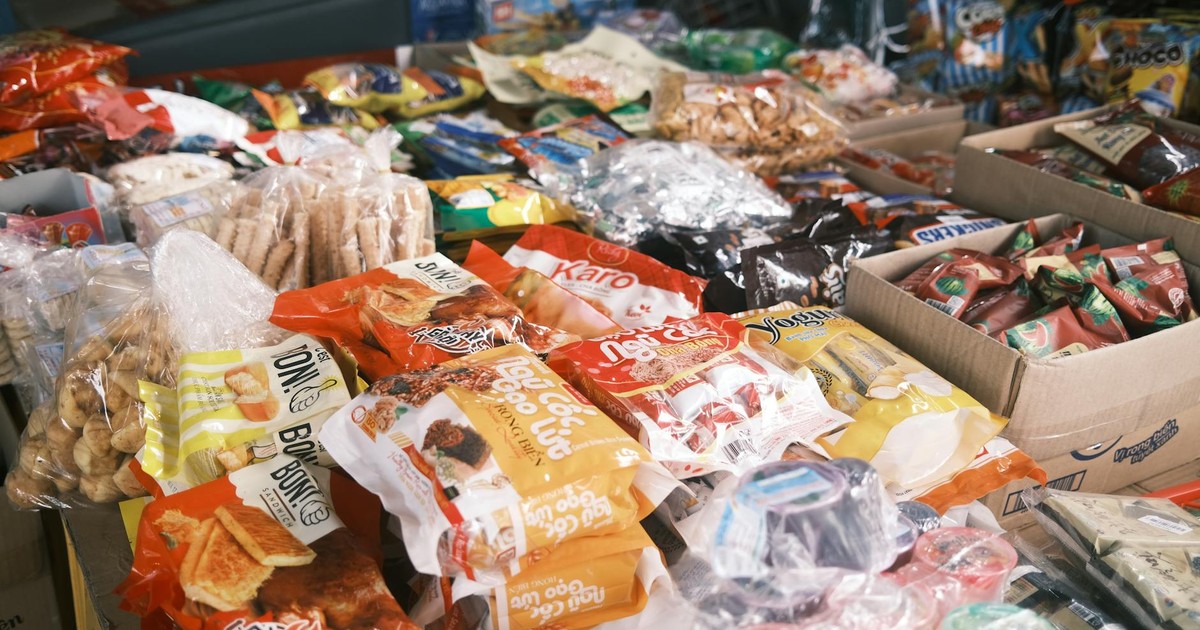
Grocery stores are expertly designed to encourage unplanned spending. End-cap displays, eye-level product placement, and checkout-aisle snacks are all intentional strategies. Research shows that 20 – 50% of grocery shoppers make at least one unplanned purchase per trip. And those purchases add up fast.
According to a December 2025 report from AlixPartners, 45% of shoppers who intend to reduce their grocery spending plan to better plan their shopping and specifically avoid impulse purchases. That’s an acknowledgment that impulse buying is one of the biggest budget drains people can actually control. The most effective defense is a detailed list and a commitment to it. If something isn’t on the list and wasn’t a planned decision made at home, leave it on the shelf. You can always add it to next week’s list if you still want it.
6. Buying Too Much Perishable Food
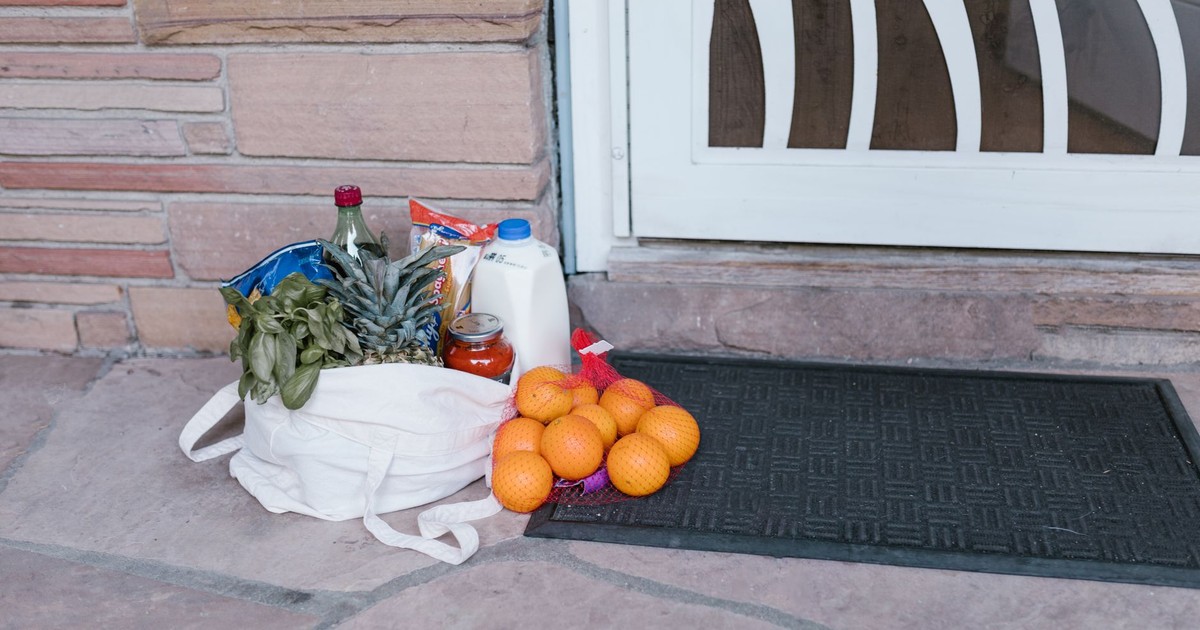
Loading up on fresh produce, dairy, and meat feels virtuous – but buying more than you can actually eat before it spoils is one of the sneakiest ways grocery shopping habits drain your finances. The average American household wastes up to $1,500 a year on uneaten food, and the bulk of that waste comes from fresh items that were bought with good intentions but never made it onto a plate.
According to ReFED, some 70 million tons of food were wasted in the U.S. in 2024, with consumer-level waste representing a significant share. Structured meal planners – people who plan meals before shopping – consistently buy less and waste less than those who shop without a plan. Buy perishables for a realistic number of meals, not aspirational ones.
7. Defaulting to Name Brands
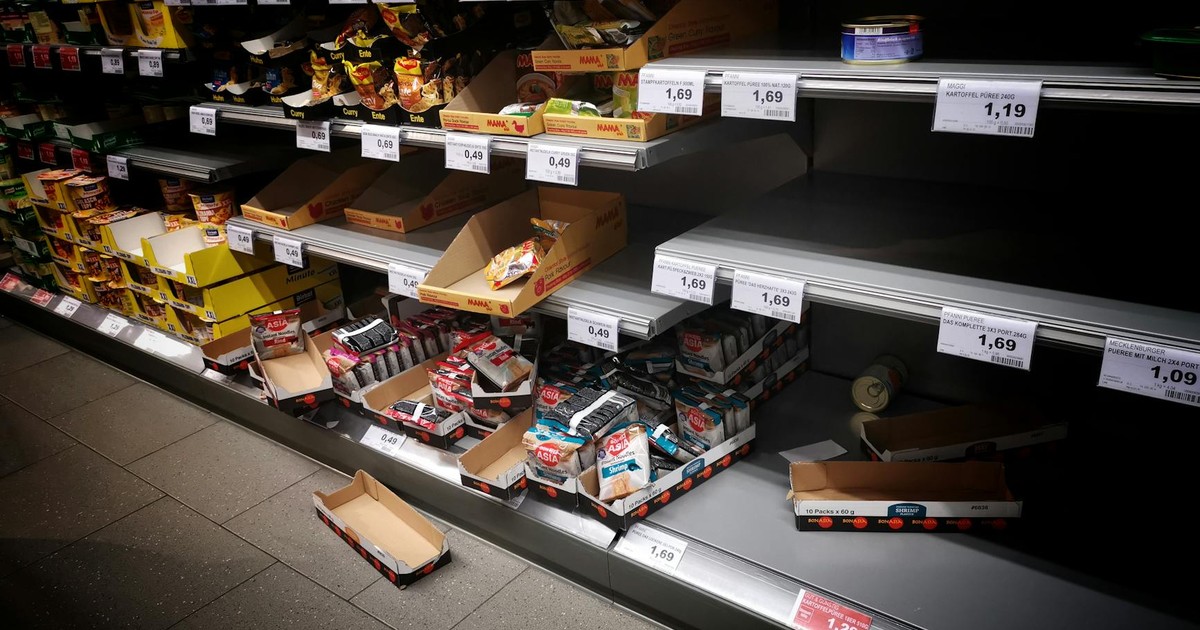
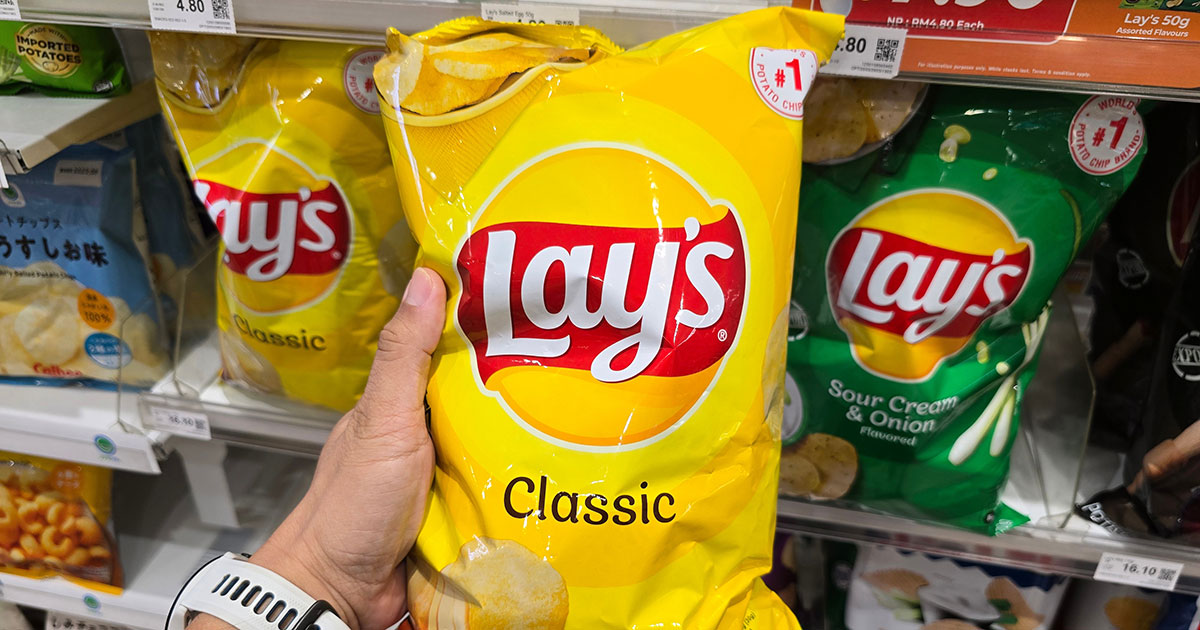
Brand loyalty is an expensive habit in today’s grocery market, especially when store-brand products have improved significantly in quality over the last decade. According to a 2026 Supermarket Perimeter report, 62% of consumers now say affordability is a higher priority than brand names, and they’re voting with their carts: the number of shoppers choosing store brands over name brands has increased 44% compared to 2025.
Store brands and name brands frequently come from the same manufacturers and meet the same federal quality standards. For pantry staples – canned goods, pasta, flour, frozen vegetables, cooking oils – there is often no practical difference in quality. Making the switch on even a handful of regular items can trim your monthly bill meaningfully without any sacrifice in what ends up on your plate. Check the label ingredients on ultra-processed foods before buying any version, store brand or name brand.
8. Filling Your Cart With Ultra-Processed Foods
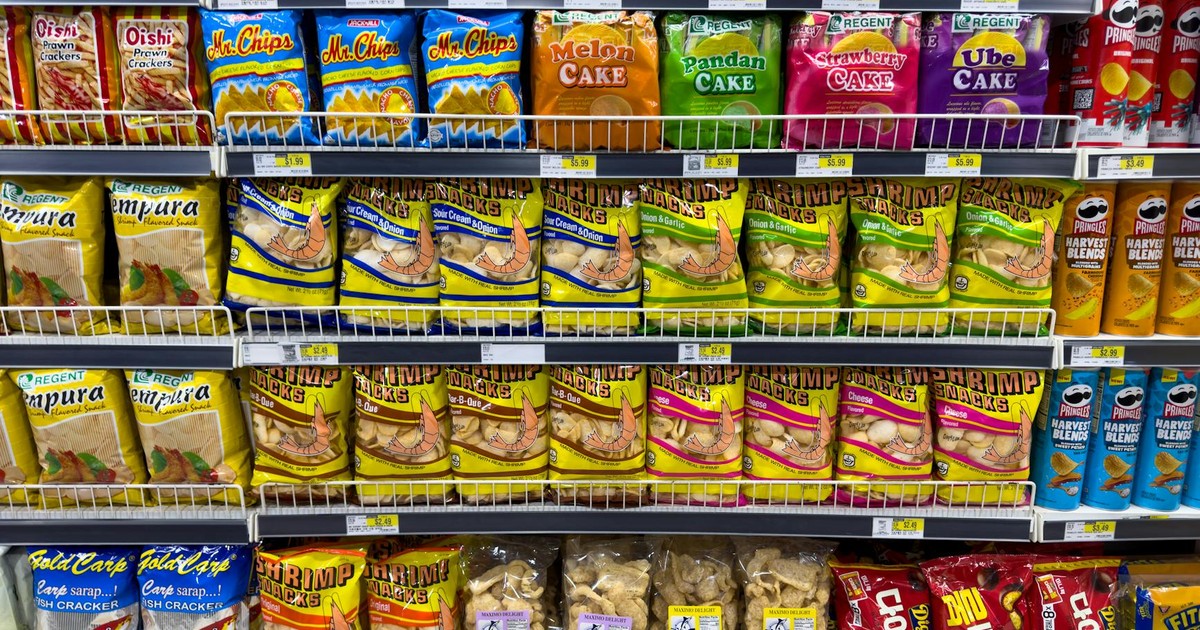
Ultra-processed foods are those that go far beyond basic processing. They typically contain synthetic additives, flavor enhancers, and ingredients you wouldn’t find in a home kitchen. And they’re engineered to be very easy to buy.
A 2024 meta-analysis published in The BMJ – an umbrella review of 45 pooled analyses involving nearly 10 million participants – found that diets high in ultra-processed foods are linked to 32 different adverse health outcomes, including cardiovascular disease, cancer, mental health disorders, and early death. The price point makes them appealing: ultra-processed foods tend to cost significantly less per calorie than minimally processed whole foods. But the long-term health costs of relying on them heavily are well-documented. A practical approach is to shop the perimeter of the store first – produce, proteins, dairy – and treat the inner aisles as secondary.
9. Not Checking What You Already Have

One of the most common and wasteful grocery shopping habits is heading to the store without first checking what’s already in your fridge, freezer, and pantry. You end up buying duplicates, running out of storage space, and throwing out food that got buried and forgotten.
The smartest move before any grocery trip is to check what you already have, build a list based only on what you’ll actually cook, and work from there. A five-minute pantry audit before you write your list prevents duplicate buying and gives you a realistic picture of what meals you can actually make that week. It also forces you to use up what you already paid for, which directly reduces waste and improves the return on every dollar you’ve already spent.
10. Shopping Without a Budget (or Ignoring the One You Have)

According to a 2026 LendingTree survey of 2,000 U.S. consumers, nearly 90% of Americans have changed how they shop for groceries to offset higher food prices – and six in ten people reported worrying about paying for groceries in the past month. Even among households earning over $100,000 a year, 57% reported concern about grocery costs. The gap between financial stress and actual budget discipline at the store is wider than most people realize.
Shopping without a clear per-trip spending target is an open invitation to overspend. Prices vary week to week, promotions change, and without a number in your head, there’s no natural stopping point. Set a realistic weekly grocery budget based on your household size and typical eating patterns, then track your spending at least roughly before you check out. Many stores show your running total on a screen as you shop. Use it. A loose budget is better than none, and sticking to it consistently produces real savings over a year.
Read More: The Surprising Reason Aldi Charges You to Use Their Shopping Carts
11. Overbuying in Bulk Without a Plan
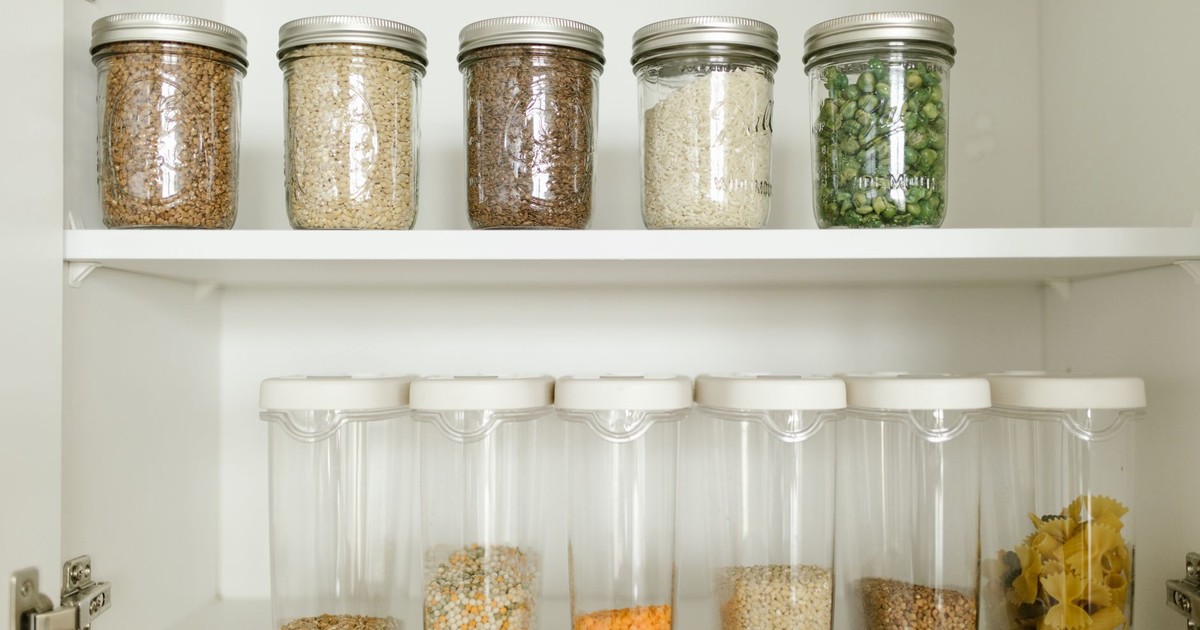
Warehouse stores and bulk sections promise savings, and sometimes they deliver. But bulk buying is only economical if you actually use everything you purchase before it expires or degrades. Buying a five-pound bag of spinach because it’s cheap per ounce isn’t a saving if three pounds go straight into the compost bin.
Warehouse store memberships create a buying psychology that works against smart spending. The per-unit price is lower, but the quantity purchased is often far beyond what a household will realistically consume before expiration, and the result is waste rather than saving. Before you reach for the supersized version of anything perishable, ask yourself honestly: will my household actually eat all of this in time? If the answer is “probably not,” the smaller package at the regular store is the better deal, even at a higher unit price.
What This Means for You

Changing your grocery shopping habits doesn’t require a complete overhaul of how you live or eat. Most of the habits on this list share a common root: a lack of planning before you walk through the door. A shopping list, a pre-trip fridge check, a rough budget, and a meal before you leave are four free actions that address the majority of the problems above.
The data backs this up. The AlixPartners 2026 Global Consumer Outlook found that the top strategy shoppers plan to use to cut grocery spending is simply to plan better and avoid impulse purchases – not to shop at different stores or cut out food categories entirely. Meanwhile, the 2026 LendingTree survey found that the most common cost-cutting tactics people are already using include paying closer attention to prices, cutting back on splurge items, and being more mindful of food waste. Those aren’t dramatic lifestyle changes. They’re small, deliberate shifts in behavior – and the financial and health benefits of applying them consistently are real and measurable.
Start with one habit this week. Pick whichever resonates most from this list, and practice it deliberately for a month. The goal isn’t perfection at the checkout line – it’s raising your awareness of the patterns that are already costing you, so you can choose differently next time you walk t through the store doors.
AI Disclaimer: This article was created with the assistance of AI tools and reviewed by a human editor.
Read More: Things To Look For When Buying Shrimp At The Grocery Store