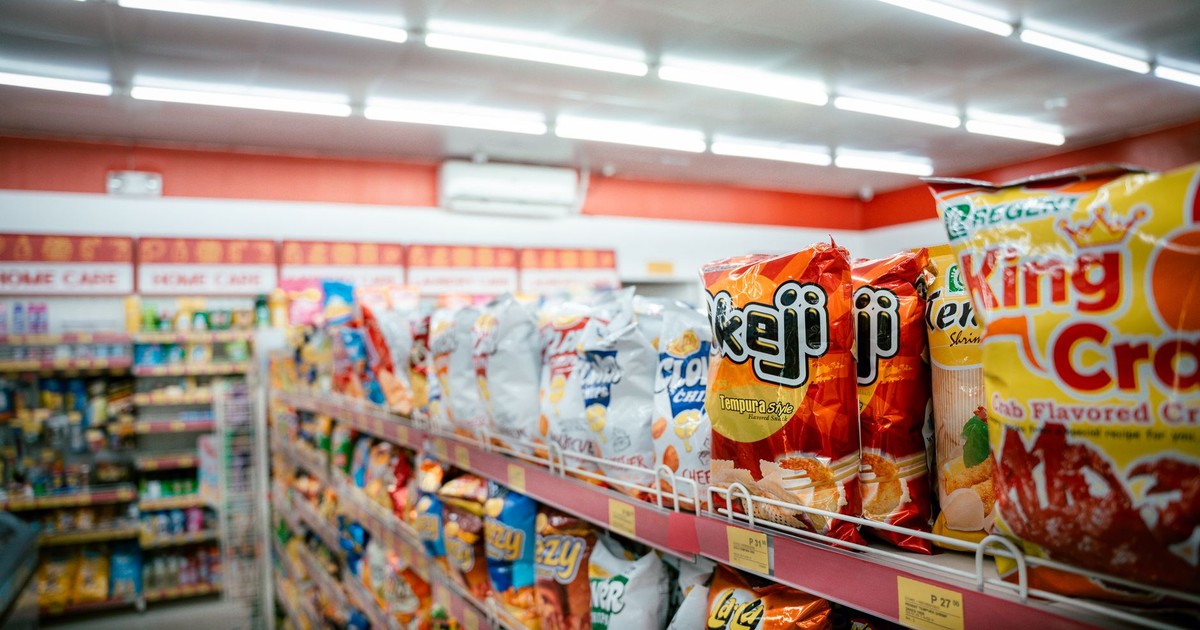

Every time you push a grocery cart down the aisle, there’s a quiet financial decision happening that most people don’t consciously make. Your hand reaches automatically for the familiar red label, the yellow box, the brand whose jingle you’ve known since childhood. You don’t think about it. That’s exactly what decades of advertising spending have trained you to do.
But what if the product right next to it – same ingredients, same factory, a fraction of the price – is sitting there waiting? Not as a lesser substitute, but as the smarter version of the exact same choice?
The store brand vs name brand debate has been going on in American households for generations. What’s changed is the data behind it. A detailed price analysis published in 2026 has finally put hard numbers on exactly which items deliver the biggest savings, and some of the gaps are genuinely jaw-dropping. Whether you’re trying to trim $50 a month from your grocery bill or find real savings without eating differently, this list gives you a clear, category-by-category roadmap.
Before we get to the 25 items, a little context. A team at NetCredit manually analyzed 171 grocery products sold at three major U.S. retailers – Walmart, Kroger, and Target – comparing the prices and package sizes of nationally recognized brands with their equivalent store-brand versions, with all prices collected as of January 2026. The findings showed that buying store-brand items across America’s top supermarkets can save you more than 40% compared to the average cost of name-brand equivalents. That kind of gap doesn’t come from one or two outlier products. It holds across the full cart.
Why such a big difference? Private labels usually don’t incur extraneous branding, marketing expenses, and store placement fees, which allows retailers to price their products more competitively than their name-brand competitors. According to the U.S. Department of Agriculture, food prices are rising in line with overall inflation, and in December 2025, the price index for groceries increased about 0.7%, one of the largest monthly increases in food costs since 2022. As grocery prices continue to climb, many shoppers are looking for practical ways to cut costs without completely changing how they eat, and swapping national brands for store-brand alternatives has become an increasingly popular strategy.
The quality argument has also shifted. According to a 2025 Deloitte retail consumer analysis, 72% of consumers can’t tell store brands apart from national brands in side-by-side comparisons. Sometimes, the same manufacturers that make national-brand products also produce the private-label versions that sit beside them. The store brands will have different names and packaging, slightly different colors or shapes, or a somewhat different recipe. Ernest Baskin, an expert in consumer behavior and marketing research at Saint Joseph’s University whose work focuses on consumer judgment and decision-making in consumption contexts, has noted that retailers can require manufacturers to demonstrate that the store-brand product is as good as or better than their own name brand – making “private label is always lesser” a misconception that the data simply no longer supports.
Now, here are the 25 grocery items where switching makes the most financial sense.
1. Sports Hydration Drinks
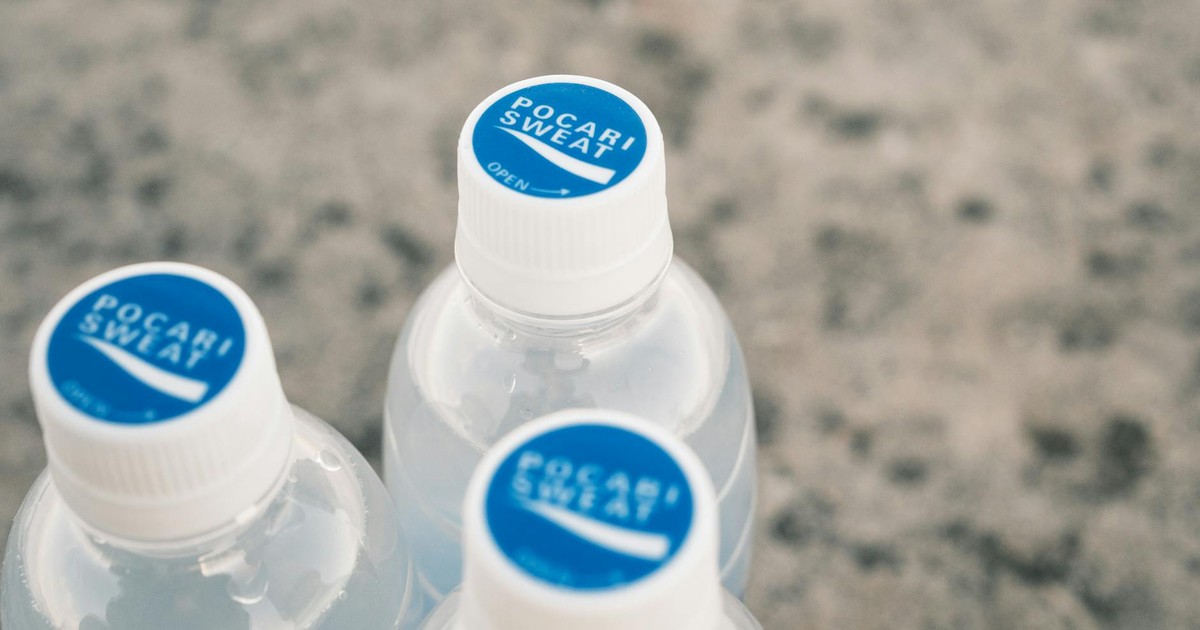
Store-brand sports hydration drinks offered some of the highest savings in the NetCredit study, reaching more than 74% cheaper than national brands at certain retailers. That puts this category at the very top of the list, and the reason makes intuitive sense. Sports drinks are mostly water, electrolytes, and flavoring. The core function doesn’t change based on which brand is printed on the label.
Bottled water and sports drinks prioritize function. Flavor is less important when you’re hydrating first thing in the morning or are thirsty for a post-workout drink. Any extra you pay for the brand name may not be worth it when the store-brand alternative hits the same spot. For anyone buying these regularly – after workouts, for kids’ activities, or as a daily habit – this is one of the fastest savings wins available.
2. Fruity Cereal Loops
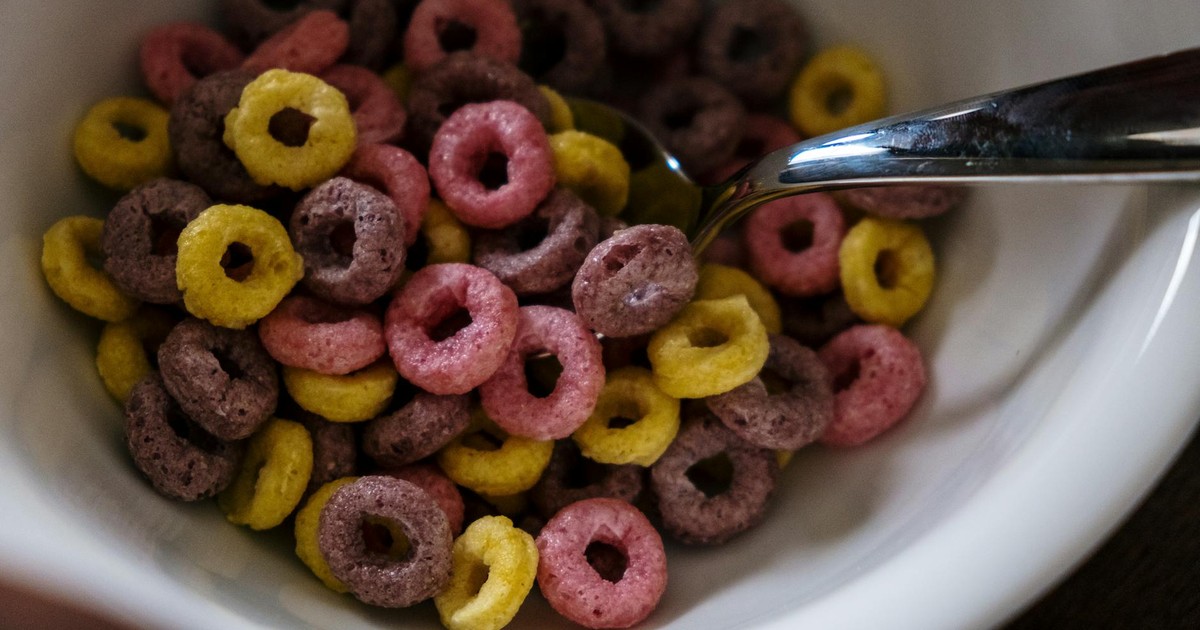
Buying a Froot Loops-style cereal instead of the Froot Loops brand at Walmart can cost you 69.3% less. Nearly 70% savings for what is, nutritionally and texturally, the same sugar-forward breakfast cereal. The colorful loops are the product. The brand name is just the packaging around them.
This is a practical swap for families with kids who eat cereal regularly. If your household goes through a box every two weeks, the annual savings from this single product alone can add up to a meaningful amount. The same logic applies to virtually every major cereal brand on the shelf.
3. Ketchup

Store-brand versions of ketchup are available at Walmart, Kroger, and Target, with average savings of 66.6%. Ketchup is tomatoes, vinegar, sugar, and salt. There’s no proprietary technique that justifies paying two-thirds more for a logo.
This is one of those condiments that typically lives in the fridge for months, used as a background ingredient. Most people couldn’t pick their preferred brand in a blind test. According to the ConsumerAffairs report on the NetCredit findings, ketchup is one of the most consistent performers across all three retailers in the study – making it one of the simplest, most reliable switches on this entire list.
4. Plain Corn Flakes
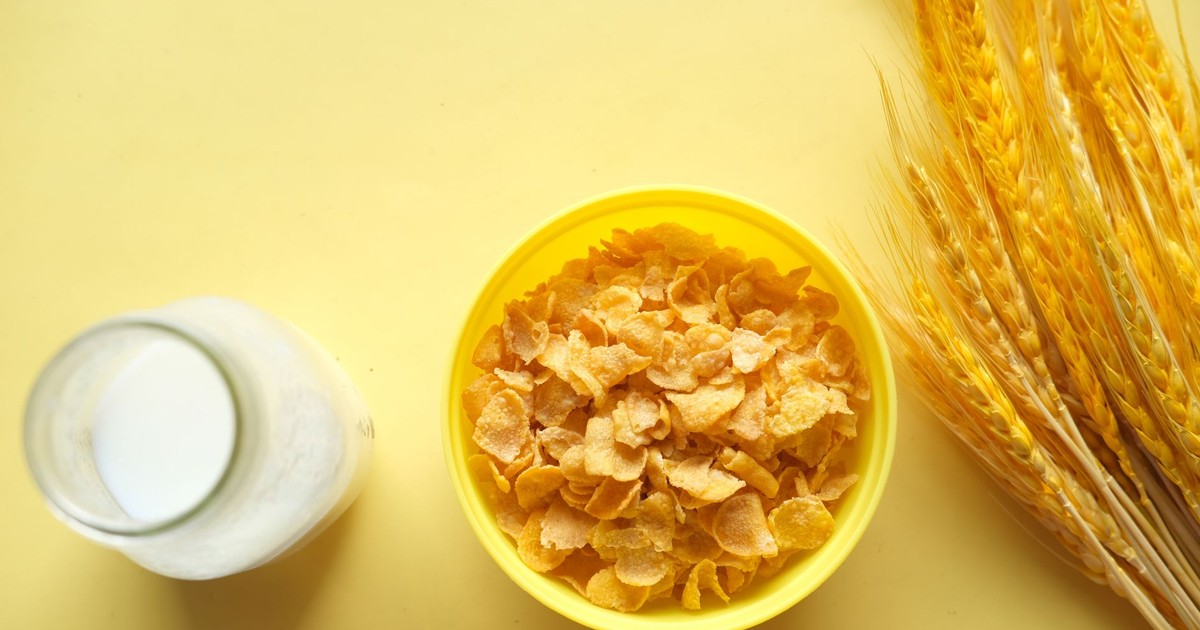
You can save up to 64.2% at Walmart and Kroger when you pick up the generic brand of plain corn flakes. Corn flakes are corn, malt flavoring, and a dusting of vitamins. There’s simply no ingredient complexity here that separates the name brand from the store brand.
A regional price comparison cited in a 2026 AOL review of the NetCredit data found that most of Walmart’s Great Value cereal offerings are cheaper than name brands across the board – and the price per ounce difference is immediately apparent at the register. That’s a real-world example of how these price gaps show up in everyday shopping.
5. Tortilla Chips
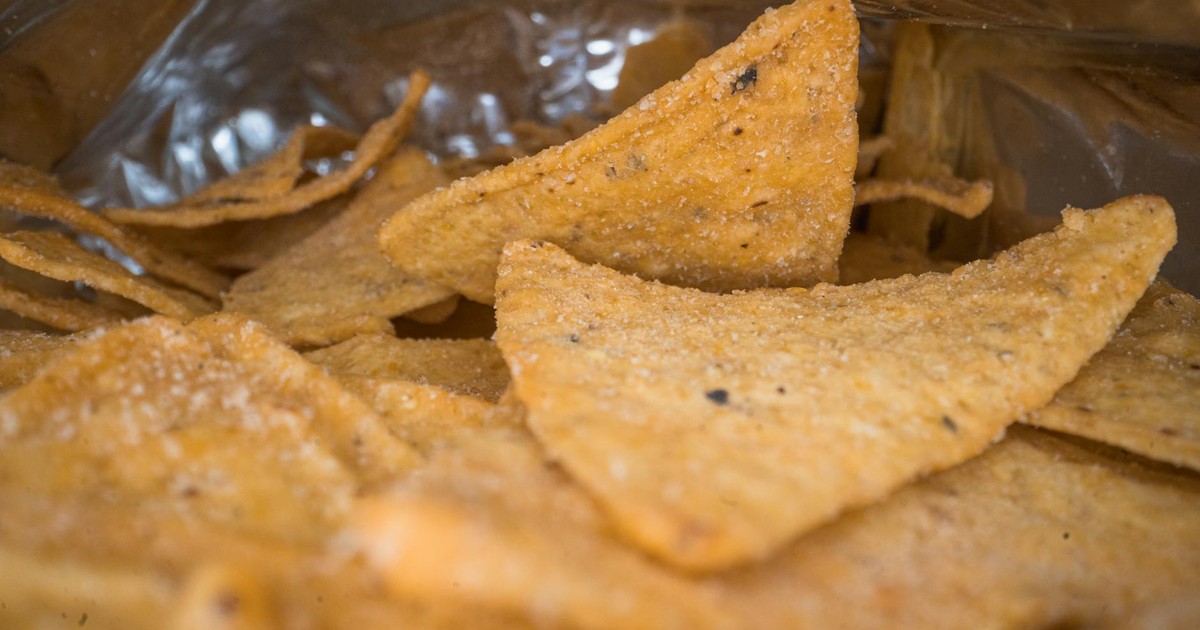
Store-brand chips can save you as much as 62.7%, and real-world price checks back that up: a 17-ounce bag of Tostitos Original Restaurant Style Tortilla Chips costs $5.94 (34.9 cents per ounce), while a 13-ounce bag of Great Value restaurant-style tortilla chips costs $2.17, or 16.7 cents per ounce.
Tortilla chips are masa, oil, and salt. The crunch, the flavor, the texture – these are nearly identical across brands, and multiple taste tests have backed that up. For a household where chips are a weekly purchase, this switch pays off quickly.
6. Gallon of 2% Milk
A gallon of 2% milk can save you 60.8% if you pick up the store brand at Walmart, Kroger, or Target. Milk is a federally regulated product. The fat content, pasteurization standards, and nutritional profile are legally defined. There is no meaningful difference between store-brand 2% milk and a name-brand gallon sitting beside it.
Private-label products already account for more than half of all U.S. dairy milk and cheese sales, according to Consumer Reports. Shoppers who buy milk have quietly been making this switch in huge numbers. If you haven’t already, this is one of the easiest and most impactful swaps on the entire list.
7. Whole Milk
You can also grab store-brand whole milk and save 60.3% at Walmart, Kroger, and Target. The same argument that applies to 2% milk applies here with equal force. Whole milk is a commodity product with standardized fat content and virtually identical nutritional values across brands.
If your household uses both whole milk and 2% regularly – common in homes with young children or coffee drinkers – combining these two swaps compounds the savings quickly. Dairy is one of those categories where the price gap between store brand vs name brand is both wide and consistent.
8. Ranch Dressing

Ranch dressing is a fridge must-have for many households, and picking up the generic brand at Walmart, Kroger, and Target is approximately 59.2% cheaper than opting for the name-brand versions. For a condiment used primarily as a dipping sauce or salad dressing, the ingredient lists are essentially interchangeable.
A 16-ounce bottle of Great Value ranch costs $2.32 (14.5 cents per ounce), while a 16-ounce bottle of Hidden Valley costs $3.97, or 24.8 cents per ounce. The dressing aisle is one of the most brand-loyal sections in the grocery store, mostly because of heavy advertising. Switching here is a quiet win most people won’t even notice at the table.
9. Chocolate Milk

At Walmart and Kroger, chocolate milk is on average 58.8% cheaper when you buy the store brand. Chocolate milk is essentially whole milk with cocoa powder and sugar. The recipe varies marginally between brands, but the difference in taste is negligible for the vast majority of drinkers, especially children.
This is a staple in many households with kids, which means it’s purchased frequently. That frequency is exactly what makes the savings compound. Small differences per gallon, bought week after week, become a real number by the end of the year.
10. Ice Cream Sandwiches

The store brand of ice cream sandwiches can be 56.7% cheaper at Walmart, Kroger, and Target. Ice cream sandwiches are a summer staple and a common freezer item year-round in households with kids. A gallon of Breyers vanilla ice cream is priced at $4.67 (9.7 cents per fluid ounce), while Great Value’s costs $2.97, or 6.2 cents per fluid ounce – showing that the broader ice cream category follows the same pattern. For a how to cut your grocery bill approach that doesn’t sacrifice anything at the table, this is a simple swap.
11. Canned Corn
A can of corn at Walmart, Kroger, and Target is 55.6% cheaper when you pick up the store brand. Canned vegetables are among the most consistent performers in any store-brand analysis because the product is so simple. Corn, water, and sometimes a small amount of salt. There’s no brand mystique that can logically justify a 55% price difference.
A 15-ounce can of Great Value black beans costs 86 cents (or 5.5 cents per ounce), while the same size can of Bush’s Black Beans costs $1.48, which breaks down to 9.9 cents per ounce. If canned vegetables are a regular part of your cooking, the savings here compound fast.
12. 12-Pack Cola Soda
12-packs of cola are 52.1% cheaper when you buy the store-brand version, and the savings stack up further on bottles: a two-liter of Sprite costs $2.97 (4.4 cents per fluid ounce), while a two-liter of Great Value Twist Up Lemon Lime Soda costs just one dollar (1.5 cents per fluid ounce).
This is admittedly a harder swap for brand loyalists, but worth attempting. Many store-brand colas have improved significantly in recent years, and for households using soda primarily as a mixer or buying it for guests, the taste difference is minimal. If soda is a recurring purchase, this is one of the highest-volume categories where switching pays off.
13. Mustard

Store-brand mustard is approximately 51.9% cheaper at Walmart, Kroger, and Target than the name-brand equivalent, according to the same NetCredit price analysis that found shoppers could save roughly 67% on ketchup by choosing a generic version. Mustard is one of the most ingredient-simple condiments on the shelf. Mustard seeds, vinegar, water, and salt. The national brands have built loyalty through decades of advertising, not through a meaningfully different product.
Paired with store-brand ketchup, switching both condiments at once quietly saves over 50% on two products that most households buy several times a year. These aren’t dramatic individual savings, but they add up across the whole cart.
14. French Baguette

In the bakery section of Kroger, you can pick up a French baguette for 50.2% less when you grab the store brand, and bread is one of those high-frequency items where small savings compound quickly because it’s purchased several times a week in many households. Fresh bread is one of those items that shoppers often assume requires a premium brand to taste good. In practice, most store bakery departments source their bread from the same regional suppliers as the branded alternatives.
The bread aisle rewards people who check unit pricing and look past the packaging. A store-brand baguette that’s 50% cheaper and tastes identical is one of the better discoveries for anyone who buys fresh bread weekly.
15. Cheesecake

Kroger’s store-brand cheesecake is 50% cheaper than a comparable name-brand cheesecake, and the pattern fits the broader finding across the study: the most recognizable products are rarely the cheapest option, even when the core ingredients are nearly identical, and perceived quality may not be as big a barrier as it once was. Frozen cheesecake might seem like a luxury item, but for families who buy it for celebrations or weekend desserts, that savings percentage represents real money. The base ingredients are cream cheese, eggs, sugar, and a graham cracker crust – nothing about them is proprietary.
This is a category where blind taste tests tend to produce particularly interesting results. The perceived quality gap between name-brand and store-brand cheesecake rarely survives an actual side-by-side tasting.
16. Mac and Cheese
You could save as much as 49.8% when you choose Great Value boxed mac and cheese over name-brand counterparts. Boxed mac and cheese is a pantry staple in millions of households. It’s pasta and a powdered cheese sauce. The national brands have positioned themselves as comfort food icons, but the functional product is nearly identical across versions. For a product many families buy every single week, this is a consistent saving that adds up meaningfully over a year.
17. Cheddar Cheese
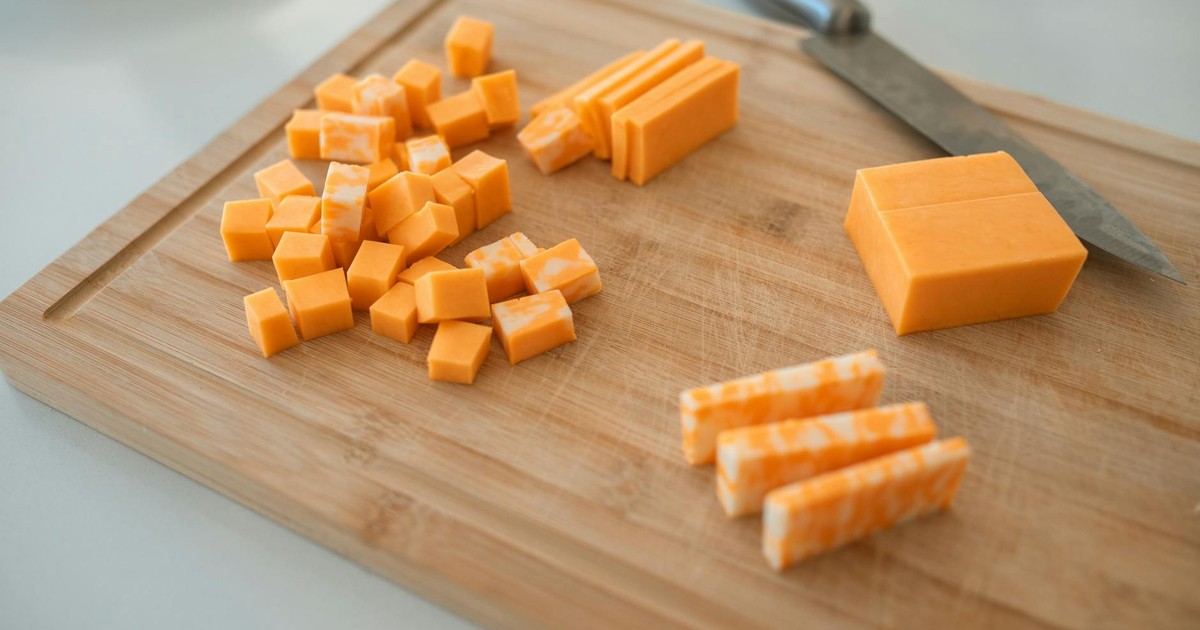
For a brick of cheddar cheese at Walmart, Kroger, and Target, the store brand’s price is on average 49.3% cheaper than the name brand, and private-label products already account for more than half of all U.S. dairy milk and cheese sales, with sliced cheese, cheddar, and cream cheese all showing similarly steep gaps. Cheddar cheese is a standardized product with defined aging processes and fat content requirements. The flavor difference between a store-brand block cheddar and a name-brand equivalent is minimal for most cooking applications.
18. Spaghetti Pasta

A 16-ounce box of Barilla penne costs $1.84 (11.5 cents per ounce), while Great Value penne costs 98 cents for a 16-ounce box (6.1 cents per ounce). Store-brand pasta averages close to 50% less than name-brand versions at the three major retailers studied. Pasta is semolina flour and water, extruded through a die. Both name-brand and store-brand versions at major retailers are standard industrial pasta – there’s no meaningful product difference that justifies the price gap.
For a household that cooks pasta regularly, switching on this single item alone produces grocery savings that accumulate week over week. If you want more ideas for stretching your food budget without compromising nutrition, eating well on a budget is worth exploring.
19. Cheerios-Style Cereal
Skipping the Cheerios brand in favor of the store-brand equivalent saves 47.2% at Walmart, Kroger, and Target. This is a high-volume category because Cheerios is one of the best-selling cereals in the country. Oat-based toasted rings are a product that’s been replicated successfully at the store-brand level for decades.
The nutritional profiles between store-brand and name-brand versions of this cereal are largely identical. For households where this is a daily breakfast staple, the savings over a year are substantial.
20. Potato Chips

A bag of store-brand potato chips is 47.1% less on average than the name-brand options at Walmart, Kroger, and Target. Chips are potatoes, oil, and salt. The real differences between brands come down to cutting thickness, frying temperature, and seasoning – all of which store-brand manufacturers replicate closely.
For snacking purposes, most people adapting their grocery habits report that store-brand chips are indistinguishable after the first two or three tries. The adjustment period is short; the savings are permanent.
21. Powdered Drink Mix
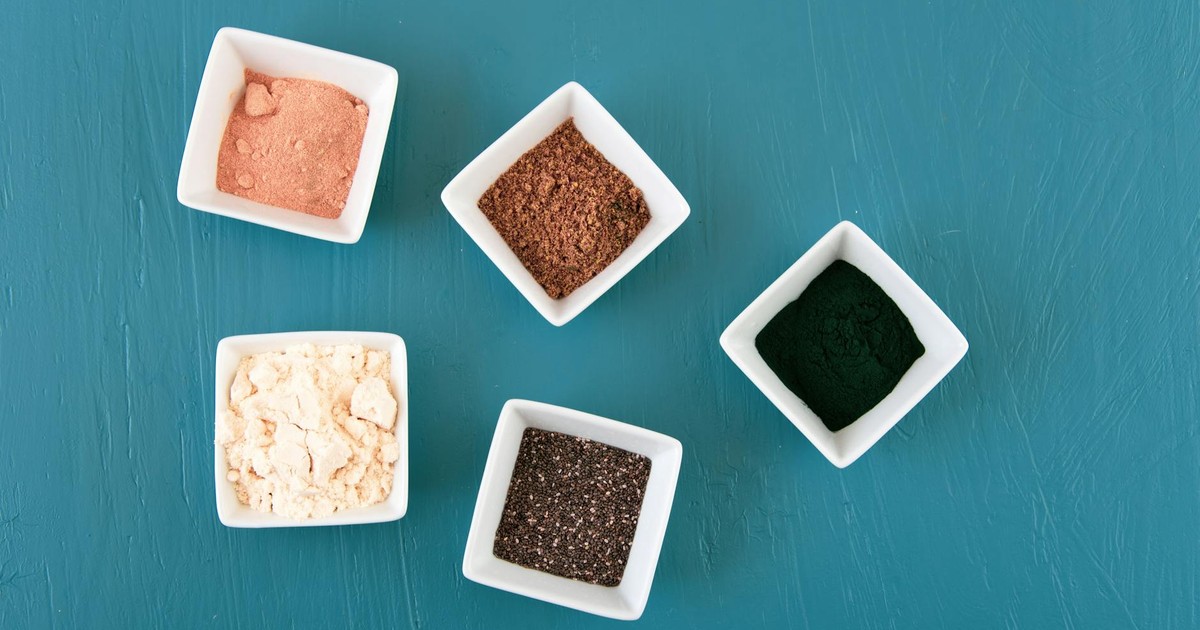
Store-brand powdered drink mixes also ranked among the most budget-friendly substitutions in the NetCredit analysis. These products – typically flavored sugar or sugar-free powder packets dissolved in water – have essentially no complexity that makes a specific brand necessary. The active ingredients are the same, the flavor profiles are nearly identical, and the savings are consistent.
For families who use these mixes for kids’ drinks or as an alternative to bottled beverages, this category represents an easy switch that requires almost no adjustment.
22. Shredded Wheat Cereal

The NetCredit survey found frosted shredded wheat cereal savings of 61.1% when choosing the store brand over national brands. Shredded wheat is one of the most ingredient-minimal cereals available, typically just whole wheat with no added sugar. There’s no justification for paying a name-brand premium on a product where the entire ingredient list is essentially one item.
This is a strong swap for health-conscious shoppers who eat shredded wheat precisely because of its simplicity. The store brand delivers exactly the same simple product at a significantly lower price.
23. Sliced or Block Cheese (Non-Cheddar)
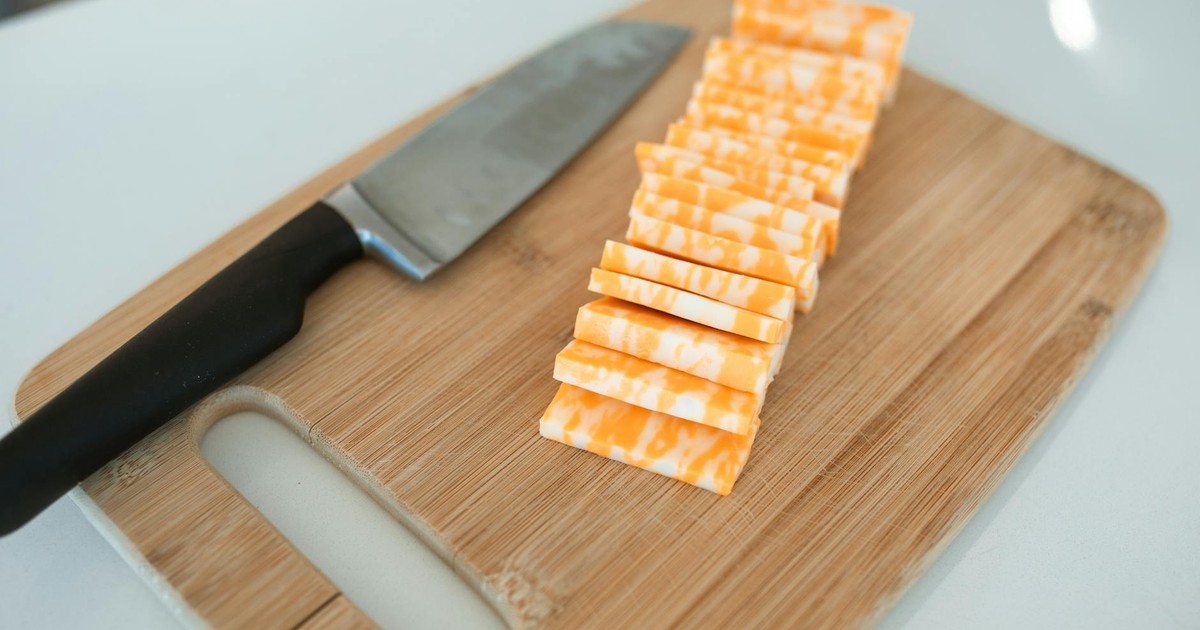
Sliced cheese, cheddar, and cream cheese all show steep price gaps between store brand and name brand. The broader cheese category behaves similarly to the cheddar block – these are regulated dairy products with defined fat content and standardized processes. American slices, mozzarella, and Monterey Jack all fall into this category.
As of March 2026, private-label products accounted for 24% of all U.S. grocery purchases, up from 17.7% at the end of 2021, and private-label dollar sales grew 3.3% last year versus 1.2% for national brands, according to Consumer Reports. The private-label dairy category is mature and well-established, which means quality is consistently high across retailers.
24. Canned Beans (Black, Kidney, Chickpeas)
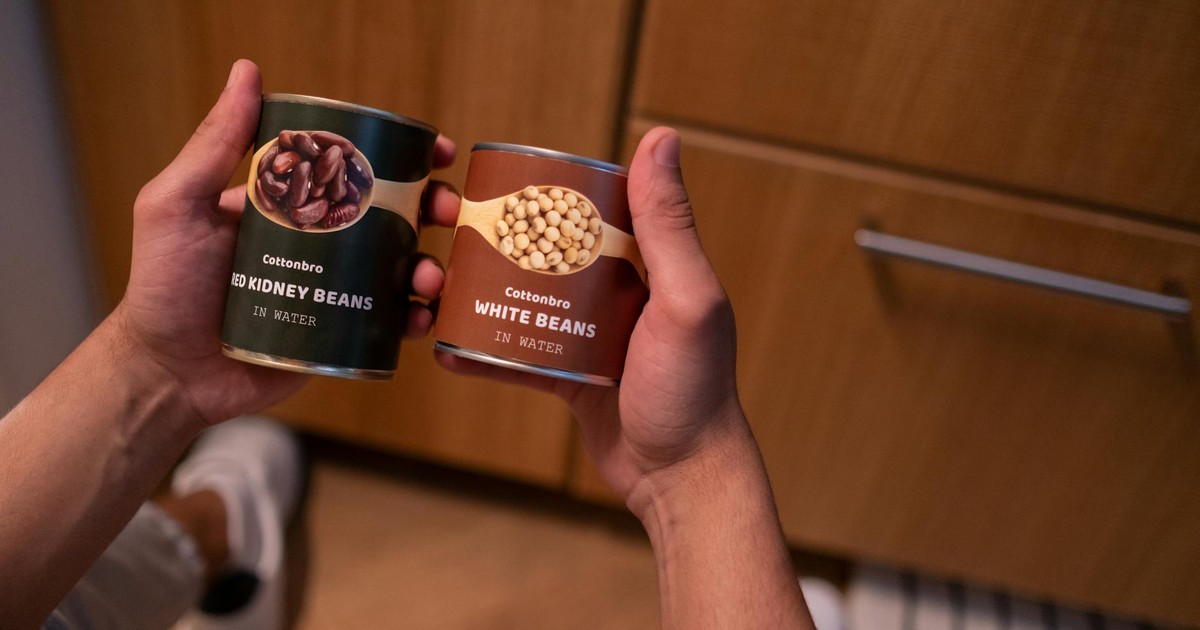
A 15-ounce can of Great Value black beans costs 86 cents (5.5 cents per ounce), while the same size can of Bush’s Black Beans costs $1.48, which breaks down to 9.9 cents per ounce. Canned beans are one of the most nutritionally efficient purchases in the grocery store: high in protein, high in fiber, and extremely affordable at the store-brand price point.
Beans in cans are cooked, sealed, and preserved. The process is identical regardless of who makes them. For anyone cooking plant-forward meals, weekly soups, or batch cooking on a budget, switching to store-brand canned beans is a no-brainer.
Read More: 6 Products You Should Always Buy From Aldi
25. Frozen Vegetables

Store-brand ice cream sandwiches averaged 57% cheaper and frozen vegetables made up roughly two-thirds of all U.S. private-label sales last year – for many households, these are low-differentiation staples, Consumer Reports notes. Frozen vegetables are picked at peak ripeness and flash-frozen. The nutritional content is well-preserved and comparable to fresh in most cases. There is no brand advantage here – the peas are the peas, the broccoli is the broccoli, and the store-brand version is the same product in a less expensive bag.
Read More: How to Eat Healthy on a Budget Without Sacrificing Nutrition
What This Means for Your Grocery Cart
The numbers in this article aren’t theoretical. The 2020s may prove to be the decade in which private label products found their momentum, and that growth is expected to continue in 2026 and beyond as consumers remain focused on finding money-saving options while also having greater trust in retail private brands. U.S. store-brand sales reached $282.8 billion in 2025 – a new record across brick-and-mortar and online supermarkets. This is no longer a fringe shopping habit. It’s how tens of millions of Americans have quietly been managing rising food costs.
The practical takeaway from all of this is simple: you don’t need to go all-in on every category. The researchers behind the NetCredit analysis noted that consumers don’t necessarily need to abandon all of their favorite brands to benefit. Instead, selectively switching frequently purchased staples to store brands may help reduce grocery costs while still allowing shoppers to keep certain name-brand products they prefer. Start with two or three items from your regular cart – the dairy aisle and breakfast cereal section are the easiest entry points – run a real-world test, and build from there. The savings across the 25 items on this list aren’t small. Over the course of a year, they add up to a meaningful reduction in what you spend without changing a single thing about how you eat.
Disclaimer: This information is not intended to be a substitute for professional financial advice, investment advice, tax advice, or legal advice, and is provided for informational purposes only. Always seek the guidance of a qualified financial advisor, accountant, or other licensed professional regarding your personal financial situation or investment decisions. Do not make financial, investment, or tax decisions based solely on information presented here. Past performance is not indicative of future results, and all investments carry risk, including the potential loss of principal.
AI Disclaimer: This article was created with the assistance of AI tools and reviewed by a human editor.
Read More: The Surprising Reason Aldi Charges You to Use Their Shopping Carts