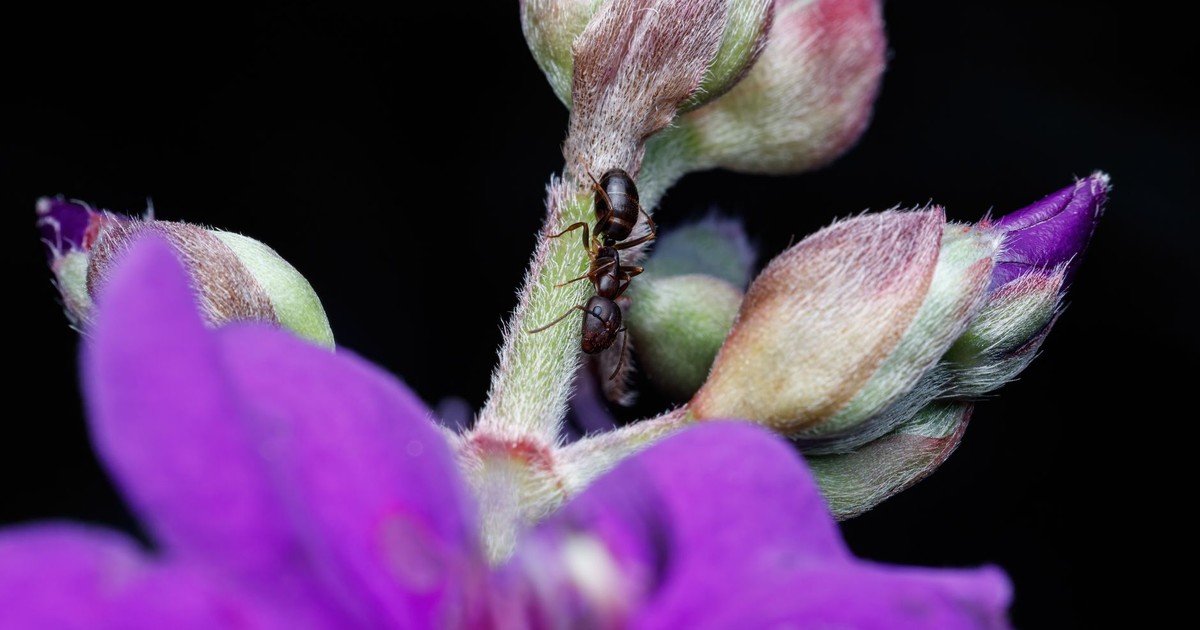

Ants don’t have noses. They “smell” through special receptors on their antennae – microscopic sensors that decode chemical signals with extraordinary precision. That single fact explains why certain scents don’t just bother ants but completely shut down their ability to function. Overwhelm those sensors, and an ant can’t find food, can’t follow a trail, and can’t communicate with its colony.
The scents ants hate work by interfering with those signals at the source. Research published on ScienceDirect found that cinnamon leaf essential oil showed both repellent and insecticidal activity against red imported fire ants, with trans-cinnamaldehyde identified as the dominant active compound. That’s just one example of a much broader pattern: many common household scents, applied correctly, are remarkably effective at making your home inhospitable to ants without a drop of synthetic pesticide.
Ants rely on a sophisticated chemical communication system, using pheromones to navigate, mark trails, locate food, and coordinate with other colony members. Any scent strong enough to mask or mimic those signals throws the entire colony into disarray. Here are seven scents ants avoid consistently, and the science behind each one.
1. Peppermint Oil
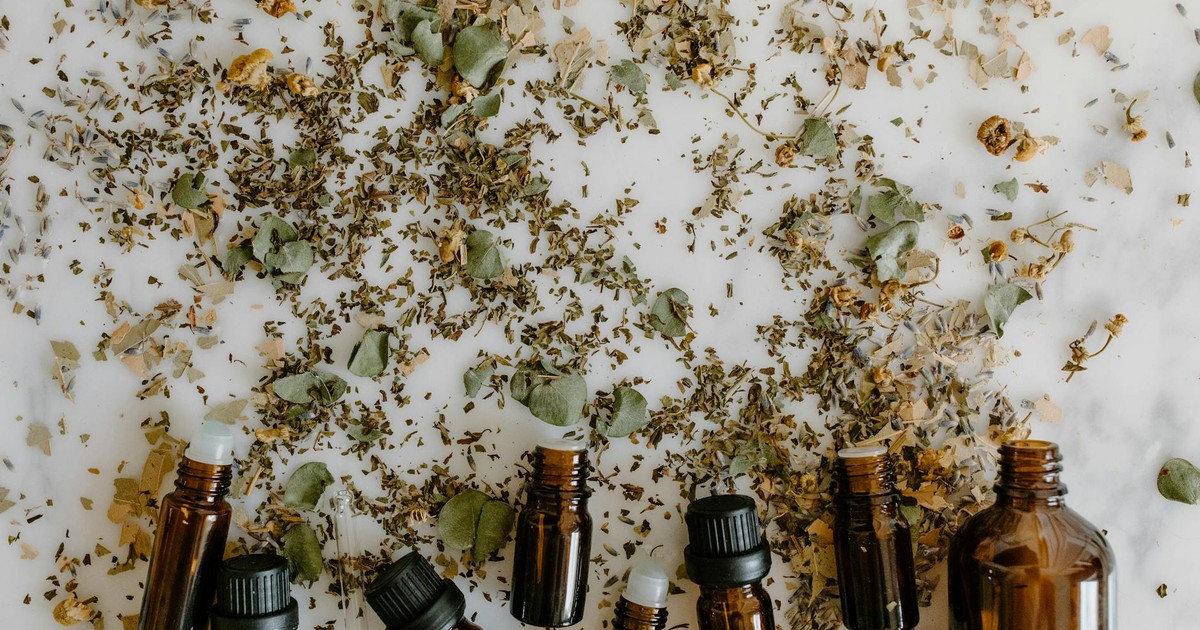
Peppermint oil has been tested as a nest-site repellent against the invasive European red ant in both laboratory and field trials, where a 10% solution repelled colonies from nesting in treated areas compared to water-treated controls. The effect wasn’t short-lived, either. In a 15-week field trial, spearmint and peppermint oils repelled colonies for the entire duration of the experiment.
Peppermint oil works against ants through its chemical properties and its effect on their sensory perception. The oil contains compounds including menthol, menthone, and limonene, which contribute to its strong scent and ant-repellent effects. The scent can mask the pheromone trails ants rely on, making it harder for foragers to follow the path back to food, water, or shelter. Because ants rely so heavily on those scent signals, even a small disruption can scatter activity along an entire trail.
To use it practically, mix 10 to 20 drops of peppermint essential oil with two cups of water in a spray bottle and apply along baseboards, windowsills, and known entry points. Keep peppermint oil out of reach of pets, especially cats, which can become very ill if exposed. Reapply every few days, since the scent fades as the oil evaporates.
2. Cinnamon Oil – One of the Scents Ants Hate Most

A study published in Bioresource Technology – the 2008 paper now indexed on PubMed – found that cinnamon leaf essential oil and its dominant compound, trans-cinnamaldehyde, had an excellent inhibitory effect against the red imported fire ant. The mechanism goes beyond simple scent deterrence. Research suggests that compounds found in cinnamon and clove oils, including cinnamaldehyde and eugenol, can interfere with the octopamine signaling system that insects use to regulate movement, learning, and other behaviors. Scientists believe this disruption may contribute to the disorientation and repellency effects observed in ants and other insects.
Not all cinnamon delivers the same result. Standard culinary cinnamon is generally not potent enough to effectively deter ants. Cinnamon essential oil is far more concentrated than the powder sitting in a spice rack, and that concentration is what matters. According to Qualitex Global, cinnamon oil may repel over 80% of ants within a six-hour period when applied in concentrated form, though its effectiveness diminishes over time and requires reapplication.
Mix 10 to 15 drops of cinnamon essential oil with one cup of water and a small amount of liquid dish soap to help the oil disperse, then spray directly onto ant trails and entry points. Reapply every 12 to 24 hours.
3. Clove Oil
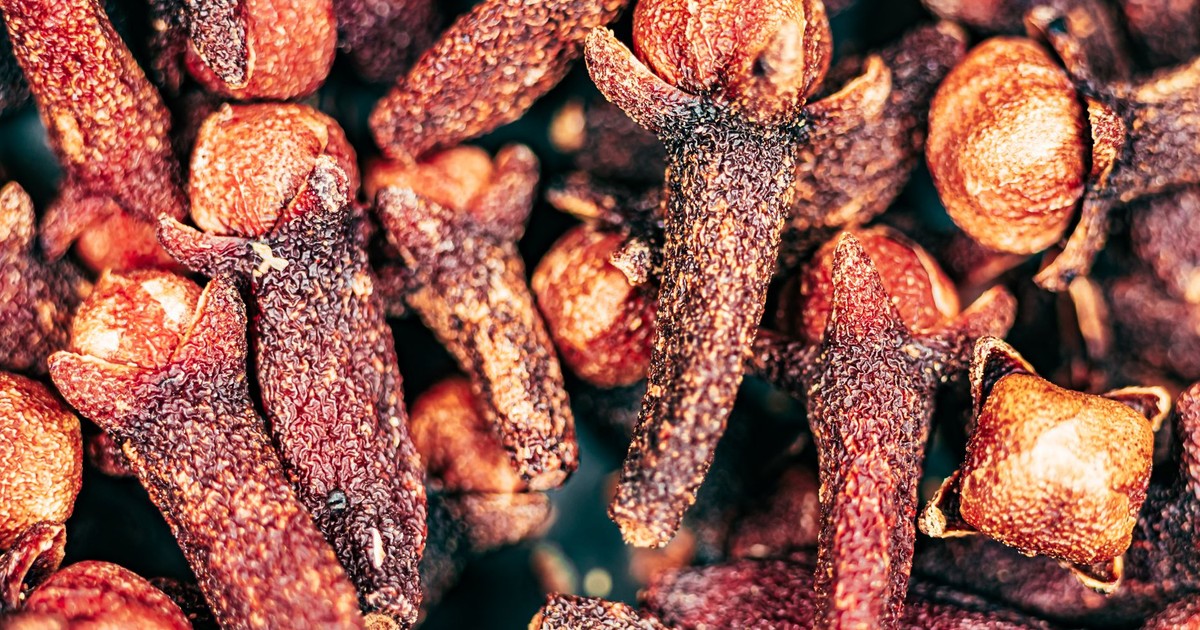
Clove oil is one of the more potent options on this list, and the research numbers back that up. Clove oil contains eugenol, a compound used in commercial pest control products. It works well near cracks or where ants congregate, though because of its potency it should be used sparingly and well diluted.
The repellency data is striking. Research cited by Pest Pointers found that clove powder achieved a 99% repellency effect on ants after just three hours of application, according to findings published in the Journal of Economic Entomology. That’s a remarkable figure for a natural deterrent. And clove oil in liquid form performs comparably to many industrial products: eugenol is a compound used in some pest control products, and data reported by Yahoo Lifestyle suggests clove oil achieves around 88% effectiveness compared to industrial ant repellent at 97%.
Because eugenol is so concentrated in clove oil, always dilute it with a carrier such as water or a neutral oil before applying. A few drops on cotton balls placed near entry cracks is enough. Avoid using it on surfaces where food is prepared without thorough wiping afterward.
4. Lavender Oil

Lavender’s reputation as a gentle, pleasant-smelling oil might suggest it would barely register with ants. The opposite is true. Lavender is generally considered an effective natural repellent for ants, primarily due to the strong scent of the compounds found in its essential oil, particularly linalool.
The primary active compounds in lavender, linalool and linalyl acetate, are known to be irritating to the olfactory systems of many crawling insects including ants. Linalool, in particular, has been extensively studied for its insecticidal and repellent properties against various pests. The EPA has even registered linalool as an active ingredient in some biopesticides for indoor and outdoor use against fleas, mites, spiders, ticks, and mosquitoes.
According to Plantin, lavender oil achieves an 89% repellency rate against Argentine ants and maintains effectiveness for up to six hours after application. Lavender is a particularly good choice for pantries and bedrooms where you don’t want a harsh chemical or vinegar smell. Soak cotton balls in diluted lavender oil and place them at entry points, or add 10 drops to a spray bottle of water and apply to window frames and door thresholds.
5. White Vinegar
Vinegar works on a different principle than essential oils. Rather than overwhelming ants’ sensors with an alien scent, it directly destroys the chemical infrastructure they depend on. As noted by EarthKind, ants avoid vinegar because it erases their pheromone trails and confuses their sense of direction entirely.
Ants rely on chemical pheromone signals to mark trails, locate food sources, and coordinate with other colony members. A surface wiped down with a 50/50 mix of white vinegar and water removes those signals completely, forcing any trailing ant to stop and recalibrate. The problem is that the scent of fresh vinegar doesn’t linger long once dry, so reapplication after cleaning is important.
Spray the solution directly onto countertops, floors along baseboards, and any surface where you’ve seen ant traffic. Wipe with a cloth to physically remove trail pheromones, then leave a thin layer of the solution to dry in place. The acetic acid smell dissipates within minutes for humans but continues disrupting ant navigation for considerably longer.
6. Tea Tree Oil

Tea tree oil has strong ant-repelling qualities due to its potent composition. Its effectiveness comes from unique compounds that discourage ants, making it a powerful choice for keeping them at bay. Laboratory and field data published on ResearchGate from a 2019 study found that concentrations of both 1% and 10% tea tree oil repelled ants, suggesting the oil is effective even at relatively low dilutions. That 2019 study remains the most directly targeted research on tea tree oil and ant repellency published to date.
Tea tree oil’s pungent, medicinal smell breaks up ant trails effectively. A few drops mixed with water in a spray bottle and applied to suspected entry points like crevices or doorways is a straightforward application. One practical caution: tea tree oil is toxic to dogs and cats if ingested or absorbed through the skin in sufficient quantities. In homes with pets, apply it only to areas animals cannot reach, and allow it to dry fully before anyone re-enters the room.
7. Citrus Oil (Lemon, Orange, Lemongrass)

Citrus oils earn their place on this list through a specific compound that does more than just repel. Citrus oils, including orange and lemongrass, contain d-limonene, which Alliance Chemical says kills fire ants on contact by disrupting octopamine signaling in the insect nervous system. Lemongrass also masks trails that ants leave thanks to a high citronella content. Again, according to Alliance Chemical, d-limonene disrupts pheromone trail communication by overwhelming the chemical signals ants use to coordinate, making citrus oils one of the few natural options that can both repel and kill rather than just redirect.
Lemongrass essential oil also disrupts ants’ ability to detect food through scent, with citronellal compounds overstimulating ants’ nervous systems, according to Colin Can Help. That double action – trail disruption combined with a contact-active compound – makes it one of the more versatile natural tools available. Note that some citrus oils can cause photosensitivity on skin, so avoid applying them to exposed skin before going outdoors.
For home use, combine 10 drops of lemon or orange essential oil with one cup of water and a small squirt of dish soap. Spray onto ant-prone surfaces, windowsills, and the exterior cracks where ants enter. Lemongrass oil can also be diffused indoors to create a broader scent barrier, particularly in kitchen areas where foraging ants are most active.
Read More: 8 Plants That Repel Mice, Spiders, and Other Insects
What to Do Now
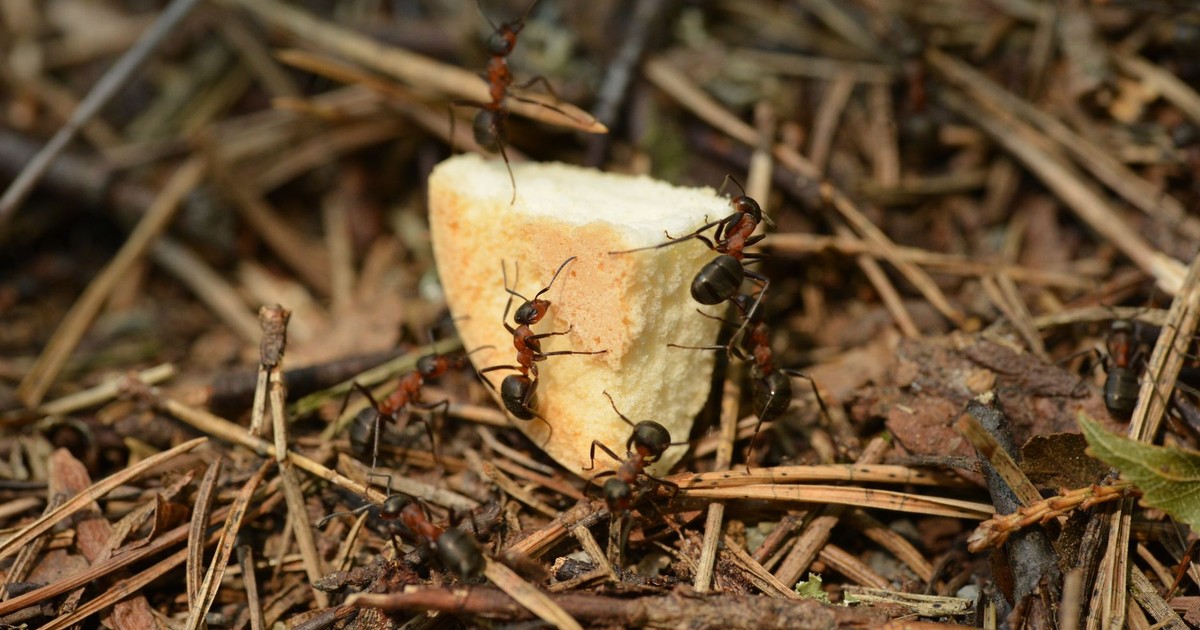
The seven scents ants hate most share a common mechanism: they interfere with the chemical signals ants need to navigate, communicate, and survive. Peppermint, cinnamon, and tea tree oils work by overwhelming pheromone trails. Clove and citrus oils go further, with compounds that damage the nervous systems on contact. Lavender and vinegar round out a toolkit that covers nearly every room in the house, at varying levels of intensity.
Essential oils tend to work best as part of a broader ant-control plan, not as a standalone fix. That means sealing cracks where ants enter, eliminating food residue on surfaces, and combining two or three of these scents strategically rather than relying on any single one. Start at the entry points, work inward, and reapply every 24 to 48 hours while an infestation is active. Once the trail is broken and no new scouts are reinforcing it, the colony loses interest quickly.
If you’re choosing just one to start, clove oil and cinnamon oil offer the highest documented repellency rates at reasonable concentrations. Peppermint oil is the most widely studied and the easiest to find. Any of the seven will outperform doing nothing, and all of them leave your home smelling considerably better than a chemical spray.
AI Disclaimer: This article was created with the assistance of AI tools and reviewed by a human editor.
Read More: If You See These Insects in Your Yard, Get Rid of Them Immediately