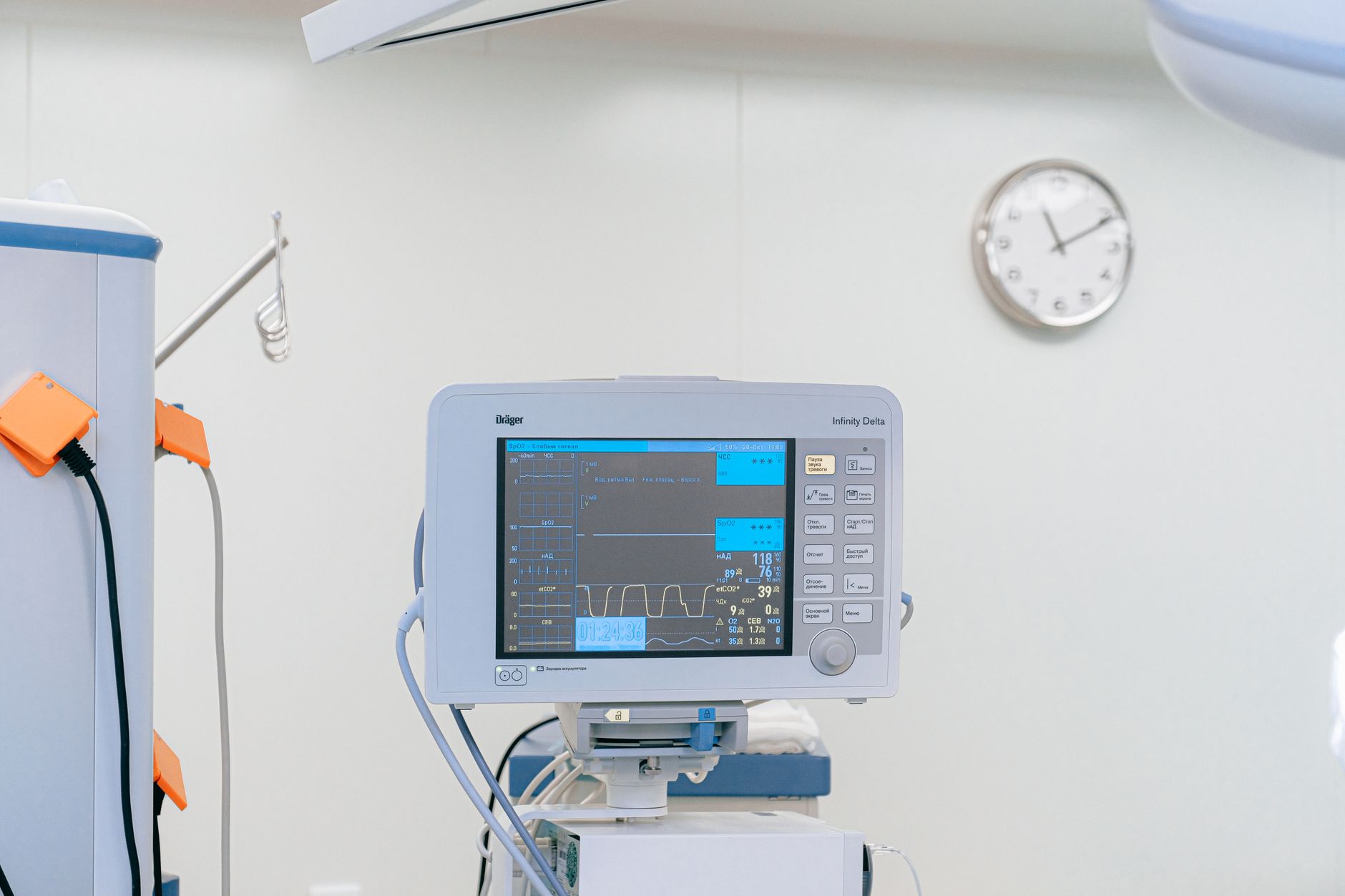

A routine cardiac MRI taken before any cancer diagnosis can predict whether a patient will develop breast or colorectal cancer years into the future. That finding, from a study published in June 2026, upends a foundational assumption in medicine: that a cardiologist’s job ends where an oncologist’s begins.
Specific, measurable changes in heart structure – things that cardiologists already look for when screening for heart failure – appear to be quietly signaling the biological conditions under which tumors take hold. “This study suggests that structural and functional changes in the heart may occur alongside, or even before, biological processes linked to cancer development,” said Dr. Xinjiang Cai, a UCLA Health cardiologist and physician-scientist and lead author of the study. The implication is straightforward: the heart may be a window into cancer risk, visible years before a tumor ever appears.
Multiple large, long-running population studies – two of them led by the same UCLA research group – all point toward the same conclusion. A new study led by UCLA Health physician-scientists suggests that subtle changes in heart structure and function may signal an increased risk for developing certain cancers years later, with findings published in the Journal of the American Heart Association that could eventually help physicians identify patients who may benefit from earlier prevention strategies aimed at both cardiovascular disease and cancer. Simultaneously, a separate but parallel line of research from the same cohort found that standard blood tests for heart stress carry similar predictive information. Two entirely different methodologies. The same conclusion.
The MESA Cohort: 18 Years of Evidence on Heart Disease Cancer Risk
The research drew on data from 6,244 participants in the Multi-Ethnic Study of Atherosclerosis (MESA), a National Heart, Lung, and Blood Institute-sponsored prospective cohort study of adults aged 45 to 84 years, all of whom were free of self-reported cancer and cardiovascular disease at baseline. Incident cancer was identified using International Classification of Diseases codes from hospitalization records. The median age of participants was 61.0 years, with 52.7% being female.
MESA is one of the most rigorously designed cardiovascular cohorts in the United States, following participants across multiple ethnic groups over decades. Over a median follow-up period of 17.8 years, there were 820 incident cancer events, with an incidence rate of 91.2 cases per 10,000 person-years. That follow-up depth is what makes the findings credible: researchers weren’t working with a short-term snapshot but with nearly two decades of longitudinal data in a population that entered the study entirely free of both diseases.
The 2026 study centers on cardiac remodeling – small, early changes in the heart’s structure and the way it moves, the kind that take hold long before a person feels sick. These changes usually go unnoticed at a routine checkup. To detect them, the research team used a tool far more precise than a standard echocardiogram.
What Cardiac MRI Reveals That Standard Tests Miss
The study used advanced cardiac MRI to directly measure subtle structural and functional changes in the heart. This technology maps the heart’s muscle and chambers with a level of precision that conventional ultrasound-based tests cannot match, allowing researchers to quantify properties like left ventricular mass and atrial strain that are invisible on a basic electrocardiogram or physical exam.
Two specific measurements emerged as predictive of future cancer risk. Higher left ventricular mass index was associated with increased breast cancer risk after adjusting for traditional cardiovascular risk factors, according to the UCLA Health findings. The authors cautioned that additional research is needed to validate the findings in other large population cohorts and to better understand the biological mechanisms linking early heart disease and cancer development.
The second measurement involved the left atrium, the upper-left chamber of the heart responsible for receiving oxygen-rich blood from the lungs. Dr. Cai noted that “imaging markers already used to identify people at risk for cardiovascular disease, including heart failure, may also help identify people at elevated risk for cancer.” Specifically, reduced peak left atrial strain – a measure of how well the left atrium contracts and relaxes – was strongly predictive of colorectal cancer risk. Both of these measurements are already part of standard cardiology practice; the discovery is that their implications extend well beyond the heart.
Cardiac Biomarkers: The Blood Test Signal
The structural MRI findings don’t stand alone. A parallel arm of the same UCLA-led research effort, published in 2025 in JACC: Advances, examined whether standard blood-based cardiac biomarkers carry comparable predictive information about future cancer risk – and found that they do.
The study found that very small elevations in two cardiac biomarkers – high-sensitivity cardiac troponin T (hs-cTnT) and N-terminal pro-B-type natriuretic peptide (NT-proBNP) – are strong and independent predictors of overall cancer risk, with a higher incidence in specific types of cancer.
To translate those terms: hs-cTnT is a protein released into the bloodstream when heart muscle cells are under stress or dying; NT-proBNP is a hormone the heart secretes when it is under pressure. Both are already drawn routinely in cardiology clinics to assess patients for heart failure risk. Dr. Cai described the significance of the finding directly: “In asymptomatic individuals without clinical CVD or cancer at baseline, very small elevations in circulating cardiac biomarkers – specifically hs-cTnT and NT-proBNP – are strong, independent predictors of future incident cancer. Importantly, these associations remain significant after adjusting for traditional CV risk factors, including smoking, hypertension, diabetes and hyperlipidemia.”
The cancer-type specificity is notable. While elevated baseline levels of both hs-cTnT and NT-proBNP were associated with an increased risk of colorectal cancer, NT-proBNP alone was also linked to a higher risk of developing lung cancer. That divergence suggests that different markers may be picking up on different biological signals, rather than acting as a single undifferentiated alarm for general systemic disease.
The JACC: Advances research found that higher baseline levels of hs-cTnT and NT-proBNP were strong predictors of an increased risk of incident cancer events, with no significant differences between sex and ethnicity. That last point matters clinically: the predictive signal holds across demographic groups, which means the findings are not confined to any particular population subgroup.
The Confirmatory Evidence From Europe
The MESA findings don’t exist in isolation. In participants in the PREVEND cohort – a longitudinal European study based in Groningen, the Netherlands, tracking over 8,500 adults for cardiovascular and renal outcomes – elevated baseline levels of hs-cTnT and NT-proBNP were associated with increased risk of both all-cause and colorectal cancer over a median follow-up period of 11.5 years. Independent replication in a geographically and demographically distinct cohort substantially strengthens the case that this is a real biological phenomenon, not an artifact of one study’s methodology.
The Biological Bridge: Why Heart and Cancer Share a Signal
Chronic inflammation, oxidative stress, and disordered fatty acid metabolism are common biological processes for cardiovascular disease and cancer. The inflammatory cells and signaling molecules associated with chronic inflammation can increase the probability of patients developing both cardiovascular disease and tumors.
These findings have driven the emergence of a field termed reverse cardio-oncology, which investigates the impact of cardiovascular disease pathophysiology on cancer emergence and progression. For decades, cardio-oncology focused on how cancer treatments damage the heart. Reverse cardio-oncology asks the prior question – whether a diseased or stressed heart actively contributes to cancer development in the first place.
Apart from epidemiological association, shared biological mechanisms and risk factors may explain the link between cardiovascular disease and cancer. Among the pathways of interest are inflammation, clonal hematopoiesis, and hypoxia, as well as circulating microRNAs, extracellular vesicles, and mediators of cardiac origin. Clonal hematopoiesis, in particular, deserves attention: it refers to the gradual accumulation of genetic mutations in blood-forming stem cells, a process that simultaneously drives cardiovascular inflammation and raises cancer risk. It is one of the clearest molecular threads connecting the two diseases at a mechanistic level.
Metabolic reprogramming can drive disease progression in both conditions, with cardiometabolic syndrome – marked by obesity, insulin resistance, dyslipidemia, and hypertension – contributing to cancer development. Research links around 20% of cancer cases to obesity, while elevated glucose and triglyceride levels increase the risk of liver, thyroid, and respiratory cancers.
CKM Syndrome: A Population-Scale Amplifier of Heart Disease Cancer Risk
The individual biomarker and imaging findings sit within a broader epidemiological pattern that became significantly clearer in 2026. Research published in Circulation: Population Health and Outcomes examined how the severity of cardiovascular-kidney-metabolic (CKM) syndrome tracks with cancer risk across a massive population sample.
CKM syndrome refers to the interconnected cluster of conditions – heart disease, kidney disease, obesity, and diabetes – that tend to co-occur and amplify each other’s damage. Later stages of CKM syndrome were linked with a 25-30% higher risk of cancer in a study of nearly 1.4 million adults, according to research published in April 2026 in Circulation: Population Health and Outcomes.
According to the American Heart Association newsroom, risk factors including high blood pressure, abnormal cholesterol, high blood glucose, excess weight, and reduced kidney function make up CKM syndrome. “The study findings suggest that it is important to consider not only cardiovascular disease risk, but also cancer risk in people with CKM syndrome,” said Hidehiro Kaneko, MD, PhD, the study’s lead author and associate professor in the department of cardiovascular medicine at the University of Tokyo.
The scale of CKM syndrome’s prevalence makes this clinically urgent. Nearly every major organ system is affected by CKM syndrome, linking it to kidney failure, dementia, fatty liver disease, obstructive sleep apnea, and increased risk for cancer.
In June 2026, the American Heart Association and American College of Cardiology issued the first-ever clinical guideline for CKM syndrome management, formalizing its status as a distinct and serious condition requiring coordinated clinical attention.
The Bidirectional Burden: Cancer Patients and Cardiovascular Death
The relationship between heart disease and cancer isn’t unidirectional. Patients who already have cancer face markedly elevated cardiovascular mortality – a fact that further underscores why the two specialties can no longer operate in clinical silos.
Clinical data suggest that cancer patients have an increased likelihood of developing cardiovascular disease, while epidemiological studies have shown that patients with cardiovascular disease are also more likely to develop cancer. That bidirectionality has been documented across multiple population cohorts and is no longer seriously disputed in the scientific literature.
Cancer and cardiovascular disease share many common risk factors, both modifiable ones such as obesity, diabetes, and smoking, and non-modifiable factors such as inflammation. Additionally, some cancer therapies are associated with cardiac toxicity. Anthracyclines, used in breast cancer treatment, and some targeted immunotherapies can damage heart muscle directly – meaning that even patients who survive cancer may emerge with significantly impaired cardiac function.
Although cancer and cardiovascular disease are typically managed along separate clinical pathways, their interaction is increasingly recognized. Cancer therapies can accelerate cardiovascular injury, while underlying vascular disease may limit treatment options or increase the risk of toxicity.
What to Do With This Information Now
The research reviewed here converges on a single practical conclusion: cardiac health assessments already performed in clinical settings carry information about cancer risk that is currently being discarded. Two distinct technologies – advanced cardiac MRI measuring structural remodeling, and standard blood-based cardiac biomarker panels – both independently predict elevated cancer risk years before any tumor is detectable.
Imaging markers already used to identify people at risk for cardiovascular disease, including heart failure, may also help identify people at elevated risk for cancer, though additional research is needed to validate the findings in other large population cohorts and to better understand the underlying biological mechanisms. That caveat is important: this body of work is observational, drawn from population cohorts rather than clinical trials, and does not yet establish that modifying cardiac biomarker levels will reduce cancer incidence. The finding is predictive, not yet proven to be causal.
For patients, the most immediate implication is to take cardiac risk markers seriously even when they fall below clinical thresholds for heart disease diagnosis. The associations between elevated biomarkers and cancer remain significant after adjusting for traditional cardiovascular risk factors, including smoking, hypertension, diabetes, and hyperlipidemia – meaning these are not simply proxies for lifestyle factors already known to raise cancer risk. A mildly elevated NT-proBNP or hs-cTnT in an otherwise asymptomatic patient may warrant closer oncologic surveillance, not just a cardiology follow-up. If you have been told your cardiac markers are “slightly elevated” but your heart is otherwise fine, ask your doctor whether that finding should be factored into your cancer screening timeline.
“These findings can help bridge the knowledge gap at the intersection of preventive cardiology and oncology and can lead to better risk prediction and prevention strategies for both diseases,” Dr. Cai said. The clinical infrastructure for that kind of integrated risk assessment doesn’t yet exist at scale, but the scientific case for building it is now substantially stronger than it was even two years ago. Cardiology and oncology are converging – and the heart, it turns out, may be one of medicine’s most underutilized early-warning systems.
Disclaimer: This information is not intended to be a substitute for professional medical advice, diagnosis, or treatment and is for information only. Always seek the advice of your physician or another qualified health provider with any questions about your medical condition and/or current medication. Do not disregard professional medical advice or delay seeking advice or treatment because of something you have read here.
AI Disclaimer: This article was created with the assistance of AI tools and reviewed by a human editor.
Read More: 99% of Heart Attacks and Strokes Share These 4 Risk Factors