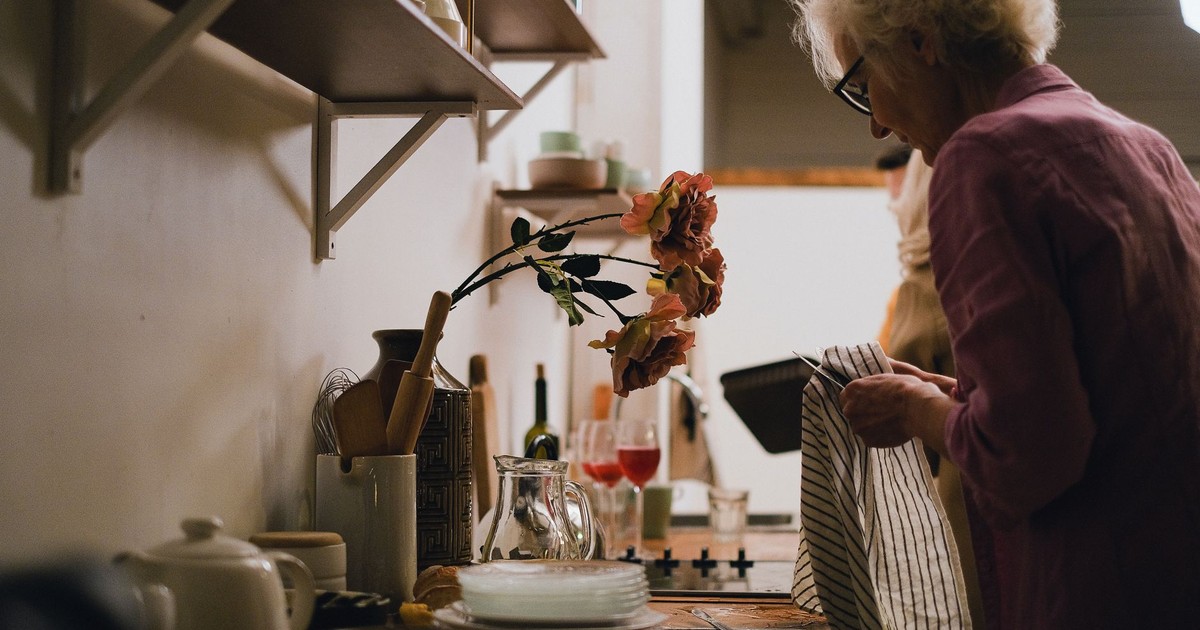

Six percent of adults over 70 have hoarding disorder – three times the rate seen in the general population. Yet the risks that come with holding onto too much aren’t just a matter of mess or stress. For people in their 70s, an overcrowded home has been directly linked to fire, falls, poor air quality, and a measurable rise in the stress hormone cortisol. The things cluttering the average home at 70 aren’t just inconvenient. Some of them are genuinely dangerous.
That connection between physical space and physical risk runs deeper than most people expect. By reducing clutter and simplifying possessions, seniors can reduce their risk of falls, lower stress levels, and even improve sleep. Those aren’t abstract benefits – they’re outcomes backed by injury statistics and public health data. The average 70-year-old home contains decades of accumulated items: medications from old prescriptions, paperwork from businesses long since closed, tools for hobbies abandoned years ago.
Deciding which things to declutter at 70 matters more than the act of decluttering itself. Starting with the wrong category means the most hazardous items stay longest. The 10 categories below pose the greatest compound risk – to safety, health, mental clarity, and independence – and each one comes with a specific, verifiable reason for letting it go.
1. Expired and Unused Medications

Many seniors are surprised by how many expired medications are tucked away in bathroom cabinets and drawers. Old prescriptions can create confusion, especially when multiple medications have similar names or packaging. That confusion has real consequences. Unused medications can fall into the wrong hands, leading to accidental poisoning or misuse – a risk that increases when grandchildren or caregivers are regularly in the home.
The FDA recommends against keeping medications past their expiration date, as potency degrades and some compounds can become chemically unstable. Rather than flushing old pills, the safer option is disposal at an authorized site. The DEA’s National Prescription Drug Take Back Day provides safe, anonymous disposal at approximately 4,000 sites nationwide, held twice a year in April and October – with year-round drop-off available at over 16,500 pharmacies and hospitals.
Do a full sweep of your medicine cabinet, bathroom drawers, nightstand, and kitchen. Anything expired, discontinued, or prescribed to someone else goes. Keep only current prescriptions, clearly labeled, in a single location.
2. Loose Rugs and Floor Clutter
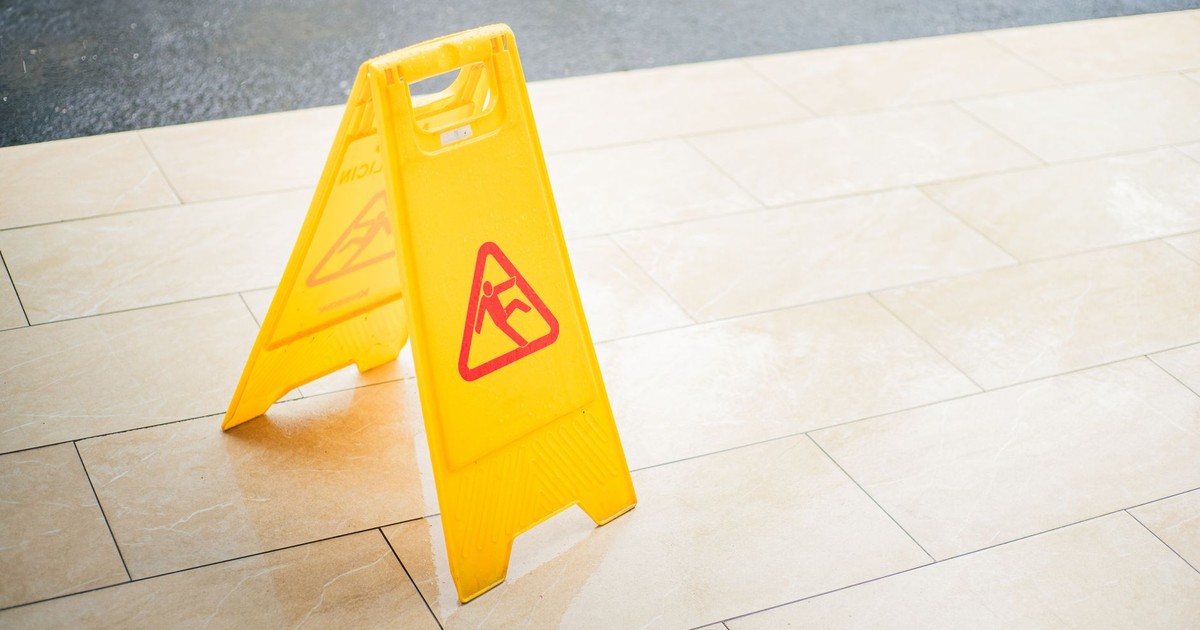
More than one in four older adults report falling each year, and most of those falls happen inside the home. Every 11 seconds, an older adult is treated in an emergency room for a fall-related injury. Falls cost the healthcare system over $50 billion annually and are the primary cause of injury among adults 65 and older.
Hazards in the home, including clutter, can cause falls. Loose rugs are among the most common culprits. They shift underfoot, curl at the edges, and catch on walkers or canes. If a rug can’t be secured with non-slip backing and floor tape on every edge, it needs to go.
Clear walking paths between every room used regularly – bedroom to bathroom especially. Clutter can block walkways and exits, create trip hazards from loose items and cords, make bathrooms harder to navigate safely, and reduce access to grab bars, handrails, and lighting. According to the ADA Standards for Accessible Design, 36 inches of clear floor space is the minimum recommended for walkers and wheelchairs to pass safely through a space.
3. Stacks of Old Paperwork
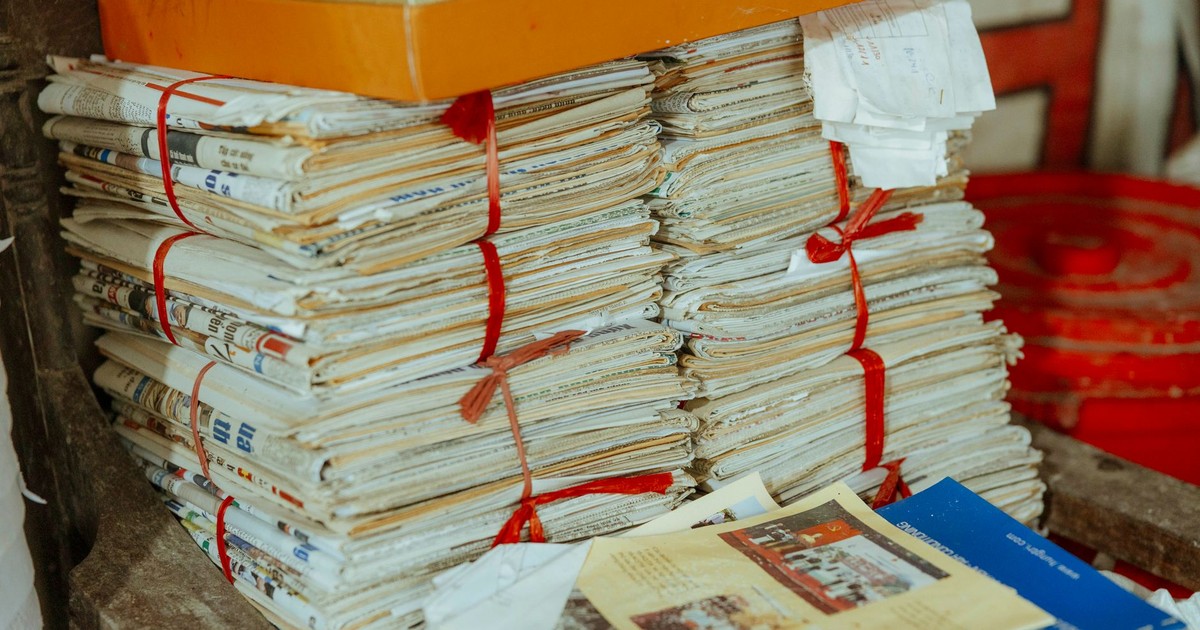
One of the easiest places to begin decluttering for seniors is with stacks of old paperwork. Tax records, utility bills, and financial statements often accumulate in filing cabinets and boxes for decades. While some documents should be retained for legal or financial purposes, many can be securely shredded after their recommended retention period expires.
The IRS generally recommends keeping tax returns for three years from the filing date – the standard window for an audit – or seven years if you filed a claim for a loss from a bad debt or worthless securities. Pay stubs, utility bills, and bank statements older than a year can typically go. Reducing paper clutter makes it easier to locate important records during emergencies and lowers the risk of identity theft by eliminating sensitive documents you no longer need.
Invest in a cross-cut shredder and work through one box at a time. Digital scanning is worth considering for anything you want to preserve but don’t need in physical form. Keep a clearly labeled folder for essential documents – Social Security card, Medicare information, insurance policies, and a current will.
4. Furniture You Navigate Around
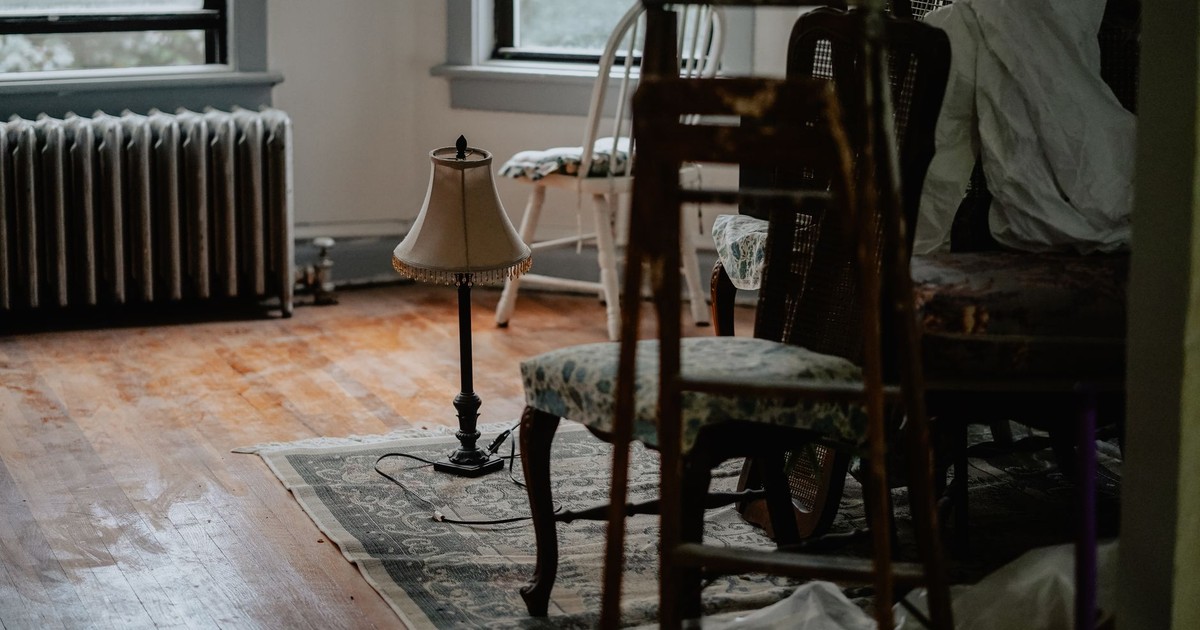
Most homes in the 70s are still arranged the way they were in the 50s – which means furniture layouts designed for a household of four, not for someone who now uses a cane or moves more carefully at 2 a.m. Extra side tables, footstools, and decorative chairs become fixed obstacles over time. Removing outdated décor, unused electronics, and simplifying furniture arrangements to create clear, open pathways directly supports daily safety.
Home modifications that support independence reduce the physical effort required for daily activities. That includes rethinking furniture placement as much as it does adding grab bars. A living room with two chairs instead of four is easier to clean, easier to move through, and looks less chaotic – all at once.
Walk through every room and identify any piece of furniture that you step around rather than toward. If it’s not used daily and it narrows a walking path, it belongs in a donation pile.
5. Boxes You Haven’t Opened in Years
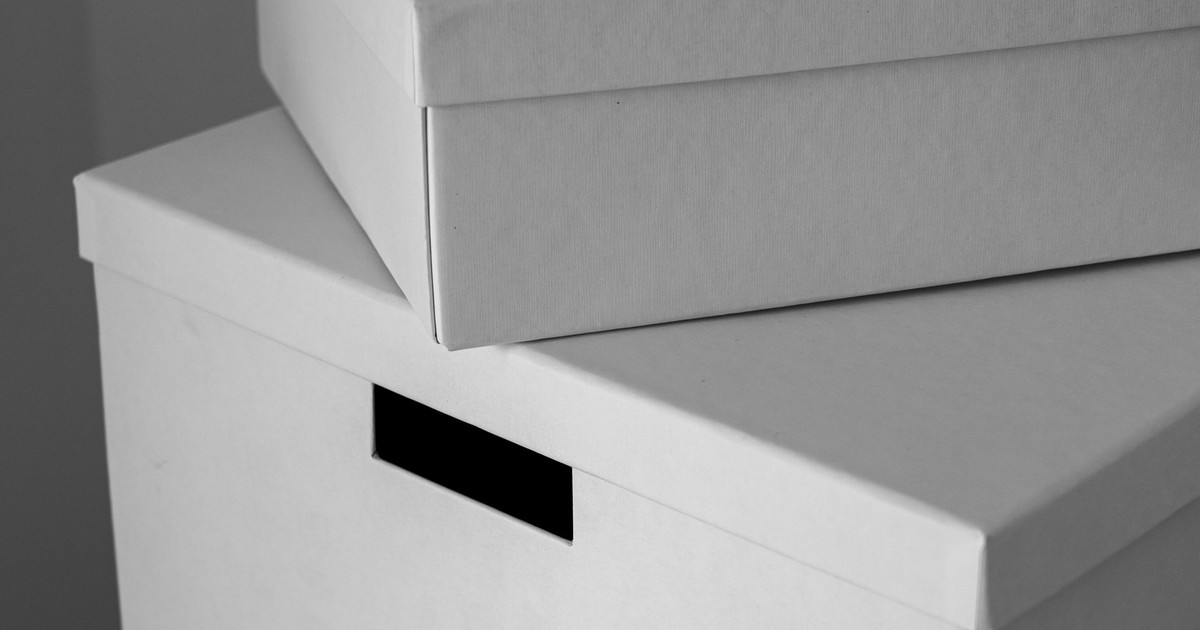
Many garages, attics, and spare bedrooms contain boxes that haven’t been opened in years. These items are often saved for hypothetical situations that never occur. While preparedness has its place, excessive storage can create unnecessary stress and consume valuable space.
Beyond the psychological weight, stored clutter poses a direct fire risk. Accumulated items act as fuel, allowing flames to spread faster and burn hotter. People aged 65 and older are already at elevated fire risk – according to the National Fire Protection Association, adults 65 and over are twice as likely to be killed or injured in a home fire compared to the general population. A garage packed with cardboard boxes, old newspapers, and holiday decorations is a structural accelerant.
The practical test is simple: if you didn’t know the box existed until you found it, its contents are not part of your current life. Open it, photograph anything sentimental, pass heirlooms to family, and donate or discard the rest.
6. Duplicate Kitchen Items
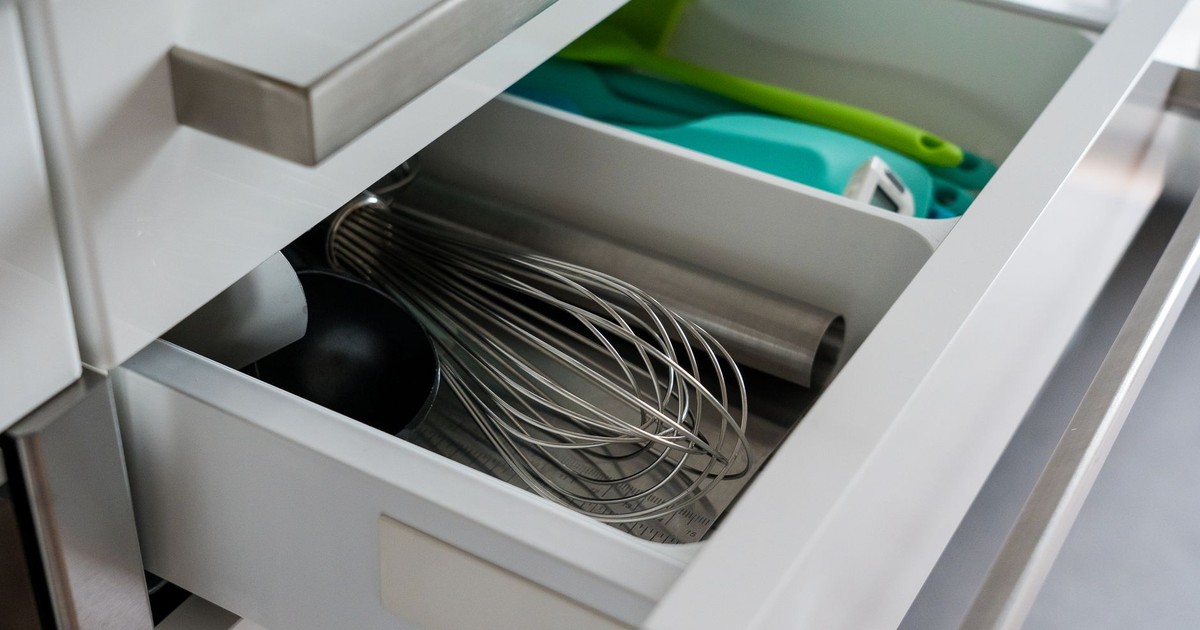
Remove duplicate kitchen items such as extra pans, utensils, and mugs. The average kitchen drawer contains at least three times the number of utensils a person regularly uses. Extra appliances take up counter space that becomes a staging area for more clutter, and heavy pots stored in high cabinets are a reach-and-fall risk. Storing your heaviest items – such as mixing bowls or cast-iron pans – at waist level or slightly below reduces the need to reach overhead or bend toward the floor, both of which are recognized by the Mayo Clinic as common triggers for balance-related falls in older adults.
A cluttered kitchen also contributes to the allergen load in a home. Clutter accumulation increases allergens like mold and dust mites, which can impact asthma and other respiratory conditions. Expired pantry items tucked behind stacks of cookware feed exactly that problem. Clear the cabinets, donate duplicates to a local food bank or thrift shop, and keep what you actually reach for.
7. Clothes That No Longer Fit or Get Worn
A 70-year-old wardrobe often spans four decades. Suits from careers long retired, formal wear for events that no longer come up, shoes kept because they were expensive. A clutter-free home is easier to manage without requiring assistance, and that applies directly to a closet where you can see and reach what you actually wear without hunting through 15 items you’ve moved aside for years.
Overstuffed closets also make dressing more physically taxing – pulling at jammed hangers, reaching to the back of a shelf, bending for shoes buried under others. The practical standard is the one-year rule: if it hasn’t been worn in 12 months, it’s gone. Clothes in good condition can go to local donation centers. Many communities have clothing drives specifically for seniors transitioning to assisted living.
8. Old Technology and Tangled Cords
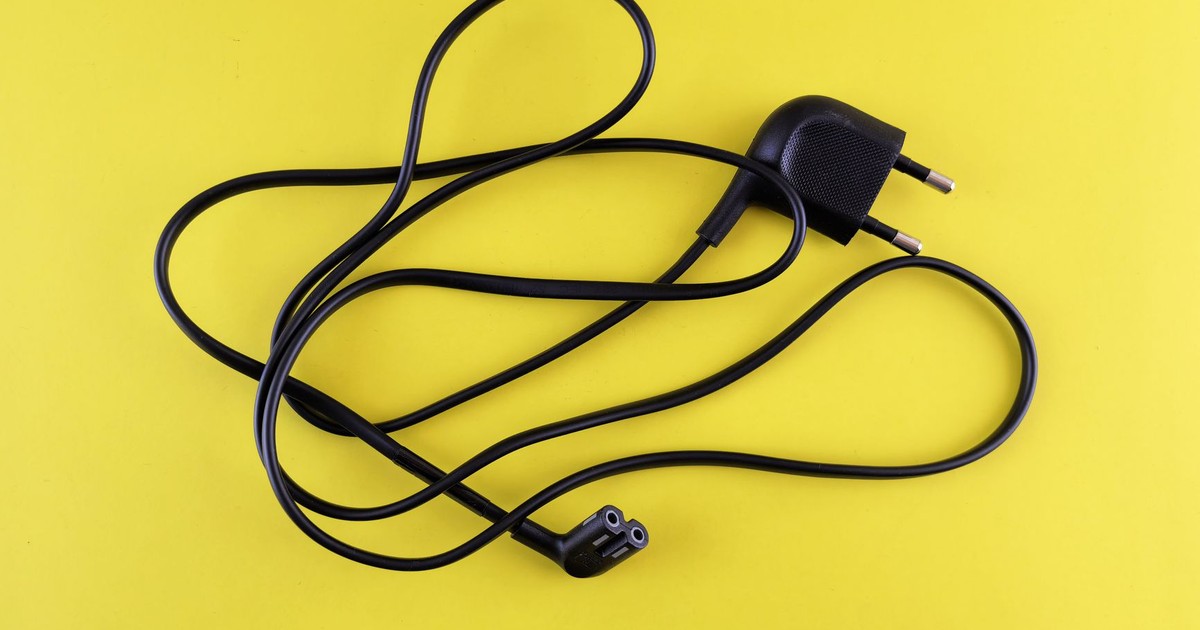
Loose electrical cords trailing across floors and around furniture are a documented fall hazard. Outdated electronics – DVD players, desktop computers from 2009, printers that no longer connect to anything – take up surface space, collect dust, and generate cord tangles that are difficult to manage safely.
According to the CDC, electrical hazards including frayed or improperly routed cords are a consistent contributor to home injuries. Beyond physical risk, a scattered physical space leads to scattered mental space, and physical environment positively or negatively impacts mental health. The visual chaos of a desk or entertainment unit covered in obsolete devices contributes to the cortisol response that research has linked to chronic clutter exposure. Research shows clutter can induce a negative physiological response, producing increased cortisol.
Recycle old electronics through certified e-waste programs – Best Buy’s recycling program accepts most consumer electronics at no charge, and Staples offers free drop-off recycling for computers, monitors, and small devices at all U.S. store locations. Collect and bundle every cord that doesn’t attach to a device you currently use, and recycle those too.
9. Linens and Towels Past Their Prime
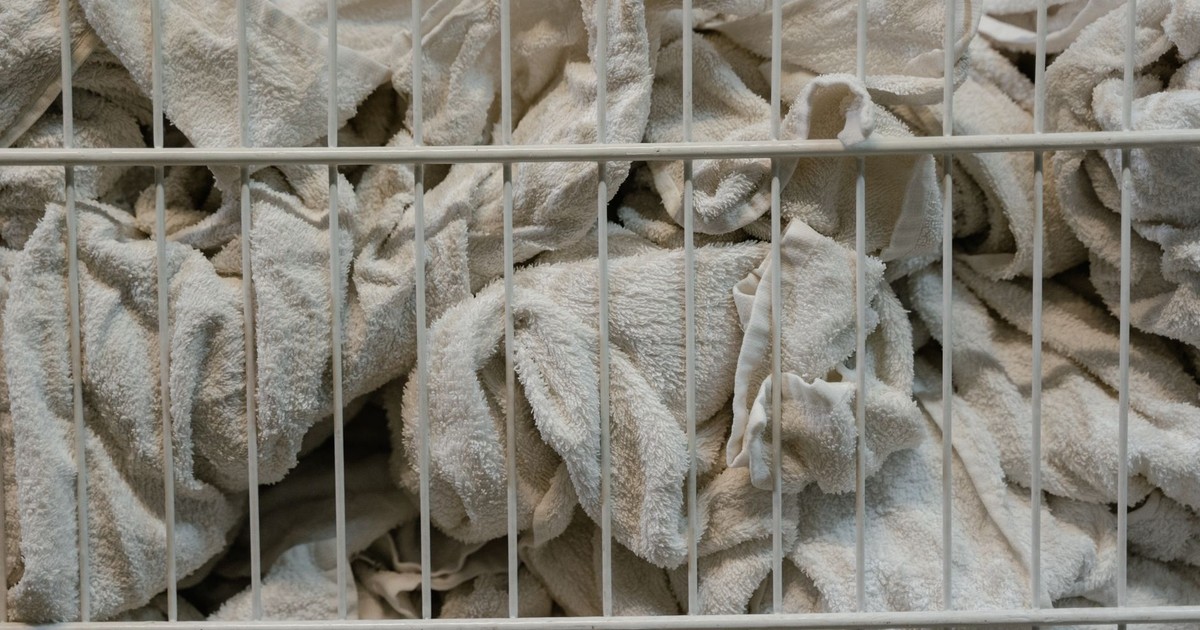
Declutter old or discolored linens such as sheets, pillowcases, blankets, and towels. Linen closets in homes that have been lived in for decades tend to hold bedding sets for guest rooms no longer used, towels from hotels collected over years of travel, and blankets kept in case of a cold snap that never came. Overpacked linen closets are difficult to navigate and pull from – a particular problem for anyone with reduced grip strength or limited shoulder mobility.
Old textiles also trap allergens. Dust mites thrive in fabric, and the older and more compressed the fabric, the higher the concentration. Clutter can negatively impact sleep, keeping you from feeling rested and relaxed – and that includes the bedroom environment, where a visually overwhelming closet or piles of extra bedding disrupt the mental cues associated with rest.
Keep two full sets of sheets per bed and enough towels for the people who actually live in the home. Donate the rest to animal shelters, which are almost always in need of old linens.
10. Items Held “Just in Case”
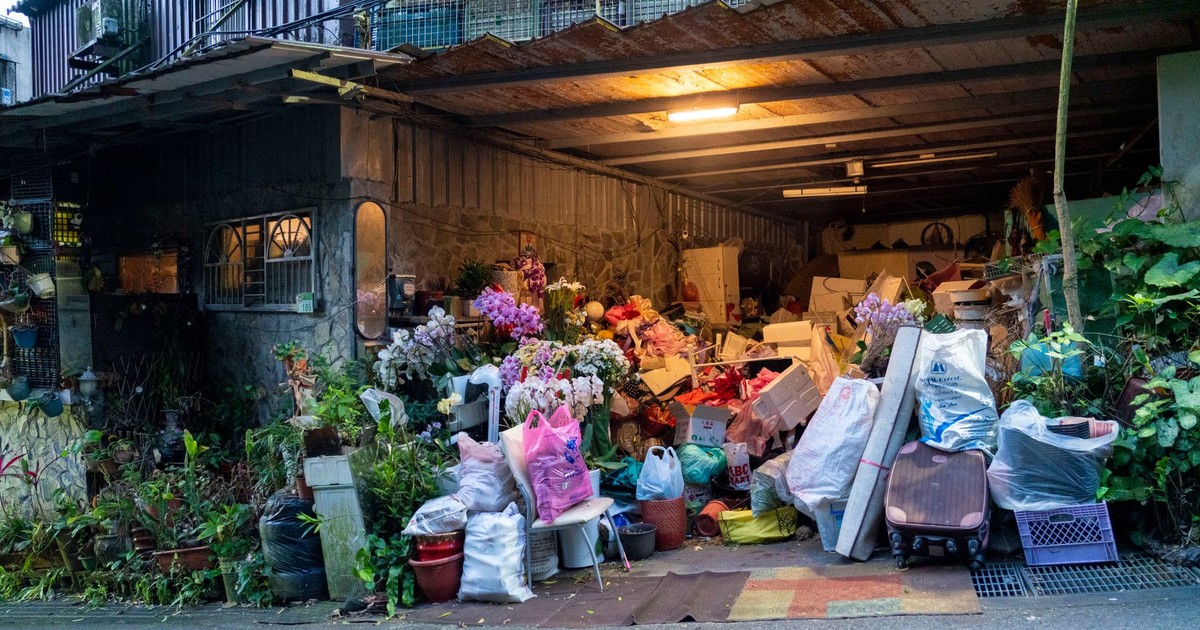
The most pervasive category of things to declutter at 70 has no single label. It’s the class of objects saved under the logic of hypothetical usefulness – the fondue set kept in case guests request fondue, the bread maker from 2004, the spare vacuum cleaner, the camping gear for a camping trip that hasn’t happened in 15 years. Six percent of those over age 70 are affected by hoarding disorder, compared to two percent of the general population. Well short of a clinical diagnosis, the habit of saving things “just in case” is nearly universal in older adults – and it accumulates invisibly, item by item, over decades.
Hoarding disorder in late life is associated with increased risk for fire, falling, poor sanitary conditions, disability, and health risks. Even at sub-clinical levels, the pattern of excessive retention raises real safety concerns in a home. Removing or controlling clutter directly reduces stress and helps people feel happier, less anxious, and more confident.
The test for “just in case” items is concrete: when was the last time you used it? If the answer requires genuine memory effort, it’s likely been more than a year. If you genuinely can’t remember, it’s been longer. Donate functional items to Habitat for Humanity ReStores or neighborhood Buy Nothing groups. Let someone else’s household put them to actual use.
Read More: 30 Essential Things to Declutter for a Healthier Mind and Body
What to Do Now
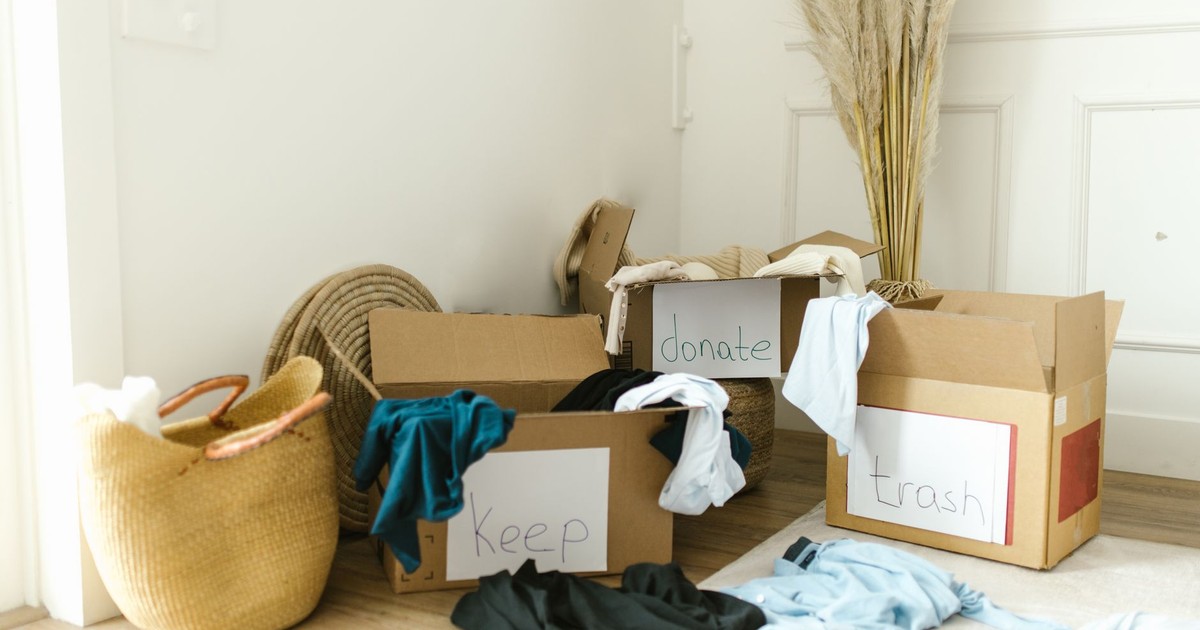
Moderate physical activity is associated with greater brain glucose metabolism – and reduced breakdown of brain metabolism is a key marker researchers use to track Alzheimer’s risk in older adults. A University of Wisconsin study supported by the National Institute on Aging found that even moderate physical activity increased metabolism in brain regions important for learning and memory. Decluttering at 70 is physically active, cognitively demanding work – which means the benefits extend well past a tidier home.
Start with one category, not one room. The medication cabinet is the highest-priority item from a safety standpoint – clear it first. From there, move to floor hazards and furniture arrangement. Both can be addressed in an afternoon. Paper, clothes, and kitchen items can follow over the next few weeks. The goal isn’t a minimalist home. It’s a home where every object earns its place by being used, loved, or genuinely necessary – and where the floor between the bedroom and the bathroom stays clear at midnight.
—
SEO_TITLE: 10 Things To Get Rid of The Moment You Turn 70 SOCIAL_TITLE: 10 Things You Should Get Rid of the Moment You Turn 70 FOCUS_KEYWORDS: things to declutter at 70, decluttering for seniors, home safety for older adults, downsizing at 70, senior fall prevention, clearing clutter at home, aging in place safety AI_DISCLAIMER:
SUGGESTED_CATEGORY: Lifestyle
Disclaimer: This information is not intended to be a substitute for professional medical advice, diagnosis, or treatment and is for information only. Always seek the advice of your physician or another qualified health provider with any questions about your medical condition and/or current medication. Do not disregard professional medical advice or delay seeking advice or treatment because of something you have read here.
AI Disclaimer: This article was created with the assistance of AI tools and reviewed by a human editor.
Read More: 14 Things You Should Never Use Disinfecting Wipes On at Home