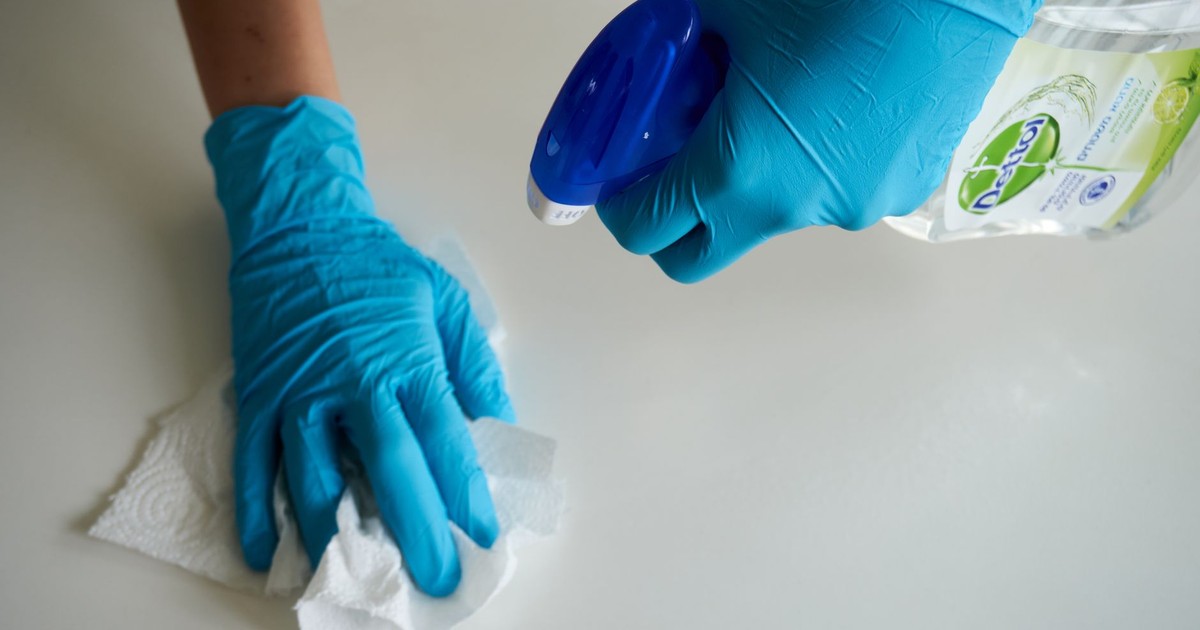

Disinfecting wipes are often treated as harmless everyday cleaning products, but in regulatory terms, they are much closer to chemical disinfectants than simple household wipes. They are classified and registered by the U.S. Environmental Protection Agency as antimicrobial pesticides, meaning their purpose is to kill or inactivate microorganisms rather than just remove dirt. The active ingredients responsible for that effect, such as alcohol, sodium hypochlorite (bleach), citric acid, and quaternary ammonium compounds (“quats”), are strong enough to disrupt bacterial and viral cell structures, which also means they can interact aggressively with certain household materials.
The issue is not their effectiveness, but their specificity. Disinfecting wipes are designed for hard, nonporous surfaces like stainless steel and sealed tile. When used outside that range, the same chemical action that makes them useful can also degrade finishes, dull coatings, and leave behind residues that accumulate over time.
The following 14 surfaces are where this mismatch shows up most often, and what to use instead.
1. Hardwood Furniture
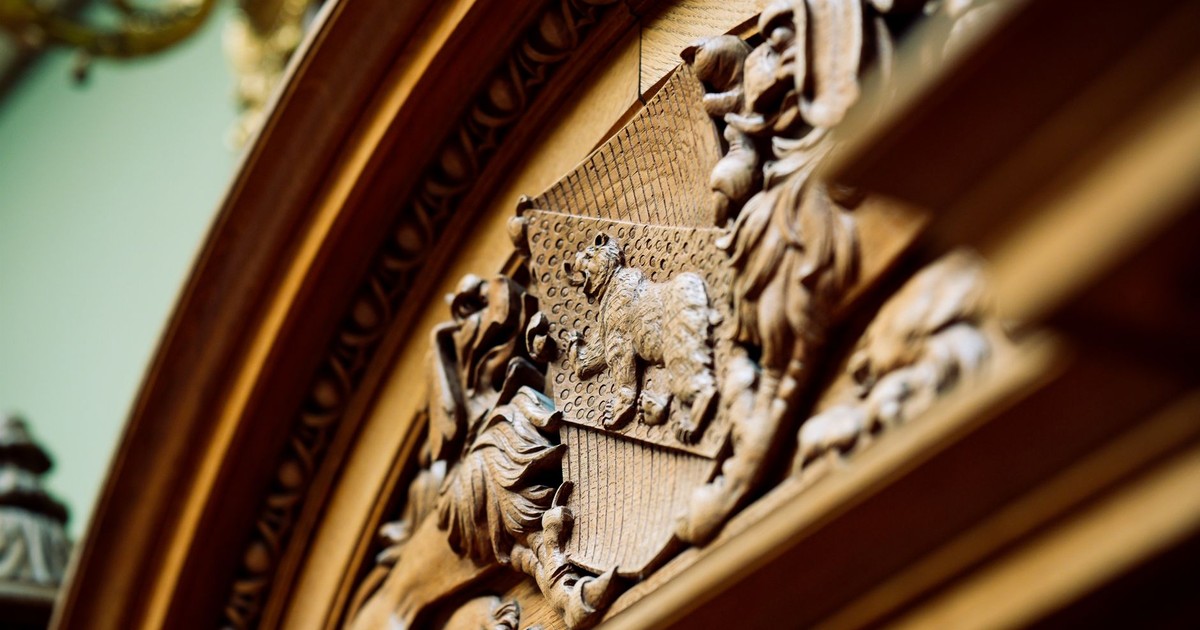
Wood furniture and flooring often have protective finishes – shellac, varnish, lacquer, or polyurethane – that give them their shine and guard against moisture. Bleach can discolor or damage wood or its finish, and isopropyl alcohol, found in most disinfecting wipes, can strip or dissolve that finish too, according to Brett Miller, vice president of technical standards at the National Wood Flooring Association.
Rubbing alcohol acts as a solvent when it comes into contact with wood finishes. Solvents are designed to liquify those finishes, including varnishes and stains, effectively stripping away the upper layers of the surface. The result is a dull, rough surface that’s more vulnerable to moisture damage going forward. Wood furniture finished with shellac, wax, or many varnishes can have the finish removed entirely, or the wipes may leave behind a haze during cleaning.
If you need to clean wood, use a product specifically labeled for wood or warm soapy water. A microfiber cloth slightly dampened with water handles most everyday dust and light marks without any risk.
2. Granite and Marble Countertops
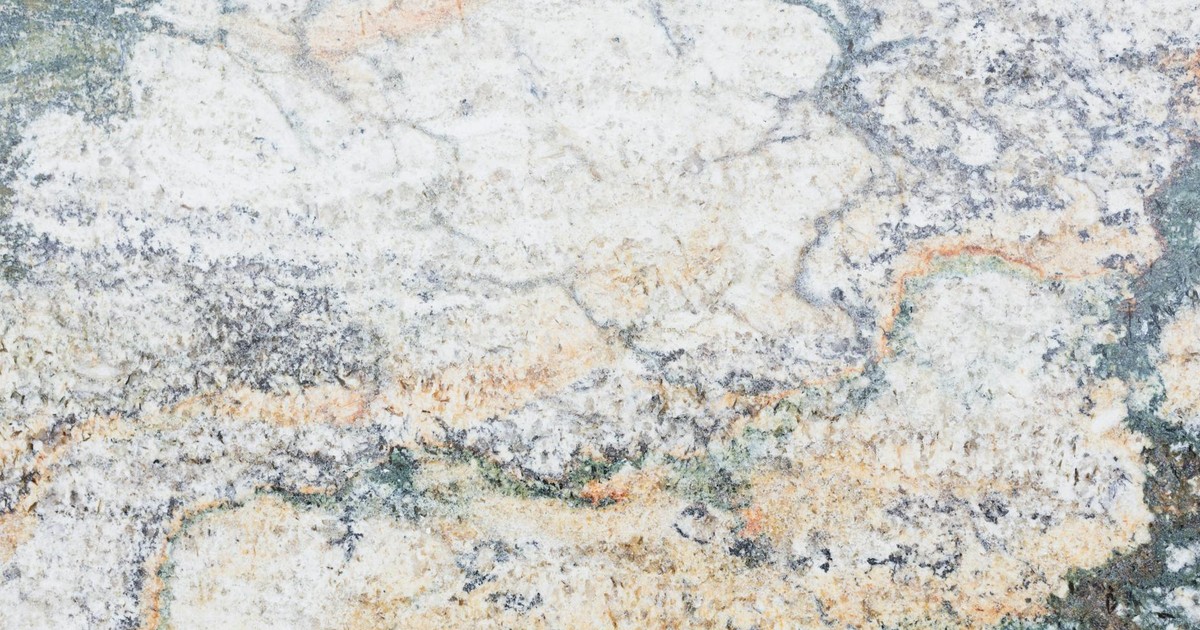
These surfaces look robust, but the sealant protecting them is more delicate than the stone underneath. Disinfecting wipes can contain citric acid, and over time that ingredient can etch and dull granite and cause the sealer on the stone to weaken, according to cleaning guidance from Bob Vila. Once the sealer is stripped, cleaners can seep into the granite itself and cause damage to the stone.
The bleach in disinfecting wipes can also break down the sealant on granite countertops, leaving them vulnerable to staining and damage. On granite and marble specifically, that shows up as pitting and a loss of the polished surface that’s difficult to reverse without professional re-sealing.
The safe alternative for stone countertops is a pH-neutral cleaner specifically formulated for natural stone, or warm water with a small amount of mild dish soap. To kill germs on granite, mixing 4 tablespoons of isopropyl alcohol and four drops of dishwashing soap in a spray bottle filled with warm water, then wiping with a soft cloth, is effective without damaging the sealant.
3. Leather Goods
Leather – whether it’s a couch, a handbag, a car seat, or a jacket – relies on natural oils to stay soft and pliable. Disinfecting wipes strip those oils out. The chemicals in the wipes don’t interact well with leather’s protective coating, and once that coating is compromised, the leather can dry out and eventually crack.
Repeated use makes this worse. Apple’s own cleaning guidelines explicitly state not to use disinfecting wipes on leather surfaces, noting that liquid damage of this kind is not covered under warranty. For leather, a dedicated leather conditioner or a damp cloth with a tiny amount of mild soap is the right choice.
4. Electronic Screens and Touchscreens
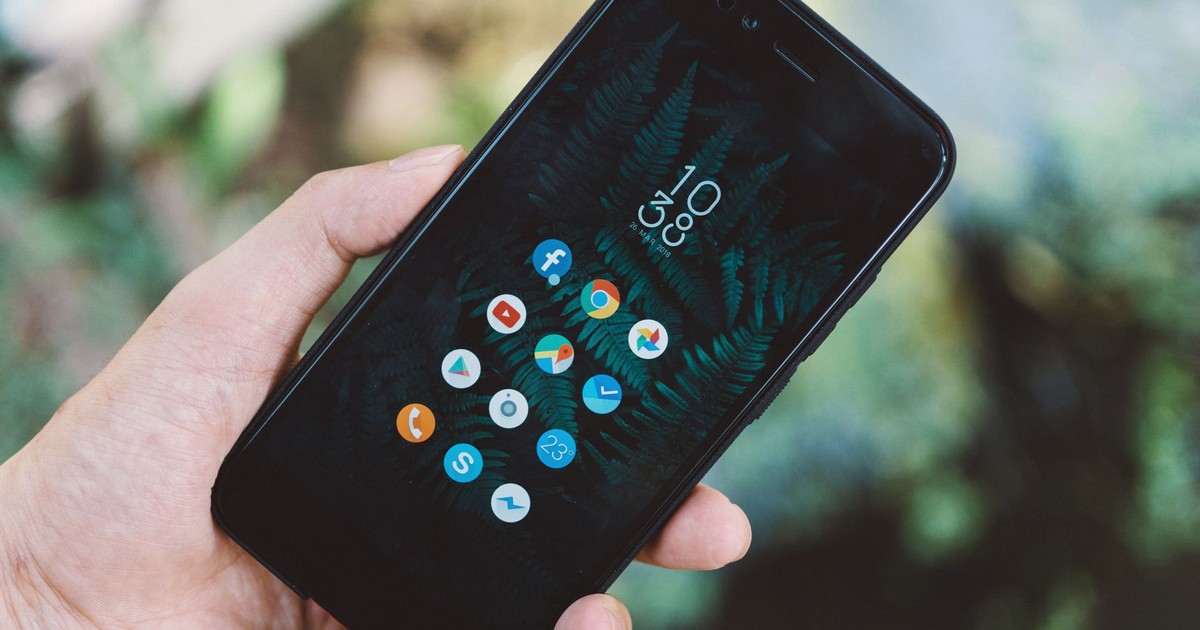
Touchscreen displays carry anti-glare and anti-fingerprint coatings that keep the screen from picking up smudges. Alcohol and ammonia, both commonly found in disinfectant wipes, can strip those coatings permanently – they don’t regenerate once removed. The moisture from a wipe can also work into buttons and ports, where it causes corrosion over time.
Apple’s cleaning guidance does permit 70% isopropyl alcohol wipes or Clorox Disinfecting Wipes on the hard, nonporous surfaces of Apple products like the display, keyboard, or exterior. The key phrase there is “hard, nonporous” – and Apple separately cautions against using products containing bleach. Always check the manufacturer’s guidelines for your specific device before cleaning.
5. Eyeglasses
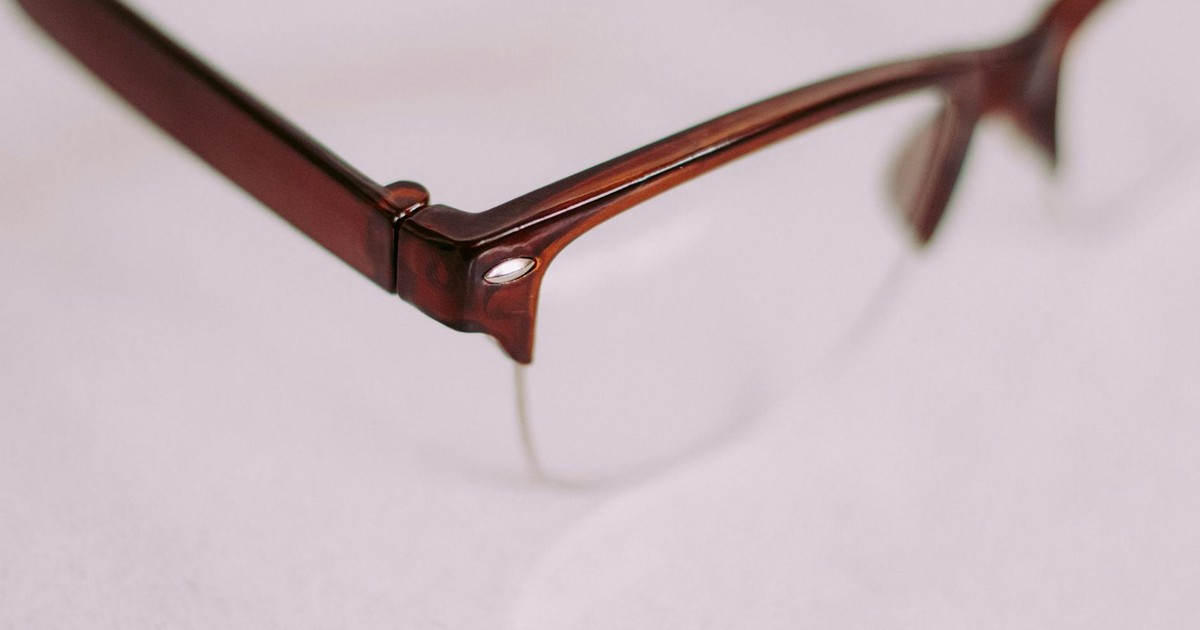
Most prescription lenses carry multiple coatings – anti-reflective, UV-protective, scratch-resistant, and sometimes blue-light filtering. Those coatings are applied in thin chemical layers that alcohol dissolves. Standard disinfecting wipes can scratch lenses, ruin the anti-reflective coating, and damage frames.
There’s also a direct safety concern: disinfecting wipes contain chemicals that can be very irritating to eyes, and residue left on lenses reaches the eyes every time the glasses are worn. The method most opticians recommend is a small drop of dish soap, warm water, and a microfiber cloth. Many eyeglass manufacturers include lens spray with new frames precisely because ordinary household cleaners – including disinfecting wipes – do more harm than good on optical surfaces.
6. Food Prep Surfaces and Cutting Boards
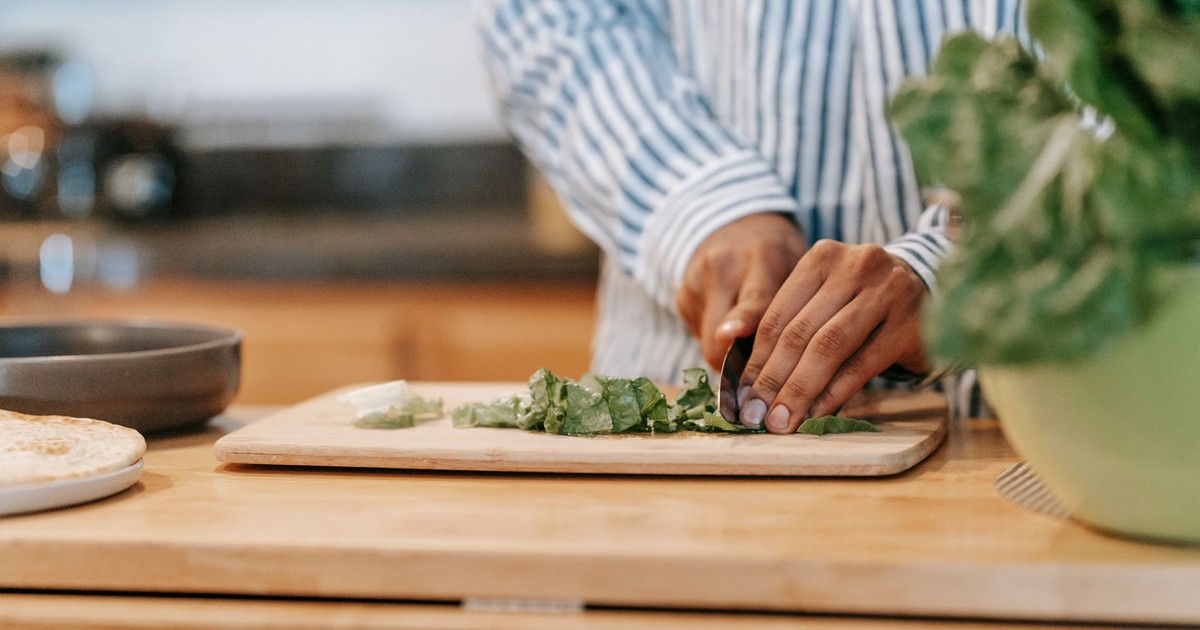
Disinfecting wipes carry a label instruction that most people never read: they are not meant to be used on food contact surfaces. The labels on disinfecting wipes with quats recommend against using them on food-contact surfaces like cutting boards, plates, or cutlery, because these potent chemicals can contaminate any food they come into contact with, even well after cleaning is done.
The issue is chemical residue. Products like standard Clorox and Lysol disinfecting wipes are formulated for bathroom and hard-surface disinfection – not food-adjacent use. Cutting boards are a particular risk because their textured or grooved surfaces hold residue even after it looks dry.
For food prep areas, soap and hot water followed by air drying is the safest routine. If you want to disinfect a surface where food will be prepared, look specifically for an EPA-registered product labeled as food-safe, or use a diluted bleach solution and rinse the surface before use.
7. Painted Walls
Paint looks like a hard surface, but it’s a porous material with a finish that degrades under repeated chemical exposure. The bleach and alcohol in standard disinfecting wipes can cause painted surfaces to fade, streak, or lose their sheen – especially on flat or matte finishes, which are far more vulnerable than semi-gloss or gloss paint.
Disinfecting wipes are not safe to use on painted surfaces – rubbing alcohol is sometimes used specifically to strip paint. On walls, damage shows up most visibly near light switches, door frames, and anywhere that gets wiped repeatedly. The finish breaks down unevenly, leaving patches of dulled or discolored paint.
A slightly damp cloth handles most light scuffs and marks without risk to the finish. For tougher stains, a mild soap solution is preferable. If your walls have a glossy or semi-gloss finish and the disinfecting wipes damage is already visible, repainting is the only real fix.
8. Upholstered Furniture
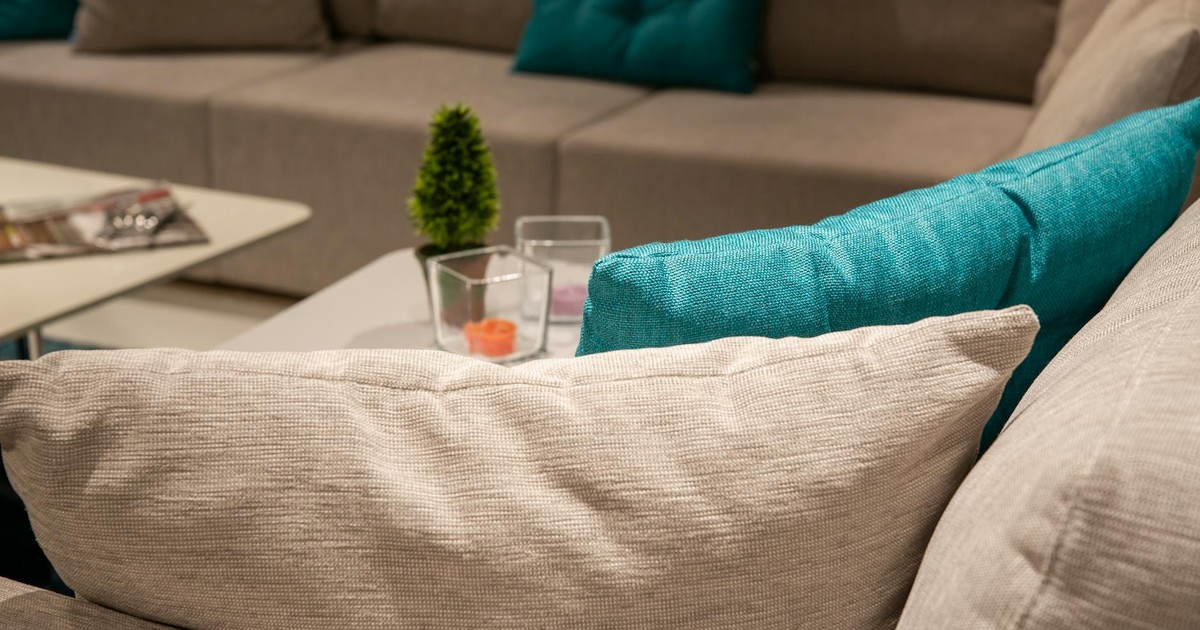
The bleach variants in disinfecting wipes are particularly risky on upholstery – capable of permanently bleaching out color from sofas, chairs, and cushions in an irregular patch that’s impossible to match. Non-bleach wipes still present problems: the moisture can work into cushion foam, where it sits long enough to encourage mildew, a problem that’s worse in humid climates.
For fabric furniture, a handheld steam cleaner provides genuine disinfection without chemical damage or moisture saturation. Alternatively, check the cleaning code sewn into your furniture’s cushion: “W” means water-based cleaners are safe, “S” means solvent-based only, and “X” means vacuuming only.
9. Pet Food Bowls and Toys
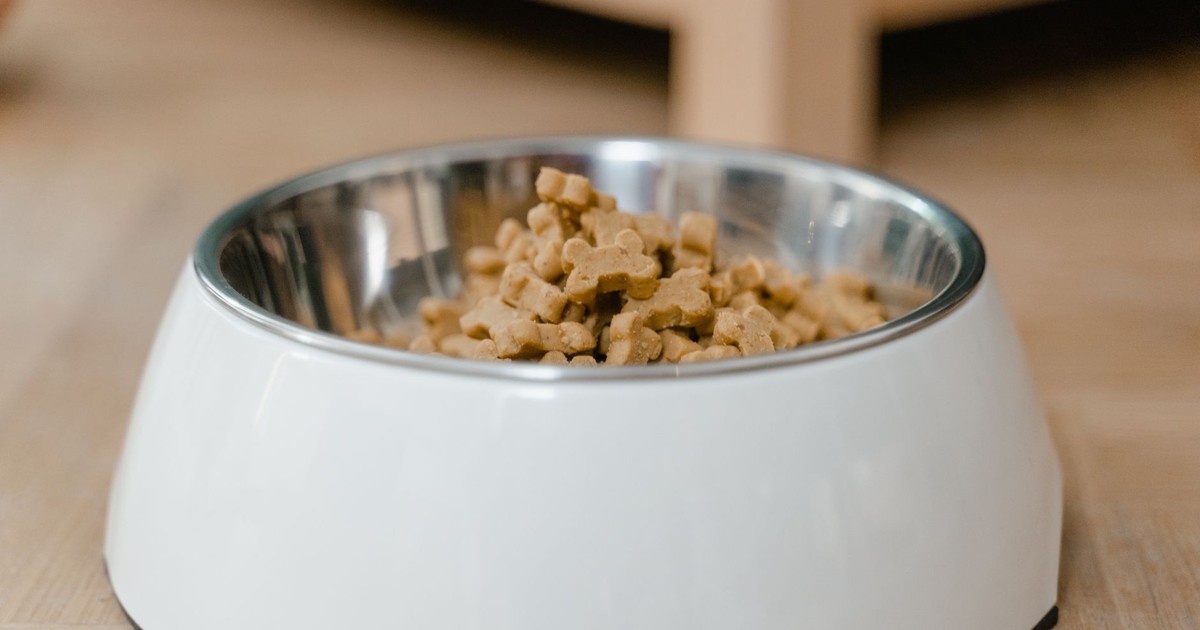
Disinfectant wipes leave behind chemical residue that’s unsafe for animals, especially when it ends up on things they lick or chew. Pets consume residue directly when they eat or drink from their bowls, and they mouth their toys – so any chemical left behind goes straight into their system.
Wash pet bowls every day with soap and water and let them air dry between uses. If you need to properly disinfect pet items after illness, the CDC recommends using a bleach solution at the correct dilution, rinsing thoroughly, and allowing the item to dry completely before letting your pet use it again. For soft toys and bedding, a washing machine is the right tool – the heat from a dryer cycle handles disinfection without leaving any residue your pet will later ingest.
10. Children’s Desks and Classroom Surfaces
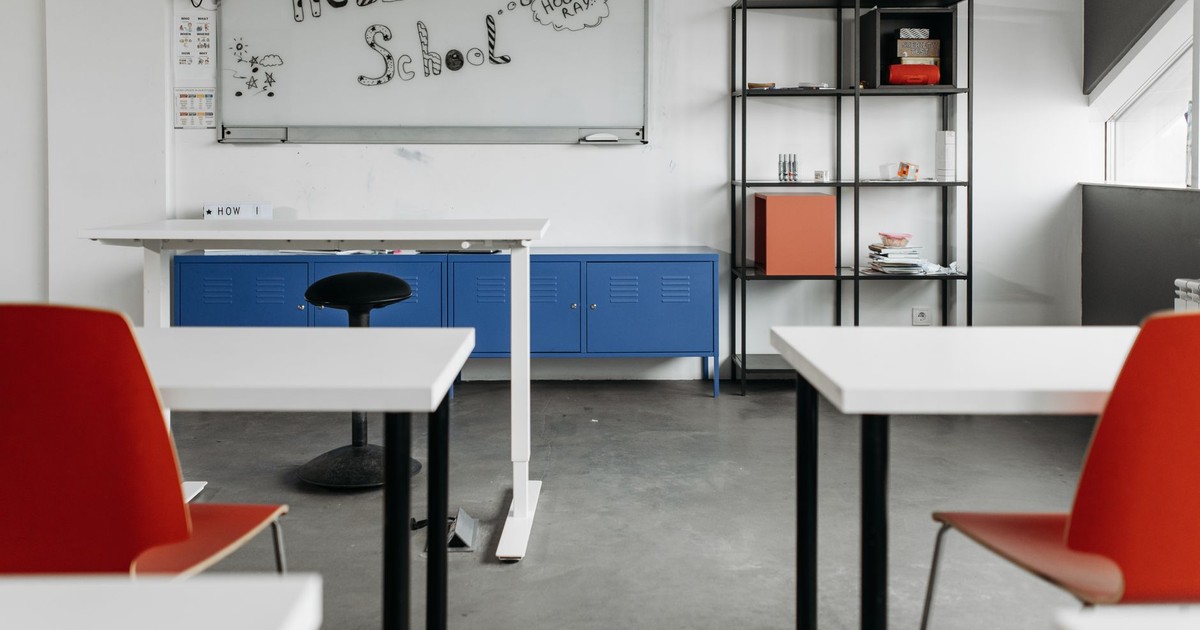
Disinfectant wipes are registered by the EPA as antimicrobial pesticides, and many carry the statement “KEEP OUT OF REACH OF CHILDREN” clearly on the container. Despite this, disinfecting wipes routinely appear on school supply lists and are placed in the hands of students.
The active ingredients in many disinfecting wipes include quaternary ammonium compounds, or “quats.” All quaternary ammonium compounds are on the Association of Occupational and Environmental Clinics’ asthmagen list as respiratory sensitizers. These active ingredients – chlorine bleach and benzalkonium chlorides – can irritate eyes and skin and trigger asthma symptoms. These effects are especially concerning for children because students, because of their developmental stage in life, have unique vulnerabilities that leave them prone to negative effects after chemical exposure.
Disinfection products should not be used by children or near children. Most K-12 students are legal minors under the age of 18 and may not use disinfectant wipes. The EPA advises that any person applying disinfectants in children’s environments should follow label best practices, and that children themselves should never be the ones doing the applying.
11. Hands and Skin
Disinfecting wipes are not hand wipes or personal hygiene wipes. They contain harsh chemicals like alcohol and bleach substitutes that can dry out or irritate skin, especially with repeated use. The U.S. EPA classifies quats as “severe skin and eye irritants,” and at least one product label notes that prolonged or frequent skin contact may cause allergic reactions in some individuals.
Extended or repeated skin exposure to quats in particular has been linked to skin sensitization – a condition where the immune system develops an increasing reaction to repeated exposures, according to the Healthy Children Project. Disinfecting wipes also aren’t effective for hand hygiene in the way that soap or hand sanitizer is. For hand hygiene, soap and water for at least 20 seconds removes pathogens effectively. Alcohol-based hand sanitizer with at least 60% alcohol is the right portable option.
12. Unfinished or Untreated Wood
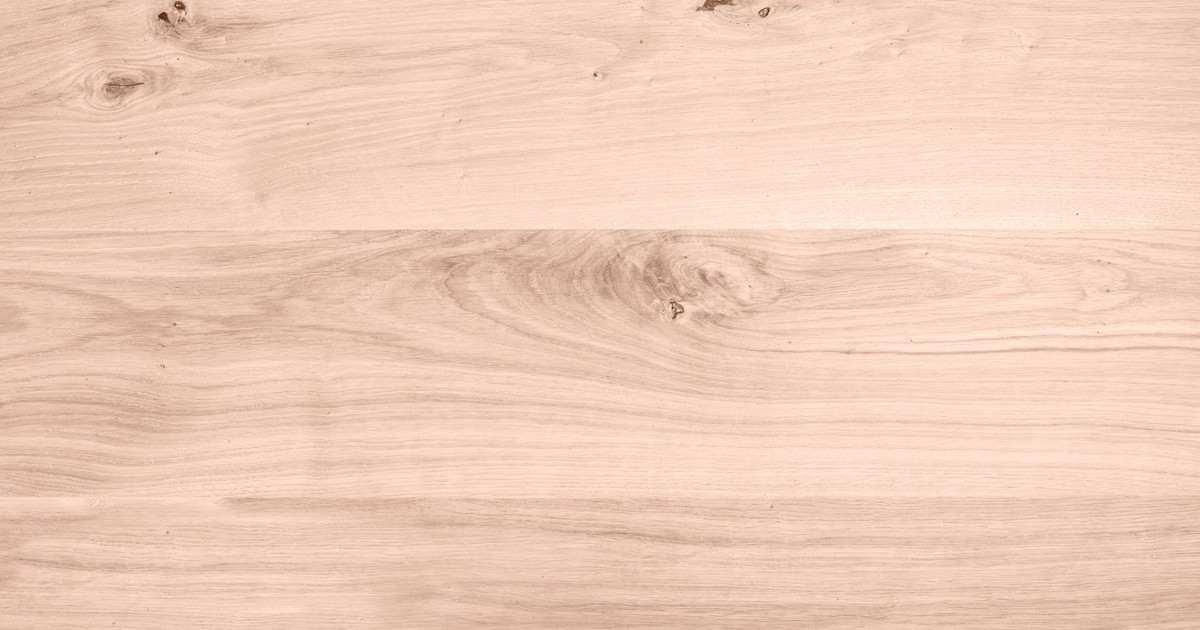
Finished hardwood is one problem; raw, unfinished, or untreated wood is another. Liquid cleaners should never be used on unsealed wood floors. Sealants protect wood by resisting water intrusion, and unfinished wood floors lack this layer of defense. A disinfecting wipe drawn across an untreated wood surface deposits chemical solution directly into the grain, where it can warp the wood, cause water staining, or react with the natural tannins in the wood to produce dark, permanent discoloration.
Disinfecting wipes should never be used on raw wood or furniture with an uneven or damaged finish. Alcohol is very drying and can cause the wood to crack. This applies to wooden cutting boards as well – a surface that combines the food-contact risk discussed earlier with the porosity problem unique to raw wood.
The right approach for untreated wood surfaces is a dry brush for dust, a very lightly dampened cloth for marks, and dedicated wood care products for anything more intensive.
Read More: 2 Things Doctors Never Skip on a Plane (Plus 1 Bonus)
13. Car Interiors
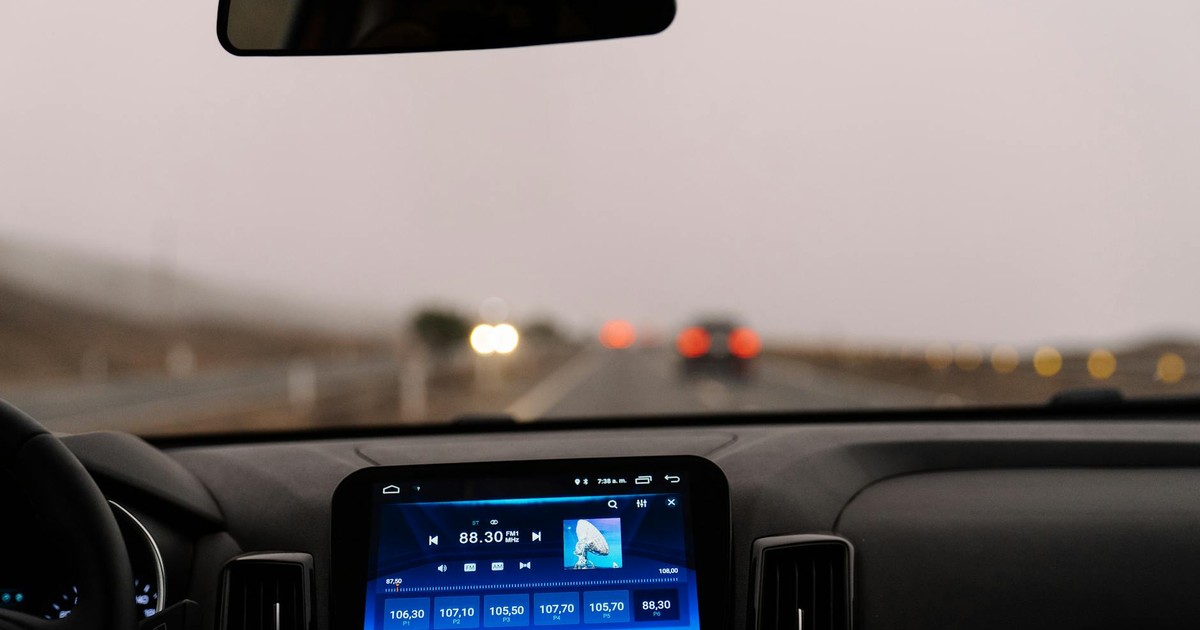
A car interior is a collection of precisely the surfaces disinfecting wipes damage most: leather or vinyl seating, touchscreens, plastic trim, and fabric upholstery, all in a small enclosed space where fumes concentrate quickly. Touchscreen displays in cars often carry anti-glare and anti-fingerprint coatings, and alcohol-based wipes strip those coatings permanently.
For car interiors, products formulated specifically for automotive use are the correct choice – they’re designed for the exact mix of materials found inside vehicles. A microfiber cloth with a mild soap solution handles most surface cleaning safely. For genuine disinfection inside a vehicle after illness, a diluted isopropyl alcohol solution around 70% applied to a cloth works on hard plastic and metal surfaces. Always open windows when cleaning inside a car, since fumes accumulate quickly in enclosed spaces.
14. Using One Wipe Across Multiple Surfaces
The contact time is how long a product must remain on the surface for it to be effective. The surface should be visibly wet for the entire contact time. A quick swipe rarely meets that standard – and using one wipe across multiple surfaces makes the problem worse.
Using a single disinfecting wipe on multiple surfaces transfers bacteria from a dirty wipe to other locations, spreading contamination rather than eliminating it. A wipe that has picked up bacteria or viruses from one surface becomes a delivery vehicle for that contamination on every surface it touches afterward. If a product label specifies a contact time of 10 minutes for a particular pathogen, the surface should remain visibly wet for that full duration – which may mean reapplying the product entirely.
Disinfecting wipes are single-use, single-surface tools. The habit most people have – a quick wipe, then moving to the next surface with the same wipe – produces a false sense of cleanliness. One wipe, one surface, full contact time: that’s the only way a disinfecting wipe actually does what it claims.
Read More: 6 Cleaning Products You Should Never Mix
What to Do Now
The core principle across all 14 situations is the same: disinfecting wipes are a specific tool for a specific job. Most routine household chores require cleaning, not disinfecting. Soap and water handles the majority of surfaces safely. There are thousands of cleaning products that the EPA lists as “Safer Choice” options on its website – worth checking before your next supply run, especially if you have children, pets, or natural stone surfaces in your home.
Save disinfecting wipes for genuinely high-risk moments: after someone in the household has been sick, when handling raw meat, or when disinfecting hard bathroom surfaces like toilet handles and sink fixtures. For everything else on this list – wood, stone, leather, fabric, screens, skin, and pet belongings – a damp microfiber cloth, a pH-appropriate cleaner, or plain soap and water will clean the surface without the cumulative disinfecting wipes damage that builds invisibly over months of repeated use.
Disclaimer: This information is not intended to be a substitute for professional medical advice, diagnosis, or treatment and is for information only. Always seek the advice of your physician or another qualified health provider with any questions about your medical condition and/or current medication. Do not disregard professional medical advice or delay seeking advice or treatment because of something you have read here.
AI Disclaimer: This article was created with the assistance of AI tools and reviewed by a human editor.
Read More: 10 Places You Should Never Swipe Your Credit or Debit Card