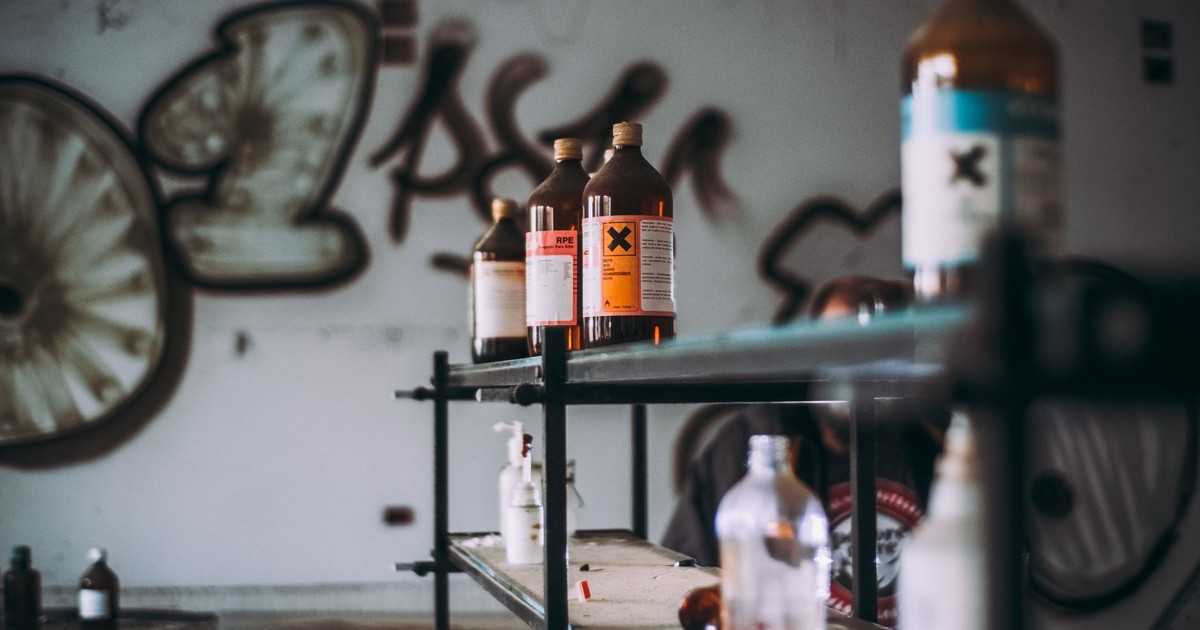

About 1 in 15 American homes has radon levels above the EPA’s recommended safety threshold. Most of those families have no idea. Radon is odorless, colorless, and produces no immediate symptoms – it simply accumulates in the basement, seeps into the living room, and gets breathed in year after year. The most dangerous toxic things in home environments are often the ones you cannot detect without a test kit or a lab.
Radon is just one example. Across kitchens, laundry rooms, nurseries, and living rooms, dozens of substances – some regulated, some not – release compounds that accumulate in the body over months and years. A 2025 study led by researchers at the University of Cambridge, published in Nature Microbiology, found that 168 common chemicals can disrupt the growth of beneficial gut bacteria, with some also promoting antibiotic resistance. Scientists continue to uncover the extent to which ordinary household chemicals pose risks to long-term health. The exposure doesn’t always look dramatic. It looks like a pan on the stove, a plug-in air freshener, or a can of spray paint in the garage.
Certain categories of chemicals found in a variety of household products have been linked to health issues, and higher exposure tends to mean higher risk. The items below cover more than 20 substances worth removing, replacing, or at minimum understanding – all backed by current evidence.
1. BPA-Containing Plastic Containers
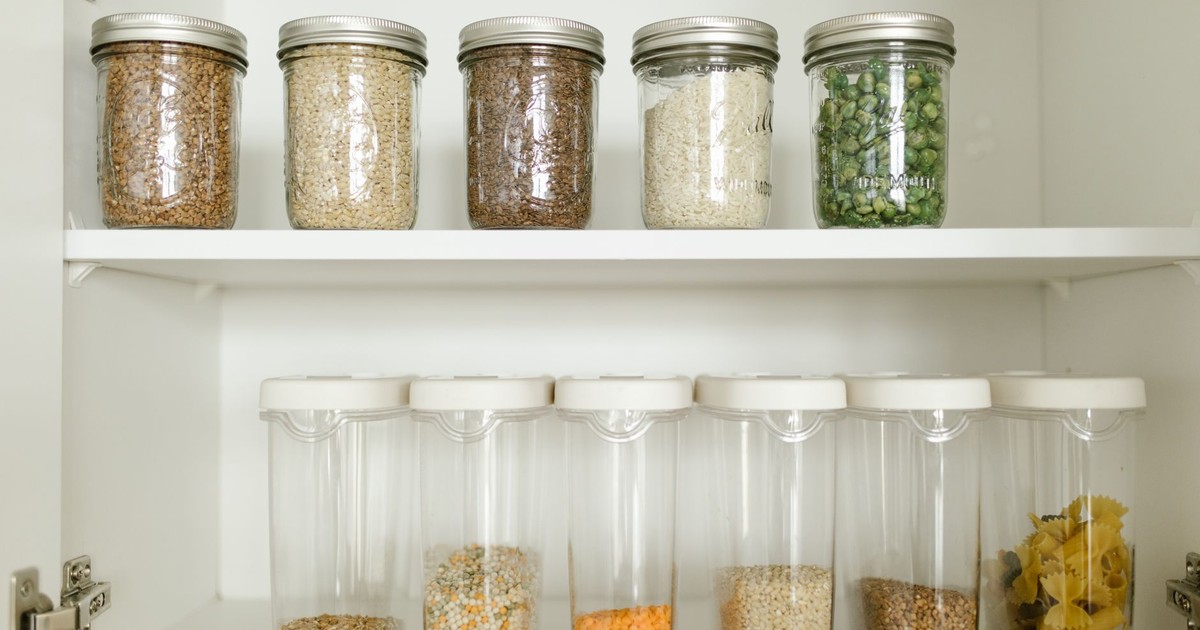
BPA (bisphenol A) has been linked to disruption of endocrine activity – meaning it can affect hormone production and lead to reproductive issues and certain cancers. The scale of exposure is startling: according to data cited by Baylor Scott and White Health, the CDC has identified detectable levels of BPA in 93% of people tested, a figure that reflects just how thoroughly this chemical has embedded itself into daily life.
BPA leaches from hard plastics into food and drinks, particularly when containers are heated, scratched, or washed repeatedly. The practical fix is straightforward: switch to glass, stainless steel, or BPA-free containers for food storage and hot beverages, and stop microwaving food in plastic – any plastic, not just ones that look old.
2. Lead Paint
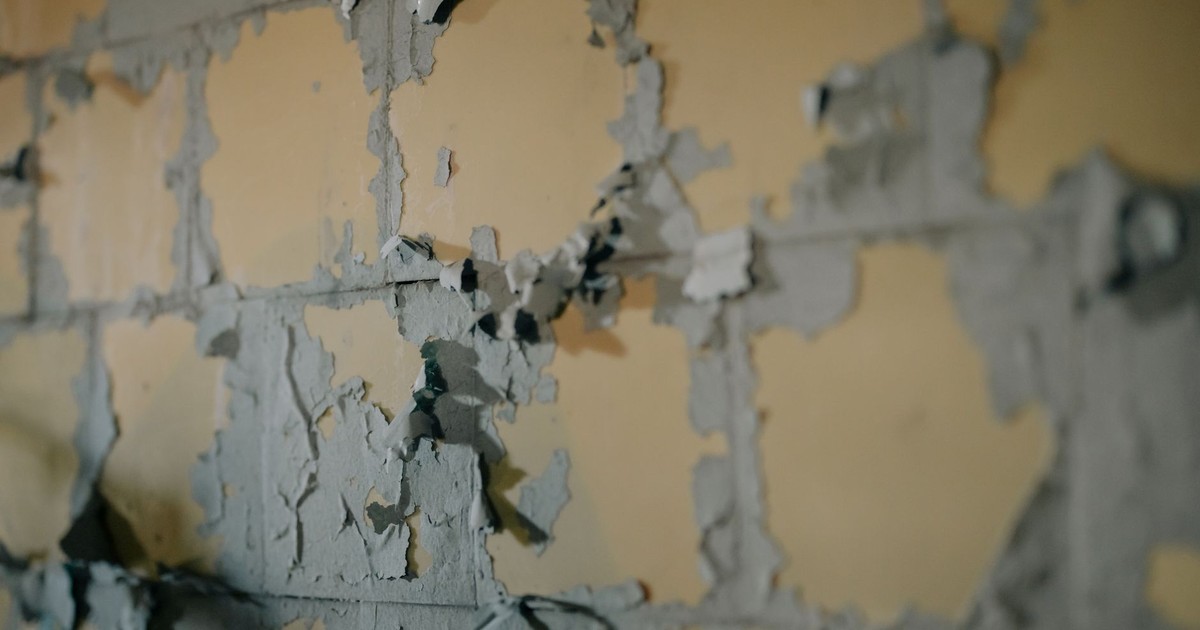
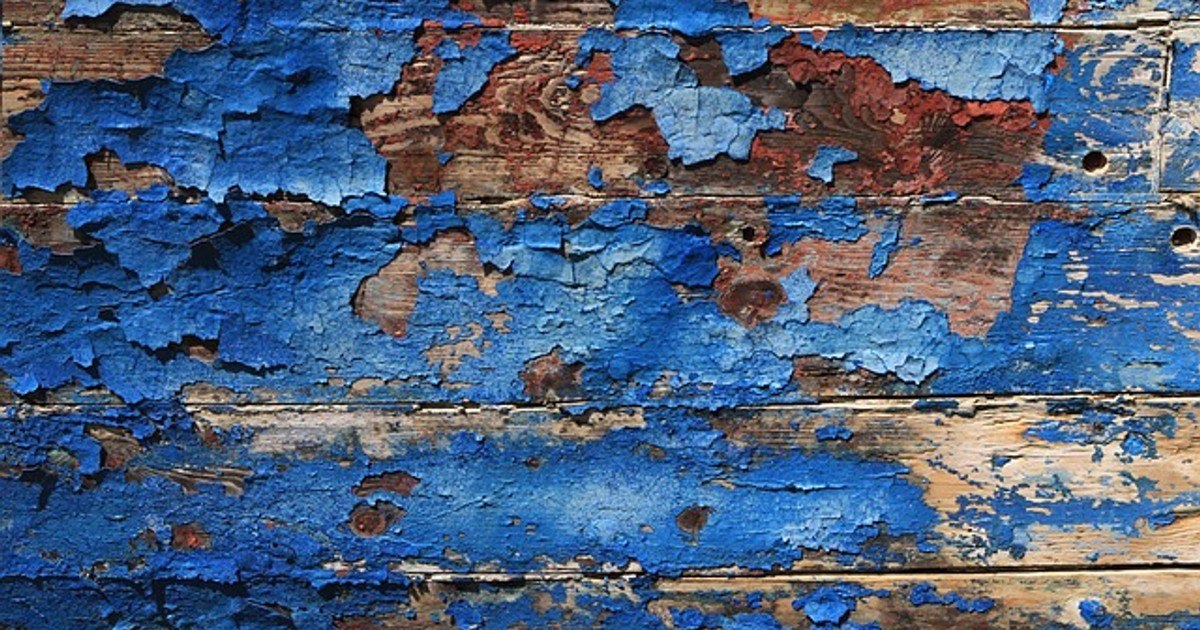
Lead has been linked to a wide range of health risks in both human and animal studies, including hormone disruption and reproductive harm. More directly, the WHO reports that lead exposure was attributed to more than 3.5 million deaths globally in 2023, primarily due to cardiovascular effects, and that there is no level of exposure to lead known to be without harmful effects. Homes built before 1978 are the primary concern in the US, as lead-based paint was standard in residential construction before it was banned.
Chronic exposure to high levels of lead can affect a child’s brain and nervous system development. The American Academy of Pediatrics notes that lead acts as a neurotoxicant to the developing brain, resulting in potentially irreversible damage even at low blood lead levels. If your home was built before 1978 and you’re planning renovations, have the paint tested before sanding or drilling – disturbing lead paint creates the dust that gets inhaled or ingested.
3. PFAS (“Forever Chemicals”) in Cookware and Textiles
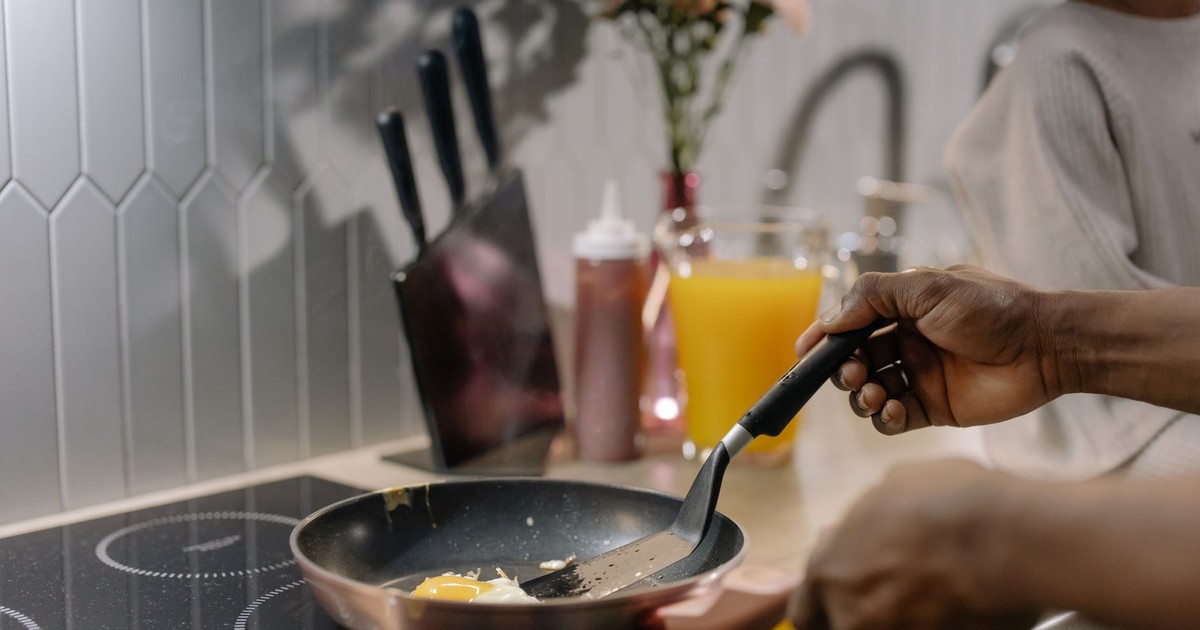
PFAS (per- and polyfluoroalkyl substances) are called forever chemicals because their molecular bonds resist breakdown in the environment and in the body. They have been linked to a wide range of health risks in both human and animal studies, including kidney and testicular cancer, hormone disruption, liver and thyroid problems, immune system suppression, reproductive harm, and abnormal fetal development. According to Augusta University, the Environmental Working Group estimates that around 200 million Americans could have been exposed to PFAS, with high levels of exposure increasing the risk of kidney and testicular cancer and other illnesses.
PFAS show up in nonstick cookware, waterproof clothing, stain-resistant upholstery, food wrappers, and some personal care products. A 2024 EPA rule limiting the amount of six PFAS chemicals in drinking water was a significant step toward reducing systemic exposure. At home, replacing older nonstick pans with cast iron or stainless steel, and choosing PFAS-free food storage bags and clothing, are the most direct actions available.
4. Phthalates in Fragrances, Plastics, and Personal Care Products
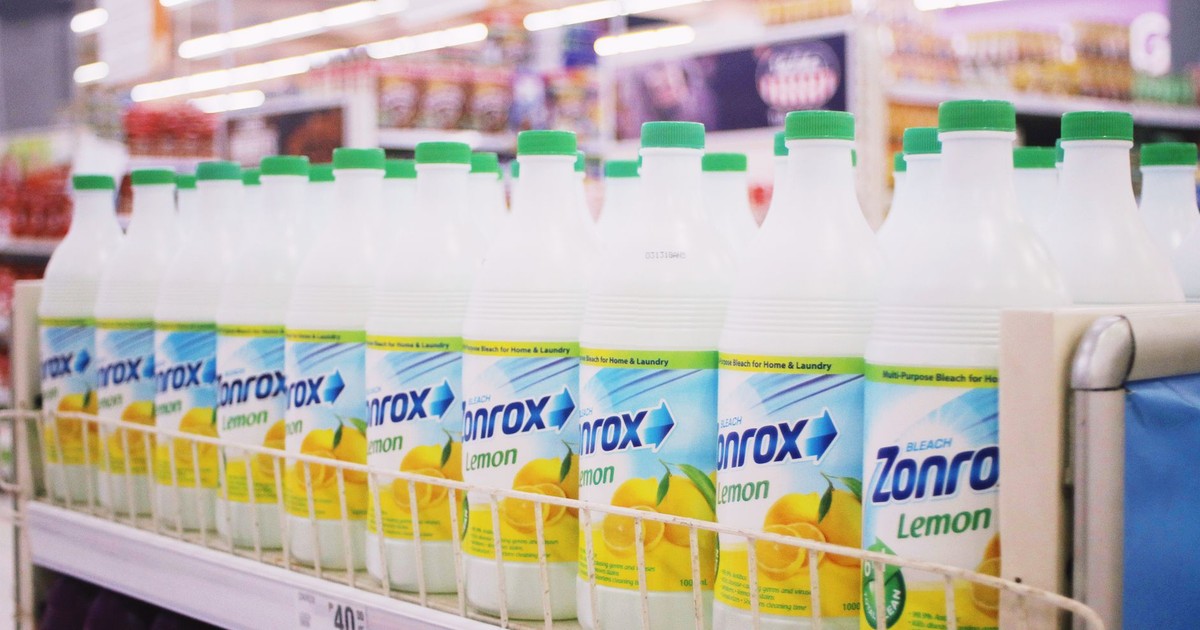
Phthalates (pronounced “tha-lates”) are plasticizers used to make materials flexible and to help fragrance last longer. A 2021 journal review linked phthalate exposure to endocrine disruption, reproductive deformities, and other adverse health outcomes. They appear in shampoos, body washes, air fresheners, vinyl flooring, and some food packaging. Because they’re bundled under the umbrella term “fragrance” on ingredient labels, you won’t always find them listed by name.
Choosing fragrance-free personal care products and swapping vinyl flooring for tile or hardwood are practical starting points.
5. Household Mold
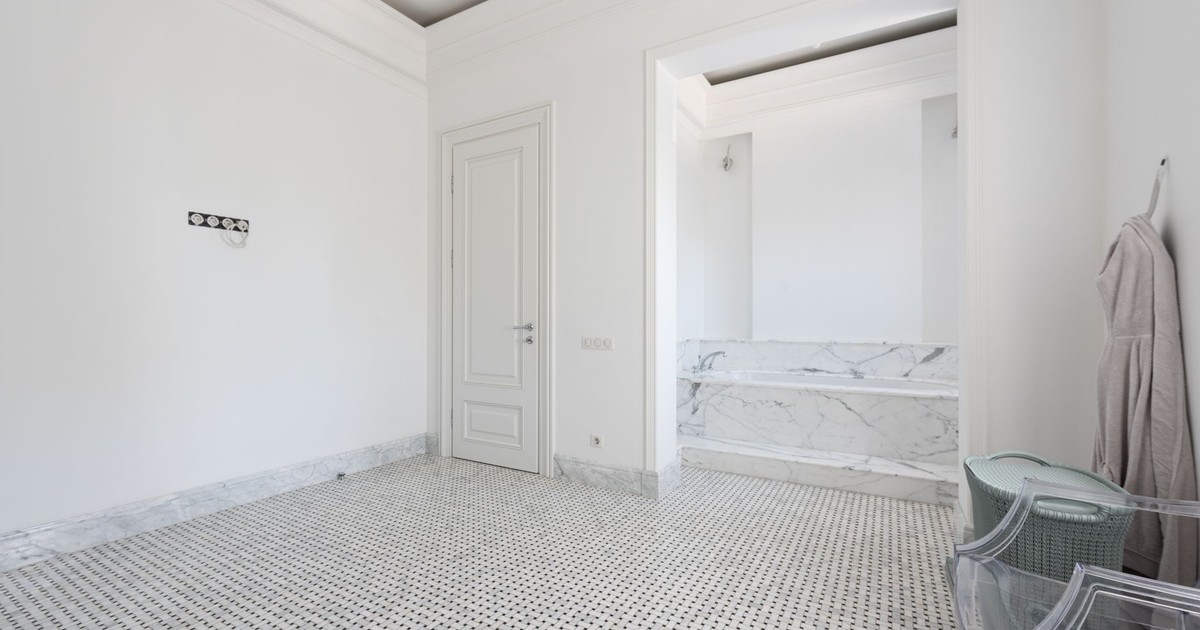
CBS News reported that an estimated 47% of residential buildings in the United States contain mold or dampness. That’s nearly half of all homes. A 2025 study published in PLOS One and led by Dr. Traci Adams, Assistant Professor of Internal Medicine at UT Southwestern Medical Center, found that mold growth in homes is a significant trigger for hypersensitivity pneumonitis (HP), an inflammatory lung disease. The study, which is the largest to date linking home mold exposure to HP, found that among 231 patients with the condition, 54 developed it due to mold exposure in their homes. A 2007 peer-reviewed analysis by Fisk and Mudarri, cited by both the EPA and NIOSH, estimated that approximately 4.6 million asthma cases in the US are attributable to dampness and mold exposure in the home.
Mold thrives in bathrooms, basements, under sinks, and behind walls where moisture collects. Mold growing out of sight means many households are exposed for months or years without connecting it to their symptoms. HEPA air purifiers, bathroom exhaust fans, and dehumidifiers – targeting indoor humidity below 50% – significantly reduce mold growth. If you spot visible mold covering more than 10 square feet, the EPA recommends professional remediation.
6. Formaldehyde in Flooring and Furniture

Formaldehyde is a toxic gas found in many household items, including furniture, carpets, building materials, and paints. Exposure can cause eye, nose, and throat irritation, and prolonged exposure has been linked to respiratory issues and cancer. The CDC’s Agency for Toxic Substances and Disease Registry identifies formaldehyde as a chemical used in building materials and household products including flooring, furniture, and fabric. A 2024 study in the National Library of Medicine confirmed that prolonged exposure to indoor air pollutants at high concentrations can have adverse health effects on the respiratory system, with formaldehyde among the key contributors.
New furniture and flooring off-gas formaldehyde most heavily in their first weeks, so ventilating a room aggressively after new purchases – opening windows and running fans for several days – meaningfully reduces exposure. Look for furniture labeled with California’s CARB Phase 2 certification, which sets strict limits on formaldehyde emissions from composite wood products.
7. Flame Retardants in Sofas and Mattresses
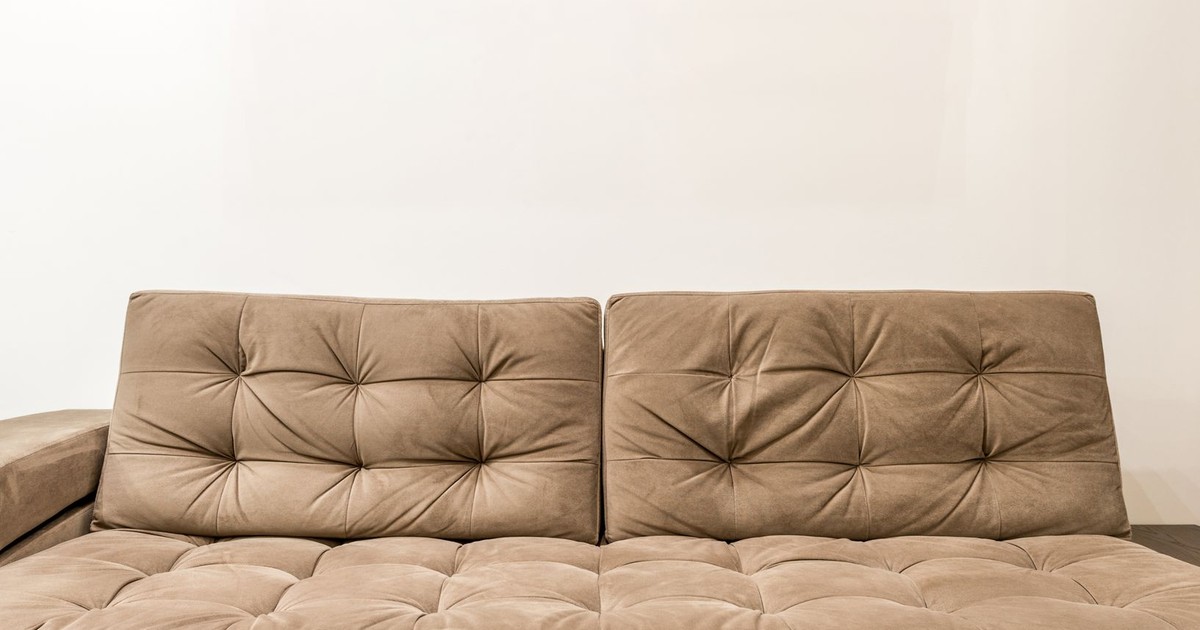
Flame retardants are additive chemicals, not bonded to the materials they’re mixed into. Over time, they migrate into the air, settle into dust, and accumulate in household environments. Polybrominated diphenyl ethers, or PBDEs, were among the most widely used flame retardants in upholstered furniture for decades. A 2025 study published in Environment International found that prenatal or early childhood concentrations of PBDEs have been associated with lower IQ scores, executive function deficits, and behavioral issues including hyperactivity.
When buying new sofas or mattresses, look for products that meet fire safety standards through fiber barriers rather than chemical additives. Brands that disclose their materials and carry GREENGUARD Gold certification are a safer choice. Vacuuming regularly with a HEPA-filter vacuum reduces the chemical-laden dust that settles on floors and furniture.
8. Toxic Things in Home Air: VOC-Emitting Paints and Cleaning Products
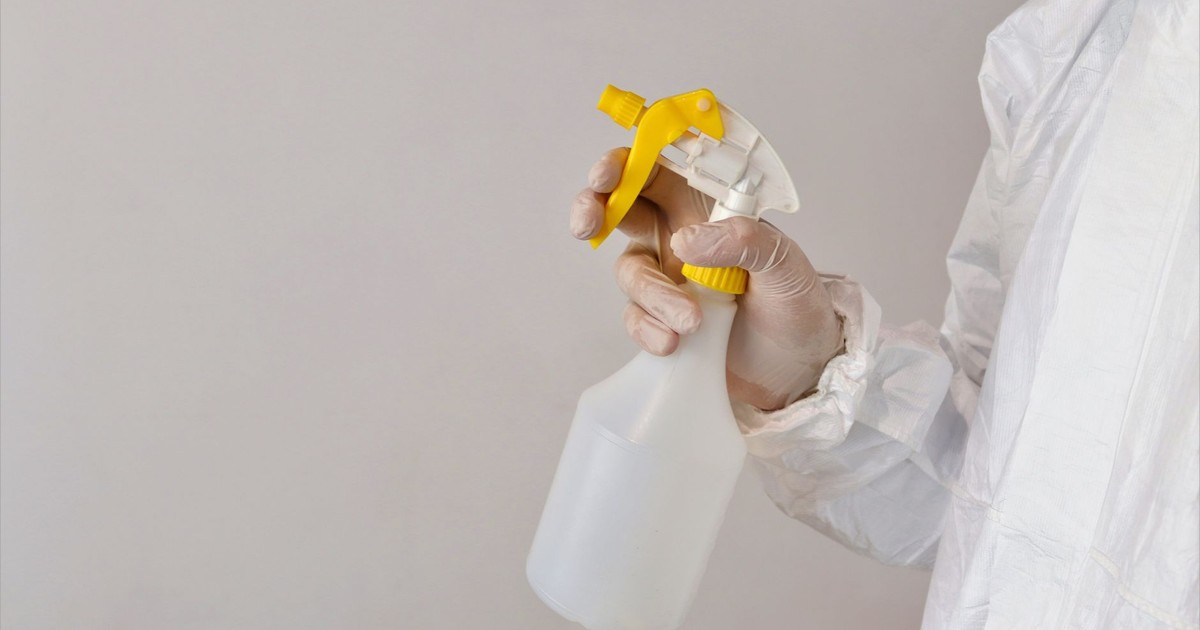
The EPA has found that concentrations of many VOCs are consistently higher indoors than outdoors – up to ten times higher in some cases. VOCs – volatile organic compounds – are chemicals that vaporize at room temperature and get inhaled. Many cleaning supplies and household products release them. Even natural fragrances such as citrus can react with indoor air to produce dangerous secondary pollutants. VOCs and other chemicals released during the use of cleaning supplies contribute to chronic respiratory problems, allergic reactions, and headaches, according to the American Lung Association.
Switching to low-VOC or zero-VOC paints when repainting rooms, and using fragrance-free or plant-based cleaning products, are the most direct reductions available. If you must use solvent-heavy products like adhesives or varnish, do so with windows open and take breaks in fresh air.
9. Scented Candles
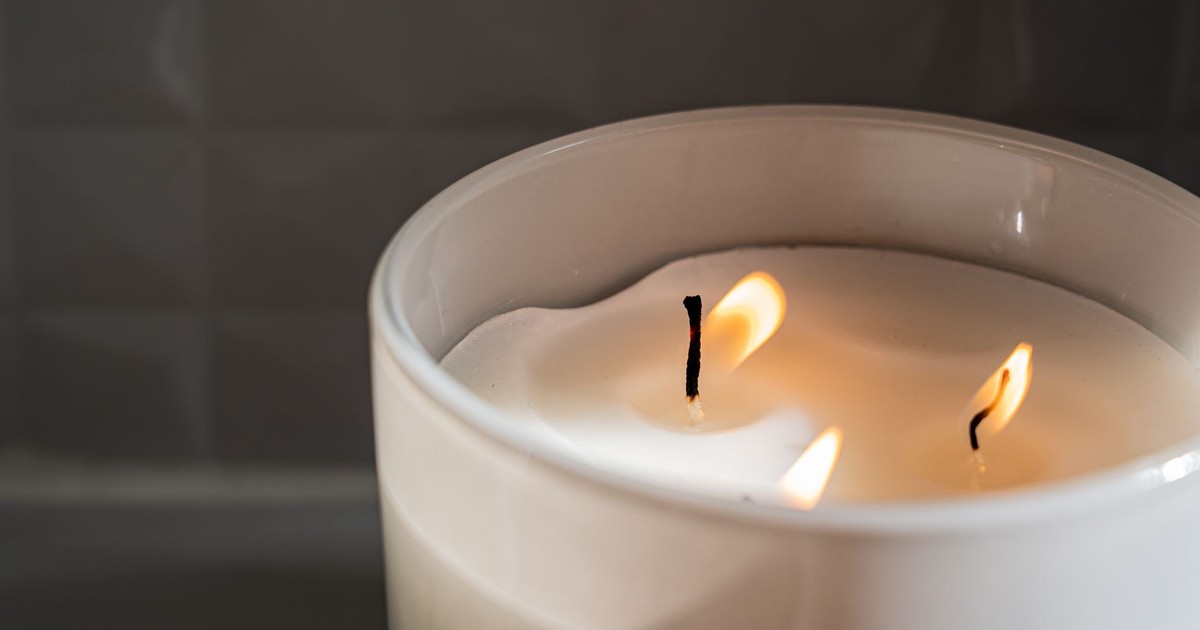
Most paraffin candles are made from petroleum byproducts, and when burned they release a cocktail of compounds into the air. Fortune noted in 2024 that VOCs from candles – including benzene, a known carcinogen, and toluene – may lead to throat irritation, dizziness, or headaches, particularly in poorly ventilated rooms.
Burn frequency and room size both determine your actual exposure. A single candle in a large, well-ventilated space creates minimal exposure; burning multiple paraffin candles in a small bedroom daily is a different equation. Switching to beeswax or soy candles with cotton wicks, or using essential oil diffusers, are lower-emission alternatives – though no candle produces entirely clean combustion.
10. Microplastics in Indoor Dust
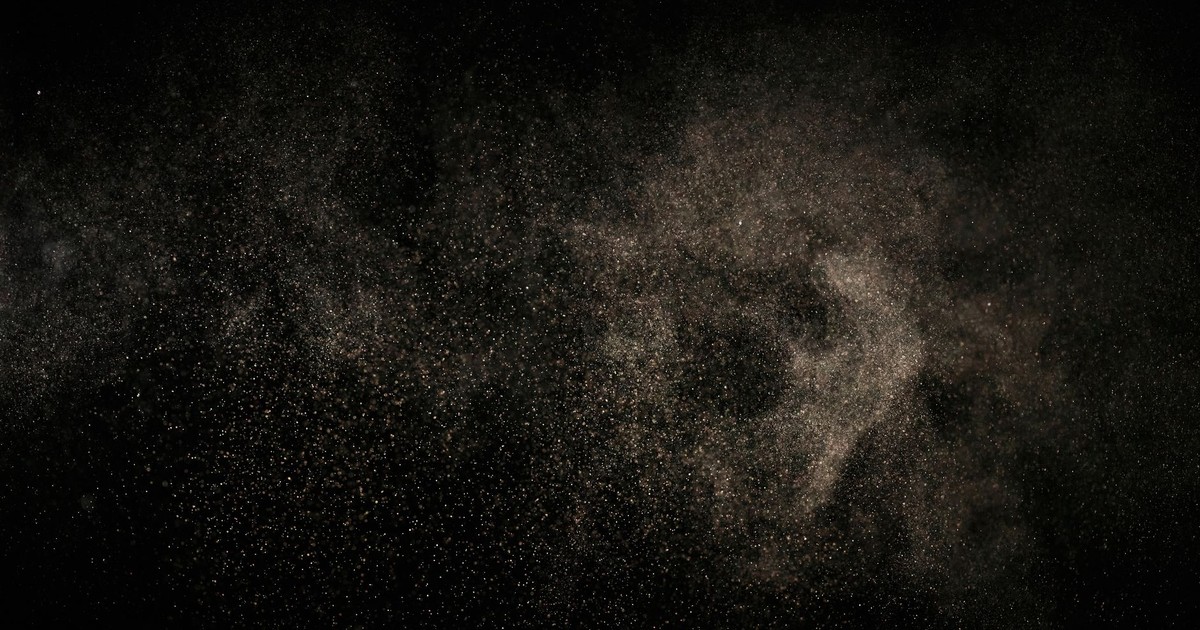
Microplastics were detected in all 108 indoor dust samples tested, drawn from 29 countries, in a 2022 study published in Science of the Total Environment. They come from synthetic textiles, plastic packaging, flooring, furniture, and electronics – shedding invisibly as these materials age and break down. The cardiovascular implications are significant: research published in 2025 found that patients whose arterial plaque contained polyethylene or polyvinyl chloride microplastics had 4.53 times higher risk of heart attack or stroke.
Vacuuming frequently with a HEPA-filter vacuum, choosing natural-fiber rugs and furnishings where possible, and improving ventilation all reduce the microplastic load in household dust significantly.
11. Radon Gas

Indoor radon is the second-leading cause of lung cancer in the United States, according to the U.S. Department of Health and Human Services. Only smoking causes more lung cancer deaths. Radon gas moves into buildings through cracks and other openings in the foundation, and indoor radon exposure is responsible for about 21,000 lung cancer deaths in the US each year, making it the leading cause of lung cancer among non-smokers.
The EPA recommends homes be fixed if the radon level is 4 pCi/L (picocuries per liter) or more, and also recommends that Americans consider fixing their home for radon levels between 2 and 4 pCi/L, because there is no known safe level of exposure to radon. Inexpensive test kits – costing as little as $15 – are available at hardware stores and online. If levels are elevated, a radon mitigation contractor can install a sub-slab depressurization system, which the EPA notes can reduce radon levels by up to 99%.
12. Arsenic in Tap Water

Arsenic is a naturally occurring mineral that causes bladder, lung, and skin cancer, as well as harm to the skin and lungs. It’s found in drinking water in all 50 states from both human and natural sources, and can also contaminate food – particularly rice and rice-based products – according to the Environmental Working Group’s Tap Water Database. Drinking water with low levels of arsenic over a long period is associated with diabetes and increased risk of cancers of the bladder, lungs, liver, and other organs.
In 2001, the EPA set a legal limit for arsenic in drinking water of 10 parts per billion – but the EPA’s own analysis showed that this limit was not low enough to protect public health, with up to 600 out of every million people potentially developing cancer from lifetime exposure at that level. If you’re on well water or in an older municipal system, test your water. Point-of-use reverse osmosis filters are certified to remove arsenic and are far cheaper than the associated health costs.
13. Dryer Sheets and Synthetic Fabric Softeners
The chemicals in conventional dryer sheets don’t rinse away. They’re designed to stay embedded in fabric – meaning they transfer to skin during every hour you wear or sleep in treated clothing. A major chemical concern in fabric softeners is a class of compounds called quaternary ammonium compounds (“quats”), which make clothes feel soft but are known to trigger asthma and may be toxic to the reproductive system, according to the Environmental Working Group’s analysis of fabric softener ingredients.
Wool dryer balls are a complete substitute – they soften laundry mechanically, last for hundreds of loads, and release nothing into the fabric or your indoor air. If you want fragrance, a few drops of essential oil on the ball before a cycle works without synthetic chemical exposure.
14. Synthetic Air Fresheners and Plug-Ins
Many synthetic fragrance compounds are derived from petroleum. Exposure to these compounds has been linked to impacts on the central nervous system, the reproductive system, and the respiratory tract, with some classified as carcinogenic. The problem is compounded by the fact that fragrance is legally protected as a trade secret – manufacturers are not required to disclose which specific compounds make up a scent.
Plug-in air fresheners release these compounds continuously, directly into the breathing zone of every person in the room. Beeswax candles, essential oil diffusers, or simply identifying and addressing odor sources (rather than masking them) are cleaner alternatives.
15. Indoor Pesticide Sprays and Pest Control Strips

Household pesticides – including insecticides, rodenticides, and herbicides – contain toxic chemicals designed to kill pests. Exposure to pesticides can cause a range of health effects, including skin irritation, respiratory problems, and neurological damage. Certain pesticides have been linked to developmental delays and an increased risk of chronic illnesses like cancer.
The risk inside the home is often higher than outdoors because the chemicals don’t disperse as readily. Diatomaceous earth (a natural powder that kills insects by damaging their exoskeletons), boric acid bait stations, and physical exclusion like sealing cracks are effective for most household pest problems without chemical residue concerns.
16. Dry-Cleaned Clothing Brought Indoors

Tetrachloroethylene (also called perchloroethylene or PCE) is the solvent used by most dry cleaners. When clothing treated with PCE is brought home, the chemical off-gasses into the indoor air, particularly in the hours and days after pickup. Researchers have found a strong association between PCE exposure and serious liver scarring in people with no other obvious risk factors. The chemical also appears in craft adhesives, stain removers, and stainless steel polishes.
If you regularly use dry cleaning services, remove the plastic bag and hang freshly cleaned items outside or in a well-ventilated area for at least a few hours before bringing them into the main living space. This reduces indoor off-gassing significantly.
17. Old Nonstick Cookware
Nonstick pans coated with PTFE (Teflon) pose a dual risk. At temperatures above 500°F, the coating can break down and release fumes capable of causing flu-like symptoms in humans and, in documented cases, killing pet birds. Older pans also retain traces of PFOA, the chemical used in the original manufacturing process, which is a probable carcinogen. When the nonstick coating begins to chip or scratch, those particles enter food directly.
Cast iron, stainless steel, and ceramic cookware are all proven alternatives. If you’re keeping nonstick pans, use them at medium heat, never use metal utensils, and replace any pan with visible scratching or coating damage.
18. Bleach Mixed with Other Cleaners
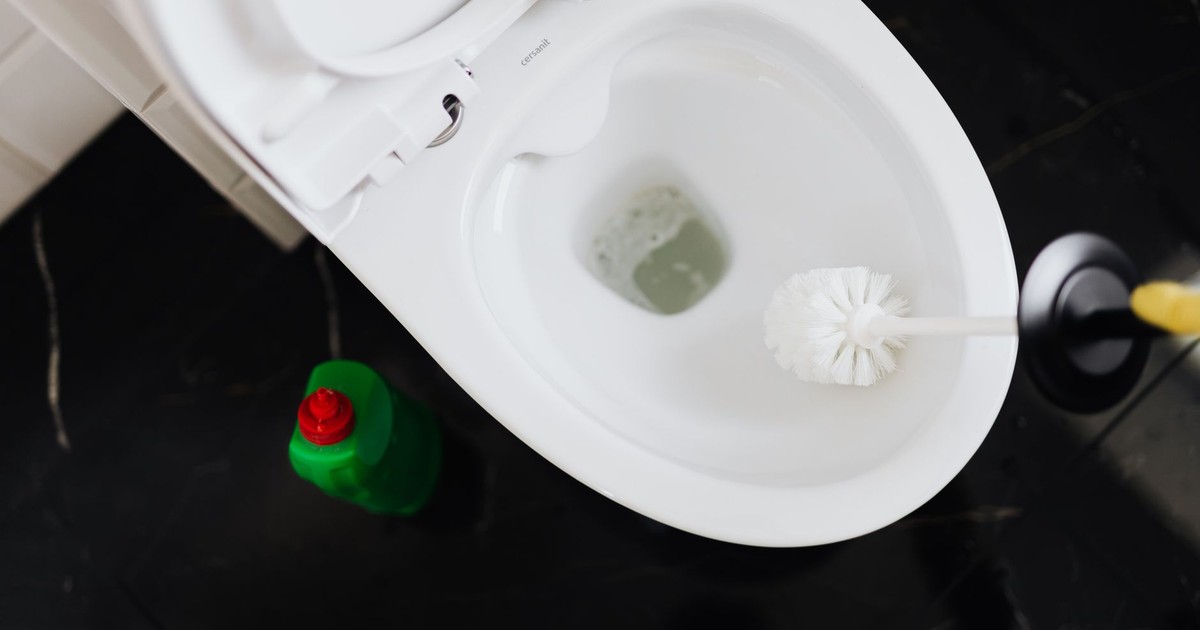
Ammonia and bleach are common household cleaners, but they should never be mixed. The combination produces toxic chloramine vapors, and inhaling these vapors can cause respiratory problems, throat burns, and more severe health consequences. Bleach also reacts with acids: mixing bleach with vinegar releases toxic chlorine and chloramine vapors, which can cause chemical burns in the lungs and eyes.
Even used alone, bleach is a respiratory irritant. As a strong corrosive substance, bleach can affect the respiratory system if inhaled and can irritate or burn the skin and eyes. Wearing gloves, using a ventilated space, and keeping bleach entirely separate from other cleaning products is non-negotiable.
19. Carbon Monoxide Sources (Gas Appliances, Attached Garages)
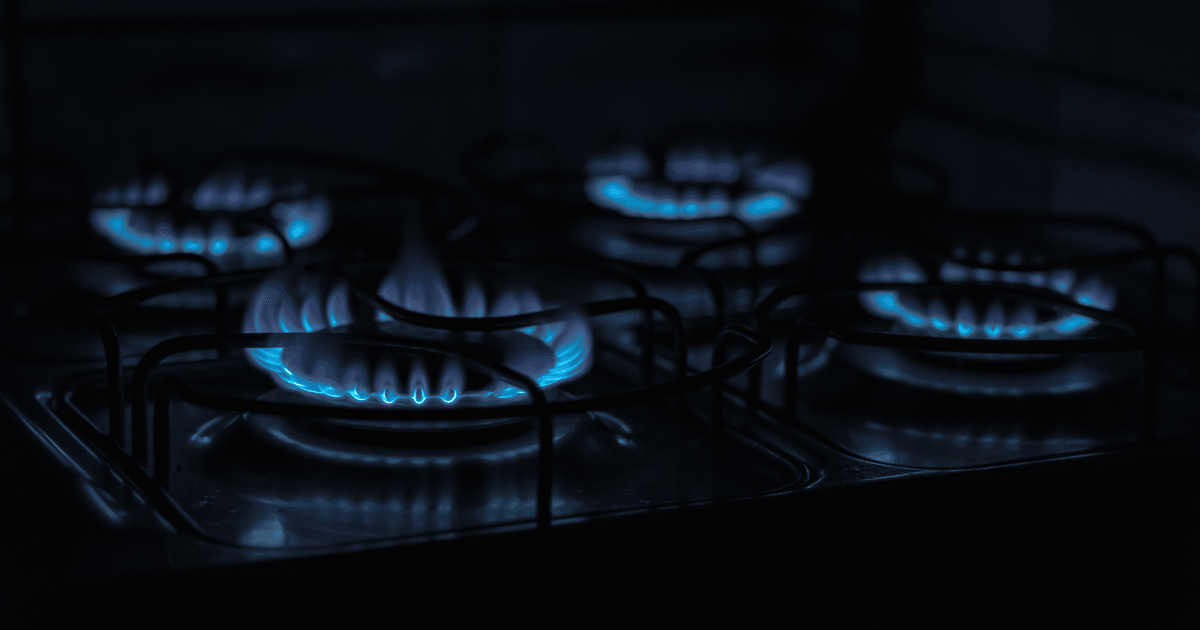
Carbon monoxide is produced by incomplete combustion of fuels – gas stoves, furnaces, water heaters, fireplaces, and car engines. It binds to hemoglobin in the blood about 250 times more effectively than oxygen, making it lethal at sustained exposures that produce no visible warning signs. According to the CDC, carbon monoxide poisoning kills more than 400 Americans annually, with thousands more hospitalized.
Install CO detectors on every level of the home, particularly near sleeping areas. Have gas appliances inspected annually. Never run a car, generator, or gas-powered tool inside an attached garage or enclosed space – even with the door open.
20. Asbestos in Older Building Materials
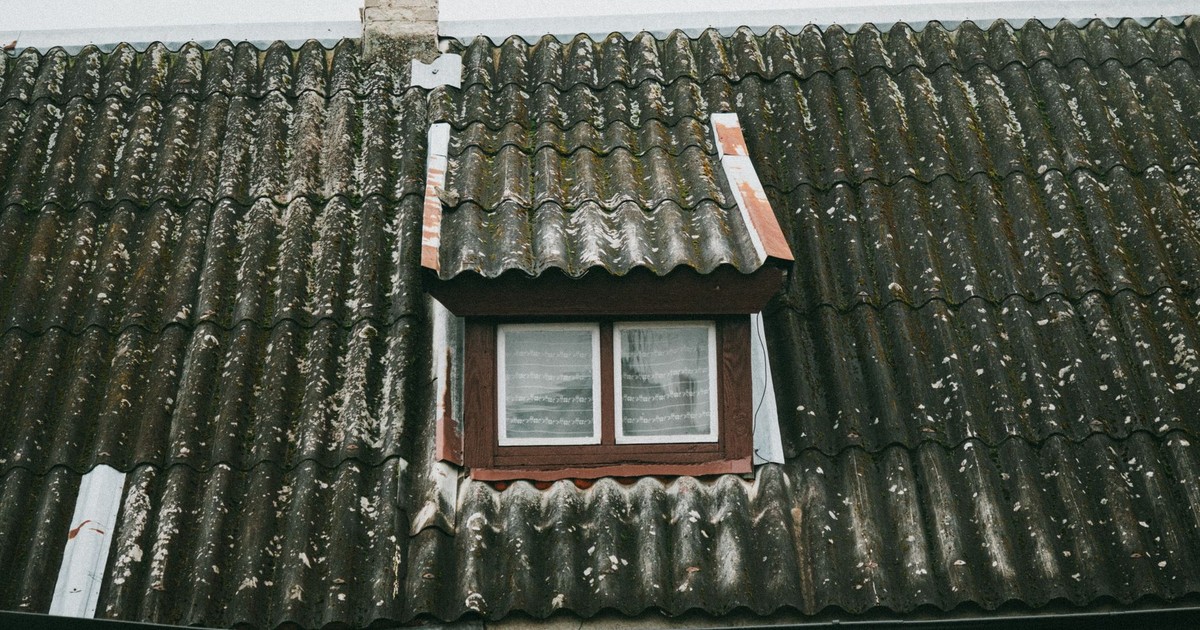
Homes built before 1980 may contain asbestos in floor tiles, pipe insulation, textured ceiling coatings (like popcorn ceilings), and around heating ducts. Asbestos fibers, when disturbed, become airborne and lodge permanently in lung tissue. The National Cancer Institute lists asbestos as a known human carcinogen, with mesothelioma – a cancer of the lining of the lungs and abdomen – virtually exclusively caused by asbestos exposure.
Undisturbed asbestos poses minimal risk, but any renovation of an older home that involves cutting, drilling, or sanding materials that might contain asbestos requires professional testing first. Asbestos abatement is a licensed profession for a reason.
21. Conventional Oven Cleaners
Oven cleaners contain caustic chemicals such as sodium hydroxide or potassium hydroxide, which can cause severe burns to the skin and eyes upon contact. Inhalation of oven cleaner fumes can irritate the respiratory tract. These products work by chemically dissolving grease – and the same corrosive mechanism that breaks down carbonized food residue will damage mucous membranes if inhaled in an enclosed kitchen.
Self-cleaning oven cycles use high heat to burn off residue, and while they release some fumes themselves, a paste of baking soda and water left overnight achieves similar results without the chemical hazard. Ventilate heavily if using any commercial oven cleaner.
22. Volatile Organic Compounds in Personal Care Products
Hair sprays, nail polish, nail polish remover, perfumes, and some sunscreens all release VOCs into the indoor environment at the moment of application and for some time afterward. Many of these personal care products used in small, poorly ventilated bathrooms can produce acute effects similar to those from cleaning products – eye irritation, throat discomfort, and headaches. Over years, daily exposure to multiple VOC-containing products adds up to a meaningful cumulative load.
Using these products near an open window or with a bathroom exhaust fan running is a simple and effective reduction strategy. The EWG’s Skin Deep database scores personal care products for chemical safety and can help identify lower-VOC alternatives for the products you use most often.
Read More: PFAS are in the US Food Supply, here’s why you should care
What to Do Now

Most of the toxic things in home environments can be removed or replaced in stages, prioritizing whatever items your household uses most often and at the highest frequency. A scratched nonstick pan used daily is a higher priority than a vinyl floor tile that stays undisturbed. Radon testing costs around $15 and takes less than 90 days – with that one test, you either rule out the second leading cause of lung cancer in non-smokers, or you take action while there’s still time.
Start with the easiest swaps: BPA-free food storage, wool dryer balls instead of fabric softener sheets, a CO detector, and low-VOC cleaning products. Then test your water and your home’s radon level. From there, work through the bigger items – cookware, furniture, flooring – as budget and timing allow. Every substitution reduces your cumulative chemical load, and the research consistently shows that cumulative load is what drives long-term risk.
Disclaimer: This information is not intended to be a substitute for professional medical advice, diagnosis, or treatment and is for information only. Always seek the advice of your physician or another qualified health provider with any questions about your medical condition and/or current medication. Do not disregard professional medical advice or delay seeking advice or treatment because of something you have read here.
AI Disclaimer: This article was created with the assistance of AI tools and reviewed by a human editor.
Read More: The Safest Laundry Detergents: A Simple Guide to Non-Toxic, Eco-Friendly Washing