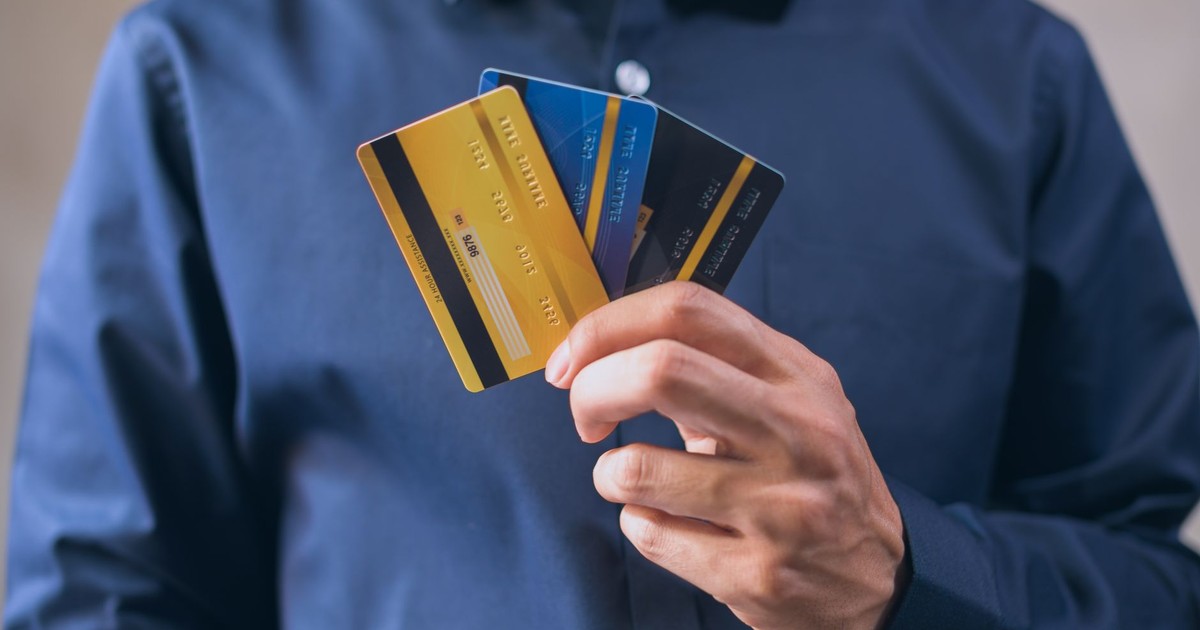

Your card might be your most reliable financial tool most of the time. But knowing where not to use a credit card, or a debit card, can matter just as much as knowing where to use one. The two look nearly identical in your wallet, yet they behave completely differently when something goes wrong. One freezes your actual cash. The other shields it. The gap between those two outcomes can be the difference between a minor annoyance and a financial emergency.
Most people swipe out of habit. They tap, insert, or click without stopping to think about what the merchant’s terminal, the Wi-Fi network, or the platform sitting between them and the transaction is actually doing with their card data. Criminals have noticed. And the numbers behind modern card fraud make a compelling case for being a lot more deliberate about where, and how, you use your card.
Credit card fraud is accelerating fast, with 154,480 cases reported to the FTC Consumer Sentinel Network in just the first quarter of 2025 alone – a number that puts 2025 on pace to be a record year. Scammers steal card information through skimming and shimming devices placed on or inside payment terminals, often found at gas stations and ATMs. But physical terminals are only part of the problem. The risk follows your card number everywhere it goes. Here are ten places where that risk is simply too high to ignore.
1. Gas Station Pumps
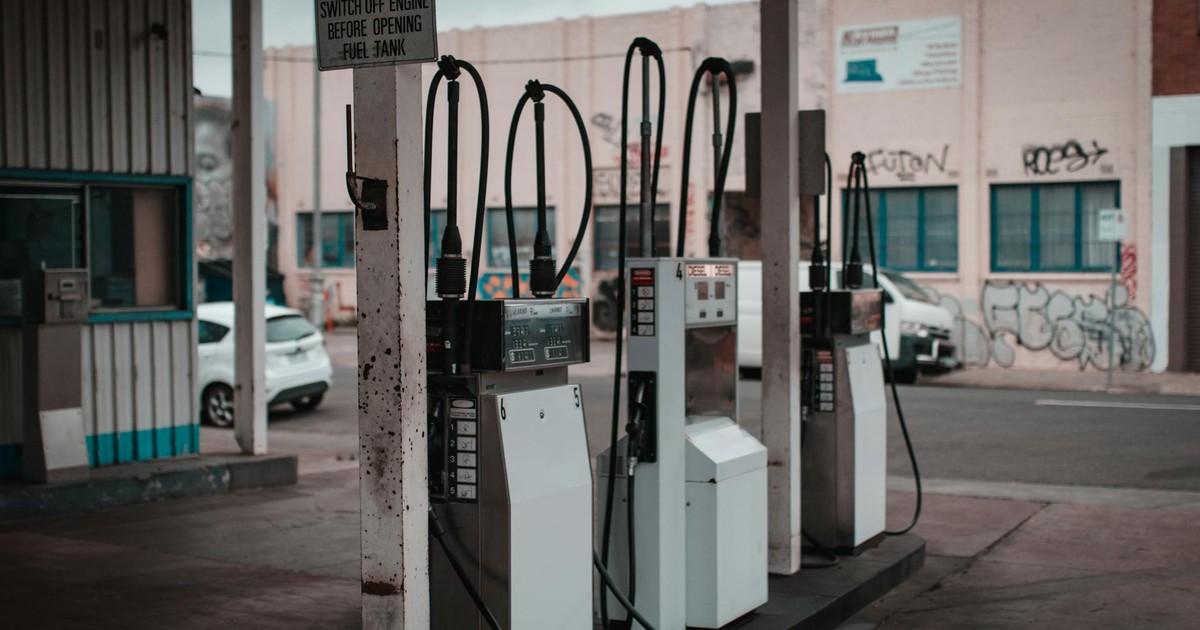
Gas pumps are the single most targeted location for card skimming in the United States. The pumps at the outer edges of a station lot are especially vulnerable because they’re harder for staff to monitor. In 2025, law enforcement visited more than 9,000 businesses and removed 411 illegal skimming devices from gas pumps, ATMs, and point-of-sale terminals, preventing an estimated $428.1 million in losses.
Skimming costs financial institutions and consumers more than $1 billion each year. Card skimming attacks surged 90% in 2025, though early 2026 data from FICO shows a decline, suggesting enforcement pressure is starting to have an effect. Still, a 90% surge in a single year is not a minor uptick. It represents a massive industrialization of fuel-pump fraud.
The fix is straightforward. Use tap-to-pay or a digital wallet like Apple Pay or Google Pay whenever a pump supports it. These methods generate a one-time transaction code that becomes worthless the moment the payment is processed. A skimmer capturing that data gets nothing useful. If you must insert a physical card, use a credit card, never a debit card, and choose pumps closest to the station entrance where cameras and staff provide some deterrent.
2. Standalone and Off-Brand ATMs
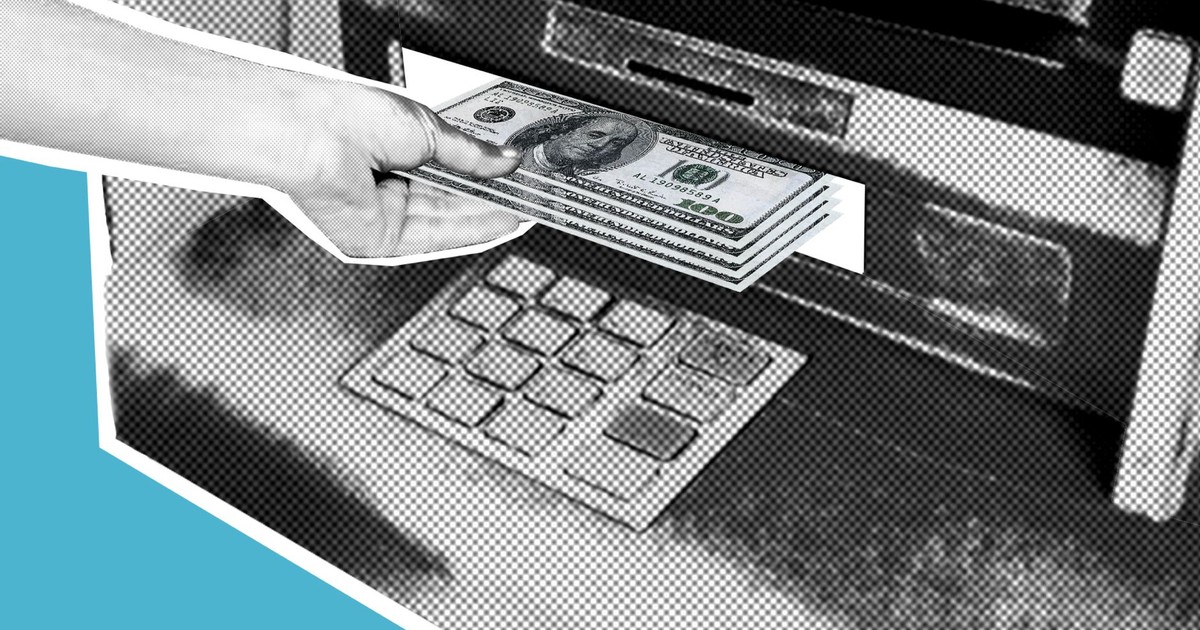
Not all ATMs are created equal. The ones inside bank branches operate under constant surveillance and regular maintenance checks. The ones bolted to walls in convenience stores, airport corners, or tourist areas often don’t. ATM skimming attacks are up nearly 280% since 2022, according to consumer finance data tracked by the FDIC. Over 280,000 debit cards were compromised due to skimming in 2025, with nearly 3,400 financial institutions affected.
As chip cards made traditional skimming harder to avoid, a newer technique called shimming has emerged to steal data from the EMV chip itself. These “super skimmers” are much harder to detect than their predecessors. The risk is compounded by the fact that debit card withdrawals pull real money from your checking account immediately. If a skimmer grabs your card details and PIN, your balance can be drained before you notice.
The majority of compromises still occur at non-bank ATMs, like free-standing terminals in convenience stores, so debit card users should remain vigilant and cautious when using any point-of-sale terminal, ATM, or other location where a fraudster could have planted a card skimmer, according to FICO. If you need cash abroad or in an unfamiliar area, withdraw a larger amount at a vetted machine so you’re making fewer transactions overall. Always shield your PIN when entering it, even if nobody appears to be watching. Some hidden cameras are barely larger than a pinhole.
3. Social Media Shopping Ads
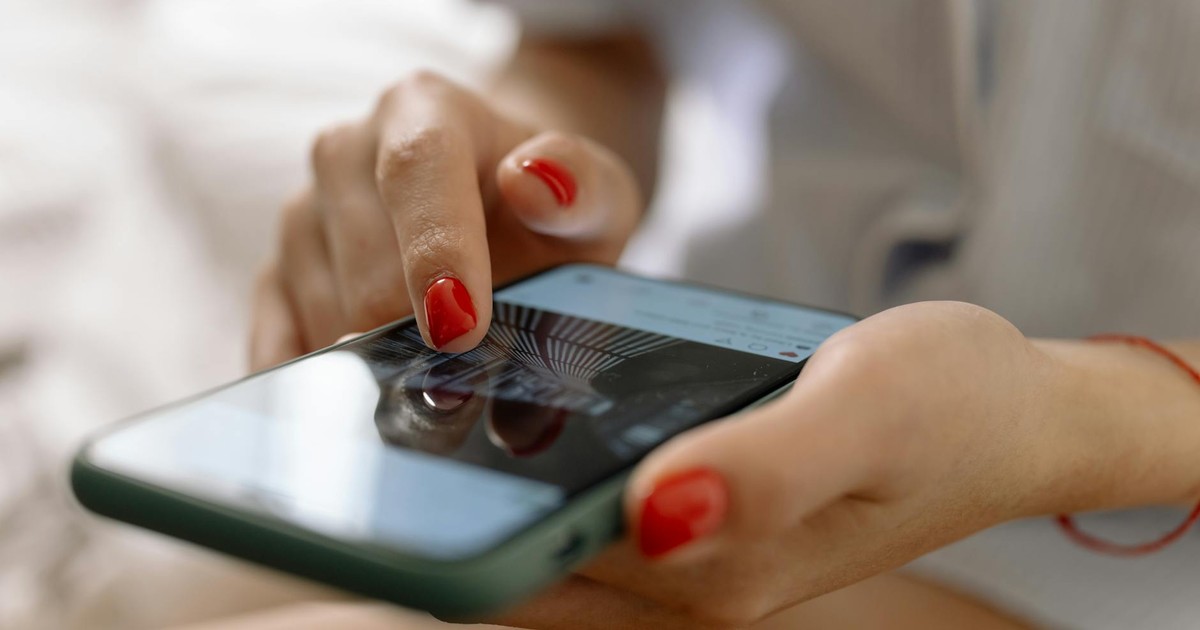
Scrolling through a feed and tapping a product ad feels like convenient shopping. But that convenience has a real cost attached. New FTC data show that in 2025, nearly 30% of people who reported losing money to a scam said it started on social media, with reported losses reaching $2.1 billion – the costliest fraud contact method of the year. Social media scam losses have increased eightfold since 2020, far surpassing any other contact method used by scammers to reach consumers.
Facebook was the originator of scams that cost consumers $794 million in reported losses. Investment scams that originated on social media resulted in $1.1 billion in losses, more than half the total amount lost to social media scams in 2025, according to FTC data. These aren’t exclusively investment traps either. Fake storefronts selling counterfeit goods, phishing checkouts dressed up as legitimate retailers, and sponsored ads leading to lookalike websites are all common vectors.
Before entering card details anywhere a social media ad sends you, look up the merchant independently. Check that the URL is the actual brand’s domain, not a close imitation. Look for reviews outside the brand’s own page. When in doubt, go directly to the retailer’s official website rather than clicking through an ad. If a deal feels too good to walk away from, that’s often the point.
4. Where Not to Use a Credit Card Online: Unfamiliar or Unsecured Websites
Payment fraud targeting online transactions is growing more complex and sophisticated, with the criminal use of AI and increasingly standardized malware acting like a digital burglar’s toolkit, according to the latest report from Recorded Future. Every time you enter card details on a website, you’re trusting that the merchant has secured their payment infrastructure. Many haven’t.
One particularly dangerous tool allows fraudsters to rewrite the code on an online retailer’s payments page and steal card data as transactions happen – attacks known as Magecart. A 2026 fraud intelligence report from Recorded Future and Mastercard found there were 10,500 such attacks active in 2025, compromising over 23 million online transactions.
Only shop on sites where the URL begins with “https” and where a padlock icon appears in the browser bar. Even then, if you don’t recognize the retailer, consider using a virtual card number (offered by many credit card issuers) that generates a temporary card number for a single transaction. Avoid saving your card details on any website, and never shop on a site you reached through a pop-up or unsolicited email. If the site looks newly built, has no reviews older than a few months, or pushes aggressive urgency tactics, close the tab.
5. Public Wi-Fi Networks

Cafes, airports, hotel lobbies, and shopping malls all offer free Wi-Fi. It’s one of travel’s small conveniences. Using your card on those networks, though, is a different matter entirely. Public networks, including those in hotels and cafes, are often not secure, making them prime targets for cybercriminals. Many hotel Wi-Fi networks don’t encrypt the data traveling between your device and the router, meaning a hacker on the same network could intercept usernames, passwords, and credit card details.
Hackers use a tactic called a “man-in-the-middle” attack to intercept data between your device and the site you’re visiting. They also set up fake networks that mimic the venue’s official Wi-Fi name, complete with convincing network names designed to fool you. Security experts strongly advise avoiding hotel Wi-Fi for sensitive online activities like banking or entering credit card details, since this information can directly facilitate identity or financial theft.
The rule is simple: never enter card details over public Wi-Fi. If you need to make a purchase urgently, switch to your phone’s mobile data connection. If you travel frequently and rely on hotel or airport networks, a reputable VPN adds a layer of encryption that makes interception significantly harder. Think of it as a private tunnel your data moves through, even on a shared network.
6. Hotels (with a Debit Card)
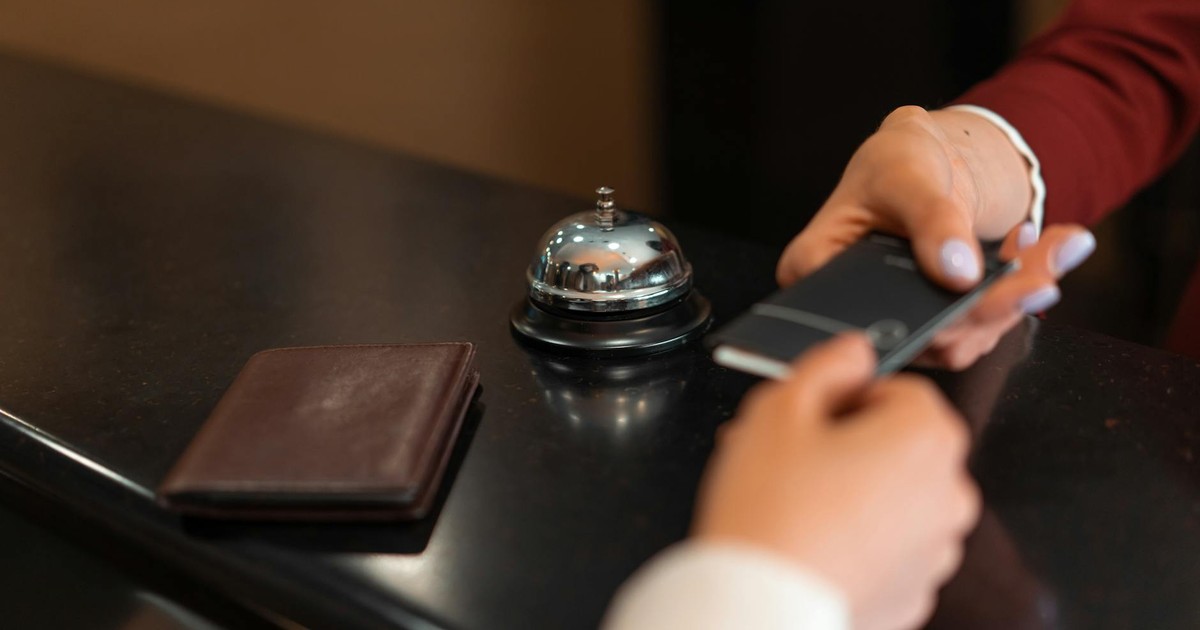
This one surprises people. Hotels are legitimate businesses, yet using a debit card at check-in creates a financial trap that has nothing to do with fraud. It’s about how authorization holds work. Hotels place a temporary hold on your card to cover incidentals. With a credit card, that hold is a blocked chunk of available credit. With a debit card, it’s your actual money.
Most hotels place holds ranging from $50 to $300 per night. That money isn’t gone, but it isn’t spendable. You can’t use it for groceries, bills, or anything else until the hotel releases the hold. After checkout, it can take anywhere from two to seven business days for the hold to fall off your debit card, and some banks take even longer. If you check out on a Friday, the weekend delay alone can tie up hundreds of dollars until the following week.
Debit card holds can also result in overdraft fees if the account balance is insufficient when the hold is applied. Use a credit card for hotel check-ins to keep your checking account liquid and protect your cash. If you don’t have one, call ahead and confirm the hold amount so you’re not caught short during your stay.
7. Peer-to-Peer Payment Apps
Venmo, Cash App, Zelle, and similar platforms have become so common they feel like a natural extension of spending. The fraud risk, though, is real and growing. When consumers pay a scammer with a credit card, debit card, or payment app, it is most often tied to online shopping fraud, typically involving a consumer clicking on an ad and purchasing from a fake website for goods that never arrive, according to FTC data.
Beyond outright scams, there’s also the question of how these apps treat your card. Funding a Venmo payment with a credit card, for example, may trigger a cash advance fee from your card issuer. Cash advances carry higher interest rates that start accumulating immediately with no grace period. According to FTC data, median individual losses for payment app scams were $380, ahead of credit cards at $136 and debit cards at $110.
Stick to bank transfers, not card payments, when using P2P apps. Only send money to people you know in person, and never via a platform after being asked by a stranger online. If someone pressures you to use a specific payment app, treat it as a red flag. Legitimate transactions rarely come with urgency and a required payment method.
8. Buying Cryptocurrency
Most people don’t realize that buying crypto with a credit card often isn’t treated as a regular purchase. Many major card issuers classify it as a cash advance the moment it goes through. Cash advance fees typically run 3% to 5% of the transaction amount. The APR on cash advances is usually higher than standard purchase rates, and interest starts accruing from day one with no grace period – meaning you owe money from the moment you tap “buy.”
That means if you charge $1,000 worth of crypto to your card, you could owe $30 to $50 in fees instantly, plus high-rate interest from day one. If the crypto then drops in value, you’re left paying premium interest on an asset that’s already worth less than you paid. It’s a compounding problem in both directions.
Beyond the cost, crypto platforms are also prime targets for account fraud. According to a 2026 Recorded Future payment fraud report, the number of stolen credit card records accessible for sale dropped by almost 20% in 2025, but the increasing sophistication of attacks means criminals can make better use of what they do access. If you want to buy crypto, use funds transferred directly from your bank account, not a card.
9. Restaurants Where Your Card Leaves Your Sight

This risk is older than the internet, but it hasn’t disappeared. When a server takes your physical card to a terminal out of your view, there’s a brief window where your card details can be captured manually or with a small skimming device. Gas stations, bars, and restaurants are among the riskiest places to use debit cards due to skimming vulnerability.
The problem is compounded with debit cards. If your debit card has an unauthorized transaction and no physical card was stolen, you could be on the hook for the full charge if you wait longer than 60 days after receiving your statement to report it. However, you’re not responsible for the cost if your credit card information is used to make a fraudulent purchase but your physical card isn’t lost or stolen. That liability gap is significant.
If a restaurant offers pay-at-table devices, use them. If not, pay with a credit card rather than a debit card, and check your statement within a few days of dining. Some card issuers also let you set up instant transaction alerts, which can flag a fraudulent charge before it compounds into something larger.
10. Romance Scams and Unfamiliar Online Contacts

This final category isn’t a location so much as a situation, but it deserves its place on this list. Nearly 60% of people who reported losing money to a romance scam in 2025 said it started on a social media platform, according to the FTC. The pattern follows a predictable script: connection, affection, then a financial request framed as urgent and deeply personal.
Scammers increasingly direct victims toward payment apps and cryptocurrencies once emotional trust is established, specifically because these methods are the hardest to reverse. But credit and debit cards are also used in these scenarios, often through fraudulent links to fake payment pages or investment platforms. Credential theft surged 160% in 2025, with 1.8 billion logins stolen from 5.8 million infected hosts, per Recorded Future data – a reminder of how large and well-resourced the criminal infrastructure behind these scams has become.
No legitimate relationship, whether romantic, business, or even a “friend in need,” requires you to send money via a card link from someone you haven’t met in person. The moment a payment is requested by an online contact you’ve never met face-to-face, stop. Do not send anything. Contact the FTC at reportfraud.ftc.gov if you believe you’ve been targeted.
Read More: How to Optimize Your iPhone for 2026: 5 Key Settings to Change
What to Do Now

The thread running through all ten items on this list is the same: awareness. Card fraud thrives on habits and assumptions. The habit of tapping without thinking. The assumption that a terminal is clean, a website is secure, or a contact is who they claim to be. The FTC’s Sentinel Network received 6.5 million consumer reports in 2024, and that figure keeps climbing. Financial losses tied to fraud and identity-related crimes are rising at a compounding pace, more than doubling over the past four years from approximately $5.4 billion in 2021 to over $11 billion in 2024. Those numbers represent real people who didn’t expect it to happen to them.
Practical steps include declining offers to save your payment information on websites and using digital wallet services like Apple Wallet or Google Wallet, which generate transaction-specific codes rather than transmitting your actual card number. Set up real-time alerts on every card you carry so you see every charge the moment it posts. Review statements weekly, not just monthly. And when in doubt about where not to use a credit card, default to the safest option: tap-to-pay with a credit card, or don’t pay there at all.
—
SEO_TITLE: 10 Places You Should Never Use a Credit or Debit Card SOCIAL_TITLE: 10 Places You Should Absolutely Never Swipe Your Card FOCUS_KEYWORDS: where not to use credit card, credit card fraud, debit card skimming, ATM skimming, social media scams, card-not-present fraud, Magecart attacks AI_DISCLAIMER:
SUGGESTED_CATEGORY: Money & Finance
Disclaimer: This information is not intended to be a substitute for professional financial advice, investment advice, tax advice, or legal advice, and is provided for informational purposes only. Always seek the guidance of a qualified financial advisor, accountant, or other licensed professional regarding your personal financial situation or investment decisions. Do not make financial, investment, or tax decisions based solely on information presented here. Past performance is not indicative of future results, and all investments carry risk, including the potential loss of principal.
AI Disclaimer: This article was created with the assistance of AI tools and reviewed by a human editor.
Read More: 11 Things My Parents Never Had to Do Because My Mom Didn’t Work