

Aleve (naproxen sodium) has a longer duration of action than ibuprofen – one tablet can last up to 12 hours, which is part of why so many people reach for it to manage arthritis, back pain, or chronic inflammation. That same long half-life, the time a drug remains active in the body, is also what makes its risks compound faster than most people expect when the pills start stacking up daily.
The box says “use for the shortest time necessary.” Most people treat that as boilerplate. For millions of Americans who take Aleve regularly, sometimes for weeks or months at a stretch, that sentence is carrying far more weight than the font size suggests. The side effects that accumulate over long-term use go well beyond the heartburn and stomach upset listed on the label, and several of them can develop without any warning signs at all.
Knowing these Aleve long-term side effects isn’t about avoiding a useful medication. It’s about using it with eyes open, and knowing when to have a real conversation with your doctor about your options.
1. Gastrointestinal Bleeding and Ulcers – Often Without Warning
Among the commonly used over-the-counter NSAIDs, naproxen carries a significantly elevated stomach bleeding risk. A 2026 systematic review and meta-analysis published in Clinical Pharmacology & Therapeutics, which examined data through January 2025, found that naproxen was associated with a pooled odds ratio of 4.31 for gastrointestinal bleeding compared to non-NSAID use – meaning more than four times the baseline risk. For comparison, ibuprofen demonstrated the lowest significant risk among non-selective NSAIDs, with an odds ratio of 2.28. That gap doesn’t get enough attention at the pharmacy counter.
The FDA’s naproxen prescribing label confirms that NSAIDs cause an increased risk of serious gastrointestinal adverse events, including bleeding, ulceration, and perforation of the stomach or intestines – events that can occur at any time during use and without warning symptoms. What makes this particularly insidious is how quietly it develops. Only one in five patients who develop serious upper GI adverse events while on NSAID therapy actually experience warning symptoms, meaning four out of five people with a developing ulcer or bleed feel nothing unusual until it becomes a crisis.
Elderly patients and patients with a prior history of peptic ulcer disease or GI bleeding are at greater risk for serious GI events. Patients with a prior history of peptic ulcer disease face greater than a tenfold increased risk of GI bleeding while on NSAIDs. If you have ever had an ulcer and you’re currently taking Aleve regularly, that’s a conversation your doctor needs to be part of.
2. Cardiovascular Risk – Starting in the First Week

Based on studies of NSAID use, the FDA now requires prescription non-aspirin NSAID labels to state that the risk of heart attack or stroke starts as early as the first week of NSAID use and increases with prolonged use. UT Southwestern Medical Center’s patient education resource on NSAIDs and heart health explains this requirement directly – the risk applies broadly, not just to people who already have heart disease.
The FDA naproxen prescribing information states that NSAIDs cause an increased risk of serious cardiovascular thrombotic events, including myocardial infarction and stroke, which can be fatal, and that this risk may occur early in treatment and may increase with duration of use. An analysis of data from nearly 450,000 patients found that celecoxib, diclofenac, ibuprofen, naproxen, and rofecoxib all increased heart attack risk, with the greater risk becoming apparent in the first week of treatment.
Naproxen is sometimes described as the “safer” NSAID from a cardiovascular standpoint compared to drugs like celecoxib or diclofenac, and there is some evidence to support that. But safer-than-others is not the same as safe. The FDA-mandated label language states that the risk of heart attack or stroke starts as early as the first week of NSAID use, and that heart risk is greater at higher doses. Continuous daily use over weeks or months is not where the risk-benefit math works in the patient’s favor.
3. Kidney Damage and Chronic Kidney Disease
The kidneys rely on a group of chemicals called prostaglandins to maintain adequate blood flow. Aleve reduces prostaglandins, and that reduction can cause problems with kidney function, because once blood flow to the kidneys drops, the organs start to struggle with their basic job of filtering waste from the blood.
NSAIDs have long been regarded as dangerous for use in patients with chronic kidney disease (CKD) because of their risk for nephrotoxicity. A review published in the American Journal of Kidney Diseases by the National Kidney Foundation examined the evidence on NSAID use in CKD patients and found that those with already-reduced kidney function face the highest stakes. Naproxen-containing products are not recommended for use in patients with moderate to severe renal impairment due to the risk of metabolite accumulation, meaning the drug’s byproducts building up in the body because the kidneys can’t clear them properly.
The insidious part of kidney damage from NSAIDs is the same as with GI injury: it often develops without symptoms. Kidney function can decline significantly before a person feels anything at all. For anyone taking Aleve daily for chronic pain, asking your doctor for a basic kidney function panel – a blood test called a creatinine or eGFR check – once or twice a year is a reasonable precaution.
4. High Blood Pressure and Fluid Retention
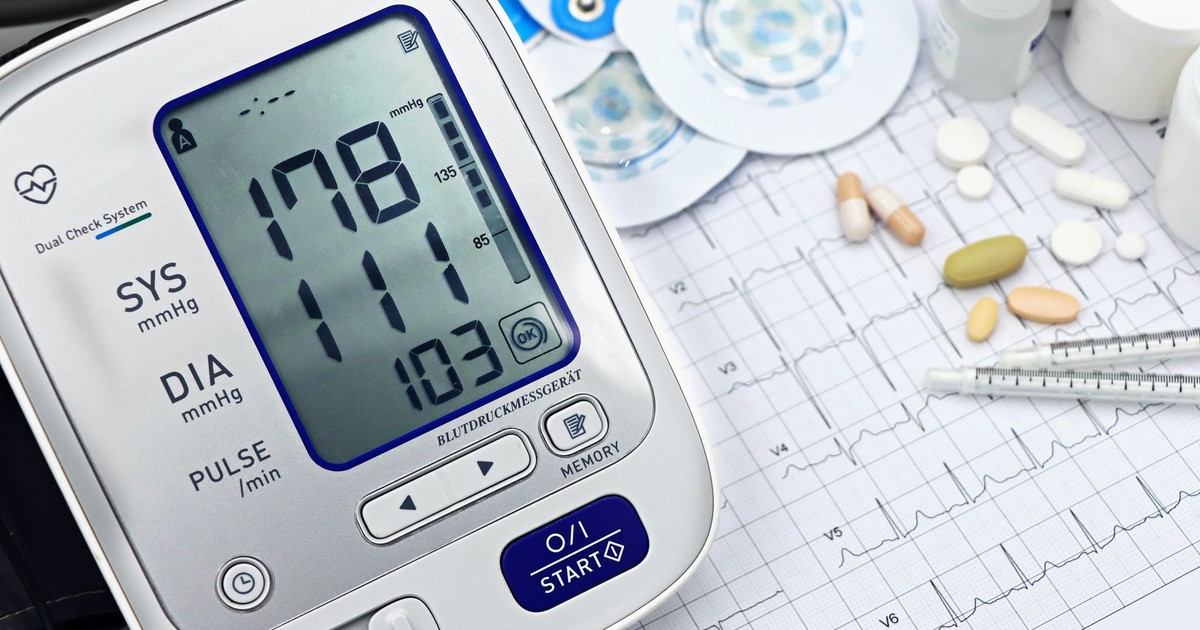
Aleve causes the body to retain water, which increases the load on the heart. In blocking prostaglandins, naproxen also interferes with the kidney’s ability to excrete sodium and fluid, causing both to accumulate. The result shows up in two ways: elevated blood pressure and visible swelling.
Approximately 9% of people taking naproxen experience swelling, and 3% develop edema specifically in the hands, feet, and ankles. For most people this resolves when they stop taking the drug, but for those with existing heart failure or high blood pressure, extra fluid isn’t just uncomfortable. It can tip an already-stressed cardiovascular system toward crisis.
Concomitant use of naproxen with ACE inhibitors, angiotensin receptor blockers, or beta-blockers may diminish the antihypertensive effect of these drugs, and blood pressure should be monitored. If you’re already managing hypertension with medication, regular Aleve use can effectively work against that treatment. Check your blood pressure at home regularly if you take Aleve more than occasionally, and alert your doctor if the numbers start to climb.
5. Heart Failure Risk
Heart failure – where the heart can’t pump blood efficiently enough to meet the body’s needs – is a condition NSAIDs can both trigger in healthy people and significantly worsen in those already living with it. The naproxen prescribing information states that NSAIDs cause an increased risk of serious cardiovascular thrombotic events, including myocardial infarction and stroke, and that this risk may occur early in treatment and increase with duration of use.
The mechanism connects directly to the fluid retention described above. When the body holds extra sodium and water, blood volume increases. The heart has to pump harder to move that extra volume, and in a heart that’s already compromised, that additional load can push it past the point of compensation. Patients should alert their healthcare provider immediately if they experience shortness of breath, trouble breathing while lying down, or unexplained swelling while taking naproxen.
For people who don’t yet have heart failure but take Aleve regularly for years, this risk sits in the background – not dramatic, but cumulative. The combination of mildly elevated blood pressure, increased fluid load, and direct cardiovascular strain from NSAID-related thrombotic effects adds up over time.
6. Liver Injury
Naproxen is actually the least likely NSAID to cause serious liver injury – a fact worth knowing. But “least likely” doesn’t mean the risk isn’t real. Naproxen is a popular over-the-counter NSAID widely used for mild-to-moderate pain and arthritis, and it has been associated with rare cases of clinically apparent drug-induced liver injury, according to the NIH’s LiverTox database, last updated July 20, 2025.
The typical case resembles acute hepatitis and arises within 1 to 6 weeks of starting naproxen. Among 55 cases of drug-induced liver injury attributed to NSAIDs enrolled in a U.S. database between 2004 and 2022, only 1 was attributed to naproxen – far fewer than diclofenac (29 cases) or ibuprofen (5 cases). A 2024 analysis of U.S. Veterans Administration electronic health records published in JAMA Internal Medicine identified hospitalizations for acute liver injury attributed to prescribed medications and found that naproxen’s rate was among the lowest of any NSAID studied.
The practical takeaway here is straightforward: if you’re taking Aleve regularly and also drinking alcohol, you’re layering two liver stressors. If you notice yellowing of the skin or eyes (jaundice), unusual fatigue, or dark urine while on naproxen, those are signals to stop the medication and contact a doctor promptly.
7. Drug Interactions That Amplify All of the Above
Long-term Aleve use rarely happens in a vacuum. Many of the people most likely to take it daily – those managing arthritis, chronic back pain, or cardiovascular risk – are also taking other medications. Those combinations can significantly amplify naproxen’s risks.
Blood thinners like warfarin combined with naproxen require careful monitoring for bleeding, since both drugs interfere with hemostasis. Combining Aleve with other NSAIDs – including low-dose aspirin taken for heart protection – multiplies GI damage without multiplying pain relief. Concomitant use of naproxen and analgesic doses of aspirin is not generally recommended.
Antihypertensive medications prescribed to lower blood pressure can be partially counteracted by naproxen’s blood pressure-raising effects, potentially undermining years of careful blood pressure management. Diuretics, which are often prescribed for heart failure or fluid retention, work by helping the kidneys eliminate sodium and water. Naproxen works in the opposite direction, causing the kidneys to retain both. Concomitant use of naproxen with ACE inhibitors and ARBs in elderly, volume-depleted, or renally impaired patients may result in deterioration of renal function. Anyone on more than two regular medications should run their Aleve use past their prescribing doctor or pharmacist specifically to check for interactions.
Read More: Health Alert for Ibuprofen, Naproxen and Aspirin Users Over Potentially Serious Risks
What This Means for You
Aleve is a genuinely effective pain reliever. For short-term, occasional use, most healthy adults tolerate it well. The problems documented here are tied specifically to long-term use – daily or near-daily use over weeks, months, or longer – and they tend to develop silently, without the warning symptoms that would normally prompt someone to stop.
The naproxen label directs patients and providers to carefully consider the potential benefits and risks before deciding to use naproxen, and to use the lowest effective dose for the shortest duration consistent with individual patient treatment goals. For arthritis and chronic pain patients, that principle is often hard to follow without alternatives in place.
The practical step is a direct conversation with your doctor – specifically about whether your current dose and duration are still medically justified, whether a kidney function test or blood pressure check is overdue, and whether a different pain management approach such as topical NSAIDs, acetaminophen, physical therapy, or others might carry a lower systemic risk for your situation. If you’ve been on Aleve for more than a few weeks without medical supervision, that conversation is overdue.
Disclaimer: The author is not a licensed medical professional. The information provided is for general informational and educational purposes only and is based on research from publicly available, reputable sources. It is not intended to constitute, and should not be relied upon as, medical advice, diagnosis, or treatment. Always consult a licensed physician or other qualified healthcare provider regarding any medical condition, symptoms, or medications. Do not disregard, avoid, or delay seeking professional medical advice or treatment because of information contained herein.
AI Disclaimer: This article was created with the assistance of AI tools and reviewed by a human editor.