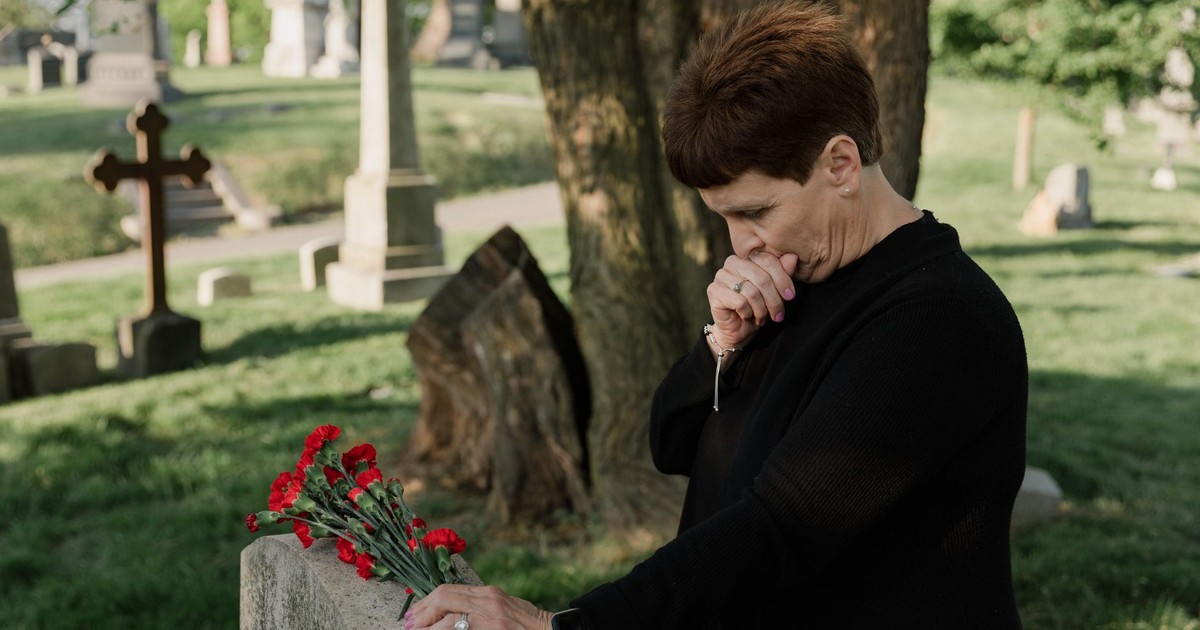

Surviving spouses face a 66% higher chance of dying in the first three months after their partner’s death. That finding, from research at Harvard T.H. Chan School of Public Health, doesn’t get easier to read on second pass. The loss of a long-term partner triggers one of the most severe biological stress responses the human body can experience, and for people over 60, the consequences ripple outward far beyond emotions.
Grief and the demands of daily life arrive simultaneously. Paperwork, phone calls, financial decisions, well-meaning relatives, and your own body’s needs all keep pressing without pause. In that collision, certain mistakes get made. The brain under intense grief is genuinely operating differently, and some of the decisions made in those first weeks or months carry consequences that are difficult to undo.
The ten items below are the ones that matter most: the things to avoid, and the things that need doing even when doing anything feels impossible.
1. Making Major Financial Decisions Too Soon
Grief can temporarily affect attention, judgment, and decision-making, especially in the weeks and months following a major loss. Because of that, it is often wise to avoid making large, irreversible financial decisions immediately unless there is a clear and urgent need. When possible, a trusted estate attorney or a fee-only financial planner can help distinguish between tasks that require prompt action and those that can safely be delayed.
Research in bereavement and stress psychology consistently shows that recent loss can impair cognitive performance and increase susceptibility to rushed or emotionally driven decisions. In practical terms, this is why major choices—such as selling a home, restructuring investments, paying off a mortgage in full, or making significant financial gifts—are often better approached after some emotional stabilization. Preserving liquidity is frequently more important in the short term than eliminating debt or making permanent financial changes.
The immediate focus should remain on essentials: maintaining cash flow, paying necessary bills, and covering funeral or end-of-life expenses. Most other financial and legal decisions can be staged over time rather than handled all at once.
2. Overlooking Benefits and Assets You Don’t Know About

In many long-term partnerships, one person manages most of the finances. When that person dies, the surviving spouse may not know the full picture of what they have, what they’re owed, or what deadlines are approaching. Suddenly being responsible for bills, investments, and financial decisions you’ve never handled before is disorienting, and it’s easy to miss things that have real dollar consequences.
Beyond Social Security, surviving spouses should review all death benefits they may be entitled to, including life insurance policies, annuities, stock options, pensions, and benefits if the deceased served in the military or worked for the federal government. When one spouse dies, the survivor can collect their own Social Security check or the deceased’s, whichever is higher. Widows can begin taking survivor benefits at age 60, or age 50 with a qualifying disability.
Notifying the Social Security Administration also triggers a one-time lump-sum death benefit of $255 to the surviving spouse. That payment comes with a hard deadline: survivors must apply within two years of the date of death or it is permanently forfeited. Request multiple certified copies of the death certificate from the funeral home, as 10 or more copies are commonly needed across financial institutions, insurers, and government agencies.
3. Ignoring the Physical Toll on Your Own Body

A 2024 cohort study published in JAMA Network Open, which followed 13,824 participants in the Health and Retirement Study, found that widowhood is associated with functional decline and increased one-year mortality in older adults with dementia and cancer. Even without a pre-existing condition, the body under bereavement is under measurable physical stress. According to the Age in Action journal, prolonged stress alters the immune system, raising the risk of illness, and grief may adversely affect self-care and daily living activities, compounding health risks over time.
Skipping meals, forgoing medications, stopping exercise, and breaking sleep patterns are all common in early bereavement. These are understandable responses, but they compound. Understanding your new income level and making sure critical expenses, including healthcare, continue to be covered is essential. Setting up automatic bill payments helps reduce the risk of missed payments. The same applies to medical appointments: don’t cancel them.
4. Withdrawing Completely from Your Social Network

A 2021 scoping review in Current Opinion in Psychiatry found that nearly one in four older bereaved spouses experience prolonged grief or chronic depression. Social isolation is one of the clearest risk factors for that outcome. Pulling away from friends and family in early grief feels natural. You may not want to burden people, or being around others may feel exhausting. The longer the withdrawal, the harder re-entry becomes.
In prolonged grief disorder, avoidance of painful reminders of the permanence of a death can contribute to isolation and functional impairment. The social connections you shared with your partner are precisely the ones grief may push you to avoid. Maintaining even small, low-demand contact – a brief call, a walk with a neighbor, a family dinner – keeps the door open while you heal.
Social support has been shown to be beneficial during the grieving process and can help counteract the widowhood effect. If grief is still acutely disrupting your daily life after 12 months, that’s a signal to speak with a doctor. Evidence-based psychotherapy is the first-line treatment for prolonged grief disorder, with approaches like Prolonged Grief Disorder Therapy (PGDT) and Acceptance and Commitment Therapy (ACT) having strong research support.
5. Selling the Family Home Too Quickly

The instinct to sell the home immediately after a partner dies is one of the most common and most regretted decisions made in early bereavement. It can feel like the house is too large, too full of memories, too expensive. Acting on that instinct within the first year often has consequences that can’t be undone.
One critical tax consideration is the capital gains exclusion on a primary residence. According to IRS Publication 523, surviving spouses can use the full $500,000 capital gains exclusion when selling the home, but only if the sale occurs within two years of the spouse’s death. After that window closes, the surviving spouse is treated as a single filer and can exclude only $250,000. Selling too quickly, without proper tax guidance, can also mean forfeiting this benefit before you’ve had time to think clearly about whether you even want to move. Speak with a tax professional before listing.
Beyond taxes, grief temporarily impairs the kind of long-term thinking a home sale requires. Moving to a new city to be closer to adult children, downsizing to an unfamiliar community, or liquidating the home into cash you then don’t know how to manage are decisions that deserve at least a year of stable emotional footing before being made.
6. Mishandling Trusts and Beneficiary Designations

If your spouse had a will or trust, you’ll need to obtain a copy and identify the executor or trustee and beneficiaries. Many surviving spouses don’t realize that the administrative work around a trust is highly specific, and mistakes in that process carry real consequences. Commingling personal funds and trust assets after a spouse’s death can create accounting problems, potentially invalidate certain trust provisions, and lead to conflicts with beneficiaries and unexpected tax consequences.
Beneficiary designations on retirement accounts, life insurance policies, and investment accounts operate independently of a will. Even if your partner’s will says one thing, the beneficiary designation on file with the brokerage or insurance company controls who actually receives those assets. After losing a spouse, reviewing your own will and beneficiary designations for retirement and investment accounts is essential – these documents may now need updating to reflect your changed circumstances.
Don’t delay this step. Beneficiary forms that haven’t been updated can direct assets to an ex-spouse, a deceased parent, or an estranged family member. A single conversation with an estate attorney in the weeks following your partner’s death can prevent years of complications.
7. Falling for Scams Targeting Newly Bereaved Adults

Financial fraud often follows the death of a spouse. Scammers frequently target older individuals and those who are emotionally or financially vulnerable, using tactics such as high-pressure sales pitches and promises of risk-free returns. The timing is deliberate: newly bereaved adults are often managing finances alone for the first time, are emotionally distracted, and may be unfamiliar with how their accounts work.
Criminals scan obituaries for biographical information and use it to access accounts or file fraudulent tax returns. The information in a typical obituary – full name, address, date of birth, surviving family members – is enough to attempt identity theft or open fraudulent accounts. Consider asking the funeral home to publish a limited version of the obituary, or delay its public release by a few days.
According to the FBI’s 2023 IC3 Elder Fraud Report, illegal call center schemes overwhelmingly target older adults: adults over 60 made up 40% of complainants in that category and absorbed 58% of the losses, nearly $770 million. Romance scams are a particularly serious risk for bereaved adults. The FBI’s Internet Crime Complaint Center recorded over 6,470 romance and confidence scam complaints from adults over 60 in 2023, with losses exceeding $350 million. Anyone who initiates contact online shortly after a loss and quickly professes deep feelings or asks for money is a red flag, not an opportunity for connection.
8. Making Impulsive Investment Changes

A major financial mistake after losing a spouse involves radically changing investments during emotionally difficult periods. Market downturns, fear, and uncertainty often tempt grieving spouses to move retirement savings entirely into cash or overly conservative investments. Moving money in a panic can permanently reduce long-term returns, especially for someone who may need those funds to support 20 or 30 more years of retirement.
Talk with a tax or investment professional about choices such as whether you can keep your spouse’s retirement accounts as inherited accounts, transfer them into an inherited IRA in your name, or roll them over into your own IRA. The financial and tax considerations are complex, and what you do will affect required minimum distributions (RMDs) – the minimum amount the IRS requires you to withdraw from retirement accounts each year after a certain age. Making these rollovers without guidance can result in immediate and significant tax bills. A well-established rule across fee-only financial planning practices: make no irreversible investment decisions for at least six months after a loss.
9. Giving Away Money Too Quickly to Family

Grieving spouses are often approached by family members needing financial help shortly after a death. Some survivors feel pressured to help adult children, cover funeral costs for relatives, or distribute inheritance money before they fully understand their own long-term financial picture. Emotional decision-making during grief can lead people to give away savings they later realize they needed for healthcare, housing, or retirement stability.
Delaying major gifts or loans for several months – until emotions settle and long-term budgets become clearer – protects financial security in ways that matter for retirees living on fixed incomes. You cannot know how much you need until you have a clear picture of your new income and expenses. Avoid making large financial decisions immediately after receiving a payout. Placing funds in a high-yield savings account while you build your budget and plan for your future is a straightforward way to preserve options without making irreversible choices.
10. Not Claiming Life Insurance Promptly

Bills still arrive, retirement accounts need attention, and insurance paperwork piles up while surviving spouses are expected to make complicated choices they may never have handled before. Life insurance is one area where delay has a real cost. Social Security survivor benefits can begin as early as age 60, or age 50 with a qualifying disability – and notifying the Social Security Administration also triggers the one-time $255 death benefit payment.
For life insurance claims specifically, the process moves faster than most people expect. According to Progressive Insurance Company, most insurers pay approved death benefits within 30 to 60 days of receiving a complete claim. For employer-sponsored policies, contact the human resources department of your late spouse’s employer directly for help navigating the claim process.
A useful step is to request your partner’s full employment history and contact any past employers, not just the most recent one. Group life insurance policies from previous employers are frequently overlooked and go unclaimed.
Read More: 4 Reasons Why Most Older Adults Don’t Live Much Past 80
What to Do Now

The months immediately after a partner dies carry a particular financial vulnerability. Grief accelerates some decisions and delays others, and both directions create risk. People make quick financial moves hoping to simplify their situation, then discover later those decisions created tax problems, reduced benefits, or permanently affected retirement security. Others wait too long on time-sensitive claims – life insurance, Social Security, beneficiary updates – and forfeit benefits that took decades of work to accumulate.
The practical path through this period has three parts: an estate attorney for trust and beneficiary questions, a fee-only financial planner for investment decisions, and a doctor for your own physical health. For the emotional weight, a grief counselor or a structured support group provides something that financial advice cannot: a place to process what has actually happened. Grief that goes unsupported doesn’t disappear – it tends to settle into the body and into behavior in ways that take years to recognize.
When you’re feeling ready, find enjoyable ways to stay connected, such as joining a book club, taking a fitness class, or participating in activities at a local community or senior center. Protecting your finances, your health, and your connections in these first months is not a betrayal of grief. It’s how you make sure you’re still standing when the fog begins to lift.
Disclaimer: This information is not intended to be a substitute for professional financial advice, investment advice, tax advice, or legal advice, and is provided for informational purposes only. Always seek the guidance of a qualified financial advisor, accountant, or other licensed professional regarding your personal financial situation or investment decisions. Do not make financial, investment, or tax decisions based solely on information presented here. Past performance is not indicative of future results, and all investments carry risk, including the potential loss of principal.
AI Disclaimer: This article was created with the assistance of AI tools and reviewed by a human editor.
Read More: 6 Retirement Expenses That Catch New Retirees Off Guard in Year One