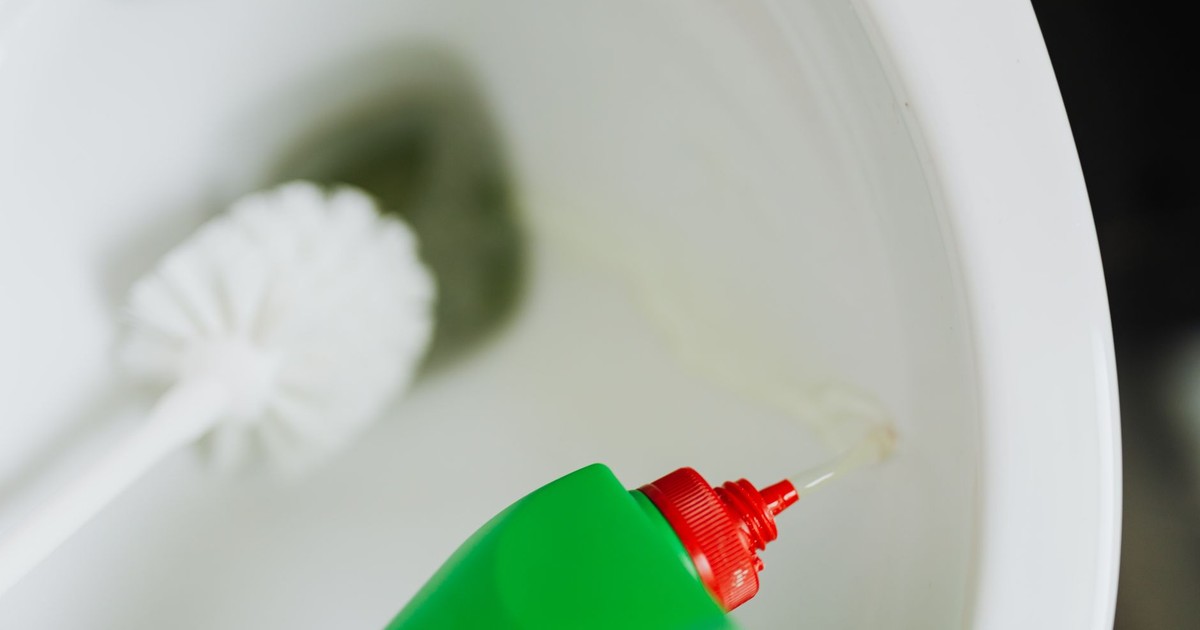

Salmonella can survive on the underside of a toilet rim for up to 50 days. Not on the seat. Not on the floor. On the rim itself, right where every flush sends a fine mist. A 2021 review in the Journal of Applied Microbiology found that Salmonella bacteria can colonize the underside of the rim of toilets and persist for up to 50 days. That finding changes the stakes of toilet ring removal from purely cosmetic to something worth taking more seriously.
The ring itself is only part of the story. According to Blueland, toilet bowl rings are usually caused by a combination of hard water mineral buildup and bacteria. Both work together, and they’re remarkably common. About 85% of U.S. homes have some level of hard water, according to the U.S. Geological Survey. If your toilet keeps coming back with that brownish or pinkish band no matter how often you clean, your water supply is almost certainly the reason.
Some rings aren’t from minerals at all. A bacterium called Serratia marcescens produces a pink or reddish film that can grow in moist environments including toilet bowls, as documented in peer-reviewed research on the organism’s environmental persistence. Treating a bacterial ring with a descaling product won’t work, and treating a mineral ring with bleach alone won’t remove the deposit. Knowing which type of ring you’re dealing with is the first step to removing toilet rings for good.
1. Vinegar and Baking Soda
This combination sits in almost every kitchen cabinet already, and it’s legitimately effective on mild to moderate hard water stains. When vinegar and baking soda mix, they fizz and help lift stains from the bowl surface. The fizzing action is an acid-base reaction: the acetic acid in vinegar reacts with the sodium bicarbonate in baking soda, releasing carbon dioxide gas that helps mechanically dislodge mineral deposits.
To use it properly, pour one to two cups of white vinegar directly into the bowl and let it sit for at least 30 minutes before adding baking soda. Adding both at once in large quantities too quickly wastes most of the fizzing reaction before it can do any work. Once the vinegar has had time to soften the deposits, sprinkle half a cup of baking soda over the stained areas, let the reaction run for 10 to 15 minutes, then scrub with a toilet brush and flush. For heavier rings, repeat the process overnight.
This method is safe for all standard porcelain toilets and septic systems. It won’t damage your plumbing, and there are no fumes to worry about. The main limitation is time: this approach works best on stains that haven’t had years to harden into thick mineral layers. For recent or moderate rings, it’s the cleanest first option to reach for.
2. Citric Acid Powder
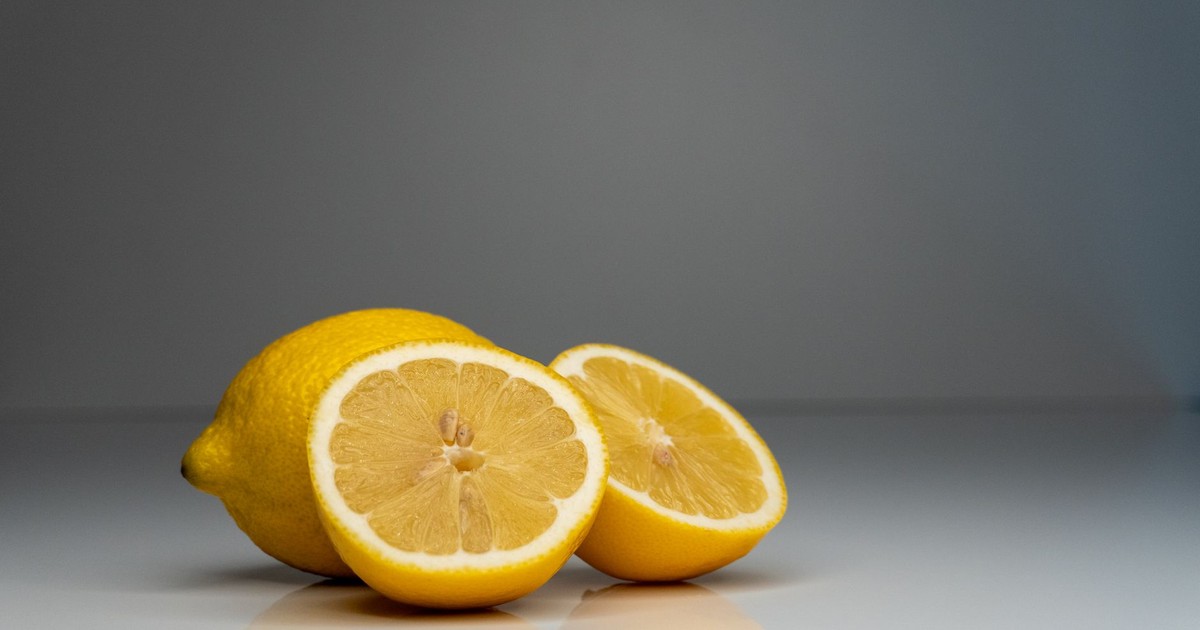
Citric acid is the same compound that gives lemons and oranges their sharp bite. In powder form, it’s considerably more concentrated than vinegar and works faster on stubborn staining. It’s a safe and eco-friendly alternative for dissolving hard water deposits, and widely recommended for households trying to avoid harsh chemicals.
Dissolve two to three tablespoons of food-grade citric acid powder in a cup of warm water, then pour it directly into the toilet bowl. Let it sit for at least an hour, or up to overnight for older stains. The acid reacts with the calcium and magnesium carbonate that make up most hard water deposits, converting them into soluble compounds that rinse away with the flush. You’ll often see the water cloud slightly as the minerals dissolve.
Citric acid powder is widely available in grocery stores and online, and it costs a fraction of most commercial toilet bowl cleaners. Because it’s food-safe in dilute form and biodegradable, it’s a smart choice for households with septic tanks or those trying to avoid harsh chemicals. It does work best on mineral-based rings; if you’re dealing with a bacterial pink stain, you’ll want to pair it with a disinfectant after the mineral buildup is cleared.
3. Pumice Stone
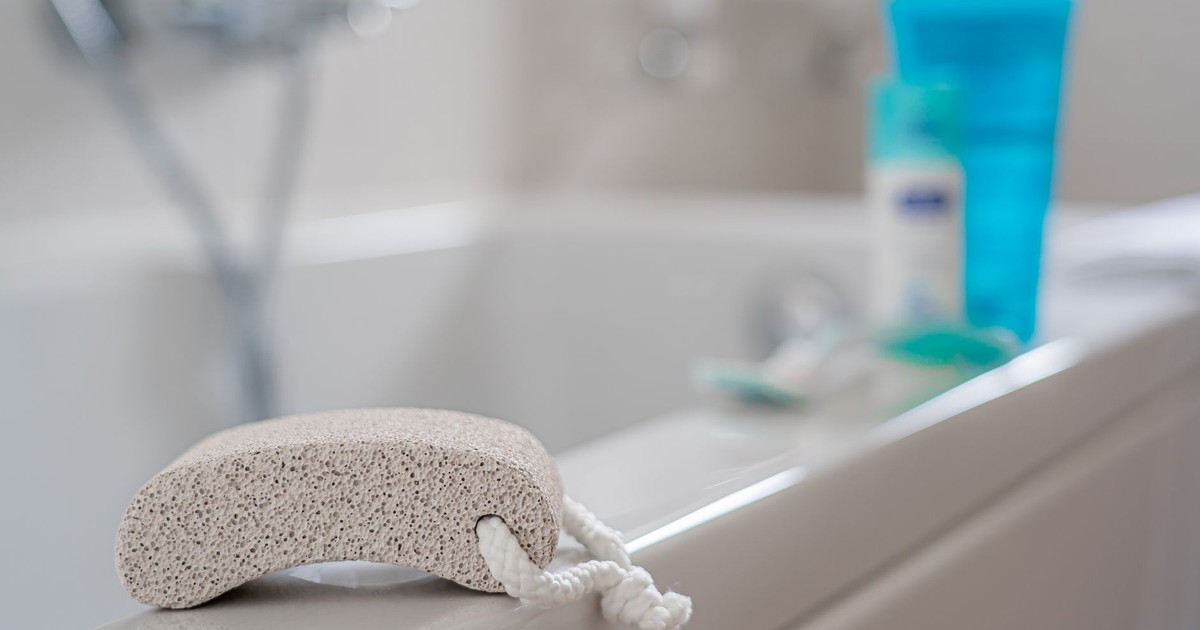
A pumice stone is volcanic rock ground into a gentle abrasive, and it remains one of the most effective physical tools for removing toilet rings that have resisted chemical treatment. Used gently, it’s one of the best choices for tough stains, helping to remove mineral deposits without harming porcelain when used correctly. The critical word there is gently.
The single most important rule with a pumice stone: the bowl surface must stay wet throughout the entire process. Dry pumice on dry porcelain will scratch. Wet pumice on wet porcelain won’t, because the thin film of water between the two surfaces cushions the abrasive contact. Run the pumice stone under the water inside the bowl before you begin, and keep reintroducing water frequently as you scrub.
Use gentle circular motions directly on the ring, and check the surface periodically. You’ll see a white paste form as the pumice wears down slightly against the mineral deposit – this is normal and confirms the process is working. Pumice stones designed specifically for toilet use are available online and in hardware stores. Standard pumice sold for skin or foot care may work in a pinch, but dedicated toilet pumice stones tend to be more durable and better shaped for the bowl’s curve.
4. Bleach to Remove Toilet Rings Caused by Bacteria
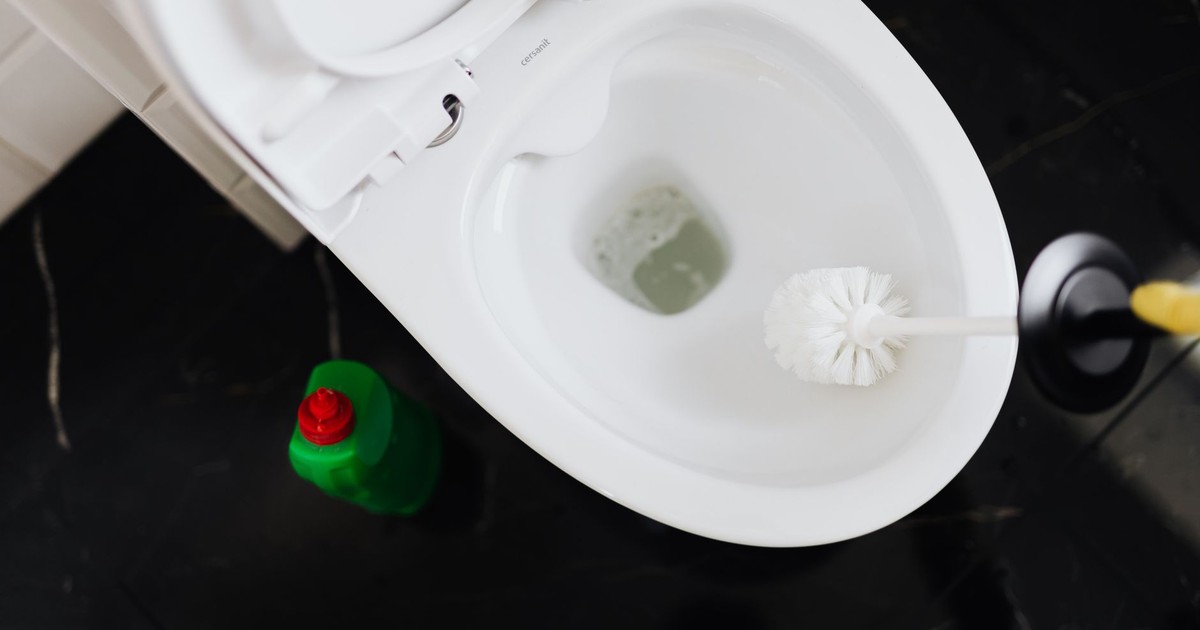
Bleach is the right tool when the ring is caused by bacteria rather than minerals. According to the CDC, bleach, which contains sodium hypochlorite, is effective at killing germs when properly diluted. For toilet bowl bacterial stains – including the pink Serratia marcescens growth – bleach applied directly to the ring and left for 10 to 15 minutes before scrubbing and flushing is the standard approach.
There’s one safety rule that cannot be skipped. The CDC warns to never mix household bleach with any other cleaners or disinfectants, as doing so can release vapors that may be very dangerous to breathe in. This means bleach should never be used in the same cleaning session as vinegar, citric acid, or any ammonia-based product unless the bowl has been thoroughly rinsed between applications. The resulting chlorine or chloramine gas is not a minor irritant – it can cause serious respiratory harm.
Bleach will not remove mineral deposits, so if your ring is a combination of bacteria and hard water buildup, the correct sequence is: descale first with an acid (vinegar or citric acid), rinse thoroughly, then disinfect with bleach. Applying bleach over a layer of mineral scale effectively bleaches the surface of the deposit rather than killing the bacteria underneath it. Sequencing matters.
For ongoing bacterial control, research published in the Journal of Applied Microbiology confirms that regular cleaning with a disinfectant and brush significantly reduces the amount of bacteria found on toilet surfaces. A weekly clean is enough to prevent most bacterial ring formation.
5. CLR or Hydrochloric Acid-Based Cleaners
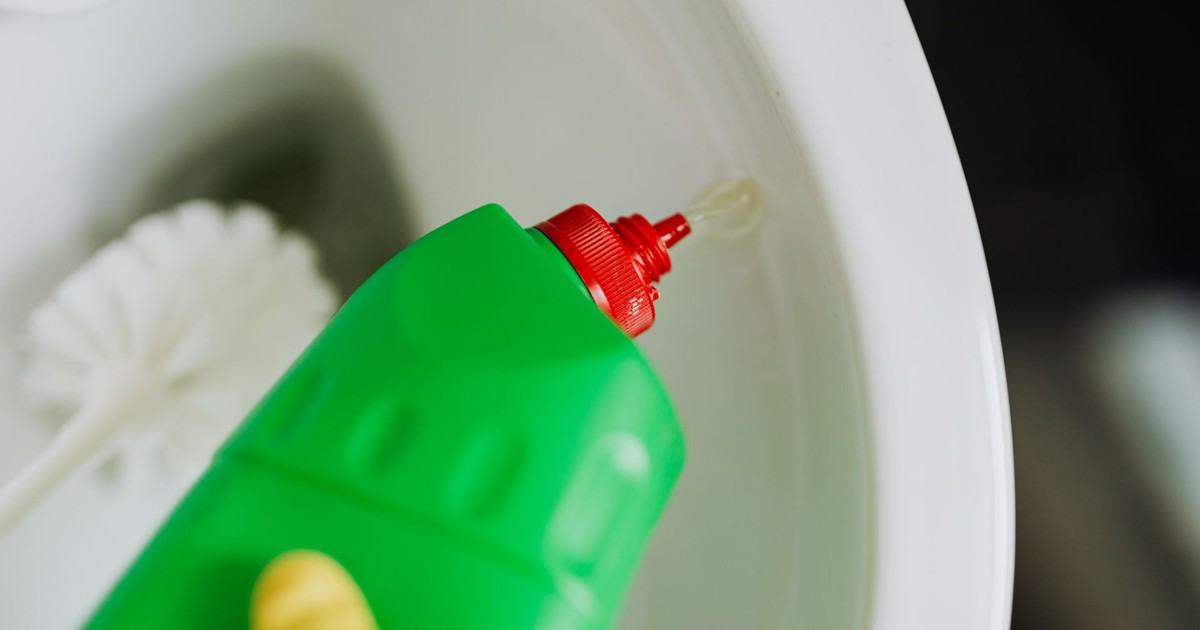
Commercial descalers like CLR (Calcium, Lime and Rust remover) and similar products use hydrochloric acid as their active ingredient. Hydrochloric acid dissolves calcium, lime and even rust buildup through a direct chemical reaction that converts the mineral deposits into water-soluble salts. For severe hard water rings that have calcified over months or years, these products often succeed where gentler options can’t.
Apply the product directly to the ring, ensuring it stays in contact with the stained surface rather than diluting immediately into the water at the bottom of the bowl. Some people drain most of the water from the bowl first by turning off the water supply valve and flushing – this lets the cleaner work on the stain undiluted. Leave the product for the time recommended on the label, typically 5 to 15 minutes, then scrub and flush. For heavily calcified rings, a second application may be needed.
Ventilate the bathroom well when using any hydrochloric acid product, and always wear rubber gloves. These cleaners are safe for porcelain when used as directed and rinsed completely, but they’re corrosive to skin and mucous membranes. Keep the bottle away from chrome fixtures, metal parts of the toilet or tank hardware, as acid contact can cause pitting and discoloration on metal surfaces.
6. Oxalic Acid for Rust Rings
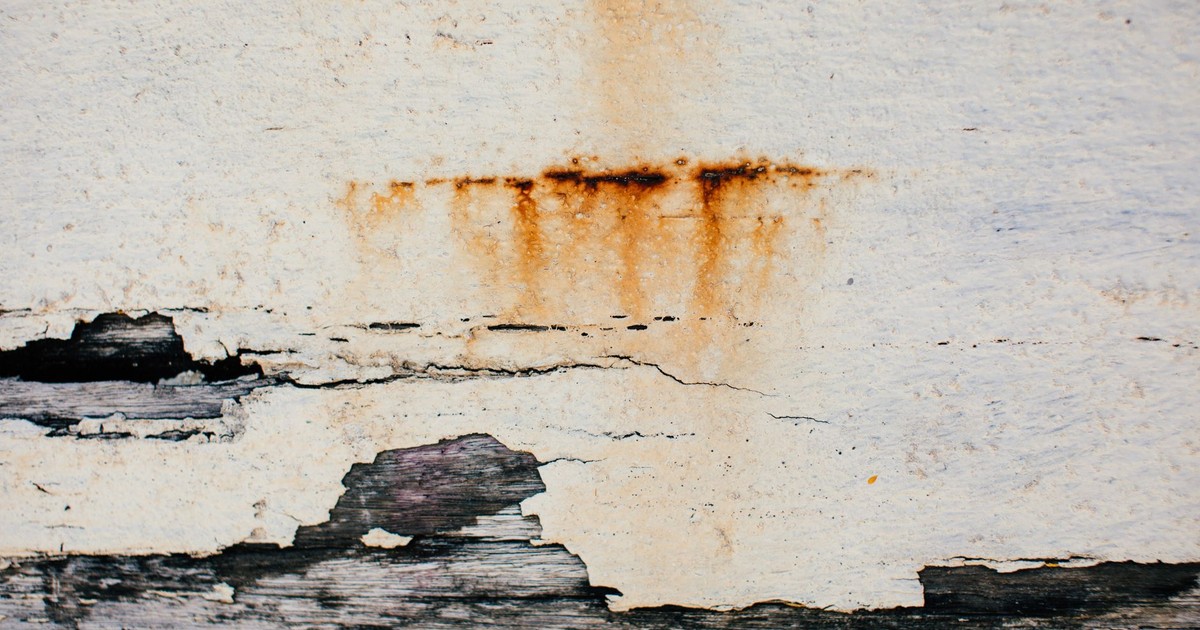
A rust-colored ring is a different problem from a white calcium ring, and it needs a different solution. Rust staining in toilet bowls typically comes from iron in the water supply, which oxidizes and deposits on the porcelain. When oxalic acid comes in contact with rust, it converts the rust into iron oxalate, which dissolves in water and can be flushed away. That’s a fundamentally different mechanism from scrubbing, which often smears rust deeper into porous surfaces.
Products containing oxalic acid include Bar Keepers Friend (in its powder or liquid form) and dedicated rust stain removers sold for plumbing fixtures. Apply directly to the rust ring, let it dwell for a few minutes, and scrub with a toilet brush. For older, deeper rust staining, mix the powder with a small amount of water to form a paste, apply directly to the ring, and leave for up to 30 minutes before scrubbing.
Oxalic acid is a strong acid and a poison, so wearing protective clothing including goggles and rubber gloves is essential. Avoid contact with skin and eyes, and don’t mix it with bleach or other cleaners. Used correctly, oxalic acid treatments are among the most targeted options for iron-based rings, and they work without requiring you to scrub aggressively against the porcelain surface.
Read More: Toilet Bowl Ring Cleaning Hack
7. Weekly Cleaning to Prevent Rings from Forming
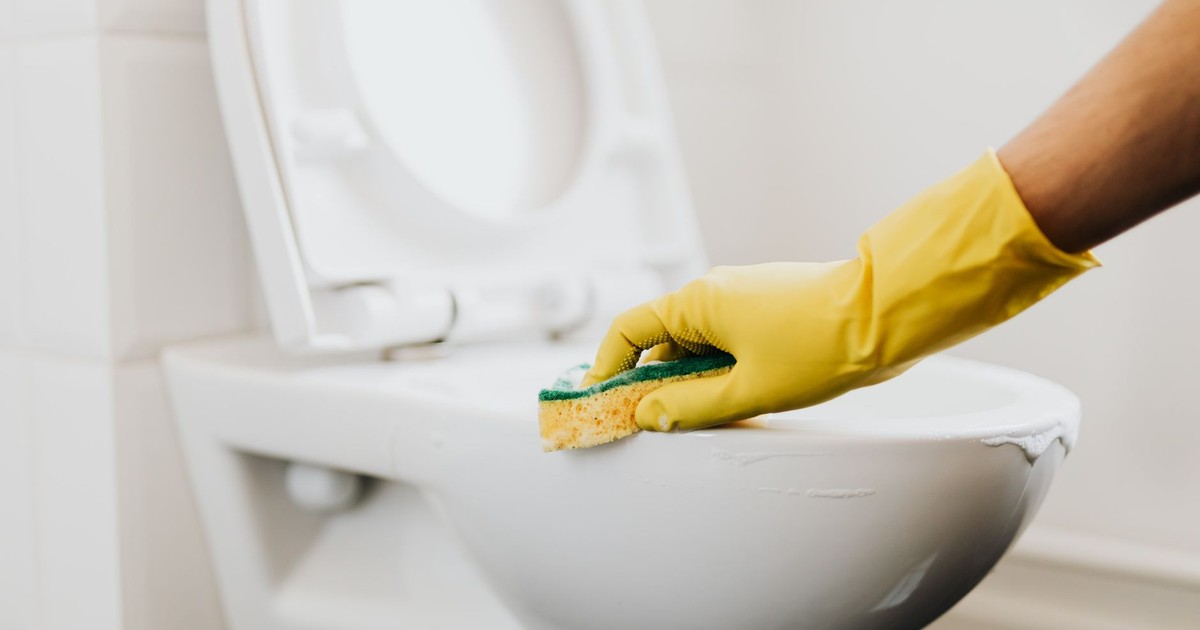
The fastest way to remove toilet rings is to prevent them from forming in the first place. Cleaning the toilet bowl at least once every week with any preferred cleaner helps prevent mineral and calcium deposits from building up into the kind of stubborn ring that requires acid treatments or a pumice stone. Mineral deposits and bacterial films both take time to consolidate – weekly cleaning interrupts that process before it gets started.
The specific product matters less than the consistency. A standard toilet bowl cleaner applied under the rim and allowed to run down into the bowl, left for several minutes, then scrubbed and flushed, is sufficient for weekly maintenance. Adding white vinegar to your cleaning routine is another approach that keeps mild acid in contact with mineral deposits, slowing accumulation between cleanings. You can find more approaches to keeping your bathroom free of hard water buildup in our full bathroom grime guide.
For homes with very hard water, there’s a longer-term structural fix. Water softeners remove calcium and magnesium from the water supply before it reaches fixtures, addressing the root cause of hard water rings rather than treating them after the fact. Hard water mineral deposits can also plug the water jets under the toilet rim over time, causing slow, weak flushes, so softening the water protects the toilet’s function as well as its appearance. Water softeners require an upfront investment and ongoing salt replenishment, but they eliminate hard water rings not just from toilets but from every water-using appliance in the home.
What to Do Now
The type of ring determines the right method. A white or brown chalky ring is mineral buildup and responds to acidic cleaners: vinegar and baking soda for recent stains, citric acid for moderate deposits, and hydrochloric acid-based products for severe calcification. A pink or reddish ring is bacterial and needs bleach, but only after any mineral scale has been removed first. A rust-colored ring responds best to oxalic acid. A pumice stone is the physical backup for any stubborn ring that survives chemical treatment, provided the surface stays wet throughout.
Prevention is genuinely easier than removal. Cleaning the toilet bowl at least once a week keeps both mineral and bacterial accumulation in check before either has the chance to bond to the porcelain. If your toilet develops a ring within days of cleaning, that’s almost always a hard water problem rather than a hygiene one, and a water test – available inexpensively at most hardware stores – will confirm how hard your supply actually is. The number it gives you will tell you whether a weekly scrub is enough, or whether a water softener is worth considering.
Disclaimer: This information is not intended to be a substitute for professional medical advice, diagnosis, or treatment and is for information only. Always seek the advice of your physician or another qualified health provider with any questions about your medical condition and/or current medication. Do not disregard professional medical advice or delay seeking advice or treatment because of something you have read here.
AI Disclaimer: This article was created with the assistance of AI tools and reviewed by a human editor.