

Most Americans believe they spend around $86 a month on subscriptions. The actual number, when people sit down and itemize every recurring charge, is $219 – a gap of $133 every single month that quietly evaporates before most people notice it’s gone. That one statistic captures something true about the way most of us handle money: the waste doesn’t usually come from one catastrophic decision. It accumulates in small, automatic, easy-to-ignore drains.
The list below isn’t about cutting necessities or adopting an extreme frugality mindset. Once you know where the leaks are, they’re not that hard to fix. The harder part is identifying them honestly, because many of the biggest financial drains carry the convincing disguise of normal, reasonable spending. The common culprits are mostly little things – a delivery order you didn’t need, the streaming subscription you forgot you had, the impulse buy that shows up at your door and you barely remember clicking “buy now.” It all adds up, and most people don’t realize it’s happening.
Millennials and Gen Z waste money more often and in higher amounts than older generations – nearly 1 in 10 millennials say they waste money every day, and 18% report dropping more than $200 a month on impulse purchases, compared to just 4% of Baby Boomers. But no generation is immune. These twelve categories catch people across every income level and age bracket – and together they represent thousands of dollars per year that most households don’t realize they’re spending.
1. Forgotten and Unused Subscriptions

The average American spends $219 per month on subscriptions across 8.2 active services but estimates only $86 – a 2.5x perception gap. A C+R Research survey found that people estimated their monthly subscription spend at $86, while their actual itemized total averaged $219 – a $133 gap, roughly 2.5x underestimation.
The mechanics behind this gap are straightforward. Annual billing hides monthly costs, free trials silently convert to paid plans, and dozens of small charges feel negligible until you add them up. According to the same C+R Research data, 74% of respondents said recurring charges are easy to forget, and 42% admitted they pay for subscriptions they no longer use.
In a West Monroe survey, 89% of consumers underestimated their actual monthly subscription spending – 66% were off by more than $200 per month, and 13% were off by more than $400 per month. Deloitte’s 2025 Digital Media Trends report found that 73% of consumers are frustrated by ongoing price increases, yet most people don’t cancel until they’ve already paid for months of a service they’re not using. The fix is a monthly bank statement audit: list every recurring charge, ask whether you’ve used the service in the past 30 days, and cancel anything that fails that test.
2. Unused Gym Memberships – a Particularly Painful Waste of Money

Unused gym memberships lead to significant financial waste, with Americans losing about $1.3 billion annually on unused memberships, while the average annual gym membership expenditure is approximately $600. The painful part is how predictable this pattern is. A significant 67% of gym memberships go completely unused, and surveys have found that 27% of respondents stopped attending within three to four months, while nearly 18% delayed canceling for up to a year.
About 12% of all annual gym sign-ups happen in January, driven by New Year’s resolutions that rarely survive into spring, and 50% of new members quit within the first six months. The membership fee keeps charging whether you show up or not, and gyms design cancellation processes to create friction – making it psychologically easier to keep paying than to quit.
If your gym attendance has dropped to zero or near-zero, the honest calculation is simple: divide your total annual membership cost by the number of times you actually went. For most lapsed members, the cost-per-visit runs well into the double digits, sometimes past $50. A pay-per-class model, a home workout routine, or a cheaper gym with no long-term contract will cost less. The $600 a year you’re not spending on a gym you’re not using is $600 you can redirect somewhere it actually helps you.
3. Grocery Food Waste

Americans are often impulsive in their food purchases, unrealistically assessing how much food is required, and as a result buying more food than they need or buying food they won’t actually eat. The dollar figure on this is jarring: the most commonly cited statistic – that food waste costs a family of four $1,500 per year – was based on 2010 price data. A 2025 EPA report put the updated figure for a household of four at nearly $3,000 per year in food thrown away – close to 11% of the average family’s food budget. Food prices have risen more than 50% since the old calculation was made, and the cost of what Americans throw away has gone up along with them.
Americans underutilize leftovers and toss food scraps that can still be consumed. 21% of survey respondents report regularly discarding leftovers or letting food go to waste. A significant driver of this waste isn’t neglect – it’s confusion. More than 80% of Americans discard perfectly good food due to a misunderstanding of expiration labels. “Sell by,” “best by,” and “use by” mean different things, and only one of them – “use by,” on certain safety-sensitive products – reflects an actual safety concern. The rest indicate peak quality, not spoilage.
The practical response is a weekly meal plan written before you shop, and shopping your refrigerator before the store. Keeping older items at the front of the fridge so they get used first costs nothing and saves hundreds of dollars per year.
4. Eating Out Too Often

Dining out is the single most cited source of wasteful spending among Americans, with 31% of survey respondents identifying it as their biggest financial drain. The Bureau of Labor Statistics’ 2024 Consumer Expenditure Survey found that household spending on food away from home averaged $3,945 in 2024 – and that figure doesn’t account for the delivery apps layered on top. Platforms like DoorDash and Uber Eats add service fees, delivery fees, and tip prompts that routinely push a $15 meal into $30 territory before you’ve picked up a fork.
The math isn’t an argument for never going to a restaurant. Eating out has social and practical value. The issue is frequency and defaulting to restaurants or delivery apps out of habit rather than intention. Cooking at home for four meals a week that would otherwise be delivery could save a typical household $100 to $200 per month – money that feels invisible until you run the numbers and realize it’s nearly $2,000 a year.
5. Impulse Purchases

The average consumer spent an estimated $254 per month on impulse buys in 2025, for an annual total of $3,045, making roughly 9.94 impulse purchases per month at an average of $25.93 each. 81% of consumers made at least one impulse purchase in 2026, averaging 7 purchases with a median spend of $50 – or $350 in just Q1 alone.
For over half of impulse buyers, the category is food, followed closely by clothing at 53%, electronics at 35%, and shoes or accessories at 26%. Nearly half of Gen Z (47%) and over half of millennials (51%) say stress or boredom drives their impulse buys, which means the spending isn’t really about the item – it’s emotional regulation with a price tag. Social media and online ads influence roughly 28% to 31% of younger spenders versus just 16% to 18% of older generations. The single most effective countermeasure the data supports: wait 24 hours before completing any non-essential purchase. The urge to buy the item rarely survives the pause.
6. Fast Fashion and Clothing Overconsumption

Americans discard an average of 81.5 pounds of clothing per person each year, totaling 11.3 million tons nationally. Most of that discarded clothing was bought inexpensively, worn a handful of times, and replaced with something equally inexpensive – a cycle that costs more over time than simply buying durable items once.
Fast fashion operates on volume: low prices designed to make each individual purchase feel low-stakes. A $15 top that falls apart after six washes and gets replaced three times a year has actually cost you $45 – more than a $40 item that lasts three years. The cost-per-wear calculation almost always favors quality over quantity. A 2024 analysis by resale platform Vestiaire Collective found that higher-quality pre-owned clothing could have a lower cost per wear than new fast-fashion purchases, suggesting that durability and longevity can matter more than the initial price tag. Independent research on cost-per-wear also suggests that highlighting long-term value can shift consumers toward choosing better-quality garments.
A practical starting point: before buying a new clothing item, check whether something you already own fills the same function. Buying secondhand for items you need – and simply buying less – redirects clothing spending toward durability rather than volume.
7. Wasted Home Energy
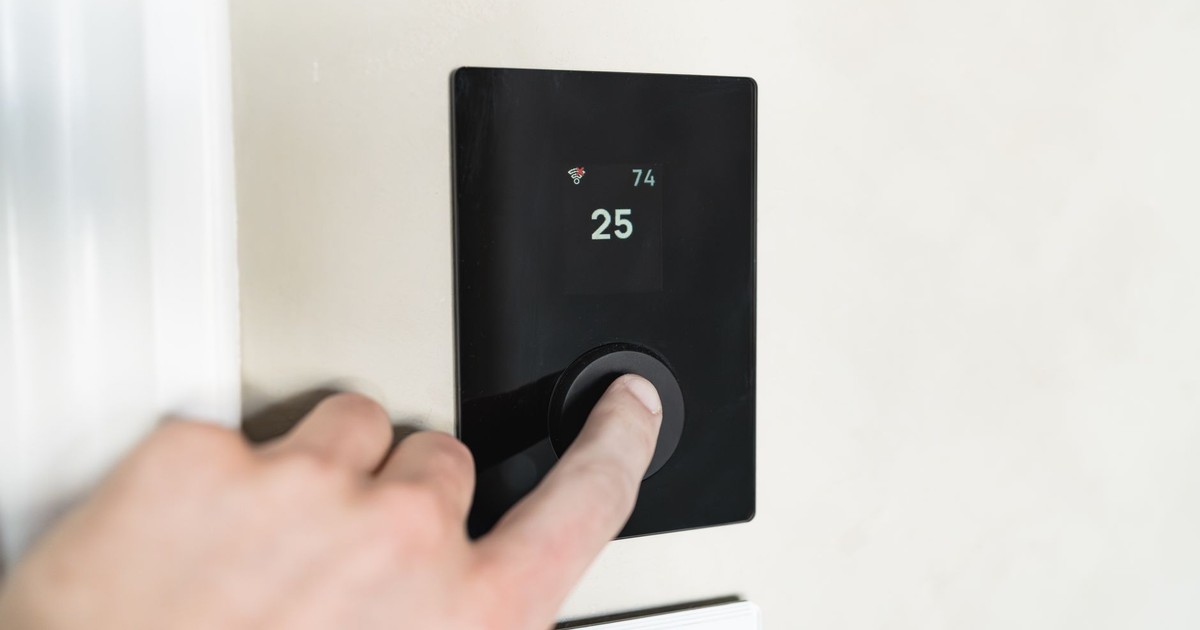
Of the approximately $2,000 the average American household spends on energy annually, between $200 and $400 is wasted on drafts, air leaks, and outdated systems. Heating and cooling alone account for 43% of a typical home’s utility bill – making it the largest single category of energy use, and the one where waste is most addressable.
Households without smart controls for central heating and cooling systems are likely wasting 10% to 20% of their energy budget. A programmable or smart thermostat – models start around $30 – can pay for itself within the first few months by eliminating the habit of heating or cooling an empty house. Weatherstripping doors and windows, sealing drafts around outlets on exterior walls, and switching to LED bulbs are all measures with payback periods of less than a year.
If your energy bills feel high and you’ve never had an energy audit, many utility companies offer free home energy assessments. They identify the specific spots in your home where conditioned air is escaping – information that can save more in a single winter than most people spend on a month of groceries.
8. Extended Warranties

Whether it’s at the checkout counter for a $40 blender or the finance office for a $30,000 car, the extended warranty is a high-margin product for the seller, not a benefit for you. Warranty industry data consistently shows that the sector collects far more in premiums than it pays out in claims – the entire industry is built on the statistical probability that you’ll never use the coverage.
Many electronics, from health-tracking wearables to smart TVs, come with extended warranty upsells, but they’re often not worth the cost because they go unused, and many have exclusions that limit what repairs are actually covered. The warranty that sounds comprehensive at the register often turns out to exclude the specific failure mode your appliance experiences.
The smarter approach: self-insure by taking the money you would have spent on the warranty and depositing it into a dedicated savings account. If the item breaks, you have the cash. If it doesn’t – which is statistically likely – you keep the money. After a few years of doing this, most people find they’ve accumulated a comfortable repair fund that has never needed to be touched.
9. Self-Storage Units

21% of Americans spend money on self-storage units, with 40% citing insufficient home space as the reason. Self-storage is one of the few expenses that reliably escalates over time: units that start at $50 a month become $80, and the average unit holds possessions that never get retrieved.
The core issue is that self-storage converts the cost of owning too many things into a monthly subscription. An item sitting in a climate-controlled locker thirty minutes from your house isn’t available or useful to you – it’s just expensive to keep. Financial advisers consistently identify self-storage as one of the easiest monthly costs to eliminate, because doing so requires confronting a one-time decision (sell, donate, or discard what’s in storage) rather than a recurring behavior change.
If you’re currently paying for a storage unit, the honest question to ask is: when did you last retrieve anything from it? If the answer is “over a year ago,” the contents are almost certainly worth less than the accumulated cost of the unit. Selling what’s sellable and donating the rest eliminates the monthly bill and often puts cash back in your pocket.
10. Premium Gasoline for Cars That Don’t Need It

Most people waste money buying premium gas when they can use regular-grade gasoline, with Americans collectively wasting an estimated $2 billion a year buying premium fuel they don’t need.
Premium gasoline – typically 91 octane or higher – is necessary only for engines specifically engineered to require it. The overwhelming majority of consumer vehicles run on regular 87-octane gasoline, and using premium in these cars produces no measurable benefit in performance, fuel economy, or engine longevity. The word “premium” does work that the product itself doesn’t: it implies superiority that doesn’t apply to most engines.
The one-sentence fix: check your owner’s manual. It will specify either “recommended” or “required” for premium fuel. If it says “recommended,” regular gas is fine. If it says “required,” use premium. If it says nothing about premium, you’re paying extra for nothing every time you fill the tank.
11. ATM Fees and Bank Fees
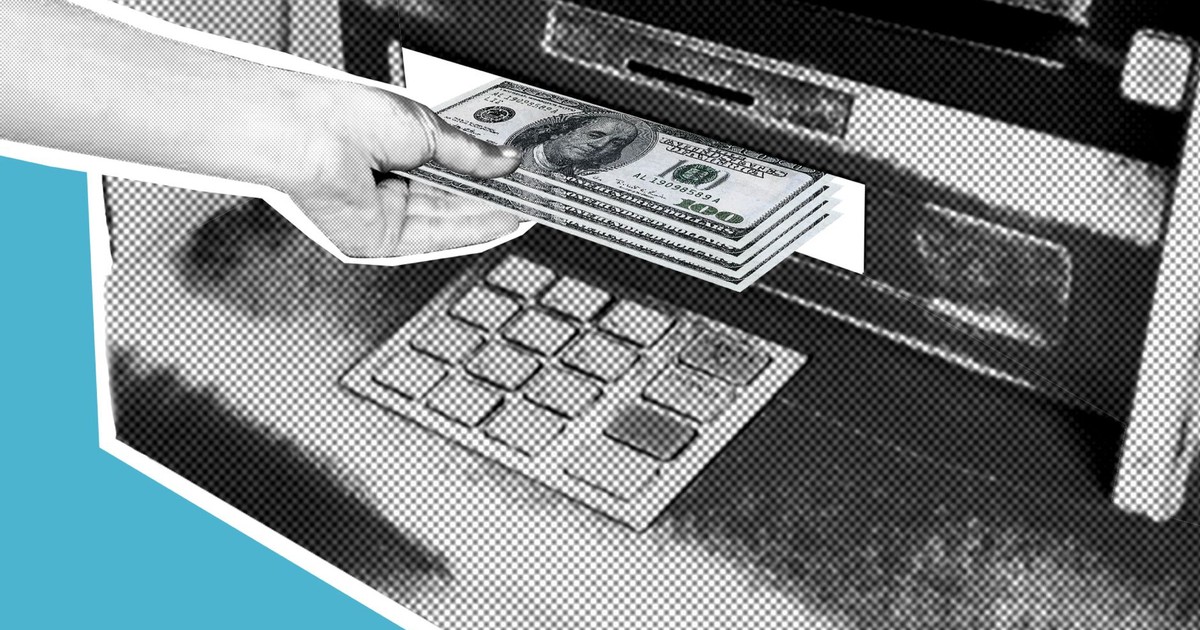
The average out-of-network ATM fee hit a record high of $4.86 in 2025. That fee applies at both ends of an out-of-network transaction – once from the ATM operator and once from your own bank – meaning a single $40 cash withdrawal can cost nearly $10 in fees, roughly a 25% charge on money you already own.
Bank fees extend beyond ATM charges and include monthly maintenance fees, overdraft fees, wire transfer fees, and excessive transfer fees – all of which can be minimized through awareness and basic account management. Overdraft fees, in particular, can reach $35 per transaction at some banks, stacking up quickly when an account runs low.
Switching to a bank or credit union with a large ATM network – or one that reimburses out-of-network ATM fees – eliminates this cost entirely. Many online banks offer full ATM fee reimbursement with no monthly maintenance fee. The friction of switching banks is genuinely low; the savings are immediate.
12. Lottery Tickets
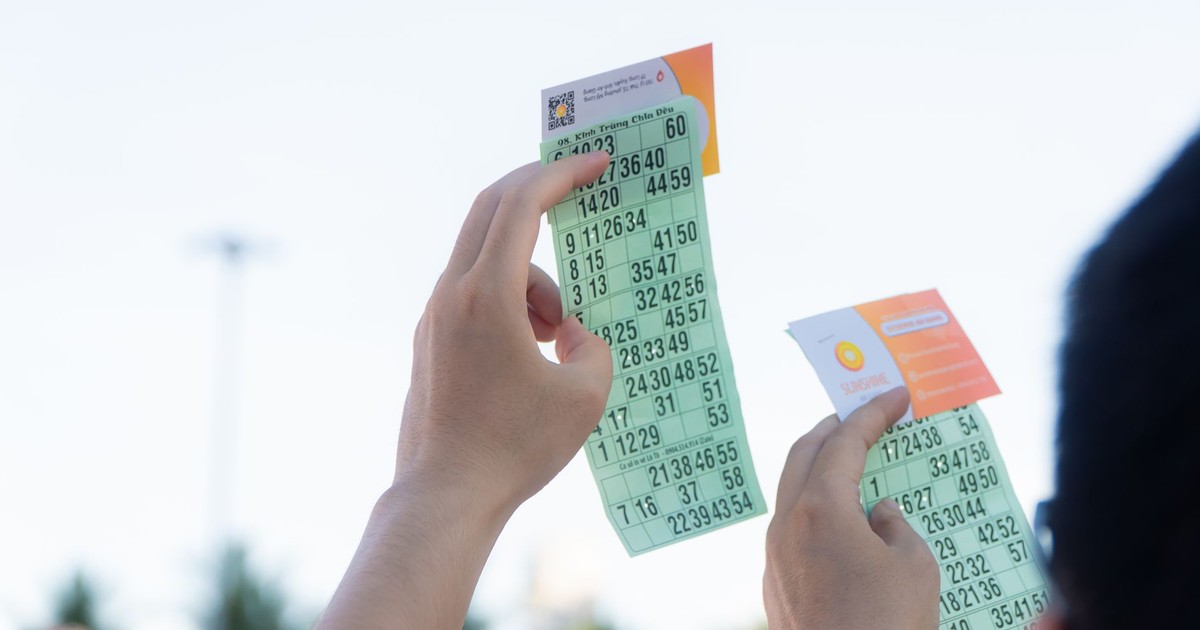
Americans spent an average of $320 on lottery tickets in 2023. For context, that’s more than many people contribute to an emergency fund in the same year. The lottery is a legal form of entertainment – but it’s an extraordinarily poor financial mechanism. For every dollar spent, the expected return on a typical state lottery ticket is around 50 cents, making it one of the worst monetary investments available to the average consumer.
The psychological appeal is well-documented: a small ticket price feels insignificant, while the potential upside feels transformative. But at $320 per year, or roughly $27 per month, regular lottery spending compounds into a meaningful sum. That same $27 per month invested in an index fund over 20 years would grow to approximately $14,000 at a 7% average annual return – versus an expected lottery return close to zero.
This isn’t a moral argument against buying an occasional lottery ticket. It’s a math argument against treating them as a regular purchase. One ticket for a particularly large jackpot satisfies the same psychological itch at a fraction of the annual cost.
Read More: If a Spouse Died With Credit Card Debt, Here’s Who Actually Has to Pay It
What to Do Now

Looking across all twelve categories, a clear pattern emerges: the biggest financial drains in most American households aren’t dramatic mistakes. They’re small, automatic, and invisible – subscriptions that bill while you sleep, gym fees that charge because canceling feels like too much effort, grocery items bought with good intentions and thrown away a week later. None of these feel like waste in the moment. That’s precisely why they add up so fast.
A useful starting point is to do one thing this week: pull up your last two months of bank and credit card statements and identify every recurring charge. Research shows 30% to 42% of subscription spending goes to underused or completely forgotten services – for the average household, that’s $65 to $92 per month in potential savings from subscriptions alone. Add realistic reductions in just two or three of the other categories on this list – cutting one restaurant meal per week, eliminating the gym you never visit, skipping a couple of impulse buys – and the annual total can easily reach $3,000 to $5,000. That money was already being earned. Tracking where it actually goes is the first step to keeping more of it.
Disclaimer: This information is not intended to be a substitute for professional financial advice, investment advice, tax advice, or legal advice, and is provided for informational purposes only. Always seek the guidance of a qualified financial advisor, accountant, or other licensed professional regarding your personal financial situation or investment decisions. Do not make financial, investment, or tax decisions based solely on information presented here. Past performance is not indicative of future results, and all investments carry risk, including the potential loss of principal.
AI Disclaimer: This article was created with the assistance of AI tools and reviewed by a human editor.
Read More: Costco vs Walmart, Which Store Actually Saves You More Money