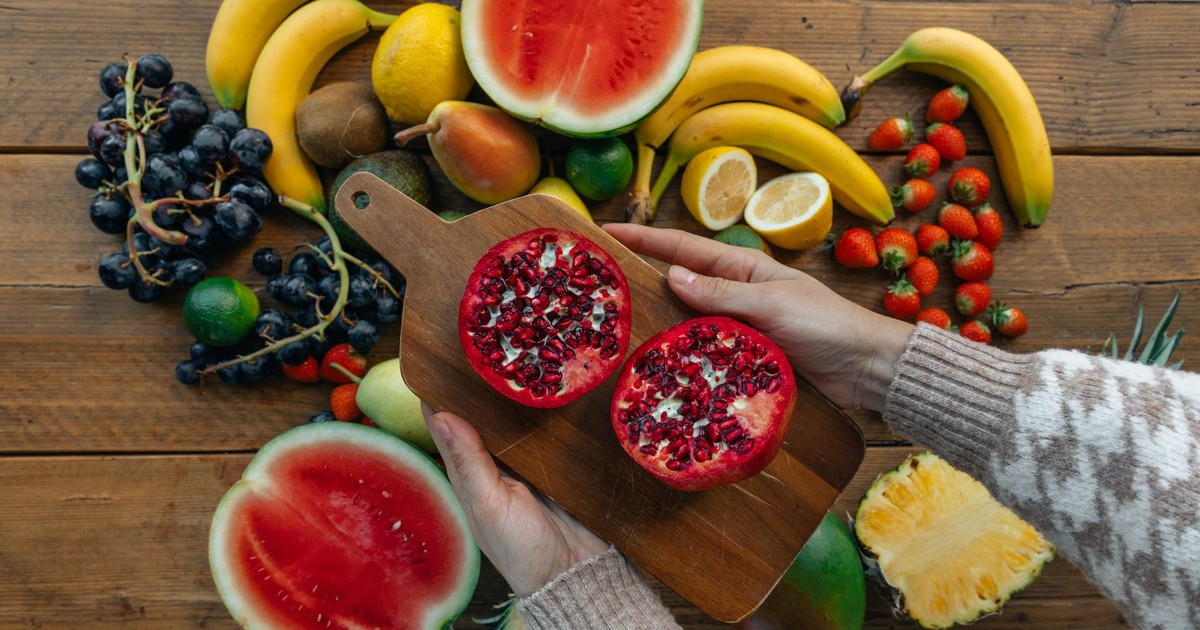

Fewer than one in five people currently meets the recommended daily fruit intake, yet a 2026 population study analyzing data from multiple countries found that simply eating the right fruits, not just any five a day, can make a measurable difference to how well the heart is actually protected. The specific choices matter more than the total volume. That distinction is reshaping how researchers and clinicians think about fruit and cardiovascular risk.
That same study, published in the journal Medicine, found that inadequate fruit consumption contributed to roughly 1.41 million deaths and 35.32 million disability-adjusted life years from cardiovascular disease in 2021 alone. Those numbers put fruit in a different category from a pleasant dietary addition. They place it alongside sodium and refined carbohydrates as one of the dietary factors most directly tied to global heart disease deaths.
A large international study led by scientists from the University of Reading, Harvard Medical School, and the University of California Davis found that fewer than 20% of people reached the flavanol intake level associated with heart health benefits, and even many individuals who regularly ate the recommended five daily servings of fruits and vegetables failed to meet that target. The reason: not all fruits deliver the same compounds in the same quantities. Some are working harder for your heart than others.
Fruit and Heart Health Benefits: The Evidence Keeps Coming Back To
Research from the COSMOS clinical trial, the largest randomized controlled trial of flavanols to date, found that eating around 500 mg of flavanols per day can reduce your risk of death from cardiovascular disease. Flavanols are naturally occurring plant compounds concentrated in specific fruits, and getting enough of them means being deliberate about which fruits end up in your shopping cart. Below is a look at the fruits with the strongest, most consistent evidence behind their cardiovascular effects.
Berries: Anthocyanins and a Measurable Effect on Risk
Cherries and berries are rich in phenolic compounds, including anthocyanins and flavonoids, which carry antioxidant, anti-inflammatory, and vasodilatory effects. Studies suggest that regular consumption may reduce inflammation and oxidative stress, leading to lower blood pressure, improved lipid profiles, and enhanced endothelial function. Endothelial function refers to the health of the inner lining of blood vessels, and keeping those walls flexible and responsive is one of the primary mechanisms through which diet protects the heart.
A 2026 observational study published in Food & Function analyzed dietary data using biomarker measurements to assess flavanol intake across large cohorts in the UK and US. Lead author Dr. Javier Ottaviani, director of the Core Laboratory at Mars Edge and affiliated with UC Davis Nutrition, noted that flavanols can significantly reduce the risk of dying from cardiovascular disease, but only when consumed in sufficient quantities, and that the specific choices matter far more than the total amount of fruit consumed.
Specific choices such as blackberries, apples, and plums provide higher flavanol levels, suggesting that dietary guidelines may need to emphasize particular foods for optimal heart health.
The trial data on berries is unusually consistent. Including a handful of blackberries, a whole apple, or a cup of green tea alongside a meal could make a real difference to flavanol intake levels. A systematic review and meta-analysis of prospective cohort studies published in the Journal of the American Heart Association, involving over 4 million participants across 81 cohorts, found that those with the highest intake of fruits and vegetables had a reduced risk of total cardiovascular disease of between 7% and 27%, depending on the outcome measured. That analysis covered incident CVD events as well as cardiovascular mortality, making it one of the more comprehensive datasets in the field.
Cherries and berries have attracted particular attention for their potential cardiovascular benefits, with multiple clinical trials contributing to the evidence base. The practical takeaway: a daily handful of berries, whether strawberries, blueberries, or blackberries, is one of the lowest-effort, highest-return dietary shifts for heart health. Aim for around 150g, roughly a cup, as part of your daily fruit intake.
Apples: Pectin, Quercetin, and Coronary Protection
Apples are one of the most studied fruits in cardiovascular research, and the data is more specific than general dietary advice tends to suggest. Rich in phenolic compounds and flavonoids, apples deliver a combination of fiber and plant chemicals that research links to improved heart outcomes consistently.
Apples are a reliable source of soluble fiber and polyphenols, two categories of nutrients that act through distinct yet complementary pathways in the cardiovascular system. The soluble fiber, particularly a type called pectin, forms a gel-like substance in the digestive tract that binds to cholesterol and removes it before it can enter the bloodstream. The polyphenols, including a flavonoid called quercetin, act as antioxidants that reduce inflammation in blood vessel walls.
Quantity matters here. Research has demonstrated that fruit consumption may benefit cardiometabolic health, yet consumption among American adults falls well below the recommended 2 cups per day. Research suggests that eating around 100–150 grams of whole apple per day, roughly one small to medium apple, is associated with a lower risk of cardiovascular disease and modest improvements in blood pressure and cholesterol levels. This conclusion comes from a 2020 narrative review in the Journal of Nutritional Biochemistry, which synthesized evidence from observational studies and clinical trials.
For anyone managing cholesterol, adding one medium apple daily is a concrete, inexpensive first step. The fiber benefit is in the whole fruit, not the juice. Removing the pulp strips away much of what makes the apple cardioprotective.
Citrus Fruits: Flavanones and Fruit Heart Health Benefits
Flavonoids in citrus fruits have attracted attention for their effects against chronic diseases, particularly atherosclerosis. Oxidized LDL cholesterol is associated with atherosclerosis development, and citrus fruits have antioxidant properties that may protect cells against oxidative damage, with frequent consumption potentially helping reduce atherosclerosis risk.
Oranges, grapefruits, and lemons contain a specific class of flavonoids called flavanones, compounds less common in other fruit categories. Flavanones work through slightly different mechanisms from general flavanols, including direct effects on blood vessel tone and systemic inflammation markers. A 2025 observational analysis published in the journal Nutrients found that habitual flavonoid intake from flavanones in grapefruits, oranges, and citrus juices is correlated with a reduced incidence of hypertension and cardiovascular disease risk.
Consuming flavonoid-rich citrus fruits may decrease inflammation in the body, which can reduce blood pressure and stiffness in the arteries while improving blood flow and nitric oxide production. Nitric oxide is a signaling molecule that tells blood vessels to relax and widen, and it’s one of the primary ways that diet influences blood pressure independent of medication.
One glass of fresh orange juice daily has been linked in cohort analyses to a 25% reduction in stroke risk in men. That figure applies to whole juice with pulp rather than filtered varieties, based on findings included in the JAHA meta-analysis of over 4 million participants, which found a significant risk reduction in stroke incidence and mortality associated with fruit juice intake. The distinction between whole citrus and processed citrus products matters: the flavanone content in fresh-squeezed or minimally processed juice differs significantly from commercial varieties. Eating the fruit whole adds fiber on top of those flavanone benefits.
You can read more about the role foods play in blood pressure management at The Hearty Soul’s overview of blood pressure foods.
Bananas: Potassium and Stroke Risk
Bananas occupy a specific and well-documented role in cardiovascular nutrition through their potassium content. The 2025-2030 Dietary Guidelines for Americans, which the American Heart Association welcomed as science-based guidance, recommend consuming at least two cup-equivalents from fruit per day as part of a 2,000 kcal diet. Bananas make hitting that target more practical, and their mineral content delivers a direct cardiovascular mechanism.
According to the American Heart Association, one medium banana provides approximately 375 milligrams of potassium, roughly 11% of the recommended daily amount for men and 16% for women. Potassium counteracts sodium’s blood pressure-raising effects by encouraging the kidneys to excrete more sodium through urine. A meta-analysis of large prospective studies found that for every additional 1,000 mg of potassium consumed daily, stroke risk drops by approximately 11%. That’s a meaningful gradient for a fruit most people already have at home.
The combination of potassium, magnesium, and vitamin B6 in bananas also supports healthy heart rhythm. People with arrhythmia risk are sometimes advised to pay close attention to potassium status, and food-sourced potassium from whole fruit is absorbed differently than supplement form. One to two bananas per day is a practical, well-tolerated way to increase potassium intake without supplementation.
Pomegranate: Arterial Plaque and Endothelial Health
Pomegranates are a significant source of antioxidants, particularly punicalagin and anthocyanins. Emerging evidence suggests that pomegranate consumption may have favorable effects on cardiovascular health and anti-inflammatory responses, with clinical studies highlighting their potential to enhance blood flow, prevent arterial plaque formation, and reduce the risk of heart disease, heart attacks, and strokes.
The clinical evidence on pomegranate is more specific than for most fruits, though it comes from small trials that require cautious interpretation. In one small randomized controlled trial of 19 people with atherosclerosis and carotid artery stenosis, ten participants who drank 50 milliliters of pomegranate juice daily for one year experienced improvements in blood pressure, antioxidant status, and carotid artery thickness, an indicator of plaque buildup. The control group, who did not consume pomegranate juice, did not experience those improvements. Given the trial’s small scale, this finding is promising but not yet definitive.
Punicalagins in pomegranate are among the most potent fruit antioxidants, neutralizing free radicals that damage arterial cells and slowing plaque progression. Pomegranate juice has also been shown to boost nitric oxide levels, enhancing blood flow and reducing arterial stiffness.
One limitation worth noting: most pomegranate trials are small in scale, and further large randomized controlled trials are needed to establish optimal dosing and long-term effects. As a practical starting point, 50 to 100 milliliters of unsweetened pomegranate juice daily, or eating the seeds as part of a meal, aligns with the doses used in existing research.
Grapes: Polyphenols and Endothelial Function
Research links eating grapes to reductions in cardiovascular disease risk. A meta-analysis published in PLOS ONE that looked at the effects of grape intake on blood pressure across ten studies found that polyphenol intake via eating grapes daily lowered systolic blood pressure.
Red and black grapes contain resveratrol and anthocyanin, the plant compounds most closely linked to heart and cognitive health, giving darker varieties a slight nutritional advantage. A 2025 review in the journal Nutrients found that grape and blueberry-derived bioactives, particularly polyphenols and resveratrol, produce modest but consistent improvements in cardiovascular risk markers including endothelial function and blood pressure. Endothelial function, the ability of blood vessel walls to regulate blood flow, is one of the earliest and most clinically relevant indicators of cardiovascular risk.
Grapes pack resveratrol, proanthocyanidins, and melatonin into just 62 calories per serving. A cup of grapes daily is a low-effort addition that fits into most eating patterns without planning, and eating the whole grape, skin, flesh, and seeds where present, provides the most complete range of these compounds.
Read More: 3 Diet Factors Behind Nearly 6 Million Cardiovascular Deaths
The Fiber Factor: Why Fruit as a Category Matters
Beyond any individual fruit, the fiber content running through this food group carries its own independent cardiovascular benefit. A systematic review and meta-analysis published in Clinical Nutrition that included 64 eligible studies with over 3.5 million subjects found that higher consumption of total dietary fiber significantly decreased the risk of CVD-related mortality by 26%. That review was published in 2023 and remains the most comprehensive analysis of its kind.
A separate meta-analysis of prospective cohort studies found a summary relative risk of 0.87 for CVD mortality associated with dietary fiber intake, with a significant association observed specifically for fruit fiber. That translates to roughly a 13% reduction in cardiovascular mortality associated with fruit fiber intake, a meaningful protective effect that operates independently of the specific antioxidants or flavonoids a given fruit also provides.
Fiber works partly by binding to cholesterol in the digestive tract and partly through its effects on blood sugar regulation. Slower digestion from fiber blunts post-meal blood sugar spikes, which reduces wear on blood vessel walls over time. Research has confirmed that fruit consumption may benefit cardiometabolic health, with fiber being a primary mechanism through which that benefit is delivered.
What This Means for You
The American Heart Association’s 2026 dietary guidance, a scientific statement published in Circulation, identifies eating plenty of fruits and vegetables as a key feature of a heart-healthy dietary pattern, alongside choosing whole grains, limiting ultra-processed foods, and reducing sodium intake. Fruit is not optional in that framework, it’s structural.
The most actionable conclusion from the current evidence is this: two cups of whole fruit per day, with deliberate attention to variety, delivers measurable fruit heart health benefits that no supplement currently replicates. Berries (especially blackberries, blueberries, and strawberries), apples, citrus fruits, bananas, pomegranate, and grapes each contribute through distinct mechanisms, including flavanols, pectin, flavanones, potassium, punicalagins, and resveratrol, which is why eating across the spectrum outperforms eating the same fruit daily.
The juice question is worth addressing directly. The benefits in these studies largely come from whole fruit, not juice. Fiber, which is lost in the juicing process, is central to the cardiovascular effect. A smoothie made from whole blended fruit preserves the fiber; pressed or filtered juice does not. If convenience is the barrier, blending is a better workaround than bottled juice.
The goal is not perfection but consistency. A medium apple at lunch, a handful of berries on oatmeal, half a cup of grapes in the afternoon – these are not dramatic interventions, but the evidence tracking fruit intake against heart disease mortality across millions of people suggests they add up in ways that matter considerably.
Disclaimer: This information is not intended to be a substitute for professional medical advice, diagnosis, or treatment and is for information only. Always seek the advice of your physician or another qualified health provider with any questions about your medical condition and/or current medication. Do not disregard professional medical advice or delay seeking advice or treatment because of something you have read here.
AI Disclaimer: This article was created with the assistance of AI tools and reviewed by a human editor.
Read More: Food and Sun Protection: How This Fruit May Help and What the Research Shows