
Most adults take somewhere between 10 and 20 minutes to fall asleep. The moment that window stretches to 45 minutes, an hour, or longer, the frustration of lying awake becomes its own obstacle. Worrying about not sleeping makes it harder to sleep – a cycle that, for millions of people, repeats every single night.
The body and its environment often haven’t received the right biological signals to allow sleep to begin. Temperature, light wavelength, caffeine timing, and even meal schedules each play a measurable role in how quickly – or slowly – sleep onset occurs. Melatonin timing, for instance, turns out to matter far more than most people assume, and getting it wrong by even a couple of hours can make it almost useless.
The 13 strategies below address the biology of sleep onset directly, drawn from current clinical research and physician guidance on how to fall asleep fast.
1. Set Your Bedroom Temperature to 60 – 67°F
Your body needs to drop its core temperature to initiate sleep. The room you sleep in is the primary mechanism for that process, which is why ambient temperature has a measurable effect on how quickly you lose consciousness.
A room that’s too warm can push sleep onset considerably later. According to Cleveland Clinic, a temperature between 60 and 67 degrees Fahrenheit is ideal for most people. Rooms that run warmer than this don’t just slow sleep onset – they fragment the sleep you do get, reducing the proportion of deep and REM sleep cycles.
If you can’t control the thermostat, cooling strategies like a fan, breathable cotton sheets, or a cooling mattress pad can produce similar results. The goal is to support the body’s natural temperature drop rather than fight against it.
2. Cut Off Caffeine at the Right Time – Not Just “After 2 PM”

The popular rule of avoiding caffeine after 2 PM is a rough approximation. The actual cutoff depends on the dose you’re consuming, and the difference is significant.
A 2024 study published in Sleep found that 400 mg of caffeine – roughly the amount in four standard cups of coffee – consumed within 12 hours of bedtime caused significant delays in sleep initiation. The same research found that 100 mg, equivalent to a single standard cup, can be consumed up to 4 hours before bed without meaningful sleep disruption.
The mechanism behind this is well established. A 2026 review in AJMC, drawing on a systematic review and meta-analysis published in Sleep Medicine Reviews, found that caffeine consumption reduced total sleep time by 45 minutes on average and raised sleep onset latency by 9 minutes across the studies examined. Adjusting the timing and the amount – not just following a generic cutoff – is the more targeted fix.
3. Dim Blue Light After 9 PM
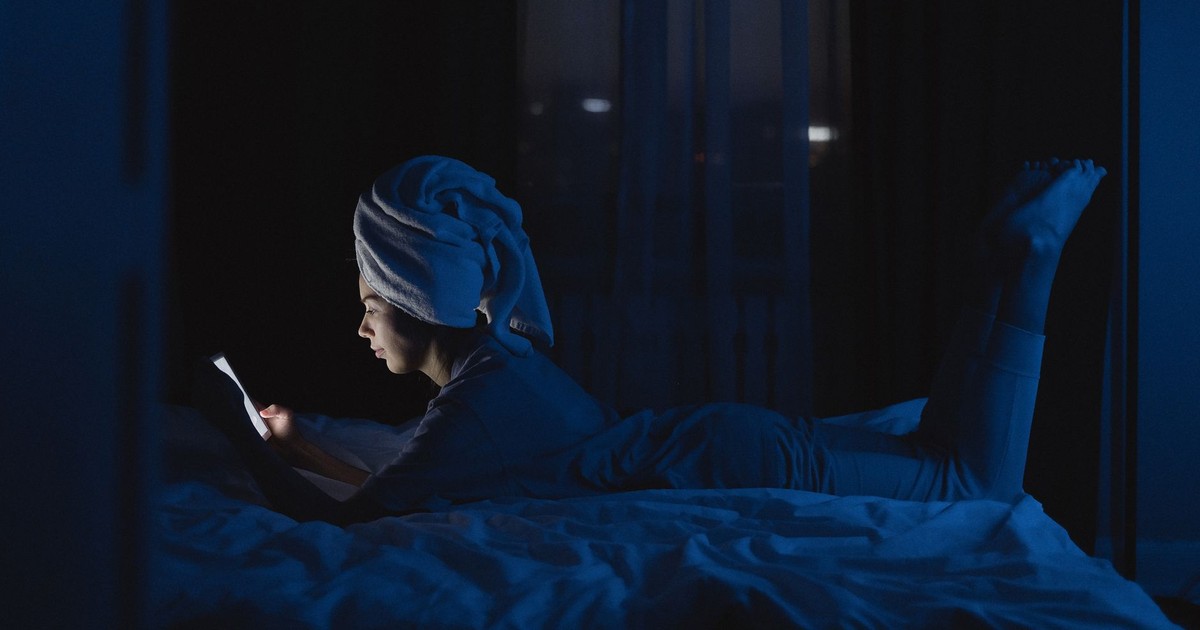
The light from phones, tablets, and laptops doesn’t just keep your eyes busy – it directly interferes with the hormone responsible for sleep initiation. The wavelength matters.
A 2025 study in Frontiers in Neuroscience found that blue light exposure from 9 PM to midnight maintained melatonin suppression in participants, keeping levels substantially lower than those exposed to red light. A separate 2025 systematic review and meta-analysis confirmed the mechanism: evening exposure to blue light suppresses melatonin, delays circadian phase, and prolongs sleep onset latency. The circadian phase is the internal clock that governs your natural sleep-wake timing – push it back with blue light, and your body simply won’t feel ready for sleep until later.
Special blue-blocking glasses may help people fall asleep faster, even if they’re exposed to blue light before bed. Enabling a night-mode or warm-color display filter on devices after 9 PM is another practical option. The most straightforward approach – putting screens away entirely for the hour before bed – remains the most evidence-backed.
4. Take a Warm Bath 1 – 2 Hours Before Bed

Taking a warm bath before bed actually accelerates sleep onset by triggering your body’s core temperature to drop faster after you get out – and that drop is the biological signal that initiates sleep.
A 2019 systematic review published in Sleep Medicine Reviews found that warm water immersion at 40 – 42.5°C, scheduled 1 – 2 hours before bedtime for as little as 10 minutes, produced significant shortening of sleep onset latency. The timing is the key detail. A bath taken right before bed may actually delay sleep by keeping core temperature elevated too long. The sweet spot is 60 to 90 minutes before lights out, which gives the body enough time to radiate the absorbed heat and enter the cooling phase that signals readiness for sleep.
A warm foot soak produces a milder version of the same effect for people who don’t have time for a full bath, since the feet are one of the body’s primary heat-dissipation zones.
5. Use White or Broadband Noise to Block Environmental Disruption

Sound is one of the most underestimated factors in sleep onset. A single unexpected noise – a car door, a neighbor, a notification – can reset the wind-down process entirely. White noise works not by being pleasant but by masking variability.
A 2018 study in the NIH journal archive found that broadband sound – which includes white noise and similar continuous-frequency audio – reduced sleep onset latency by 38% compared to normal environmental conditions. That’s a substantial reduction achievable with a basic white noise machine, a fan, or a free app. The mechanism is auditory masking: the continuous sound floor prevents the sudden acoustic contrasts that pull the brain back to alertness.
Pink noise, which emphasizes lower frequencies, has also shown promise in some research, and many people find it more comfortable to listen to than flat white noise. Both work through the same principle of acoustic evenness.
6. Exercise – but Time It Correctly

Physical activity consistently improves sleep quality, but timing matters almost as much as doing it at all. Late-night vigorous exercise can delay sleep onset in some people by elevating cortisol and core body temperature.
Research published in a 2025 Nature journal found that exercising 4 – 8 hours before bedtime reduces sleep onset latency and wakefulness after sleep onset – the amount of time spent awake during the night. For most adults, that translates to working out in the late morning, afternoon, or early evening. A 2026 study in PMC confirmed that physical exercise programs also improve sleep latency and efficiency specifically in older adults with insomnia – a group that often struggles most with sleep initiation.
If evening is the only time available to exercise, keeping the intensity moderate – a brisk walk, light cycling, yoga – rather than maximal reduces the chance of it backfiring on sleep onset.
7. Try the 4-7-8 Breathing Technique

The 4-7-8 breathing technique is a simple relaxation method rooted in pranayama, an ancient yogic practice that focuses on breath control. The deliberate pacing helps slow your heart rate, quiet the mind, and prepare your body for sleep.
The method, as described by Dr. Jose Puangco, a neurologist treating sleep disorders at Hoag’s Pickup Family Neurosciences Institute, works like this: inhale through the nose for 4 seconds, hold for 7 seconds, then exhale slowly through the mouth for 8 seconds. The extended exhale activates the parasympathetic nervous system – the branch responsible for rest – by slowing the heart rate and reducing the physiological arousal that keeps people awake. A 2021 study confirmed that relaxation techniques including diaphragmatic breathing and guided imagery decrease sleep onset latency and promote overall sleep quality.
Box breathing – inhaling for 4 counts, holding for 4, exhaling for 4, and holding again for 4 – is a simpler alternative that works through the same mechanism and may be easier for beginners.
8. Use Melatonin at the Right Dose and Time
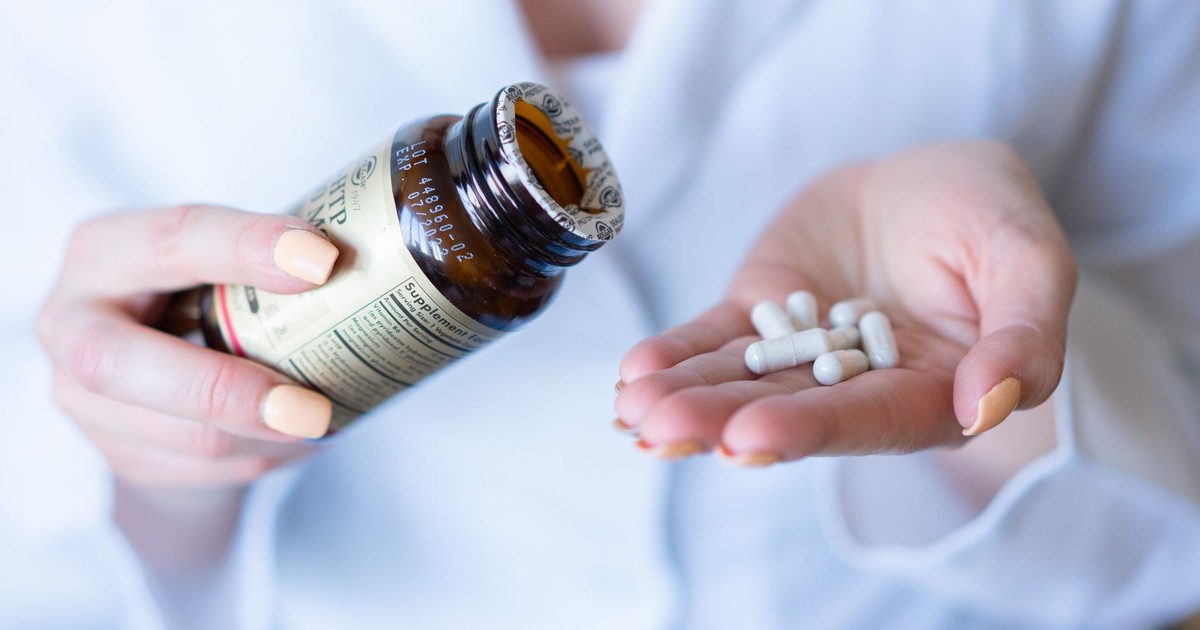
Most people who use melatonin take it just before bed at a dose far higher than research supports. Both of those habits reduce its effectiveness considerably.
A 2024 study found that taking melatonin 3 hours before bedtime at 4 mg per day produced the best results for reducing sleep onset latency – meaning earlier administration, not higher doses, is the primary driver of efficacy. An older but frequently cited 2013 meta-analysis in PLOS ONE found that melatonin reduces sleep onset latency by an average of 7 minutes. That figure is often used to dismiss melatonin as marginally useful, but it reflects population averages – people who time melatonin correctly, and whose sleep difficulty involves a circadian delay rather than anxiety, tend to see more pronounced effects.
Melatonin may also interact with certain medications, so checking with a physician before starting is worthwhile, particularly for anyone taking blood thinners, immunosuppressants, or diabetes medications.
9. Keep a Fixed Sleep and Wake Schedule – Including Weekends
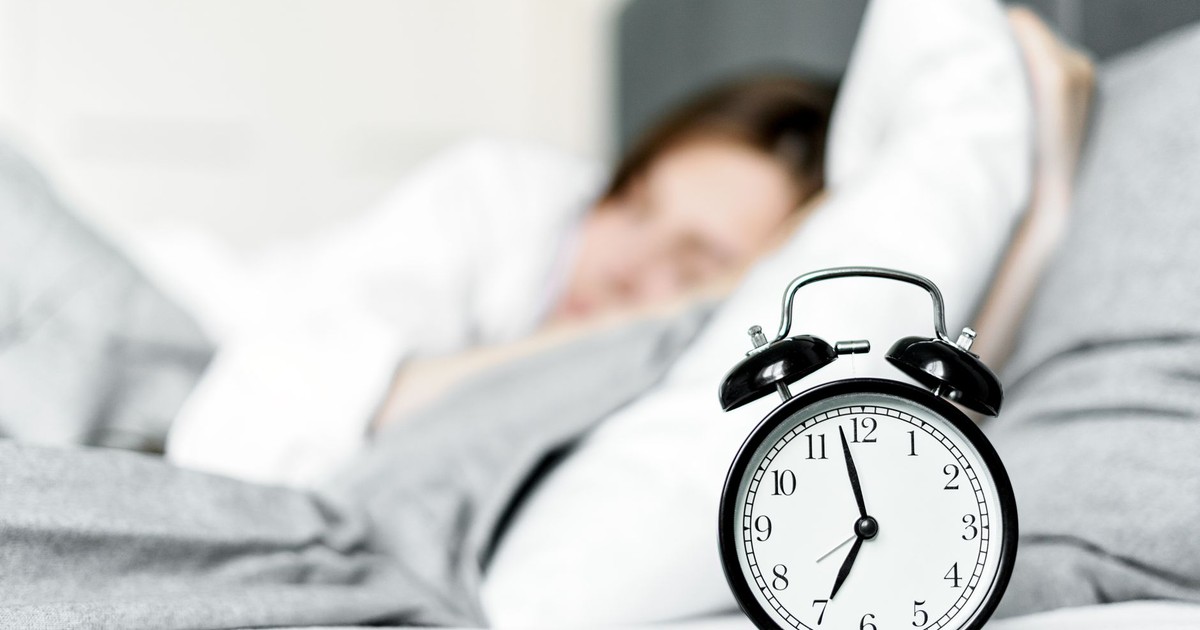
For many, one of life’s great pleasures is sleeping in on the weekends. Unfortunately, inconsistent wake and sleep times can backfire and make it even harder to fall asleep.
The reason sleeping in undermines weeknight sleep is biological. The circadian clock – your body’s internal timekeeper – calibrates itself largely through consistent light exposure and wake times. Sleeping two hours later on Saturday and Sunday is enough to shift the circadian phase forward, producing what researchers call social jet lag. By Sunday night, the body isn’t ready for sleep at 11 PM because it’s been behaviorally told that midnight or 1 AM is morning. Cleveland Clinic recommends setting a consistent bedtime and wake time and treating it as non-negotiable throughout the week as one of the foundational steps for faster sleep onset.
The key is consistency. Even if you have trouble falling asleep at first, resist the urge to sleep in the next morning. Your body will adjust within a few days, and you’ll find yourself naturally getting tired at your chosen bedtime.
10. Finish Dinner at Least 3 Hours Before Bed

The body’s digestive processes compete directly with the physiological shift toward sleep. Eating a large meal close to bedtime keeps the gastrointestinal system active, elevates core temperature slightly, and – in the case of high-fat or spicy food – can trigger acid reflux that makes lying down uncomfortable.
According to registered dietitian Alexis Supan, RD, writing for Cleveland Clinic, it’s best to stop eating about three hours before going to bed to allow the body to complete the bulk of its digestive work before the sleep window begins. This isn’t about eating less – it’s about timing. A light snack containing tryptophan (the amino acid the body uses to produce melatonin), such as a small portion of turkey, a handful of nuts, or a banana, is unlikely to disrupt sleep and may mildly support it.
Alcohol deserves a note here too. While alcohol might help you fall asleep faster, it significantly disrupts the quality of your sleep. It suppresses REM sleep in the first half of the night and produces a rebound effect in the second half that fragments rest and often causes middle-of-the-night awakenings.
11. Get Out of Bed When You Can’t Sleep
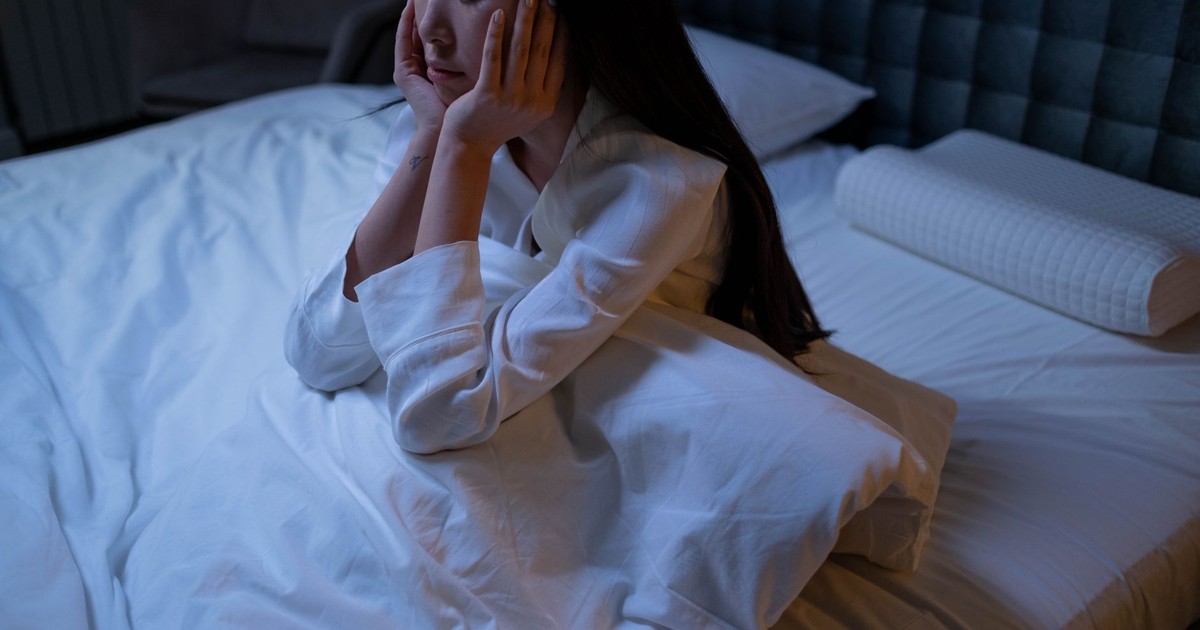
Lying in bed staring at the ceiling for an extended period trains the brain to associate the bed with wakefulness and frustration. This is the inverse of what sleep onset requires.
Stimulus control therapy – the clinical name for getting out of bed when you can’t fall asleep – is one of the core components of evidence-based insomnia treatment. The logic is behavioral conditioning: the bed should be mentally associated only with sleep, so that lying down in it triggers drowsiness rather than alertness. The standard recommendation in sleep medicine is to leave the bed after approximately 20 minutes of wakefulness, do something calm and low-stimulation in dim light (reading a physical book, light stretching), and return only when you feel genuinely sleepy.
The same principle extends to anxiety about sleep itself. “If you think about someone who sleeps well, they probably don’t think about sleep at all,” says Dr. Michelle Drerup, PsyD, a behavioral sleep medicine expert at Cleveland Clinic. “They listen to their body, and when they feel sleepy, that’s when they go to bed.”
12. Try Progressive Muscle Relaxation

Progressive muscle relaxation (PMR) works by systematically tensing and releasing muscle groups throughout the body, from the feet upward. The contrast between tension and release produces a physical state of relaxation that makes it considerably easier for the nervous system to downshift into sleep.
Start from your toes and work up, tensing and releasing each muscle group in your body. Each group typically gets 5 – 10 seconds of tension followed by 20 – 30 seconds of release before moving to the next. The full sequence takes roughly 10 – 15 minutes and, with practice, can produce a noticeably heavy, relaxed physical state conducive to sleep onset. The 2021 research cited above also supports PMR as part of a broader relaxation approach for reducing how long it takes to fall asleep.
For people whose sleep disruption is primarily physical – tight muscles, physical tension from a stressful day, or general restlessness – PMR often outperforms breathing techniques because it works on the body directly rather than through the autonomic nervous system.
13. Consider Cognitive Behavioral Therapy for Insomnia (CBT-I) for Chronic Cases

When sleep problems persist beyond a few weeks despite trying the above strategies, they have likely transitioned from acute sleep disruption into chronic insomnia – and that requires a different approach. CBT-I is the clinical gold standard for how to fall asleep fast on a lasting basis.
CBT-I is a structured form of talk therapy that addresses both sleep behaviors and the thought patterns – such as catastrophizing about poor sleep – that perpetuate insomnia. It typically runs 6 – 8 sessions with a trained therapist. Cleveland Clinic reports that 7 to 8 out of 10 people show significant improvement in their sleep when engaging in this therapy – and unlike sleeping pills, the results tend to be lasting.
A 2025 Frontiers in Psychiatry evidence summary, drawing on 28 high-quality sources, found consistent and robust evidence supporting CBT-I for chronic insomnia across all included study types and geographic regions. Multiple clinical guidelines now recommend CBT-I as the first-line treatment – before sleep medications – for chronic insomnia in adults. Digital CBT-I apps are increasingly available for those without access to an in-person therapist.
Read More: 6 Things You Should Never Do if You Wake Up in The Middle of the Night
What to Do Tonight
The gap between falling asleep in 10 minutes and lying awake for an hour is often not a matter of willpower or stress levels – it’s a set of specific environmental and behavioral signals the body isn’t receiving. Temperature, light timing, caffeine cutoffs, and consistent wake times are the highest-leverage adjustments for most adults. They work because they address the biology of sleep onset directly, not just the symptoms of poor sleep.
Start with two or three changes rather than trying everything at once. Setting the thermostat to 65°F, cutting caffeine 12 hours before bed if your dose is high, and dimming screen light after 9 PM costs nothing and typically produces a measurable improvement within a few nights. If you’ve been pairing those habits with good sleep hygiene fundamentals and problems persist after two to four weeks of genuine effort, that’s the clearest signal to pursue CBT-I – either in person or through a validated digital program. Chronic insomnia doesn’t usually resolve on its own, but it does respond reliably to structured treatment.
Disclaimer: This information is not intended to be a substitute for professional medical advice, diagnosis, or treatment and is for information only. Always seek the advice of your physician or another qualified health provider with any questions about your medical condition and/or current medication. Do not disregard professional medical advice or delay seeking advice or treatment because of something you have read here.
AI Disclaimer: This article was created with the assistance of AI tools and reviewed by a human editor.