

According to the first World Tourism Barometer of the year, an estimated 1.52 billion international tourists were recorded globally in 2025, almost 60 million more than in 2024. The United States captured almost none of that growth. CNN, which tracked the trend closely, reported a 5.5% drop in international tourism to the US in 2025 – the worst single-year decline in two decades, with the exception of the 2020 pandemic. While the rest of the world was setting new records, the US was reversing course on international travel to the US in a way that stood alone among major economies.
Four million fewer foreign visitors came to the US in 2025 compared to 2024, with total spending decreasing by more than $8 billion. According to the World Travel and Tourism Council, international travelers avoided US vacations due to unpopular policies from the Trump administration, fear of being stopped at the border, and an unfavorable exchange rate. Julia Simpson, CEO of the WTTC, put it plainly: “While other nations are rolling out the welcome mat, the US government is putting up the ‘closed’ sign.”
The decline in international tourism to the United States is due in large part to Canadians staying away. The number of people willing to cross a border to visit the US didn’t shrink because the world stopped traveling. It shrank because the world started choosing somewhere else. Here’s why.
1. The Canadian Boycott Carved the Biggest Hole
Canada was the source of the biggest decrease in international visitors. In 2024, more than 20 million Canadian travelers – the largest source market for inbound US tourism – injected $20.5 billion into the US economy. But in 2025, Canadians, largely turned off by Trump’s “51st state” rhetoric, began bypassing the US in favor of Mexico, the Caribbean, and other destinations, and four million fewer Canadian travelers visited.
On February 1, 2025, President Donald Trump signed executive orders imposing tariffs on almost all imports from Canada, Mexico, and China. Many Canadians expressed anger and frustration, boycotting American-made products and choosing not to travel to the US. One-quarter fewer Canadians visited the US in 2025 compared to the same period in 2024, according to Tourism Economics. In a reversal that hadn’t been seen in nearly two decades outside of the pandemic, more US residents drove into Canada in June and July than Canadians made the reverse trip, according to Statistics Canada.
The Trump administration also requires all foreigners 14 or older to register and submit fingerprints if they stay beyond 30 days – including Canadians, who previously could visit for up to six months without a visa. That kind of policy shift doesn’t just create friction. It changes how a destination feels. For a country whose citizens had long treated a road trip south as casually as a domestic trip, the new rules, combined with the political atmosphere, proved decisive.
2. European Travel Warnings Scared Off Key Source Markets

In March 2025, Germany updated its US travel advisory to emphasize that a visa or entry waiver does not guarantee entry, after several Germans were detained at the border. Germany’s foreign ministry confirmed it was aware of at least three cases of Germans being unable to enter the US, saying their “journey was blocked by deportation detention.” The UK issued similar warnings around the same time, following reports of British and German nationals being detained amid an immigration crackdown, and urged travelers to “comply with all entry, visa and other conditions of entry.” For European travelers, who plan international trips months in advance and rely heavily on government guidance, an official advisory carries significant weight – and the message was clear: arriving with the right paperwork was no longer a guarantee of actually getting in.
Overseas travel to the US fell nearly 12% in March 2025 compared to March 2024, with even steeper declines from specific regions: Western Europe down 17%, Central America down 24%, and Colombia down 33%, according to data from the International Trade Administration. Western Europe recorded a 17% decline in visits for March 2025, the first decline since 2021, according to the Department of Commerce. German visits plummeted 13% year-to-date, according to Bloomberg’s analysis of the tourism downturn.
The detentions that triggered the European warnings weren’t isolated incidents buried in niche news outlets. They circulated on social media across Germany and the UK, reaching millions of potential visitors. When a country’s own foreign ministry tells its citizens to prepare as though a valid visa still might not get them through the door, the effect on travel bookings is immediate and measurable.
3. Asian Tourism Fell Sharply Amid Geopolitical Friction

Asia recorded a second consecutive month of declines in visits to the US, from a region already 25% below 2019 levels, according to the Department of Commerce. The Asian market, historically one of the most economically valuable sources of inbound tourism, saw some of the steepest percentage declines of any region in 2025.
Declines were primarily driven by fewer visitors from Western Europe, Asia, and Canada. Visitors from India dipped by 5.5%, while those from China dropped nearly 14%, according to Al Jazeera’s reporting on US tourism figures. Since Trump’s return to the White House, there were fewer visitors from Western Europe and China – traditionally the highest-spending holiday-makers, according to Bloomberg’s analysis.
This matters financially because Asian tourists – particularly from China, Japan, and South Korea – tend to spend considerably more per trip than the average international visitor. Losing volume from these markets doesn’t just reduce headcount; it reduces per-dollar-spent disproportionately. With trade tensions between the US and China running high throughout 2025, the drop in Chinese tourism reflected both practical visa hurdles and a broader political cooling that discouraged discretionary travel to the US.
4. Fear of Border Detention Deterred Travelers Who Had Never Worried Before
A range of measures implemented under the Trump administration created uncertainty about border entry, including steep new fees for visitors, heightened travel restrictions, and increasingly challenging visa hurdles. For tourists from countries not historically accustomed to scrutiny at US entry points – European nationals, Canadians, Australians – the sudden possibility of being detained, questioned for hours, or denied entry became a live concern.
The latest Skift projection found that Trump-related losses to the US travel and tourism industry amounted to $43 billion in 2025. The study found that international travelers aged 18 to 24 and those over 65 specifically mentioned Trump as a reason they were less likely to visit the United States. Perception is everything in tourism. A destination doesn’t have to make entry impossible – it just has to make travelers uncertain enough that they choose somewhere easier.
For many international visitors, stories of detained tourists from Germany, the UK, and Canada circulated widely enough to reshape their plans. When the calculus of a vacation includes the possibility of missing a flight home because you were held at the border, the math stops working – no matter how much you wanted to see New York or the Grand Canyon. This psychological deterrent spread far faster than any official statistic. You can read more about how specific countries have responded to the US political climate in our coverage of countries reconsidering US travel.
5. The Strong Dollar Made America Expensive
A strong dollar, which makes US vacations more expensive for foreigners, had already caused a decline in foreign travel spending in 2024. Heading into 2025, the exchange rate problem remained a structural headwind for inbound tourism. When a British pound, euro, or Japanese yen buys less than it did a year ago, the arithmetic of a US vacation gets harder – hotels, restaurants, activities, and shopping all cost more in local currency terms before a single extra policy has been introduced.
International visitors spent $254 billion on US travel and tourism-related goods and services in 2024, according to the International Trade Administration. Coming into 2025, Tourism Economics had forecast the US would see a 9% jump in international inbound travel, which would have equated to a boost of about $16.3 billion in revenue for the US economy. The strong dollar didn’t just erode spending – it widened the gap between the US and cheaper alternative destinations at exactly the wrong moment.
This is not an abstract economic concern. A family planning a two-week trip from Germany, Japan, or Australia builds a budget in their local currency. When that budget buys 10-15% less in the US than it did on their last visit – before they’ve even thought about visa anxiety or political climate – cheaper alternatives in Southeast Asia, Southern Europe, or Latin America start to look very attractive. The dollar’s strength didn’t cause the tourism decline on its own, but it consistently narrowed the gap between “worth the hassle” and “not worth it.”
6. The US Was the Only Major Economy Going Backward While the World Set Records

Of the 184 economies the WTTC tracks, the US was the only one expected to see tourism revenue decline in 2025, and the group said it won’t return to its pre-COVID-19 level before 2030.
Europe, the world’s largest destination region, recorded 793 million international tourists in 2025, a 4% increase from 2024 and 6% more than in 2019, with Western Europe and Southern Mediterranean Europe seeing robust performance. The Americas recorded only 1% growth last year, with mixed results across subregions – and after a strong first half of 2025, the region saw small declines in Q3 and Q4, partly due to weak results in the United States. While those regions were welcoming new visitors and generating new revenue, the US was uniquely contracting.
The US Travel Association projected the US would lose $21 billion in travel-related revenue in 2025 if current trends continued, with each 1% drop in spending from international visitors translating to $1.8 billion in annual losses. Las Vegas – a city that depends on volume more than almost any other US destination – saw tourism fall to its lowest level since the pandemic recovery year of 2021, with 38.5 million visitors in 2025, a 7.5% annual decline. Major tourism hubs like Las Vegas saw widespread layoffs due to the downturn, forcing hospitality workers to reshape their careers entirely.
The isolation of the US in this trend is what makes it analytically significant. Global tourism grew. International air travel expanded. The world was moving. The US just wasn’t the destination.
What This Means Going Forward
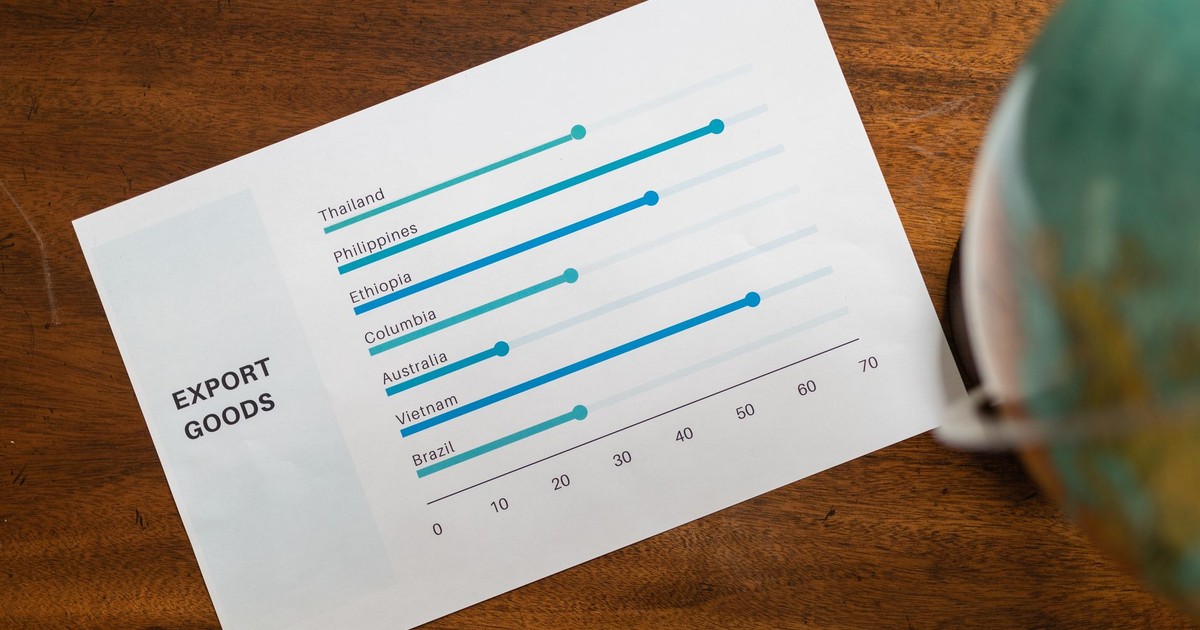
The US National Travel and Tourism Office projects that international arrivals may not return to pre-pandemic numbers until 2029, with factors including affordability, US policies, and the political climate all weighing on the timeline. By August 2025, Tourism Economics had revised its projection significantly downward, estimating international travel spending would fall by 4.2% – translating to a year-over-year loss of $8.3 billion for the US economy and a $24.6 billion swing from its original forecast. Tourism is a reputation-driven industry, and rebuilding a destination’s image after a period of deterrence, detentions, and diplomatic friction takes considerably longer than it does to lose it.
Industry leaders are now calling on policymakers to reinstate funding for Brand USA, the country’s tourism marketing body, and to adopt a more inviting stance toward international visitors. Upcoming events like the FIFA World Cup are expected to offer a temporary lift, but analysts caution that a single sporting event won’t offset a structural shift in how the world perceives America as a destination. For travelers from Canada, Europe, and Asia reconsidering a US trip, the practical steps are to monitor government travel advisories from your home country before booking, check current visa and entry requirements directly through the US Department of State, and budget conservatively given ongoing exchange rate pressures. For the US tourism industry – from hotels to national parks to airport restaurants – the numbers point to a sustained trend, not a seasonal dip, and it will take deliberate, sustained effort to reverse.
AI Disclaimer: This article was created with the assistance of AI tools and reviewed by a human editor.
Read More: Canadians Ditching US Travel for New Destination, Say Travel Companies