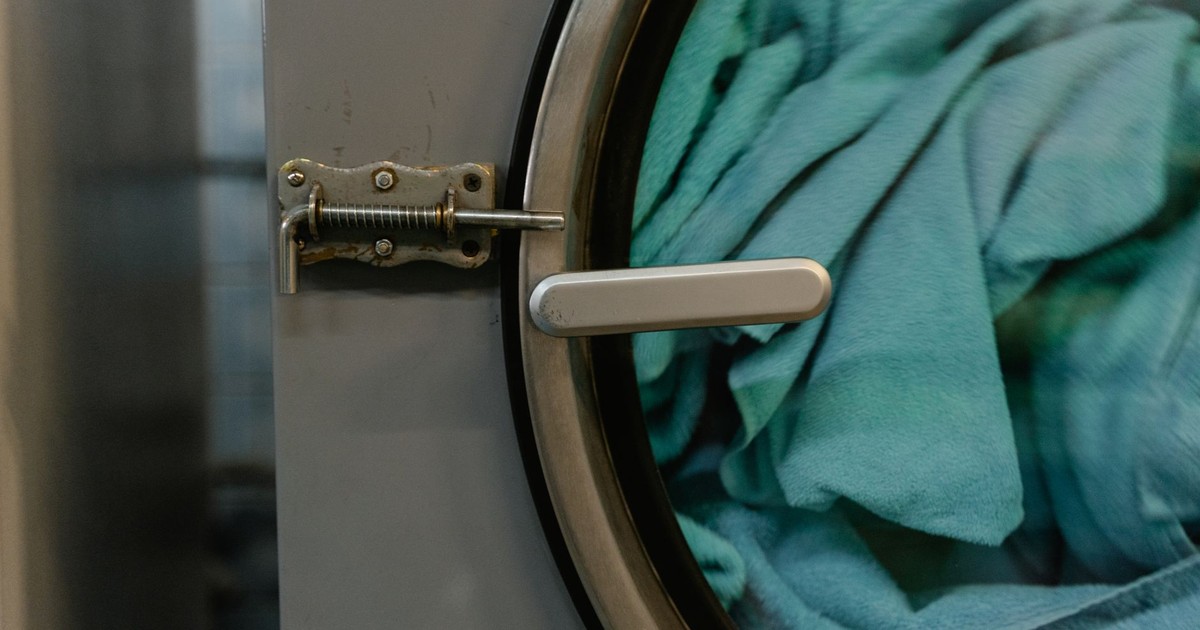

Most people never think about whether to leave the washer door open or closed between uses. The machine gets loaded, started, emptied, and shut – a routine that feels complete. But closing that door does something specific to the interior environment, and it doesn’t take long for the effects to show up in the smell of supposedly clean laundry, black specks around the gasket, or a persistent musty odor drifting out of the laundry room.
The question of whether washer door open or closed is the right habit between cycles has a straightforward answer, but the reasoning behind it involves the machine’s design, the biology of what grows in warm damp spaces, and a few simple habits that make a real difference.
1. Leaving the Door Closed Traps Moisture and Feeds Mold
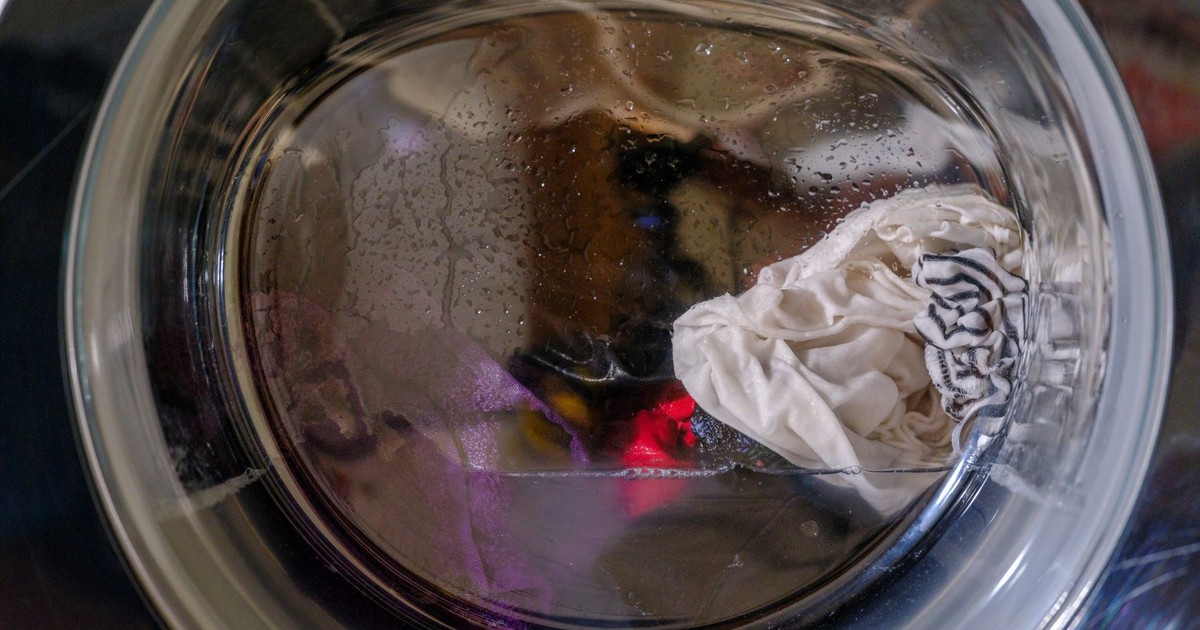
Mold tends to develop in front-load washers primarily because of moisture retained inside the unit. After a wash cycle, water can remain in the drum, detergent dispenser, and rubber door gasket, creating a humid environment ideal for mold growth. Closing the door between uses restricts airflow and prevents that moisture from drying out.
According to Mona Murahwa, founder of Cleaning Mama, leaving the door closed all day every day means “moisture is trapped and makes the perfect environment for grime and bacteria to grow.” The result isn’t just unpleasant odors – it’s a machine actively re-contaminating freshly washed clothes every time a new cycle runs.
Allowing airflow helps moisture evaporate, which reduces the chance of mold and mildew forming inside the drum and rubber seal. Cracking the door open by even a few inches shifts the internal environment from humid and stagnant to dry and inhospitable to microbial growth. No-cost, no-equipment required.
2. The Rubber Gasket Is the Highest-Risk Spot in the Machine
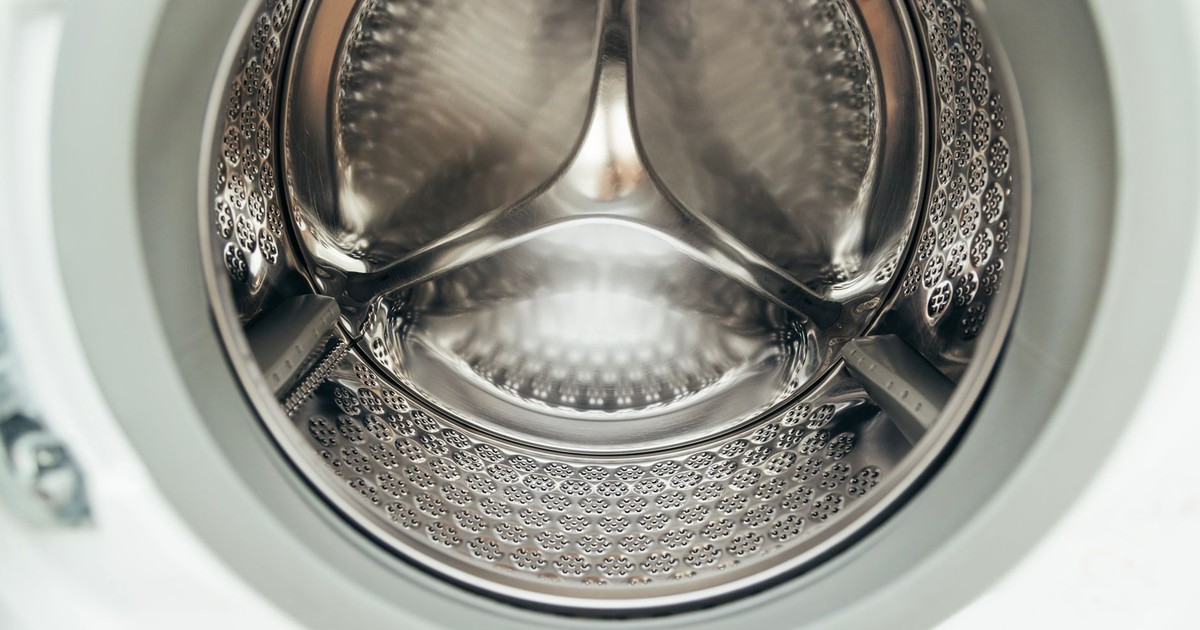
According to a 2023 study published in a peer-reviewed journal, fungi were detected in 82% of sampled household washing machines, with the inner rubber door seal being the most frequently colonized area. That number stands out because the seal looks clean to the naked eye until the contamination is already substantial.
According to CareOnova, the rubber seal on a front-load washer is one of the most common sources of mold and musty odor. It traps moisture, detergent residue, and lint inside its folds, where bacteria and mildew can grow quickly. The folds of the gasket create small pockets that hold standing water after every cycle – water that a closed door prevents from ever evaporating.
Front-load washers use a drum that tumbles on its side, which requires a tight barrier to keep water from spilling out. That same seal also creates conditions where bacteria and mold can take hold. Wiping down the visible gasket folds with a dry cloth after each load – particularly the lower portion where water pools – directly interrupts this cycle. Leaving the door open afterward lets any remaining moisture finish evaporating naturally.
3. Front-Load Washers Are More Vulnerable Than Top-Loaders
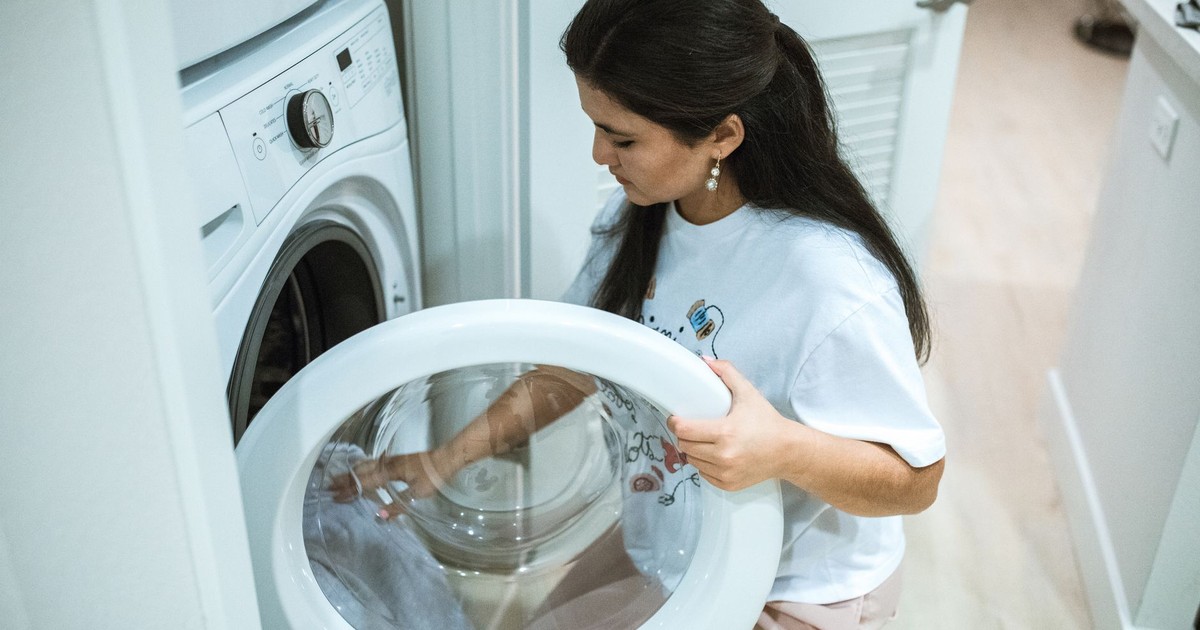
For front-load washers, keeping the door and detergent dispenser open between uses is the most reliable strategy for preventing mold buildup. The urgency of this habit varies depending on the type of machine you own.
Top-loading washing machines provide a warm, humid environment where mold can grow, but front-loading machines are especially susceptible because they usually have an airtight rubber seal that prevents moisture from leaving the machine. Top-loaders use a vertical drum orientation with a loose-fitting lid – water drains down and out, and residual moisture dissipates far more easily. Top-loaders are generally easier to keep dry between cycles, while front-loaders tend to clean better using less water.
For top-loader owners, leaving the lid open is still a good habit, but it’s less urgent. For anyone with a front-loading machine, the open-door rule is non-negotiable. Even hot washes don’t solve the problem: any residual moisture gives mold spores an opportunity to grow, and when the door is closed after a hot wash, the sealed environment creates particularly humid conditions where mold and mildew thrive.
4. The Mold That Grows There Can Affect Your Health
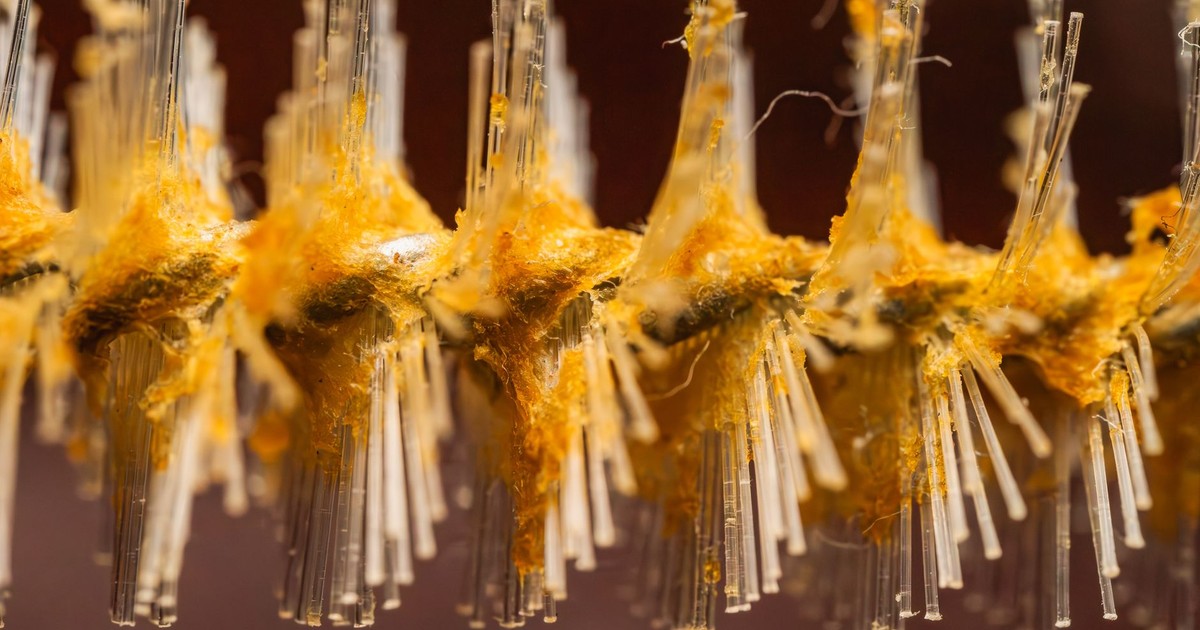
The black or gray spots that appear around a washer gasket aren’t just a cosmetic issue. According to a 2025 analysis from Indoor Doctor, front-loading washers are particularly susceptible to moisture retention because of their airtight seals and horizontal drum orientation. This buildup can lead to health risks, unpleasant odors, and potential respiratory issues due to microbial volatile organic compounds – gases released by mold as it metabolizes.
The most frequently identified mold genera found inside residential washing machines were Aspergillus, accounting for 27.7% of all fungal findings, and Cladosporium at 10.7%. Aspergillus can trigger allergies, asthma, and respiratory infections, particularly in individuals with compromised immune systems.
The American Lung Association reports that inhaling mold can cause coughing, wheezing, shortness of breath, nasal congestion, and sore throat. The CDC’s National Institute for Occupational Safety and Health further notes that spending time in damp buildings is associated with respiratory symptoms and the development or worsening of conditions like asthma and allergic rhinitis. A washing machine that runs daily and is kept closed between cycles is a consistently damp indoor environment – just one that rarely gets thought of as a health concern.
5. Remove Wet Clothes Immediately – Don’t Let Them Sit

Wet clothes sitting in the drum for hours add humidity and odor to the washer interior. Moving laundry to the dryer right away helps reduce moisture and mildew risk significantly.
According to Whirlpool’s official maintenance guidance, leaving the washer door open allows it to continue air-drying after completing a laundry cycle. Combining prompt clothes removal with an open door creates a much drier internal environment – one where mold and bacterial growth are far less likely to get started.
Mold buildup also affects machine performance over time. It can clog drains and filters, leading to inefficiencies in water usage and drainage, and corrode metal parts and damage rubber seals, potentially shortening the appliance’s lifespan. Prompt clothes removal combined with leaving the door open protects both the laundry and the machine itself.
6. Use the Right Amount of HE Detergent
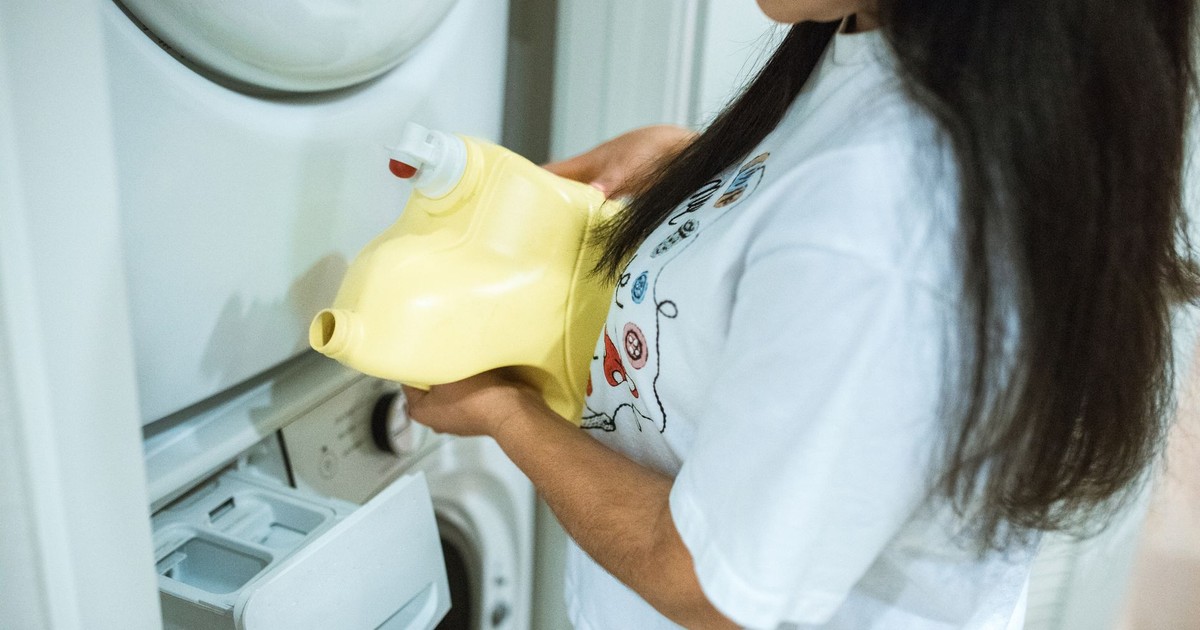
Excess detergent residue is one of the main food sources for mold inside a washing machine. Using too much detergent leads to a buildup of soap scum, which promotes mold growth. Sticking to the recommended amount of HE (high-efficiency) detergent – and using even less for lightly soiled loads – keeps residue from accumulating.
For most regular laundry loads, 1 to 2 tablespoons of detergent is sufficient. The right amount depends on washer type, load size, soil level, water hardness, and detergent formula. For high-efficiency washers specifically, starting with about 1 tablespoon of HE detergent is a reasonable baseline unless the product label recommends less. That’s usually well below the fill-line on the detergent cap, which manufacturers tend to size generously.
Liquid fabric softener can also leave a sticky film that traps moisture and debris inside the gasket. If you use it, measure carefully and clean the dispenser routinely. Keeping detergent and softener to the minimum needed reduces the organic residue that mold feeds on.
7. Run a Hot Clean Cycle at Least Once a Month
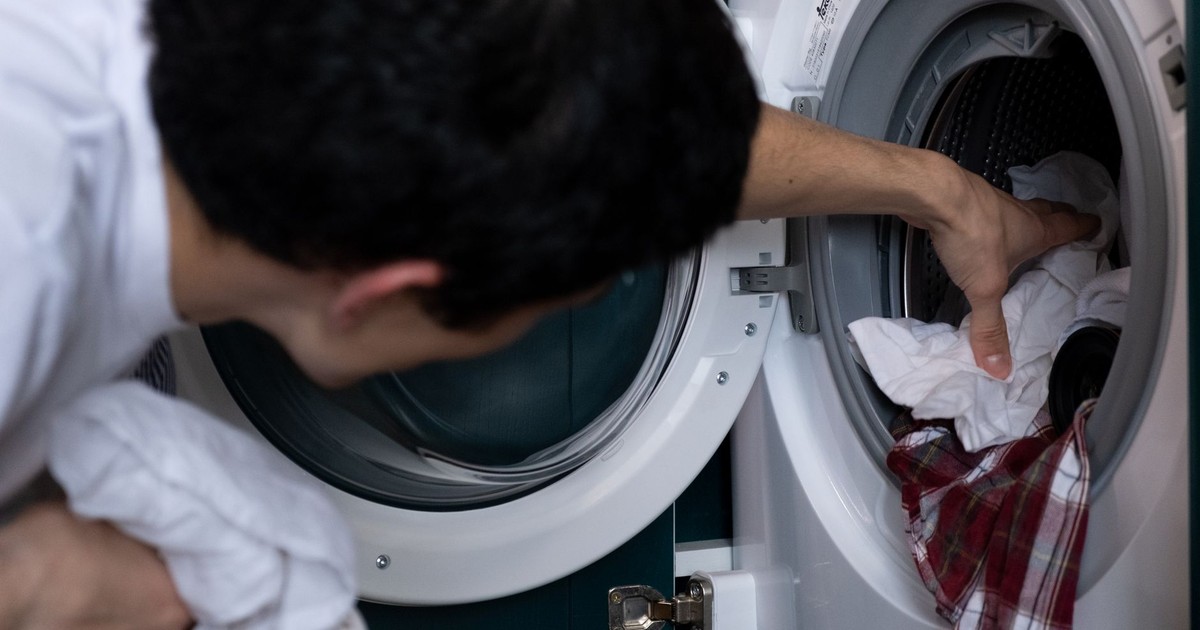
Opening the door between uses and wiping down the gasket handles daily maintenance. A monthly cleaning cycle handles the deeper accumulation that builds up regardless of how careful you are. Research from Whirlpool recommends running a dedicated cleaning cycle regularly, as heat helps kill mold spores and bacteria inside the drum.
Running a cleaning cycle once a month helps keep a washer fresh and mold-free. Many front-load washers have a dedicated cleaning cycle, but if yours doesn’t, running an empty wash with hot water and a cup of white vinegar achieves the same result – removing lingering residue and killing mold spores.
Vinegar is a practical choice for this. According to Out of the Mold, white vinegar kills approximately 82% of mold species and outperforms bleach on porous surfaces. For anyone already experiencing mold growth inside their machine, the internal mold removal guide at theheartysoul.com/mold-in-washing-machine/ covers how to treat established growth before establishing a prevention routine.
Read More: How to Remove Mold from the Washing Machine to Prevent Respiratory and Skin Infections
What to Do Now
The answer to the washer door open or closed question is unambiguous: open, every time, after every cycle. Leave it ajar – even just a few inches – until the next load goes in. For front-loader owners, this is the single most impactful thing you can do for both machine hygiene and indoor air quality. Top-loader owners benefit from the same habit, with less urgency.
The full routine takes less than two minutes per laundry session: transfer clothes to the dryer promptly, wipe the gasket folds with a dry cloth, prop the door open, and leave the detergent drawer pulled out slightly to ventilate. Once a month, run an empty hot cycle with a cup of white vinegar. Use 1 tablespoon of HE detergent per load rather than filling the cap. A washing machine that gets this kind of routine attention stays cleaner, smells better, and lasts longer than one that doesn’t.
AI Disclaimer: This article was created with the assistance of AI tools and reviewed by a human editor.