

SF1 neurons in the brain’s ventromedial hypothalamus activate in response to metformin at concentrations 100 times lower than the liver or gut needs to register the drug at all. That single detail, buried inside a 2025 study in Science Advances, rewrites the operating manual for the most widely prescribed diabetes drug in the world. Doctors have been handing metformin to patients since the late 1950s. The idea that the brain was part of how it worked was not on anyone’s radar.
The discovery centers on a tiny cluster of neurons tucked inside a region called the ventromedial hypothalamus (VMH), deep within the brain’s core. When researchers at Baylor College of Medicine directed their attention there, they found that metformin’s brain effects may be just as central to how the drug functions as anything it does in the liver. For a medication that over 40 million diabetes patients depend on, that is a meaningful recalibration.
Understanding why this matters requires stepping back through a century of pharmaceutical history – and through the biology of what the drug actually does at each stop along the way.
1. Metformin Has a Surprisingly Long and Winding History

Metformin is the most commonly prescribed antidiabetes drug, yet its origins trace back more than a hundred years. Its history is linked to Galega officinalis, also known as goat’s rue, a traditional herbal medicine in Europe that was found to be rich in guanidine, a compound shown in 1918 to lower blood glucose. Metformin was synthesized from that same chemical lineage.
The French physician Jean Sterne first reported the use of metformin to treat diabetes in 1957. Despite that early clinical use in Europe, the drug spent decades in regulatory limbo in the United States. It was approved for U.S. use in 1995 and distributed under the trade name Glucophage. That approval came over 30 years after its initial use in France – a delay driven largely by safety concerns about related compounds in the same drug class, not metformin itself.
Today, the drug’s reach is enormous. In the United States, it’s now the foundation of type 2 diabetes treatment for tens of millions of patients, and its prescription volume reflects that status. That longevity is exactly what makes the 2025 brain finding so unexpected – doctors have been prescribing this drug for generations without knowing about one of its core operating pathways.
2. The Liver and Gut Explanations Are Real – But Incomplete

For most of metformin’s clinical history, its blood-sugar-lowering effects were attributed to one primary mechanism: the liver. Metformin reduces the excess hepatic glucose production that characterizes type 2 diabetes without increasing insulin secretion. In plain terms, the liver in people with type 2 diabetes keeps releasing glucose into the bloodstream even when it isn’t needed. Metformin puts the brakes on that process.
A second mechanism, identified more recently, involves the gut. Research published in PNAS found that metformin increases glucose uptake through the intestinal lining – a separate route that also contributes to the drug’s overall glucose-lowering effect, with the gut and liver working in tandem through a crosstalk pathway.
Both of these mechanisms are real and well-documented. But they’re now understood to be only part of the picture. When Makoto Fukuda, an associate professor of pediatrics and nutrition at Baylor College of Medicine, and his team ran experiments specifically designed to probe the brain’s role, what they found suggested the liver-and-gut model was never the complete story. The brain was also involved – and responding at far lower drug concentrations than either of the other organs.
3. Meet the Ventromedial Hypothalamus
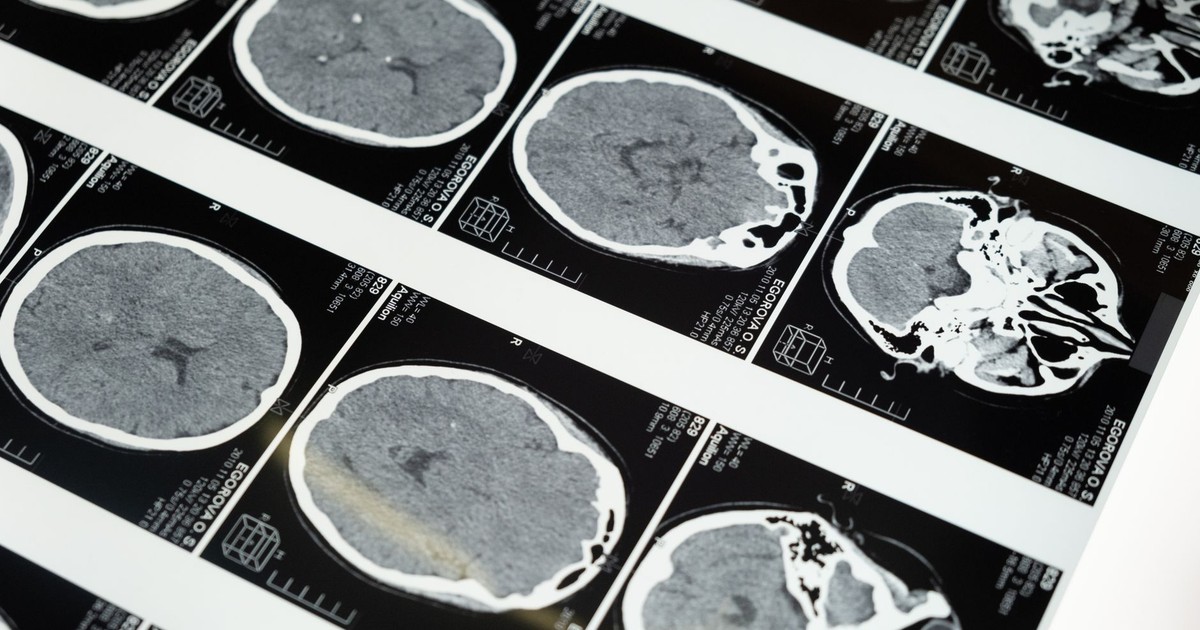
The ventromedial hypothalamus is not a brain region most people have heard of. It’s a compact structure buried deep in the center of the brain, but its influence on the body’s metabolism is substantial. Researchers focused their attention on a small protein called Rap1, found in this specific part of the brain.
Rap1 (Ras-related protein 1) is a signaling protein – think of it as a molecular on/off switch that regulates cellular activity. Prior work by some of the same Baylor researchers had already flagged Rap1 as having a role in how the brain manages blood glucose. The 2025 study asked a more specific question: does metformin interact with this switch? The researchers discovered that metformin’s ability to lower blood sugar at clinically relevant doses depends on turning off Rap1 in this brain region.
This is not a minor side effect or secondary action. Both loss-of-function and gain-of-function studies confirm that VMH Rap1 is required for the antidiabetic effects of metformin. When the researchers artificially forced Rap1 to stay active in the brain, the glycemic effect of metformin was abolished. The drug simply stopped working.
4. What the Rap1 Test Revealed

To stress-test this finding, the research team used genetically engineered mice that lacked the Rap1 protein in their forebrain neurons. These mice were placed on a high-fat diet to model type 2 diabetes. When treated with low doses of metformin, their blood sugar levels did not improve.
Other diabetes treatments – insulin and GLP-1 agonists – remained fully effective in those same Rap1-deficient mice. The animals’ bodies could still respond to other drugs. They just couldn’t respond to metformin. That specificity rules out the possibility that these mice had a general metabolic impairment. The failure was metformin-specific.
This is also why the study carries more weight than a simple correlation. The research team could switch the metformin effect on and off by manipulating a single protein in a single brain region – which is exactly the kind of precision that turns a hypothesis into a finding. You can read more about metformin’s known side effects if you’re currently taking the drug and want a fuller picture.
5. Inside the SF1 Neurons
Knowing that the VMH was involved wasn’t enough. Fukuda’s team went further, identifying which cells inside that region were actually being activated. The cells in question are called SF1 neurons – a specific subtype found within the VMH. Deleting Rap1 in forebrain neurons, or specifically in SF1 neurons in that region, meant low-dose metformin no longer improved blood sugar control. The VMH contains multiple neuron types, and not all of them are involved. The metformin response is tied to this particular population.
When metformin enters the brain, SF1 neurons show a measurable spike in activity. The study found that c-Fos (a marker of neuronal activation) was robustly increased in the ventromedial nucleus of the hypothalamus in animals treated with metformin at concentrations as low as 1 microgram. That’s an extraordinarily small amount – which brings up the next critical detail from this research.
6. Why the Brain Responds Faster

One of the most consequential details in the 2025 study is about dosing sensitivity. The liver and the intestines need relatively high drug concentrations before they respond to metformin. The brain does not. In diabetic mouse models, tiny brain-directed doses of metformin produced substantial drops in blood sugar.
This concentration gap has real implications for how the drug may be dosed in future treatments. If the brain pathway activates at much lower concentrations than peripheral organs, some of metformin’s clinical effect in patients may be happening via the brain even at standard therapeutic doses – without anyone having recognized it. The liver mechanism has received most of the research attention, but the brain may have been doing significant work in parallel all along.
7. How This Changes What We Thought We Knew

Metformin’s mechanism of action has been contested among researchers for years. This discovery doesn’t settle all outstanding questions, but it does add a third confirmed pathway to the model. The traditional AMPK (AMP-activated protein kinase) activation story, the liver’s glucose suppression, the gut’s uptake modulation – all of these coexist with the VMH Rap1 pathway rather than replacing each other.
The study was authored by Hsiao-Yun Lin, Weisheng Lu, Yanlin He, and colleagues, published in Science Advances on July 30, 2025. The research team included collaborators from Louisiana State University and institutions in Japan, reflecting the breadth of the investigative effort behind a single mechanistic question about a drug that doctors have been prescribing since the 1950s.
The scope of the population this touches is real. Over 40 million Americans, or 12% of the population, have diabetes, according to the American Diabetes Association. And the at-risk population is far larger: data from SingleCare shows that approximately 115 million Americans have prediabetes, representing around 43% of the adult population. Metformin is frequently discussed as a preventive option in that population as well.
Read More: Could Your Diabetes Medication Also Be Protecting Your Brain?
What This Means for You
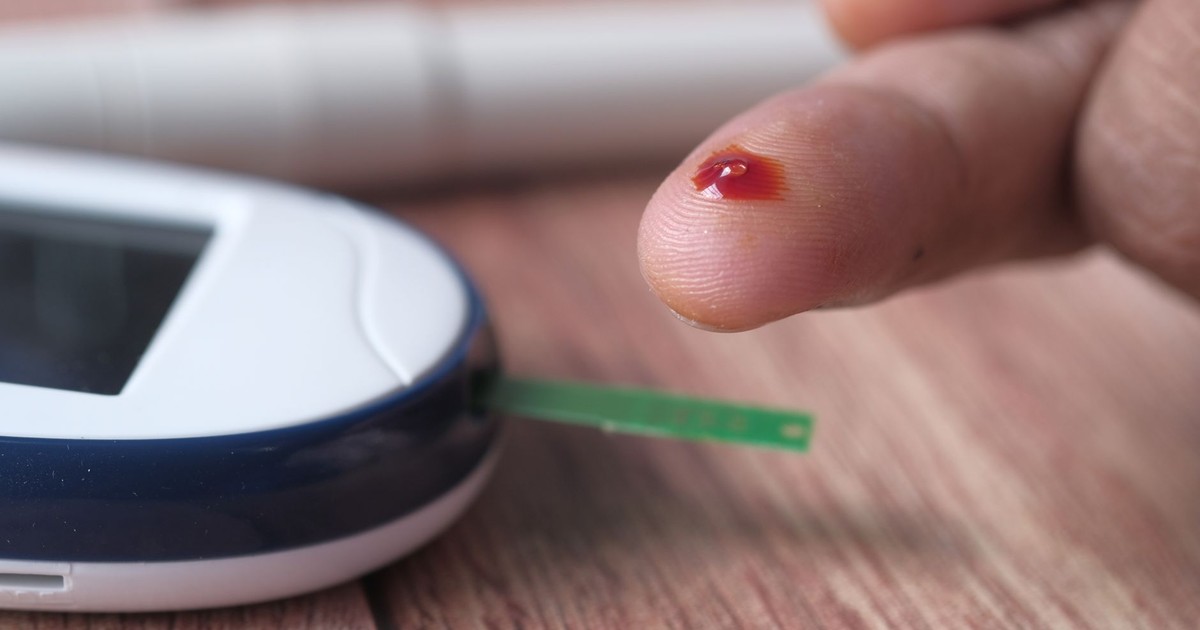
If you take metformin for type 2 diabetes, this research doesn’t change your prescription. The drug works – that’s been established for 60 years – and these findings explain part of why it works, not whether it should continue to be used. What the Baylor study adds is a richer map of the drug’s action, one that may eventually lead to brain-targeted treatments designed to replicate the VMH Rap1 pathway more precisely, potentially at lower doses or with greater specificity.
For the broader medical conversation, the finding matters because it disrupts the assumption that diabetes is managed exclusively through peripheral organs like the liver and gut. The brain, via a small protein in a compact hypothalamic region, contributes to blood sugar regulation – and at least one widely used drug has been engaging that pathway without clinicians knowing it. If you’re currently on metformin and have questions about its effects on your body, that’s a conversation worth having with your doctor, particularly if you’re managing any conditions that also affect brain or neurological health. The picture of how this drug works just got considerably more complete.
Disclaimer: This information is not intended to be a substitute for professional medical advice, diagnosis, or treatment and is for information only. Always seek the advice of your physician or another qualified health provider with any questions about your medical condition and/or current medication. Do not disregard professional medical advice or delay seeking advice or treatment because of something you have read here.
AI Disclaimer: This article was created with the assistance of AI tools and reviewed by a human editor.
Read More: Research Provides a Clearer Picture of How ‘Wonder Drug’ Metformin Works